


 Italiano
  English (UK)
  Русский
  العربية
  日本語
日本語  한국어
한국어  Magyar
  Türkçe
  Español
  Čeština
  Svenska
  Português
  Ελληνικά
  Suomi
Suomi  Nederlands
  Română
  Français
  Polski
  Українська
  Deutsch
  简体中文
简体中文  Slovenčina
 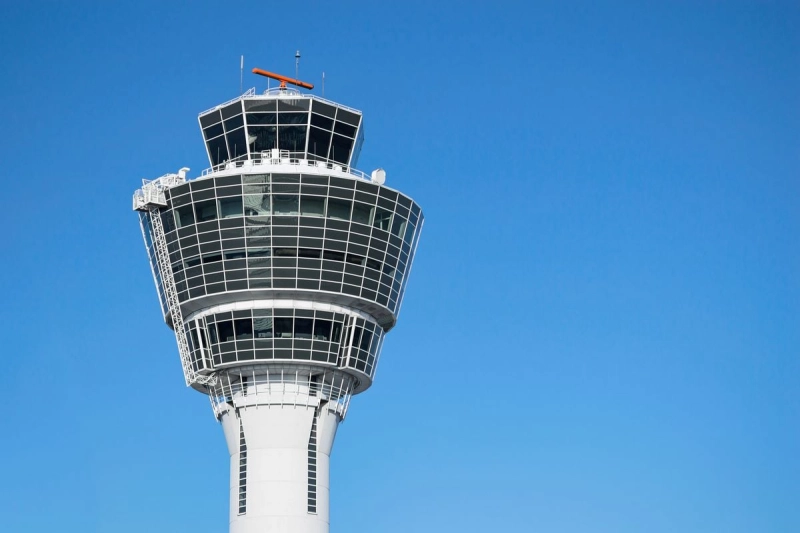 L'Europa deve affrontare un drammatico aumento dei ritardi nel controllo del traffico aereo">

Sharp Rise in Air Traffic Control Delays in Europe
Air Traffic Control (ATC) delays in Europe have surged dramatically over the past decade, more than doubling and causing widespread disruption for travelers. Between 2015 and 2024, delays related to Air Traffic Flow Management (ATFM) increased by 114%, a stark contrast to the modest 6.7% growth in the number of flights during the same period. These alarming figures highlight growing inefficiencies within Europe’s airspace management, though the statistics exclude weather-related delays and those caused by strikes.
Main Causes Behind the Delays
The principal contributors to this escalation are capacity limitations and a shortage of skilled staff. These challenges have particularly affected air traffic navigation services in France and Germany, where over half of the continent’s delays originate. Despite longstanding awareness of these issues, they have not been adequately addressed, leaving passengers and the airline industry to bear the brunt.
These operational hurdles have undermined the promises made with initiatives like the Single European Sky, which aimed to streamline air traffic control, reducing flight delays and fuel consumption through more efficient routing. Instead, passengers have endured increasing wait times, while Europe’s connectivity and competitive edge suffer due to rigid schedules designed to accommodate inefficient air traffic control.
Impact on Travelers and Airlines
Passengers experience longer waiting periods, unpredictable schedules, and increased frustration. Airlines face compounding difficulties, as delays affect fleet utilization and operating costs, and limit the potential for timely connections. The current dynamic threatens the overall quality of air travel within Europe, highlighting a critical need for infrastructure and procedural improvements.
The Evolution and History of Air Traffic Control
The complexities of managing air traffic have deep historical roots tied to the rapid advancement of aviation technology. Aviation’s unique characteristics—high speed, three-dimensional movement, and the vertical nature of flight—demand precise communication and coordination. The earliest foundations of air traffic control were laid in the early 20th century, with the first formal systems emerging in the 1920s and 1930s as passenger volumes grew.
Air routes function much like invisible highways in the sky, defined by specific corridors in both horizontal space and altitude. This system allows aircraft to safely pass over airports and other planes by maintaining vertical and lateral separation. The role of air traffic controllers is critical—they monitor aircraft throughout their journey, communicate with pilots, and ensure safe landings and takeoffs.
Technological advancements such as radar, radio communication, and inertial navigation systems have enhanced the ability to manage air traffic safely and efficiently. However, the rising volume of air traffic has imposed increasing stress on these systems and the human controllers, particularly in busy hubs where aircraft arrive and depart in tightly packed schedules.
Flow Control and Its Role
Flow control policies have been implemented to manage air traffic volumes, especially to reduce controller workload and maintain safety near busy airports. These policies sometimes require aircraft to delay departure until a landing slot is available at the destination, which, while effective in controlling airspace congestion, can be frustrating for travelers who often learn about delays only after boarding.
Forecasting the Future: Implications for Travel and Tourism
The steady growth in air traffic demand across Europe presents both opportunities and challenges. Without significant reform, delays could continue to worsen, hampering the region’s tourism and business connectivity. Effective air traffic control is vital for supporting the smooth movement of millions of passengers, crucial to the thriving tourism industry that keeps European destinations bustling year-round.
From a broader perspective, increasing delays not only inconvenience travelers but also impact fuel consumption and environmental footprints. More efficient air traffic management could help reduce unnecessary fuel burn, contributing positively to more sustainable travel options.
Potential Effects on Coastal and Marine Tourism
Though air traffic control issues primarily affect airborne travel, their ripple effects could also touch sectors like sailing and boating tourism, especially in popular coastal European destinations. Delays and uncertainties in air travel might alter tourist arrival patterns, impacting yacht charters, marina bookings, and related activities along the coastlines.
For instance, destinations known for their vibrant boating communities—Mediterranean ports, Baltic Sea harbors, and Atlantic coastal resorts—depend heavily on predictable arrival flows to plan marine activities and services efficiently. Any interruption in the travel ecosystem upstream, such as extended ATC delays, can affect the scheduling and availability of yacht and boat rentals.
Table: Growth Comparison – Flights vs. ATC Delays (2015–2024)
| Metric | Variazione percentuale |
|---|---|
| Flight Numbers | +6.7% |
| ATC-Related Delays | +114% |
Summary and Conclusion
Europe’s air traffic control system is currently facing significant challenges, with delays more than doubling over the last decade due to capacity and staffing issues. While technology and flow controls provide some relief, the systemic inefficiencies have profound implications not only on air travel but also on broader tourism markets.
Tourism hubs, particularly those connected with extensive coastal and marine activities, rely on efficient arrival and departure schedules to maintain seamless service, including yacht and sailing charters, marina traffic, and water-related recreational opportunities. Any inconsistency in air travel disrupts this flow, underscoring the interconnected nature of travel modalities.
To discover the best yacht charters, boat rentals, and marine experiences in Europe and beyond—where waters, sailing conditions, and marinas attract enthusiasts from around the globe—visiting GetBoat.com offers an extensive marketplace. This platform connects travelers with options to rent vessels and explore stunning destinations by sea, blending the spirit of adventure with the practicality of well-managed logistics. Whether it’s cruising the Mediterranean, fishing in clearwater bays, or enjoying superyacht luxury in the Gulf, seamless marine experiences depend on the delicate dance of transport systems both in the air and on the water.