


 Italiano
  English (UK)
  Русский
  العربية
  日本語
日本語  한국어
한국어  Magyar
  Türkçe
  Español
  Čeština
  Svenska
  Português
  Ελληνικά
  Suomi
Suomi  Nederlands
  Română
  Français
  Polski
  Українська
  Deutsch
  简体中文
简体中文  Slovenčina
 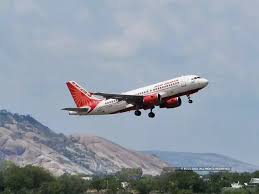 Air India Migliora l'Esperienza dei Passeggeri con Misure Avanzate Anti-Nebbia">

Enhancing Travel Safety and Convenience During Fog Season
As winter approaches, Air India introduces a comprehensive Fog Care programme designed to tackle the challenges fog brings to air travel. This initiative focuses on reducing disruptions caused by low visibility and ensuring a smooth travel experience for passengers across both domestic and international flights.
Key Measures Introduced by Air India
Aimed at mitigating travel delays and enhancing passenger comfort during the critical fog period from 10 December 2025 through 10 February 2026, Air India has implemented several forward-thinking strategies:
- Cockpit Crew Preparedness: Availability of pilots certified for CAT III B Low Visibility Operations, with standby teams to handle urgent operational needs.
- Aircraft Readiness: Deployment of CAT III B-certified aircraft at airports prone to fog to maintain flight continuity.
- Ground Support: Ensuring passenger assistance with refreshments and care packages at both departure and alternate airports.
- Optimized Flight Scheduling: Proactive adjustments to schedules especially for long-haul and metro center connections to minimize inconvenience.
- Operational Monitoring: Round-the-clock weather and safety surveillance via Integrated Operations Control Centre to promptly respond to evolving conditions.
- Communication Enhancements: Customer support teams equipped to provide real-time updates through SMS, WhatsApp, email, and social media.
- Flexible Booking Options: Complimentary rescheduling and penalty-free full refunds for flights affected by fog conditions.
Commitment to Passenger-Centric Service
This proactive programme reflects Air India’s dedication to passenger safety and satisfaction by combining technical readiness with transparent communication. The airline aims to maintain service reliability despite the seasonal operational challenges that fog presents.
The Science and Impact of Fog on Travel
Fog, a prevalent weather condition during certain seasons, significantly disrupts air travel primarily due to reduced visibility. It typically forms when the air is saturated with moisture, often driven by temperature inversions or cold air moving over warmer surfaces—a phenomenon experienced in many parts of India, especially around major airports like Delhi.
Visibility limitations mean aircraft operations need specialized equipment and training to land and take off safely under low-visibility conditions. This is where CAT III B Instrument Landing Systems come into play, enabling aircraft to operate with minimum runway visual range requirements.
Types of Fog Affecting Aviation
| Fog Type | Formation Process | Relevance to Aviation |
|---|---|---|
| Radiation Fog | Forms on clear, calm nights due to ground cooling by radiation. | Common in cold seasons, causing early morning visibility issues. |
| Advection Fog | Occurs when warm moist air moves over a cooler surface. | Common near coastal or wetland airports, challenging to forecast. |
| Inversion Fog | Caused by temperature inversion trapping moisture near the ground. | Produces dense fog layers affecting approach and takeoff. |
Historical Context of Fog Challenges in Indian Aviation
India’s winter months have traditionally brought significant challenges for air travel, with cities like Delhi experiencing dense fog that has caused extensive flight delays and cancellations. Historically, limited technological capabilities and infrastructure constraints made fog season particularly disruptive.
Over time, improvements in airport infrastructure, especially the installation of advanced CAT III B Instrument Landing Systems and enhanced crew training protocols, have dramatically improved safe operations during foggy conditions.
Moreover, regulatory frameworks defined by India’s Directorate General of Civil Aviation and collaborations between airlines and airport authorities have fostered better preparedness for adverse weather, reducing the impact on passenger schedules and safety.
Evolution of Operational Strategies
- Deployment of CAT III B certified aircraft and crew trained explicitly for low visibility operations.
- Introduction of integrated control centres for weather monitoring and dynamic schedule adjustments.
- Customer-focused initiatives offering flexible ticketing and proactive communication.
The Rising Importance of Travel Reliability in India’s Tourism Growth
India’s rapid economic growth and expanding middle class have led to an increase in both domestic and international travel. Winter months coincide with peak tourist seasons not only due to cooler weather but also with cultural festivals that trigger travel surges.
Reliable air transport during fog season is crucial to sustaining this growth, ensuring connectivity and confidence among travelers. As aviation reforms and airport modernizations continue to expand India’s civil aviation landscape, operational readiness for weather challenges like fog gains heightened relevance.
Such measures enable seamless movement across key hubs and enhance traveler satisfaction, which positively influences tourism development, including marine tourism where timely air travel supports arrivals to coastal destinations popular for boating and yacht charters.
Potential Tourism Implications of Fog Care Initiatives
- Improved connectivity to popular sea-bound destinations by reducing delays during critical travel periods.
- Enhanced visitor confidence in winter travel plans, supporting sustained tourism flows.
- Complementary benefits to marine activities such as boating, yachting, and charter services requiring reliable passenger transfers.
Conclusione
Air India’s Fog Care programme exemplifies how advanced preparation and customer-centric policies can effectively address the challenges posed by seasonal fog. By leveraging specialized crew training, CAT III B aircraft readiness, enhanced ground support, and cutting-edge communication tools, the airline aims to preserve passenger convenience and safety throughout the winter travel season.
In the broader scope, such initiatives align closely with the flourishing travel and tourism sector in India, underpinning the reliability necessary for the growth of destination-based activities including yachting and marine charters.
For travelers seeking seamless access to coastal and island marine paradises during the winter, dependable air connectivity forms the backbone of their journey from airport to sea. Services that rent sailing boats, yachts, and offer captained charters rely heavily on smooth passenger arrivals, making such aviation readiness efforts crucial.
To explore top-notch yacht, sailing boat, and superyacht rentals that complement your travel plans, GetBoat.com offers an international marketplace tailored to meet every taste and budget for maritime adventures.