


 Italiano
  English (UK)
  Русский
  العربية
  日本語
日本語  한국어
한국어  Magyar
  Türkçe
  Español
  Čeština
  Svenska
  Português
  Ελληνικά
  Suomi
Suomi  Nederlands
  Română
  Français
  Polski
  Українська
  Deutsch
  简体中文
简体中文  Slovenčina
  Navigating Boat Shows – Your Guide to Buying the Dream Aluminum Fishing Boat">

Choose a 16–18 ft aluminum fishing boat with a wide beam for stability and easy handling. Prepare a concise needs list, measure your storage, and set a realistic total budget, including trailer and gear. This approach will help you save money and compare these boats efficiently. Tip: bring a tape measure and a notepad to capture exact dimensions and notes at each booth.
Focus on hull design: stability comes from beam width, a shallow deadrise, and weight distribution, while maneuverability depends on a responsive tiller or console layout. For inland lakes, target a beam around 68–72 inches, a welded hull, and a transom rated for 90–115 HP to ensure planing performance. Unlike sailboats, these boats have no sails, which keeps maintenance straightforward and costs lower. Consider material thickness and cross-sections as part of a tight budget, and check the store options from multiple brands to compare value. Compare those options that align with your priorities.
Test handling at the show by simulating common tasks: turning in tight spaces, loading gear, and passing through chop at 10–15 mph. These tests reveal performance gaps between models, especially in how the boat handles weight shifts when you add friends and gear. Look for models that offer available upgrades such as locking rod storage, refrigerated livewells, and built-in battery trays to simplify getting ready for trips. These features add ease to daily use on the water.
Family use matters: without children, you may prioritize max cockpit space and low maintenance; with children, prioritize crowded-day safety features, non-slip decking, and stable platforms for casting. Ensure proper railing height, secure cleats, and easy access to a reliable bilge pump. Think about storage solutions for gear, bait, and life jackets, and confirm that the boat’s weight and trailer load fit your garage or storage lane.
When deciding, think of it as an investment with store demos and in-store financing options. These shows offer opportunities to compare price points, warranties, and dealer incentives side by side. Use this moment to invest in a boat you’ll trust for years. After narrowing to a couple of options, request a detailed spec sheet and a written test plan to verify that your chosen model meets your needs and fits your budget.
Targeted prep for aluminum fishing boat buyers at boat shows
Make a three-boat shortlist and a concrete demo plan before you step into the show. This focused prep keeps you grounded and ensures you compare like-for-like aluminum fishing vessels.
Positioning yourself as a serious buyer means mapping your typical day on the water: where you fish (shoreline, river, inlets), how you maneuver in a marina, and how easily you access gear from the bow and stern. Filter options by those needs rather than flashy features.
Experienced buyers should inspect hull integrity: look for clean welds, consistent rivets, and corrosion protection. Ask for the gauge of aluminum and overall weight, and verify trailer compatibility with your existing rig. Compare live wells, rod storage, and gear space at similar lengths to ensure you don’t overrun space in practice.
For those bringing children, check safety features: tall, non-slip decks, high rails, and reachable storage so kids enjoy the ride without clutter. Look for retractable boarding ladders or easy-access transoms that simplify getting on and off when the dock gets busy.
At the show, request a side-by-side comparison of two to three vessels in a similar length and fishing layout. Note differences in space between console, casting decks, and live-well capacity. Use a simple matrix to record hull type, motor options, battery configuration, and trolling motor readiness, then make a decision based on your timeline and budget.
Getting hands-on time helps: you could request a water-test slot or a controlled on-water demo near the marina. If the show has used models, compare wear on transom, console, and rub rails to spot long-term maintenance needs.
Edge cases: retractable fishing seats or flip-up consoles can ease storage at home port. Confirm access to bilge pump, live-well drainage, and battery bank under console for easy maintenance.
Those with experience on keelboat or sailboat can apply the same discipline: map your crew, gear, and port limits, then verify that each vessel offers safe boarding, a stable ride, and predictable handling. When you compare models, choose the one that fits your space and gets you back to enjoying time on the water with family and friends.
Identify your primary fishing environments and target boat size
Choose a versatile 18–22 ft aluminum boat as your baseline for inland and nearshore fishing. Having a stable platform with a shallow draft lets you work rivers, marsh creeks, and small bays without adding a second craft. This vessel size keeps transport simple and costs predictable, making the selection practical for beginners and experienced anglers alike. If youve already toured a few models, this baseline helps you compare features quickly, focusing on those that truly affect how you fish every day.
Identify your primary fishing environments: freshwater lakes with calm coves, rivers with current, tidal estuaries, and open coastal bays. There, you will see how miles of shoreline and water depth influence gear choices. For days with wind or chop, a hull with good stability, a robust livewell system, and reliable bilge and electrical setups matter. Use photos from past trips and from exhibitors to compare layouts side by side and note which features play to your fishing styles and access points.
Choosing your target size by environment yields practical guardrails: 18–20 ft covers most lakes and calm rivers with easy handling; 20–22 ft balances inland use with longer runs and more gear; 22–26 ft suits open bays and offshore days, especially with a cruiser-style console and higher freeboard. Likely you will prize a wider casting deck and a fixed transom that accepts standard outboards, which keeps maintenance simple and upgrades straightforward. Those considerations reduce the risk of overestimating or underestimating needed capacity.
Key decision factors include hull design (all aluminum, V hull versus flat bottom), draft, seating layout, livewell capacity, storage, and the system reliability of electrical and trolling motors. A fixed transom supports heavier motors and reduces the risk of splash during long runs. Check marina access, ramp angles, and trailer width so you can align your skills and preparation with the vessel you own, owning a craft that fits your routine. Experts at the show can point out hidden advantages and tradeoffs you may miss. Prepare questions in advance and note how the boat performs in turns and while backing. Crucial checks include engine response, steering feel, and hull integrity. And also evaluate the battery, trolling motor, and accessory systems for reliability.
Prepare a simple plan for test trips and dock checks: verify you can reach gear from both sides, confirm casting decks fit your style, and measure storage for rods and tackle boxes. At shows, talk with exhibitors and request real-world feedback from those who own and operate similar vessels. Gather photos and notes, compare system diagrams, and assess the concerns you might have about long days on the water. With this approach you map the advantages and build a decision based on data rather than impressions.
Set a show-specific budget and financing options for aluminum boats
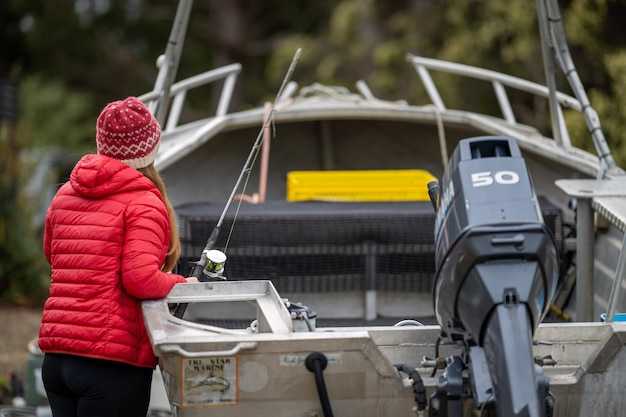
Set a show-specific budget of about $30,000–$45,000 for a ready-to-run aluminum fishing boat with trailer and essential gear; this range covers most 16–20 ft models with a 40–70 hp outboard, a trolling motor, and basic electronics. Adjust upward for larger hulls or higher-spec options, and lock your ceiling before you start discussions.
Before you walk the aisles, have financing pre-approved and set a target youd use to compare offers. Create a short list of 3 boats that fit your living situation and check warranties, service options, and the availability of service centers. Attend seminars led by experts to parse terms and offers, so you know what to seek in a deal.
Budget tiers you could consider at the show:
- Entry: 12–16 ft hull, 20–40 hp, basic electronics; out-the-door price around $12,000–$18,000 (new base) or $8,000–$12,000 used.
- Mid: 16–20 ft hull, 40–70 hp, trolling motor, fish finder; price roughly $25,000–$40,000.
- Premium: 20–22 ft hull, 70–115 hp, advanced electronics, upgraded seating; price roughly $45,000–$70,000.
Financing options to explore at the booth:
- Dealer offers: promotions often include low down payments and flexible terms; compare total cost and APR across three dealers.
- Credit unions and banks: pre-approval speeds decisions; terms typically 36–72 months; rates vary based on credit; bring a pre-qualification letter to the show.
- Leases: available in some cases; evaluate the buyout option and total cost of ownership.
- Warranties: verify hull and engine warranties; common hull warranties run 5–10 years; engine warranties 2–5 years; ask what components are covered and for how long.
- Extras and protection: consider maintenance plans, insurance estimates, and trailer protection; these affect monthly spend.
Show-day tips to find the ideal selection:
- Walk the exhibits with a focused plan–compare 3 boats that meet your living needs and test each one on calm excursions to feel maneuver and handling.
- Ask questions: financing terms, down payment, payment schedules, warranty coverage, service availability, and what adds to the total cost.
- Look at the practical details: hull thickness, rivets, console space, seat comfort, and how the boat handles when you turn the wheel sharply.
- Compare trade-in quotes the same way you evaluate offers; youd verify how much you spend vs how much you save.
- Bring a calculator to estimate monthly payments and total cost over the term, using different down payments and interest rates.
- Consider days of sailing or excursions to gauge real-world performance, comfort, and maneuver in waves.
After days at the show, you will lead with a short list and know your exact ceiling. Youd walk away with the perfect match and a clear plan for buying the boat youd dream about.
Create a testing checklist: hull feel, balance, and prop setup
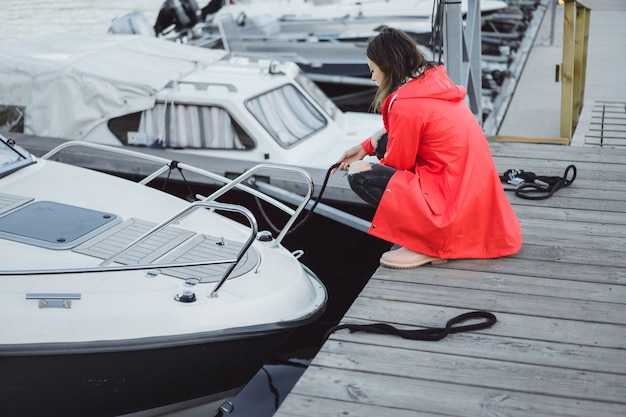
Dock-side recommendation: perform a dock-side hull feel and balance check with a light crew before any on-water test. Bring two children to sit on opposite sides to test weight distribution; if one side settles, rework seating or ballast. The hull should sit drawn and level at rest, with the deck feeling firm under light pressure from a steady hand. This step sharpens your skills and frames the consideration for the next moves.
On-water test: run three passes to verify trim response and stability. Start idle, then accelerate to planing, and finalize with a steady cruise at light load. Note engine RPM and GPS speed; watch for a smooth hook-up without porpoising or chine walk. If the bow rises with load, increase trim or move ballast forward; if the stern squats, shift weight aft or raise engine height.
Configurazione oggetti di scena: prova un'opzione come un'elica standard a 3 pale in alluminio progettata per le dimensioni del tuo motore; verifica il regime di giri/min e la velocità raggiunta. Una seconda elica con una pala più larga o un passo diverso può migliorare la planata o la velocità massima, a seconda dello scafo e del carico.
Documentazione: prendi photos durante ogni fase, registra decision dati e metriche di performance; review con un tecnico esperto per interpretare il comportamento dello scafo e la risposta dell'elica.
Decisione e prossimi passi: dopo il test, decidi quali regolazioni mantenere: disposizione dei sedili, zavorra o selezione dell'elica; investi tempo in un altro test se necessario; archivia un file a casa con i risultati per confrontarli con offerte e opzioni per la barca dei tuoi sogni in alluminio per la pesca.
Valutare la qualità della costruzione: saldature, rivetti e resistenza alla corrosione
Esamina personalmente le saldature e i rivetti dello scafo sotto una luce intensa. Se trovi crepe, porosità, fessure o cordoni di saldatura disallineati, passa a un'altra unità. Lì, questi problemi visibili spesso segnalano affaticamento che può avere importanza in seguito, soprattutto su una barca a vela che vede attività e umidità variabili.
Le saldature devono presentare un cordone pulito e continuo, con larghezza uniforme e assenza di cricche o zone alterate termicamente eccessive. Un giunto ben formato appare solido per tutta la sua lunghezza e non si devono percepire bordi ruvidi o residui di scorie strofinando un dito lungo la giunzione. Se si notano incongruenze, annotare l'intervallo delle aree interessate ed eseguire ulteriori test o richiedere una seconda valutazione. Per i principianti, questo passaggio aiuta a confrontare le opzioni ed effettuare un acquisto in tutta sicurezza per la famiglia nei fine settimana, che siate alla ricerca di una giornata tranquilla o di una piccola avventura in mare aperto.
I rivetti devono essere a filo con il rivestimento; le teste non devono essere a fungo o staccarsi. Controllare la spaziatura dei rivetti per verificare che corrisponda al design del produttore e passare delicatamente una mano lungo ogni fila per individuare punti allentati o sporgenti. Se i rivetti presentano spazi vuoti o sigillante dall'aspetto deteriorato, considerarli un campanello d'allarme, poiché la corrosione può insinuarsi attorno al bordo e compromettere la stabilità nel tempo. Ispezionare i raccordi fissi lungo le falchette, le battagliole e l'area della testa d'albero per assicurarsi che rimangano saldi e che abbiano un supporto o delle piastre di supporto adeguati, ove necessario.
La resistenza alla corrosione dipende da rivestimenti, anodizzazione e compatibilità dei materiali. Cercare colore e finitura uniformi attorno a bordi, tacchette, tientibene e altra ferramenta. Sfogliature, gessosità o polvere gessosa vicino ai raccordi indicano usura accelerata e potenziale terreno fertile per la corrosione. Se si notano residui verdi o bianchi, oppure segni di umidità persistenti, c'è un motivo per fermarsi e ricontrollare l'installazione. Verificare inoltre che elementi di fissaggio e raccordi utilizzino leghe compatibili per ridurre l'azione galvanica quando l'imbarcazione si trova in condizioni di umidità o in presenza di spruzzi di sale, cosa comune sui ponti e sugli specchi di poppa esposti. Un controllo accurato ora fa risparmiare tempo in seguito e mantiene lo spazio disponibile per l'uso familiare, bambini inclusi, senza sorprese durante una giornata in acqua.
| Aspect | Dove cercare | Buoni segnali | What to do |
|---|---|---|---|
| Qualità della saldatura | lungo le giunzioni e i raccordi dello scafo | cordone uniforme, transizioni fluide, senza spazi vuoti | documento, richiedi una rielaborazione o rifiuta l'unità |
| Stato dei rivetti | file di rivetti, teste e spaziatura | teste a filo, senza sbavature, spaziatura uniforme | stringere o sostituire i rivetti difettosi; nota per le decisioni di acquisto |
| Rivestimento/resistenza alla corrosione | Bordi, raccordi ed elementi di fissaggio | colore uniforme, senza sfaldature o effetto gesso | Verificare i materiali, considerare un'altra unità se i sintomi persistono. |
| Hardware fit | Bitte, rotaie, connessioni in testa d'albero | sicuro, piastre posteriori presenti dove necessario | verifica la compatibilità delle leghe per evitare la corrosione galvanica |
Confronta i pacchetti di equipaggiamento: motori da traina, sonar, vasche per il vivo e piattaforme di lancio
Per la maggior parte dei pescatori, iniziate con un motore per pesca alla traina a 24 V che eroga una spinta di 80–112 libbre su una barca in alluminio da 16–20 piedi, abbinato a un sonar CHIRP su un display da 7–9 pollici. Questa configurazione offre un controllo sicuro e preciso e un'affidabile ricerca dei pesci durante le lunghe crociere, con una quantità gestibile di durata della batteria. Cercate il controllo wireless, un pedale reattivo e un trasduttore che copra la struttura poco profonda e l'acqua aperta per mantenere alto l'interesse mentre vi spostate tra i punti.
Quando confronti i pacchetti, abbina il motore e il sonar al peso dell'imbarcazione e alle esigenze di planata. Un sistema a 24V con due batterie a ciclo profondo offre in genere 4–6 ore di funzionamento; scegli un'unità CHIRP 2D con 455/800 kHz e considera Side o Down Imaging sui modelli di fascia alta se stai cercando strutture in acque torbide. Per un'imbarcazione più grande o da crociera familiare, un display da 9–12 pollici migliora la visibilità durante le escursioni diurne e serali, gli eventi e le crociere più lunghe. Controlla la источник delle specifiche nella scheda del rivenditore per verificare la spinta, l'assorbimento di corrente e il tipo di trasduttore; questo ti aiuta a evitare sorprese durante l'ispezione e la pianificazione della vendita. Considera anche che le vele e il vento possono influenzare la durata della batteria e l'acquisizione del bersaglio in acque libere.
Le vasche per il vivo dovrebbero avere una capacità di 75-105 litri per due pescatori, con un sistema di aerazione da 3000-3800 litri/ora e un'opzione di ricircolo che permette di rinnovare l'acqua ogni 2-3 minuti. Isolare le pareti e installare un sistema di drenaggio affidabile per mantenere la sicurezza e l'assenza di odori durante le giornate di pesca consecutive. Le piattaforme di lancio dovrebbero offrire un'area frontale di circa 100-150 cm di lunghezza per 60-70 cm di larghezza, con una superficie antiscivolo e vani portaoggetti integrati sottostanti. Una piattaforma troppo alta o troppo morbida riduce la stabilità e rende più difficili i lanci lunghi; assicurarsi che l'altezza della piattaforma sia adatta alle proprie capacità e alla disposizione dei sedili per prestazioni di lancio confortevoli e stabili.
Nella pianificazione, valuta le opzioni in base alle tue esigenze e alla tua situazione: quanti chilometri percorrerai, con quale frequenza farai escursioni e a quali eventi parteciperai con quelle barche. Per le configurazioni comuni, prendi in considerazione il prezzo di vendita rispetto al valore a lungo termine, compresi installazione e manutenzione. Devi bilanciare le esigenze con le dimensioni della barca e il tuo budget; evita sovraccarichi che rendano pericolose la gestione e lo stoccaggio. Se stai puntando a un modello particolare, verifica i requisiti legali e di ispezione per le installazioni elettriche e per le vasche del vivo prima di firmare e utilizza questo processo per passare da quelle che hai visto agli eventi a una decisione consapevole e informata.