


 Italiano
  English (UK)
  Русский
  العربية
  日本語
日本語  한국어
한국어  Magyar
  Türkçe
  Español
  Čeština
  Svenska
  Português
  Ελληνικά
  Suomi
Suomi  Nederlands
  Română
  Français
  Polski
  Українська
  Deutsch
  简体中文
简体中文  Slovenčina
 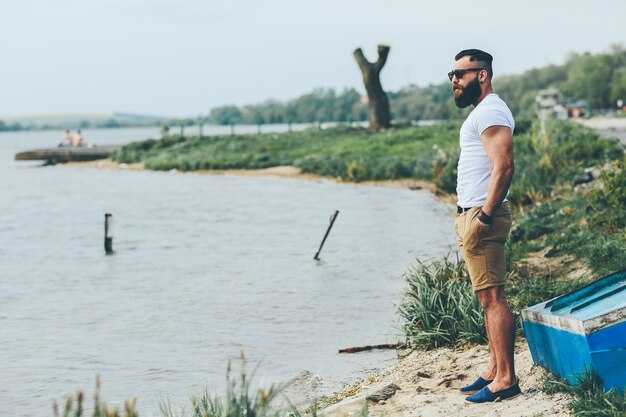 Naples FL Fishing Guide – Inshore & Offshore Tips & Best Spots">

Begin with a precise plan: secure a valid saltwater permit, pick a marina with easy access, and time your launch to the tides. Check NOAA and local forecasts for southwest winds, and structure the day around two targets: a flats-and-shoreline route for nearshore species and a deep-water run for pelagic opportunities. Bring drinks, sunscreen, and a shade shelter to stay comfortable between bites.
In the nearshore zone, flats and shorelines host a varieties of redfish, snook, and speckled trout. Your communication with the crew should be crisp as you cover oyster bars and grass edges. The источник of knowledge here is a blend of marina reports, local guides, and this article, highlighting waterways that support mullet runs and tarpon migrations during seasonal shifts. Target structure with light tackle (12–20 lb) and baits such as shrimp or pinfish. Plan to fish in the early hours and again at dusk for high chances.
For deep-water options beyond the nearshore belt, plan longer trips and consider charter arrangements from Myers Marina. Offshore action centers on pelagics such as king mackerel and mahi-mahi during favorable fronts and warmer water. Use a multi-rod spread and trolling lures; maintain crisp communication with the crew and other vessels via VHF. Open-water pursuits often require adherence to state regulations and permits for protected species; always verify local rules for the season and zone.
Gear and navigation technologies support reliable results: a dependable sonar, a GPS chart-plotter, backup batteries, and properly rigged tackle for multiple presentations. Pre-load maps for the southwest Gulf channels and waterways. Map shorelines, ledges, and grass edges to guide casts; keep a handheld VHF for shore-to-boat communication and safety updates. When conditions tighten, switch to slower, precise drifts and use realistic baits to maximize hit rates.
Article overview of current patterns and access points, drawing on multiple charter crews. It explains how to balance nearshore flats with open-water days, with notes on weather, tides, and celebrations in coastal towns. whats working this season includes live bait on calm mornings and accurate long casts to ledges; consult the источник for local catch patterns and adjust your plan based on conditions.
WELCOME TO SALTY SAM’S MARINA
Book a captained charter through getmyboat for your next coastal outing, and you’ll gain a safe, well-led experience. The marina sits along historic shorelines with protected slips and a clean, efficiently run dock, ideal for both day trips and longer explorations.
For planning, consult tripadvisor for those operator reviews; the statistical trend shows high satisfaction when crews maintain well-kept boats, clear communication, and punctual departures. Typical itineraries run within an hour or two, with options to stay longer if weather and wildlife conditions permit. Beverages are available on many vessels, and you may bring light snacks–exclusively check with the captain about onboard policies.
Onsite you’ll find diverse craft, from nimble skiffs to larger captained vessels; captains follow established safety protocols, provide life jackets, and keep gear ready behind the scenes. If you want to explore tranquil shoreline coves or push farther from the coast for deeper water, tell the captain and they’ll tailor the route. The dock staff keep the yard clean, behind the scenes logistics run smoothly, and a guard presence helps ensure calm conditions for families and groups.
When you make plans, choose the next date with confidence: dawn, late afternoon, or mid-morning departures align with tide windows and light. Those trips offer good opportunities to observe wildlife, marine habitats, and historic landmarks along the coast. After your time on the water, log your experience on tripadvisor and share details that help others plan their own trips for more wonderful and memorable adventures.
Identify Seasonal Bite Windows for Redfish, Snook, and Trout
Target the last two hours of the incoming tide and the first hour of the outgoing tide during springs and autumns to maximize action on redfish, snook, and trout along mangroves and edge-bottom drops. Presentations should stay near the bottom with a slower, steady retrieve; when a school accelerates, switch to a faster cadence. Position your boat in docking lanes for stability and use technologies like side-imaging sonar to confirm bottom structure and where bait concentrates. Ensure your gear and rig are captained for waters across the south and west coasts; rental options expand flexibility and enhance experiences. dont overlook pompano along shallow bars and the keewaydin flats during seasonal shifts. tripadvisor reviews often highlight crews that nail these windows, and a fifth star setup can make the trip smoother.
Redfish windows by seasons: springs and autumns along mangroves and west-facing flats show the most reliable action in 2–6 ft depths near channel edges. The prime bite lands on the last two hours of incoming tides and the first hour of outgoing tides. Bait choices include live shrimp or mullet; rig with a light jig and maintain contact with the bottom. In midsummer, activity tends to shift to dawn and dusk near deeper docks and canal mouths; cover water with a faster cadence to locate moving schools. Pompano frequently frequent shallow bars in spring, so stay alert for opportunities to shift targets if redfish push the bite.
Snook windows start in springs with pre-spawn activity along passes, bridges, and mangrove shorelines; fall yields post-spawn bites in similar zones. Winter fish favour sheltered coves and waters that stay above roughly 60–65F; best action returns at dawn and during night hours in warmer months. Use live bait or soft plastics with a heavier rig to hold current near structure; keewaydin coastlines offer solid options. Must follow local rules and allowed times for nocturnal fishing, and plan accordingly with a captained craft.
Speckled trout show in springs and falls along channel edges and grass flats in about 2–5 ft of water; winter fish lie deeper near channels or around floating structure. Focus on dawn and dusk feeding windows, then switch to bottom-bouncing plastics as light climbs. Topwater lures perform well in low light, transitioning to soft plastics later in the day; work the bottom along shell banks and mangroves to connect with slow-moving trout.
To act on this, map bottom contours with technologies and find pockets where current and structure converge. Start mostly in south and west waters, and keep your crew tight with a captain-led plan. Your rental craft and guiding amenities ensure a smoother experience, and international experiences and tripadvisor reviews reward those who choose well; ensure your plan begins with the spring windows and continues through the fifth star portions of your trip.
Top Inshore Spots Within 20 Minutes of Salty Sam’s Marina
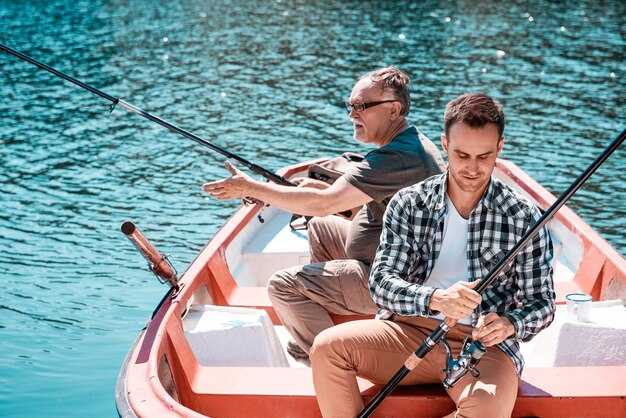
Recommendation: Begin at Honeysuckle Cove at first light for immediate action; access from the southwest channel is straightforward, and the shallow edge is used by a wide line of vessels to chase redfish, snook, and trout. The purpose is to maximize bites during the early hours; cruises should stay within 20 minutes of the marina, which keeps fuel use and wear low. For qualified anglers, the bite can be steady; plan a quick run between this site and nearby locations for a wonderful concentration of action. Hours of peak activity run from dawn through mid-morning; leave the site before the strong afternoon current. Tours and charters operate with consent from harbor authorities; communication with crew remains critical to avoid collisions; a good line of sight and trolling plan will produce consistent action without disturbing wildlife. This approach is definitely made for cruising along the shoreline with a similar plan, providing good action across a southwest-facing shoreline.
Within the 20-minute envelope, nearshore locales offer reliable action across conditions. Similar setups share mud flats and seagrass edges, which concentrate bait and provide ambush points for predatory species. This plan emphasizes access, action-focused tactics, and staying close to the coast to keep the pace efficient and enjoyable for a range of anglers.
| Location | Approx. Reach (min) | Depth (ft) | Specie Target | Ideal Hours | Access/Notes |
|---|---|---|---|---|---|
| Honeysuckle Cove | 8-12 | 6-12 | Snook, Redfish, Seatrout | 7-11 AM | Southwest channel entry; easy entry from godfrey dock; use light tackle; avoid wildlife disturbance |
| Seagrass Flats / Mangrove Edge | 10-15 | 4-8 | Redfish, Seatrout, Tarpon juveniles | 7-11 AM; 3-6 PM | Protected, shallow pockets; anchor gently; reduce seagrass impact; quiet approach |
| Tin City Channel Mouth | 12-18 | 10-15 | Spotted Seatrout, Snook, Lane Snapper | 9 AM-12 PM; 3-6 PM | Tide-driven; watch traffic; versatile for soft plastics and jigs |
| Governor’s Cut Vicinity | 15-20 | 8-14 | Snook, Redfish, Sheepshead | 6-10 AM; 4-7 PM | Longer run; deeper water; access via godfrey dock; mind currents and vessel traffic |
Offshore Gear Setup: Rods, Reels, Lines, and Baits for Naples Deep Sea
Users asked which configuration handles the largest targets; the answer is a 50-80 lb class combo: a fast-action main rod, a high-capacity conventional reel in the 4.0-1 to 4.5-1 range, 200-300 yards of 80 lb braided line, and a 60-100 lb fluorocarbon leader 4-6 ft long. Pair live-bait hooks (5/0-8/0) with 4-6 oz sinkers for steady slow-pulls, and keep a skirted trolling lure ready for speeds around 6-9 knots. This setup covers nearly all trips and keeps options open in several weather windows.
Canne e mulinelli: scegli una canna da traina ad azione rapida, pesante, da 6’6″–7’6″, abbinata a un mulinello tradizionale di classe 50-80 lb, oppure un mulinello da 80 lb ad alta capacità per prede di grandi dimensioni. Imbobina con 200-300 iarde di treccia da 80 lb; collega un terminale in fluorocarbon da 60-100 lb lungo 4-6 piedi. La frizione deve essere testata a 25-30 lb su configurazioni da 80 lb. Per lavori più leggeri, porta con te un'attrezzatura da spinning da 20-40 lb con un terminale da 30-60 lb. Le opzioni di marca includono Penn, Shimano, Daiwa e Avet; ruota varie marche per testarne la durata. I mulinelli devono rimanere fluidi a velocità di traina di circa 6-9 nodi; assicurati che le tue lenze scorrano pulite e senza torsioni.
Filo e nodi: treccia principale 50-80 lb, leader fluorocarbon 60-100 lb, 1,2-1,8 m. Per prede più consistenti come cernie di grandi dimensioni o ricciole, passare a un leader da 100-130 lb. Utilizzare connessioni resistenti come nodo FG o double-uni. Le opzioni di armatura per il fondo includono un piombo da 170 a 340 grammi per il contatto con il fondo, mentre gli spalmamenti a traina utilizzano esche affondanti o esche con gonna. Il posizionamento vicino a un canale di banchi di sabbia aumenta la presentazione dell'esca e prende di mira specie più grandi.
Esche e tattiche: le esche vive includono ghiozzetti pinna, pilchard, ombrine e strisce di calamaro; le esche tagliate come il cefalo e il tonnetto alletterato funzionano per i bersagli sul fondo. Utilizzare ami circolari 5/0–8/0 per le esche vive; pesi da fondo da 6 a 8 once per i rig vicino alle strutture. Nelle finestre primaverili ed estive, le abboccate del mattino presto o del tardo pomeriggio intorno alla barra di sabbia possono intensificarsi; tenete un refrigeratore di bevande con bevande per l'equipaggio. Il porto turistico di Keewaydin funge da punto di partenza comune; conoscere i suoi orari aiuta a pianificare carburante e provviste. La fonte di queste raccomandazioni è la sperimentazione sul campo da parte degli equipaggi in quasi ogni viaggio; adattano le impostazioni alle condizioni e alle specie che si stanno inseguendo.
Maree, Luce e Meteo: Strategie "Time-of-Day" per la Zona Costiera di Napoli
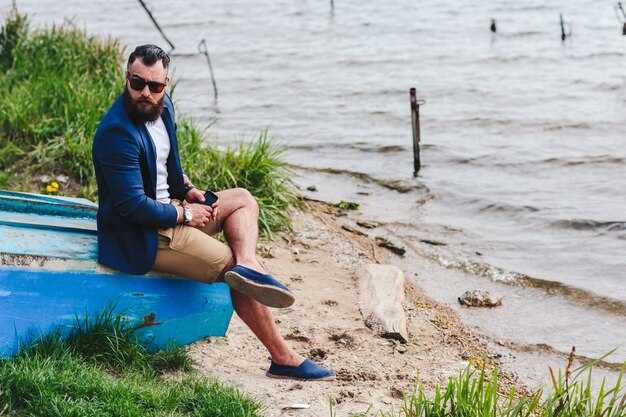
Iniziate alle prime luci dell'alba lungo i canali e le discese sul lungomare, ancorate un'imbarcazione di 7 metri al limite e spingete le esche verso il fondo dove la corrente forma delle corsie di alimentazione. Utilizzate esche artificiali che imitano i gamberetti o piccoli cucchiaini e mantenete la barca vicino alla struttura in modo che l'acqua rimanga limpida per i bambini a bordo. I pescatori che di solito seguono questo piano vedono risposte da leccia stella e altri obiettivi che abboccano sul fondo entro 15-30 minuti.
A metà mattina, l'angolazione del sole rivela i percorsi di alimentazione lungo le rive delle mangrovie e i fronti delle isole. Percorri le sponde rivolte a sud dove l'acqua si riscalda prima; passa a plug a bassa profondità o plastiche morbide a 60-120 cm dal fondo, adattandoti alla velocità della corrente. In acque limpide, le tonalità naturali eccellono; in acque torbide, scegli colori chartreuse o ad alto contrasto per attirare i morsi.
Nel pomeriggio e verso sera, sposta l'attenzione verso gli oyster bar e le secche sommerse vicino al lungomare; traina lentamente piccoli cucchiaini o lavora con gamberi vivi lungo i drop-off quando la luce è soffusa. Pompano, carangidi e snook possono abboccare al calare del giorno; usa attrezzature leggere e tieni i mulinelli pronti per una risposta rapida.
La scelta dell'attrezzatura è importante: i pontoon e i center console da 24 piedi stabilizzano il lancio da una piattaforma stabile, rendendo più facile per le famiglie di utenti goderselo senza affaticamento. I loro figli possono imparare a fare nodi e a lavorare con le esche in acque calme, mentre l'emozione arriva con un abboccata decisa vicino ai piloni di un ponte o a branchi di pesci.
Per estendere il piano, collega il mondo di Julian con le offerte di Boca: Julian elenca i punti di accesso al lungomare, le isole e i percorsi nelle acque interne; la rete unica offre acqua a perdita d'occhio e una giornata vincente con il pompano e altra fauna marina. Vuoi una mappa veloce? Usa il link e traccia un percorso attraverso le acque del sud dove le secche poco profonde trattengono i pesci vicino alle isole.
Marina Salty Sam's: Rampe di lancio, banchine e charter
Prenota oggi stesso un charter mattutino di quattro ore. Accesso agevole, rampe facili da usare e noleggi flessibili permettono alla tua famiglia di iniziare l'esplorazione in pochi minuti: prenota tramite il sito web ufficiale o tramite TripAdvisor per bloccare orari e tipo di imbarcazione.
- Rampe: due approcci in cemento lisci e ampi con personale in loco durante le ore di punta; accesso migliore con la media marea e venti leggeri mattutini.
- Moli e scali: pontili galleggianti a dito lungo un bacino protetto; scali dimensionati per imbarcazioni bowrider fino a console centrali di medie e grandi dimensioni; acqua e corrente elettrica disponibili in scali selezionati; guardia di sicurezza in loco.
- Noleggio imbarcazioni: dai bowrider ideali per giornate informali ai center console più grandi per crociere più lunghe; le preferenze della famiglia Myers si orientano verso imbarcazioni di media-alta capacità per esplorazioni costiere e gite in famiglia.
- Offerte charter: viaggi guidati da capitani esperti fin dal mattino presto; scegliete un percorso vicino alla costa per esplorare chilometri di litorale oppure pianificate un itinerario più lungo verso i punti di riferimento della regione; la disponibilità odierna può essere verificata sul sito web o su TripAdvisor.
- Vita marina e rotte: aspettati che i delfini accompagnino la corsa; prendi di mira specie di fondo come la cernia vicino alle sporgenze; monitora le carte nautiche locali per rimanere su strutture di fondo produttive; rispetta le norme marittime e le linee guida sulla sicurezza fornite al molo.
- Note pratiche: inizia alla rampa con una checklist preparata, porta con te crema solare, cappelli e acqua; una guardia può assisterti con il parcheggio del veicolo e del rimorchio; pianifica di visitare Keewaydin e le zone di acque calme storiche.
- Prenotazioni e prezzi: le tariffe variano in base alla classe dell'imbarcazione e alla stagione; le prenotazioni fanno risparmiare tempo; i noleggi includono giubbotti di salvataggio e dotazioni di sicurezza di base; potrebbero essere applicati costi per carburante e tasse portuali.
Migliaia di persone si sono affidate a Salty Sam's per avventure all'alba lungo chilometri di costa e nelle acque vicine. Questo porticciolo ha ospitato e continua ad ospitare migliaia di gite in famiglia. Per conoscere la disponibilità attuale, consulta il sito web ufficiale e le inserzioni di TripAdvisor e leggi cosa hanno da dire la famiglia Myers e altri naviganti sulle loro esperienze.