


 Italiano
  English (UK)
  Русский
  العربية
  日本語
日本語  한국어
한국어  Magyar
  Türkçe
  Español
  Čeština
  Svenska
  Português
  Ελληνικά
  Suomi
Suomi  Nederlands
  Română
  Français
  Polski
  Українська
  Deutsch
  简体中文
简体中文  Slovenčina
 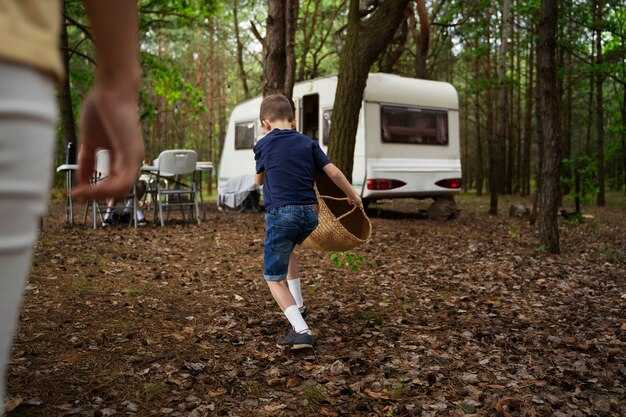 Lake Perris State Recreation Area RV Campground Guide – Tips, Amenities, and Best RV Sites">

Book a water-front RV site on the right fork for your Lake Perris visit. During your stay, you’ll enjoy quick access to the marina, a smooth path to the boat ramp, and sunset views from your camp chair. Welcome to a setup that keeps you close to the action, while preserving shade and privacy.
Site range and layout: The campground offers a range of sites with pull-through and back-in options, most within 25–60 feet deep, many with electric hookups (20, 30, or 50 amps) and potable water, plus a central dump station. These layouts balance privacy and access, letting you extend chairs outside and unwind after a day on the lake.
Booking tips and daily rhythm: Reserve several weeks ahead in peak season. Check wind forecasts and sun exposure for your chosen site, especially in the afternoon. Those planning longer stays should map quiet hours and space for slide-outs, with guiding tips to balance sun and shade. If you need more space, consider larger back-in sites near the central facilities. On arrival, walk the loop to locate restrooms, potable water spigots, and the nearest dump station.
Wildlife and safety: Expect pintails and pelicans along the shoreline; watch boats and wake from shore. Snakes are common around the margins–step carefully near rocks and creek banks. Outside the campground loops, gopher holes and ruts can surprise feet; wear sturdy shoes and keep kids close. The loggerhead note in field guides reminds hikers to respect wildlife and keep a safe distance.
Amenities and access: Restrooms and hot showers are distributed through the grounds, with potable water nearby. A small store for basics, boat rentals, and shaded picnic areas are spread along the lakefront; throughout the area, you’ll find docks, boat ramps, and short trails leading to overlooks. Resorts nearby offer additional dining and lodging options if you want a fuller experience without leaving the lake region. In this setting, you can meet visitors from around the world while enjoying the lake environment.
Best RV sites by activity: For families and first-time campers, choose sites within easy walking distance to the marina and playgrounds, with decent shade and level pads. If you need more space, look for longer back-in sites near the central facilities; for quiet evenings, pick a site away from the main road but close to restroom blocks. Visit the right combo of sun and shade throughout your stay, and you’ll maximize your enjoyment.
Final note: This guide helps you plan a smooth trip during any season; you’ll benefit from early booking and a simple packing list. Welcome those exploring the Lake Perris area to enjoying water activities, nearby resorts, and scenic overlooks.
Lake Perris State Recreation Area RV Campground Guide
Choose a waterfront RV site for direct boating access this summertime; it offers ideal convenience for water lovers and keeps your days flexible.
Look for a site with a hookup to simplify stays, and reserve in advance through ReserveCalifornia or the park office. These selections provide amazing comfort, with shade from mature trees and space that accommodates your rig of various sizes, providing a smooth setup for most RVs.
Loops near the lake give quick entry to the water for boating, fishing, and swimming. Trails wind through the hills, with routes suitable for hikers and for horseback riders. Your family can enjoy unforgettable sunsets, white sands by the shore, and lots of wildlife activity in surrounding areas.
Wildlife sightings enrich each day: hawks wheel overhead, pintails and willets patrol the shoreline, sparrows dart through brush, and snakes may appear along trail edges. Stay on marked paths, wear sturdy footwear, and keep pets leashed where required.
For convenience, plan these needs: a site with a hookup, ample shade, and easy access to restrooms and potable water. The lake setting makes it easy to launch a boat or paddleboard from your site. Summertime crowds are common, so secure a stay early and confirm your dates before arriving.
| Tipo di sito | Hookup | Max Length | Shade | Surrounding Facilities | Note |
|---|---|---|---|---|---|
| Waterfront Loop | Hookup | Medium–Large | Strong | Lake access, ramp | Best for boating and sunsets; watch for habitat birds including pintails and willets |
| Tree-Shaded Loop | Electrical | Medium | Good | Restrooms in the area | Quiet nights; suitable for families with kids |
| Dry Camping | None | Varies | Light | Trail network, hills | Great for climbers; bring extra water and plan for sun exposure |
Site Layout and Loop Orientation: small rigs vs long rigs and shade options
Book a shaded loop with a generous pad length: for small rigs, target sites with 25–40 feet of pad depth and a canopy within 10–15 feet; for long rigs, choose the second row or a wide-pad site with 50–60 feet of clearance and a straight approach. A full shade cover makes setup faster, keeps equipment cooler, and keeps you happy after trips around the lake.
Which orientation works best depends on the sun path. East–west layouts tend to keep afternoon heat off targeted rigs, while north–south arrangements can offer even shade through different parts of the day. Regardless of the choice, prioritize shaded spots whenever possible and look for clear space between vehicles to allow easy turning for longer rigs on the second or third pad.
Shade options vary by loop: some spots are fully shaded under mature mountain trees, while others provide shade only part of the day. If you’re planning trips to beaches or nearby overlooks, seek those with dependable coverage so you can arrange chairs and grills without chasing sun angles.
Site length, access, and dump facilities drive practical decisions. Long vehicles benefit from second-row sites with the widest pads and direct drive lanes; short rigs can take advantage of loops near the station for faster access to the dump and water fills, while keeping plenty of shade over the pad. Passes and quick check-in lines are often smoother in these areas, making the arrival feel welcome rather than rushed.
Nearby layout considerations help you plan efficiently: found spots within walking distance to beaches and the station save miles of extra driving during the day, and you’ll still encounter comfortable shade in the heat. If you’m seeking quiet, avoid the busier access roads; look for spots tucked in the back areas where the traffic is lighter, yet still close enough to the main amenities for convenience.
Wildlife and terrain add texture to your stay: lizards sun themselves on rock ledges near the mountain edges, and older trees provide shelter on hot afternoons. Where these factors are present, choose a site that balances shade with level ground and a stable pad to keep feet and wheels steady during setup and teardown. If shade is scarce elsewhere, a nearby shaded spot found in the second loop can be a quiet anchor for your happy family trips and a truly unforgettable campground experience. Regardless of your rig length, aim for shaded, accessible spots that minimize heat and maximize comfort–your lake days will feel welcome from first light to whitewater-drenched sunsets.
Electrical, Water, and Waste Details: 30/50-amp hookups, potable water, dump stations
Choose a 50-amp site if your RV uses air conditioning or a multi-zone fridge; otherwise, a 30-amp site is perfect for most rigs. The campground offers full hookups at select sites, with 30- or 50-amp service, plus potable water and a dump station in comfortable reach. Plan for March warmth or cool nights by reserving a site that matches your needs; staff can guide you to options near the water and beaches that suit your schedule and wants.
Electrical details: Pedestals provide 30- or 50-amp service and standard 120V outlets. Bring a quality surge protector and use a correctly rated cord length (25–50 ft) to reach your pedestal without strain. If your rig requires 50 amp, pick a 50A site; if only 30A is available, you can run essential appliances by staggering use. Never daisy-chain cords or use undersized adapters; this keeps your equipment safe and reduces wildlife disturbance from loose cords in the outdoors, where bobcats and gopher activity are not uncommon.
Potable water: Water spigots are located at or near every hookup with additional fill stations by the office. Flush lines briefly before connecting to clear sediment, and use a backflow preventer and regulator to protect your water system. Expect pressure in the typical range of 40–60 psi; if pressure is low, start early in the day to fill and avoid peak heat hours.
Dump stations: The dump station is near the campground entrance, clearly marked and self-serve. Use your own hoses with a backflow preventer, and follow posted instructions for disposing of gray and black water. Hours and fees vary by season, so check the kiosk on arrival. If you’re staying with watercraft or planning day trips during your visit, secure hoses and connections to prevent wildlife from nibbling and to keep the area tidy for nearby hikers and pintails or eagles that frequent the lake shore.
Practical considerations: If you’re coming from the west or beyond angeles, bring a sturdy power cord and a long water hose to reach pedestals that aren’t in the first row. Carry extra adapters and a spare regulator to cover needs during cold snaps or busy weekends. For passes, check whether an America the Beautiful pass or a local day pass is required. This guide aims to provide full, actionable details so your stay is happy, unforgettable, and hassle-free–whether you’re relaxing near beaches, exploring the wilderness, or enjoying mountain views during your Lake Perris visit.
Facilities and Services: Restrooms, showers, laundry, waste disposal, and accessibility
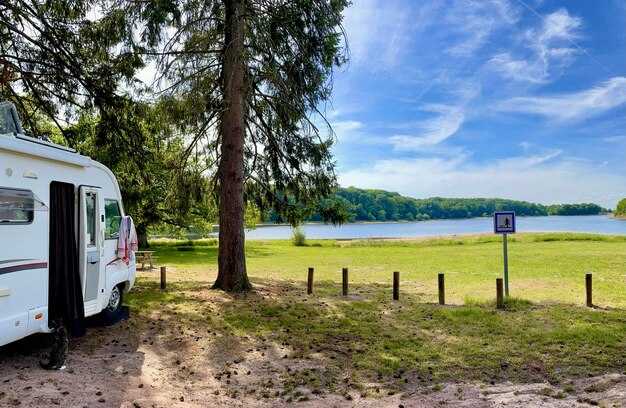
Book a site within easy reach of the main bathhouse to minimize walks after picnicking or adventures along the lake. This simple pick makes every day more comfortable and sets you up to continue your activities without unnecessary breaks in the middle of a summer afternoon.
- Restrooms: Located in the central loops and at key access points, restrooms feature flush toilets and clean surfaces. Expect ADA-accessible stalls on most blocks, with clear signs and posted hours. Keep a small bottle of hand sanitizer in your gear for quick touch-ups after outdoor tasks outside the restroom areas.
- Showers: Showers are coin-operated and available in the campground areas with multiple stalls per block. Bring spare coins or a portable solution if you plan longer stays; lines are common during summertime peaks. A brief rinse can make a big difference after a day of hiking or boating, helping you stay comfortable through your adventures.
- Laundry: The central laundry building offers coin-operated machines and a seating area. Expect at least two washers and two dryers serving the RV community, with detergent vending nearby. Plan a quick laundry run during cooler parts of the day to avoid busy times and keep your wardrobe ready for outdoor play.
- Waste disposal: Use the designated dump station near the park entrance or campground area for black and gray water disposal. Separate trash and recycling bins are placed throughout the campground; use them consistently and keep waste contained to prevent wildlife prompts. When full, bag and remove household trash to avoid overflows that can affect every campsite nearby.
- Accessibilità: Parcheggio accessibile designato, rampe per i bagni e percorsi chiaramente segnalati aiutano gli ospiti con problemi di mobilità. Se hai bisogno di una specifica disposizione del sito, indica le esigenze di accessibilità al momento della prenotazione e il personale ti guiderà verso le opzioni adatte. Una segnaletica chiara e la disponibilità del personale assicurano un'esperienza più agevole per tutti i visitatori, indipendentemente dalle loro capacità.
Oltre ai servizi principali, considera consigli pratici per migliorare il tuo soggiorno: scegli un posto vicino allo stabilimento balneare per comodità, usa i segnali bianchi che indicano i servizi e pianifica lavanderia e docce durante le mattine più fresche o le tarde serate. Se ti stai preparando per divertirti in acqua, chi ti guida al porticciolo e agli scivoli per barche apprezzerà una rapida sosta al WC prima della partenza. Chi pianifica picnic o pasti all'aperto dovrebbe avere a portata di mano un piccolo kit di pulizia per raccogliere le fuoriuscite e mantenere il sito in ordine. Questo campeggio, nato in America, offre un'organizzazione molto accessibile per famiglie e viaggiatori singoli, facendo sentire ogni soggiorno come un perfetto equilibrio tra comfort ed esperienze nella natura selvaggia.
Scelte migliori per piazzole RV in base alle preferenze: vista lago, vicino all'entrata, passante e ombreggiatura
Prenota lo spazio pull-through con vista lago vicino all'entrata ovest per un equilibrio tra panorama, accesso alle imbarcazioni e manovrabilità agevole; ti permette di tenere i veicoli pronti per le gite in kayak e le visite alle aree picnic senza lunghe camminate.
-
Scelte con vista lago
- Postazione LV-01 – Lunga 12,8 metri con vista diretta sul lago, a 18 metri dal varo delle imbarcazioni e due pini maturi che forniscono ombra costante nel pomeriggio. Una breve passeggiata di 400 metri all'area picnic semplifica i pasti; scarico e lavanderia sono raggiungibili con una rapida passeggiata di 480 metri. Le tariffe estive accessibili rendono questa postazione un ottimo affare per le famiglie che amano barche e kayak.
- Sito LV-04 – 14,6 m di lunghezza, ampia vista sul lago e una sporgenza rocciosa che crea una brezza naturale. Facile accesso per natanti e kayak, con un angolo ombreggiato in tarda mattinata. Vicino ai bagni e alla lavanderia vicino all'ufficio del campeggio; ideale se hai intenzione di esplorare la costa e rimanere al fresco durante il caldo.
-
Scelte vicino all'entrata
- Postazione EN-2 – Lunghezza 8,5 m, situata appena dentro il cancello principale per arrivi e partenze rapidi. Piazzola livellata, facile manovra in retromarcia e vicina al negozio e alla stazione di scarico; l'ombra è moderata e migliora in serata grazie alle vicine alberature. Ottima se volete arrivare nel tardo pomeriggio e semplificare i vostri piani serali.
- Posto EN-5 – 9–10,5 m, più vicino al parcheggio e ai servizi igienici ad uso diurno, con un percorso diretto alla strada di accesso. Mantiene il traffico al minimo per bambini e animali domestici, pur offrendo un rapido accesso ai tavoli da picnic e alle rampe per natanti a pochi passi di distanza.
-
Plettri pull-through
- Piazzola PT-9 – Lunghezza 18 metri, layout drive-through per entrare e uscire senza retromarcia. Ottima per veicoli di grandi dimensioni e rimorchi; vicino al circuito principale per un facile accesso alla stazione di scarico e alla lavanderia senza dover guidare troppo. Ideale per famiglie che si preparano per un fine settimana in acqua.
- Piazzola PT-12 – 21 metri, la più lunga passante della zona, con ampio spazio tra le piazzole. Mantiene i vostri veicoli e le vostre imbarcazioni fuori dalle curve strette, pur rimanendo a pochi passi dall'area picnic e dallo scalo di alaggio. Offerte speciali estive compaiono spesso qui, rendendola accessibile per soggiorni di più notti.
-
Scelta tonalità
- Postazione SH-7 – 15 metri, fitta chioma di pini e querce, che offre ombra fitta durante le ore più calde. Vicino a affioramenti rocciosi che rimangono freschi e offrono uno sfondo scenico per cene e conversazioni serali. Breve tragitto a piedi per i bagni e sentiero rapido per il varo di natanti per pagaiate al tramonto.
- Piazzola SH-11 – 13 m, uniformemente distanziata con ampia copertura d'ombra, mantenendo le temperature confortevoli durante l'estate e rendendo meno faticose le visite alla lavanderia. Tavoli da picnic nascosti sotto i rami offrono un luogo tranquillo per mangiare e osservare gli uccelli, con allodole e piccoli roditori a meno di una passeggiata vicino alla parete rocciosa.
Che preferiate la vista sul lago, la vicinanza all'ingresso, la comodità del drive-through o una zona ben ombreggiata, queste opzioni sono in linea con le esigenze delle famiglie, tariffe accessibili e facile accesso a natanti e servizi dei campeggi. Se amate esplorare con kayak o barche, questi siti offrono collegamenti rapidi a rampe, sentieri ben tenuti e accesso affidabile alle stazioni di scarico e lavanderia per un soggiorno estivo senza intoppi.
Prenotazioni, Regole e Pianificazione Stagionale: Prenotazioni, tariffe, orari di check-in e consigli per l'alta stagione
Prenota almeno tre mesi prima per i fine settimana estivi, così da assicurarti piazzole RV ombreggiate vicino all'acqua. La State Recreation Area di Lake Perris utilizza un sistema di prenotazioni online e il campeggio comprende cinque aree con diverse distanze dall'acqua e dai sentieri. Mettiti in conto una piccola commissione di prenotazione e la possibilità di acquistare pass che coprono l'ingresso e l'accesso al veicolo; se hai in programma più viaggi, valuta l'acquisto di un pass annuale, che semplifica l'entrata e l'uscita.
Le prenotazioni vengono gestite online tramite ReserveCalifornia, e puoi scegliere piazzole passanti o in retromarcia nelle aree che si adattano alle tue capacità ed esigenze. Le tariffe variano in base al tipo di piazzola e alla stagione; si applicano le normali tariffe notturne per camper e tende, più una commissione di elaborazione per prenotazione. All'ingresso potrebbe essere necessario un pass per il veicolo, disponibile sia in anticipo che in loco. terri, il contatto del personale del parco, può aiutarti a scegliere l'area ideale per il tuo gruppo, comprese le zone ombreggiate vicino all'acqua e quelle con sentieri di accesso più facili; che non sono ideali per veicoli di grandi dimensioni, quindi pianifica di conseguenza.
Il check-in è generalmente consentito dalle 13:00 alle 15:00 e il check-out deve essere effettuato entro le 11:00; l'orario può variare a seconda del sito, pertanto si prega di verificare sulla conferma. L'orario di silenzio è in vigore dalle 22:00 alle 7:00 e l'uso dei generatori è limitato salvo autorizzazione della direzione. I campeggiatori devono rispettare le regole affisse, tenere gli animali al guinzaglio e rispettare la fauna selvatica lungo l'acqua e nelle zone selvagge, dove sono stati avvistati cigni, codoni, passeri e allodole. Durante il soggiorno, fate attenzione a lucertole e altra piccola fauna selvatica; evitate di nutrirli e assicuratevi che il cibo sia sempre al sicuro. Indipendentemente dal vostro ritmo, rispettate le regole affisse e campeggiate in sicurezza.
Pianificazione per l'alta stagione: prenota viaggi infrasettimanali per una migliore disponibilità e tariffe più basse; i fine settimana estivi si riempiono rapidamente, quindi tieni a mente delle date di riserva. In alta stagione, cinque aree possono riempirsi rapidamente, quindi considera opzioni ombreggiate sulle colline che offrono brezza e sollievo dall'esposizione al sole. Per attività acquatiche come il kayak, controlla le condizioni del lago e le previsioni del vento; pianifica i viaggi quando il vento è calmo e l'acqua invitante. Se il tuo piano include la pesca, rivedi le normative vigenti e le aperture stagionali; preparati per i tipi di pesce che potresti incontrare e rimani al sicuro dal traffico di imbarcazioni. Le opportunità di osservazione della fauna selvatica includono l'avvistamento di cigni, codoni e allodole all'alba o al tramonto; porta con te un binocolo e osserva da una distanza rispettosa.
La pianificazione annuale funziona qui: i mesi freddi vedono meno visitatori ma molti sentieri rimangono aperti, mentre durante l'estate servizi ed eventi sono in pieno svolgimento. Terri può condividere consigli validi tutto l'anno e ricordarti eventuali cambiamenti di orari o regole. Per le famiglie, i luoghi ideali sono ombreggiati, vicino ai bagni e a breve distanza dall'acqua; individua le tue esigenze e prenota di conseguenza. Quando prepari le valigie, porta con te pass, acqua, crema solare e vestiti a strati per stare comodo indipendentemente dal tempo e approfitta del lago e dei sentieri per esplorare la natura selvaggia senza fretta tra colline e insenature. Durante i mesi più freddi, le tariffe potrebbero diminuire e alcuni servizi ridursi, mentre i sentieri rimangono accessibili per gite di un giorno o brevi escursioni.