


 Italiano
  English (UK)
  Русский
  العربية
  日本語
日本語  한국어
한국어  Magyar
  Türkçe
  Español
  Čeština
  Svenska
  Português
  Ελληνικά
  Suomi
Suomi  Nederlands
  Română
  Français
  Polski
  Українська
  Deutsch
  简体中文
简体中文  Slovenčina
 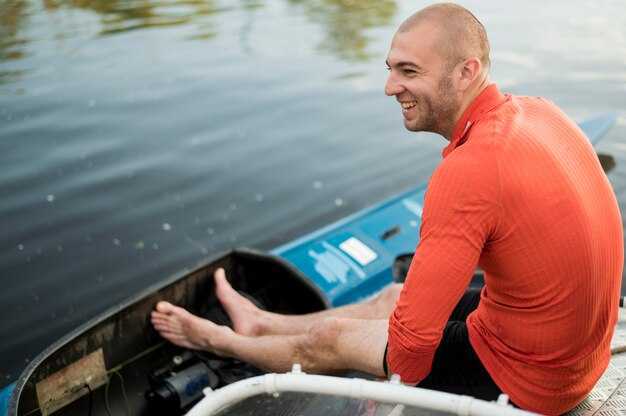 How to Drive a Sea-Doo Personal Watercraft – A Beginner’s Guide to Safe, Confident Riding">

Put on a properly fitted life jacket and attach the safety lanyard before you approach the water’s edge. After you confirm gear and fuel, run a quick check of the handlebar and throttle, then start with a shallow, coastal cruise at idle to establish balance and control.
Stand with knees flexed, feet shoulder-width apart, and your weight firmly centered over the watercraft; grip the handlebar firmly with thumbs around and elbows relaxed. Maintain a standing posture as you practice coasting at low speed, scanning for other operators and waves along the shoreline. A balanced stance helps you maintain control.
Engage in courses led by qualified operators to learn braking, turning, and throttle discipline. After each session, focus on added precision in your movements and stay within options that match your skill level. Avoid jumping or abrupt maneuvers until you feel balance and control.
Keep sessions brief and progressive: becoming proficient requires multiple repeats on different models of watercraft to feel how weight and trim respond. Check for damage after every outing, and note any added resistance or steering drift to guide your next practice.
In coastal conditions, maintain a steady cruise pace and avoid dangerous shifts in weight; stay standing or seated as trained, maintain a generous distance from other vessels, and watch salt spray. If youre not sure about condition changes, reassess and, if needed, return to shore to continue practicing in controlled areas.
Sea-Doo Personal Watercraft: Beginner’s Guide
Start with a quick safety check: inspect the hull for damage, verify fuel level, and test the startstop switch to ensure reliable power on and off. Position yourself for a stable stance and identify a clear exit path on the shore, away from traffic.
Wear a well-fitted life jacket, add neoprene gloves, and choosing a wetsuit or neoprene jacket for warmth. Wearing jackets helps floatation and keeps gear in place.
Basics of handling: sit upright, place feet in the foot wells, knees slightly bent, and hands on the handlebars. Hold firmly and keep head up, eyes forward, to scan the surroundings when you begin. When turning, shift weight smoothly to maintain balance.
Awareness and navigation: be aware of surroundings, other crafts, swimmers, and water skis. Navigation decisions should consider where to turn and how to maintain a proper distance from docks and shorelines. When approaching others, slow down and give space.
Best practices and confidence: there are ways to practice at a steady pace in calm water to build confidence. Example drills include straight-line runs, controlled turns, and smooth deceleration. Additionally, focus on intelligent body positioning–shift your weight when you lean, keep your chest open, and avoid sudden moves.
Careful timing and gear checks: when you accelerate, set a comfortable throttle grip with hands; the driver is the person steering. Ensure you wear gloves and keep your feet in contact with the hull. Inspect the safety lanyard connection and verify that the drain plug is secured.
Care and maintenance: rinse after use with fresh water, dry thoroughly, and store away from direct sun. For protection, keep neoprene gear handy, along with spare jackets. Use great habits like inspecting before each session and monitoring wear to extend durability, and you’ll feel a great sense of control.
Pre-ride safety gear and pre-checks
Put on a USCG-approved life jacket and attach the lanyard to your wrist before ignition. The following checks ensure basic safety and better handling today.
Dress for the marine environment with a fitted neoprene layer, gloves, and water shoes to protect skin and improve grip on the handlebar. If the water is cold, add a full wetsuit and booties. This equipment helps you stay comfortable during a glide and docking maneuvers.
Before starting, perform a brief systems check: engine oil level, fuel level, battery charge, and that all warning lights clear. Confirm the steering and throttle systems respond smoothly. Secure safety gear and test the lanyard by pulling it to simulate a fall; the engine should shut off promptly. These steps really support performance and line control during turning and coasting.
Make a communication plan with a passenger or buddy: agree on hand signals for turning, speed, and stopping. Inspect the deck for objects in the water: fishing lines, plastic, or other debris. Travel at a cautious, coasting pace in a marina environment; keep clear of docks and other vessels. Many marinas require extra attention near docking areas. The following cueing helps you feel confident when approaching a docking area, and be ready to slow down after a turn.
Rentals often come with a basic safety briefing; insist on a brief session and a low-throttle, supervised test run today. Ensure the rental is in good mechanical condition and that the staff records the pre-ride checks. Start in shallow water near a marina, build familiarity with the handling and line, then progress to open water once you feel the craft’s performance and confidence grow. This approach minimizes risk and helps you accelerate your skill progression.
| Item | Purpose | Come verificare |
|---|---|---|
| Life jacket (PFD) | Buoyancy and visibility | Snug fit, zipper closed, fasten the strap |
| Lanyard / Kill switch | Engine cut-off on fall | Attach to wrist; pull gently to confirm engine stops |
| Neoprene gloves | Grip and warmth | Check seams; ensure dexterity |
| Neoprene suit / layer | Thermal protection; abrasion resistance | Fit snug; no loose sleeves |
| Water shoes | Foot protection and traction | Non-slip sole; secure around ankle |
| Helmet (optional) | Head protection | Misura corretta; cinturino sicuro |
| Eye protection | Riduzione del riverbero | Occhiali o da sole che rimangono in posizione |
| Dispositivo di comunicazione | Aggiornamenti meteo e allerte di pericolo | Custodia impermeabile; batteria testata |
| Livello carburante | Pianificazione dell'assortimento | Mantieni il livello del carburante sopra 1/4 del serbatoio per il primo utilizzo |
| Livello dell'olio | Protezione del motore | Livello dell'astina di livello corretto |
| Tappo di scafo e scarico | Prevenzione dell'assunzione di acqua | Spina inserita; nessuna crepa |
| Acceleratore e sterzo | Verifica della risposta | Minimo, stringere l'acceleratore, girare il manubrio; ritornare al centro |
| Spie luminose e indicatori | Rilevamento precoce dei guasti | Accensione; conferma che tutti gli allarmi siano spenti |
Procedure di montaggio, avviamento e riscaldamento
Inizia in modo sicuro indossando una muta e delle giacche, assicurando il cordino di sicurezza al polso e lasciando spazio intorno a te. Esegui un rapido controllo di carburante, batteria e integrità del cordino per prevenire sorprese dopo aver lasciato la riva.
Dal lato sinistro, salire posizionando il piede anteriore sul gradino antiscivolo, quindi far passare l'altra gamba sopra tenendo una presa leggera sulla maniglia. Stare in piedi, sporgersi leggermente verso l'imbarcazione per bilanciarsi e sistemarsi sul sedile con i fianchi centrati per ridurre l'oscillazione nelle prime mosse.
Collega il cordino all'interruttore di emergenza e verifica che la marcia sia in folle con l'acceleratore chiuso. Se il sistema lo richiede, inserisci l'accensione o premi il pulsante di avvio; se non succede nulla, spegni e ricontrolla i collegamenti prima di provare a muoverti.
Riscaldati con movimenti lenti e controllati in un'area tranquilla: sterzate, virate e arresti a bassa velocità; tieni il viso in avanti e gli occhi sul percorso, e dosa l'acceleratore invece di una presa improvvisa. Fare una breve pausa tra le manovre ti aiuta a rimanere centrato, soprattutto quando ci sono molte imbarcazioni nelle vicinanze.
Prima di iniziare il movimento, eseguire i controlli: assicurarsi di indossare le giacche, che lo spazio sia libero, che il cordino sia collegato e che gli indicatori mostrino il normale stato di inattività. Testare brevemente il minimo in modo da poter passare al movimento in avanti senza strattonare i comandi.
L'assistenza legale è importante: in Florida, molti operatori devono completare corsi approvati e avere a bordo i PFD; rispettare i limiti indicati e le normative locali. Se possibile, pianifica un breve tour per esplorare i canali vicini mentre la luce del giorno e le condizioni favorevoli sono dalla tua parte.
In caso di sbilanciamento, spegnere con il telecomando e fermarsi gradualmente; ristabilire l'equilibrio, controllare l'equipaggiamento e l'ambiente circostante, quindi riprendere quando ci si sente a proprio agio. Si sconsiglia di saltare o sollevare la prua durante il riscaldamento e rimanere in uno spazio delimitato in una zona dedicata alle imbarcazioni aiuta a mantenere la sicurezza.
Quando sei pronto per procedere, fai un ultimo controllo e parti lentamente, restando nel campo visivo e nei limiti legali. Ricorda che puoi fare affidamento su una pratica costante per sviluppare un facile controllo su sterzo, selezione delle marce e acceleratore, formando una solida base per le future attività nei tour e nei corsi d'acqua della Florida.
Controllo dell'acceleratore, accelerazione fluida e basi dello sterzo
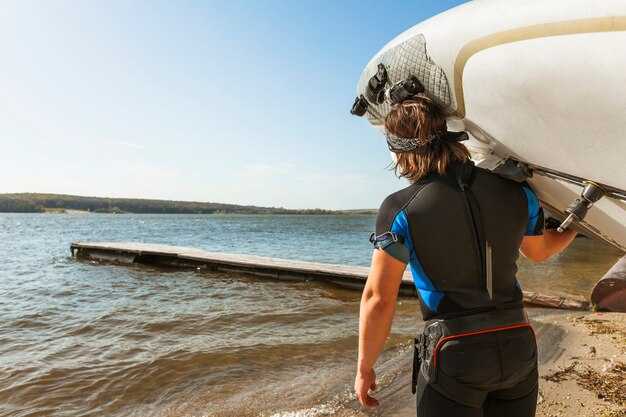
Inizia con un controllo accurato dell'acceleratore: passa dal minimo a 10-15% in 2 secondi, quindi stabilizzati in una planata fluida. Questo minimizza i picchi di adrenalina e aiuta il pilota a mantenere un flusso costante oggi. Se ti dimentichi questo passaggio, ripristina tornando al minimo e ricominciando con entrambe le mani sulle manopole.
Aziona la manetta con entrambe le mani, mantieni i polsi dritti e utilizza piccoli input con incrementi del 5–10%, fino a raggiungere il 25–30% dell'acceleratore. Mantieni brevemente, quindi rilassa per mantenere un sollevamento in planata pulito. Questo approccio produce un'accelerazione prevedibile e riduce la probabilità di brusche immersioni o impennate.
Posiziona il corpo per l'equilibrio: stai in piedi con le ginocchia piegate, i piedi sulla tavola vicino alle tacchette, i fianchi rivolti in avanti. Inclina la parte superiore del corpo nella curva invece di ruotare i polsi; sterza con tutto il busto per evitare di sterzare troppo. Polsi calmi e uno sguardo fisso ti aiutano a osservare la scia e a mantenere il controllo mentre scivoli.
Sicurezza e consapevolezza: mantieni il motore entro il suo intervallo di giri confortevole e fai attenzione a nuotatori, sciatori e altre imbarcazioni. Mantieni un flusso sicuro, lascia ampio spazio per le imbarcazioni più lente o ferme e non superare mai a tutta velocità nelle zone affollate. Ricorda: le tue mani sulle manopole e una posizione centrata sono importanti per manovre prevedibili.
Linee guida dell'agenzia e noleggi: quando si utilizza un modello a noleggio o un'unità più vecchia, è necessario seguire le istruzioni aggiuntive dei proprietari. Poni domande durante l'orientamento, verifica la procedura di montaggio e conferma la risposta dell'acceleratore prima di avventurarti lontano. Questo crea ricordi su cui puoi fare affidamento e ti aiuta a esplorare con sicurezza, sia in acque calme che in giornate più agitate.
Consigli pratici: mantieni una posizione stabile, evita improvvise diminuzioni di giri e pianifica i percorsi prima di uscire. Se ti senti insicuro, torna in un'area poco profonda per ricontrollare la tua posizione e fare pratica con le manovre di virata. In caso di vento o affollamento, regola la velocità lentamente. Iniziando oggi con passaggi ponderati e attenti, migliorerai sia il controllo che il comfort in ogni uscita con la tua moto d'acqua.
Arresto sicuro: distanza, tecnica e pianificazione
Pianificare lo spazio di arresto prima di ogni uscita: passaggi lenti richiedono 40–60 metri, velocità moderate 60–120 metri, passaggi veloci 120–200 metri. Adeguare queste cifre in base a onde, scie e traffico nelle vicinanze. Scegliere un'area sgombra e legale per fermarsi e, senza panico, mantenere una rotta rettilinea controllando la presenza di nuotatori e altre imbarcazioni. citeturn0search0
- Piano di distanza per condizioni
- Sezioni lente o tranquille: target 40–60 m; usare il freno motore con riduzione graduale dell'acceleratore.
- Velocità moderate: target 60–120 m; incrementare l'attenzione alle norme locali di precedenza e agli altri ciclisti.
- Passaggi veloci: target 120–200 m; anticipare onde più grandi e potenziali ostacoli; estendere lo spazio di conseguenza.
- Tecnica di decelerazione e controllo
- Riduci l'acceleratore dolcemente, evita chiusure brusche; il freno motore aiuta a mantenere la stabilità attraverso l'allineamento del manubrio e del busto.
- Tieni i piedi alla larghezza delle spalle, le ginocchia piegate e il corpo centrato; guarda avanti verso il punto di arresto previsto, non verso l'acqua.
- Sterza gradualmente fino a raggiungere una linea retta, riduci al minimo le curve improvvise e mantieni un percorso libero sulla destra per rispettare le zone e gli altri ciclisti.
- Tieni saldamente il manubrio, collega i fianchi al busto e usa il trasferimento di peso per gestire le onde più grandi senza perdere l'equilibrio.
- Fermata finale e azioni successive alla fermata
- Aim for idle speed, then cut the engine and attach the lanyard; secure the craft in a safe area away from traffic.
- Scan for riders or swimmers as you finish; if someone approaches, drift to a wider gap rather than blocking a lane.
- Check surroundings again, re‑evaluate your distance to others, and plan the next segment of the ride based on current limits.
Checks and planning for reliability: license status and local rules; complete safety courses; modern practices emphasize these steps as standard. Before departure, verify the lanyard, kill switch operation, fuel level, and engine readiness; confirm that waves are within your comfort range and that you can stop within the planned distance. Multiple riders nearby require extra caution to avoid losing control or creating collisions; always ride with space to maneuver.
- License and courses: ensure your documentation is current and that you’ve learned stopping discipline in local zones.
- Equipment and checks: lanyard connected; engine and handlebar controls respond smoothly; checks completed without rushing.
- Questions to answer while preparing: Are waves larger than expected? Is traffic spacing sufficient? Whether the route provides safe escape options if conditions worsen?
- Strategy and planning: connect with fellow riders when possible; respect the limits of your experience; know when to slow down or change course.
- These steps help maintain control and reduce risk in waters with other users and changing conditions.
- citeturn0search0
Turns, wakes, and speed management in varying water conditions
Direct recommendation: Plateau entry speed, choose a clean, angled line for the turn, engage the outside handle with steady pressure, and increase throttle gradually to sustain planing. In mixed conditions, head up and eyes forward to think ahead about wave sets and line options.
In heavy wakes, hopping can unsettle the craft; keep the vessel flat and apply small, controlled adjustments. When you meet a wave crest, slow the pace before entering, then accelerate through the trough to preserve stability. Rinse spray off the neoprene and gear after the session to prevent chafing and water absorption.
To execute a turn in chop or oncoming waves, shift weight toward the inside leg, lean the torso into the arc, and engage the throttle smoothly to preserve traction. both hands stay on the bars with a light grip; let the devices display RPM and speed so you know when to increase or reduce power. Slow increments prevent a bog or lift-off at the crest of a wave.
In glassy water, speed can grow sooner, but stay mindful of visibility; in rough water, extend the arc and watch for obstructions. Think ahead about exits and escapes if control is compromised; choose lines that avoid colliding with vessels or submerged hazards. Also, wear guard-approved neoprene protection and a PFD to protect the body and joints; being cautious reduces risk compared with hasty maneuvers.
Gradual acceleration is a key technique; increase speed in small increments rather than surging. Watch the wake pattern ahead and adjust your path to stay out of tight eddies. In states of wind and tide, shorten the turn radius to retain control, leaving more margin for error.
The best approach includes avoiding dangerous conditions; refrain from operating if you suspect impairment related to drugs, and always perform a quick rinse after use. The adventures on the water hinge on being prepared, staying aware, and watching for others. Careful attention to handling helps you protect equipment and riders alike; use practice again and again to sharpen skills.