


 Italiano
  English (UK)
  Русский
  العربية
  日本語
日本語  한국어
한국어  Magyar
  Türkçe
  Español
  Čeština
  Svenska
  Português
  Ελληνικά
  Suomi
Suomi  Nederlands
  Română
  Français
  Polski
  Українська
  Deutsch
  简体中文
简体中文  Slovenčina
 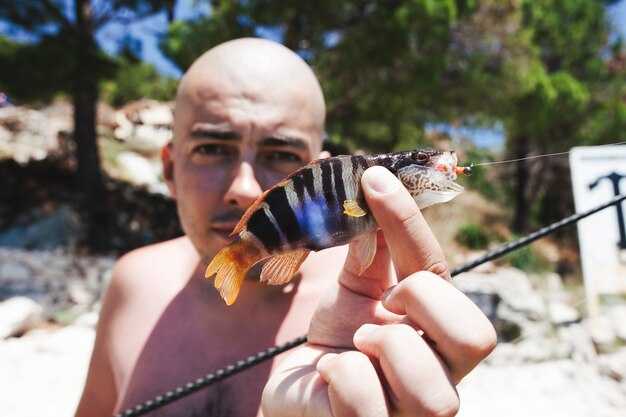 How to Catch Catfish – Expert Tips on Bait, Gear, Techniques">

Inizia individuando una buca su una curva poco profonda a valle dove la corrente rallenta e la struttura concentra le prede. Le caratteristiche della contea come legname sommerso, sporgenze rocciose e un ampio profilo del fondo attirano i pesci più attivi; scansiona la riva alla ricerca di segni di attività del pesce persico sole e di alimentazione lungo il bordo.
Prepara un montaggio scorrevole su un'attrezzatura robusta. con una lenza robusta, un peso da 50-100 grammi e un amo circle hook resistente. Usa un pezzo di pesce luna o un pesce luna intero come esca principale, mantenendo la bocca del pesce orientata verso la punta dell'amo. Impiega un setup ibrido che combini peso e sensibilità, ideale per i fondali e le correnti ricche di ostacoli. Lancia a diverse profondità, da quelle basse a quelle intermedie, e preparati a regolare la lunghezza del terminale a seconda della copertura.
Esegui il recupero con ritmoeffettuare il lancio lungo il margine a valle e lasciare depositare l'esca; quando si avverte una trazione, fare una pausa, quindi muovere la punta della canna e rilasciare lenza per mantenere il contatto. Le abboccate più lente spesso arrivano dopo che il peso si è depositato vicino al fondo; avere pazienza, proteggersi dagli ostacoli e lasciare che ogni prova insegni a conoscere l'acqua. Se amate la quieta pazienza e la precisione dei tempi, questo approccio è gratificante, perché i pesci gravitano verso l'esca, garantendo un'azione costante da parte loro.
Adattati al ritmo del fiume perché il comportamento dipende dalla stagione, dalla corrente e dalla luce. Nelle tue acque, segna dove li trovi più spesso: vicino a buche, lungo la riva o a valle di grandi strutture; annota la frequenza delle abboccate all'alba o al tramonto. A volte le abboccate migliori arrivano dopo un breve aggiustamento, quindi spostati di qualche bracciata e ricontrolla la lenza. La ricompensa è costante e l'attrezzatura che costruisci oggi ripagherà ogni uscita.
Guida pratica alla pesca del pesce gatto
Usa un monofilo principale da 9–13 kg con un terminale da 30–60 cm, un piombo scorrevole da 55–85 g e un robusto amo circle hook. Ancorati nelle insenature dove le scogliere artificiali costeggiano la riva e la corrente rallenta; presentali appena sopra il fondo dove la struttura del bordo trattiene i pesci. Mantieni la lenza tesa per registrare abboccate rapide e regola la tua posizione ad ogni lancio in base alla limpidezza dell'acqua. Queste configurazioni hanno pescato in modo affidabile in tutte le baie costiere e le lagune di Okaloosa.
Per gli attrattivi, usa pezzi di ventosa, tranci di cefalo, vermi striscianti e una palla di pastella; prova la tua combinazione preferita e testa ogni elemento per isolare i risultati. L'odore degli aromi naturali è importante; usa presentazioni uniche per migliorare la risposta. Con acqua limpida, usa esche più leggere; con acqua torbida, allunga il terminale più lungo e lascia che l'aroma persista. Nelle calette di Okaloosa vicino alle scogliere, questo approccio brilla. Se peschi in sessioni più lunghe, fai scorta di pezzi extra; rimangono efficaci durante le maree.
Zone target in base alla profondità: i pesci gatto testa piatta preferiscono i bordi più profondi, i pesci gatto striati si aggirano vicino alle strutture di notte; posiziona una lenza verso le sacche più profonde e un'altra verso le zone più superficiali per coprire più possibilità. Come consigliato dai capitani locali, regola l'angolazione e utilizza lenze sfalsate per una più facile individuazione di tocchi leggeri. Ogni lancio dovrebbe portare l'offerta a portata di mano di probabili nascondigli e, quando vedi una lenza contrarsi, dai una ferrata decisa ma controllata. Pescando in questo modo, puoi sentire la differenza tra una leggera spinta e un morso vero e proprio, facile da distinguere; determinato dalla marea e dal vento, mantieni la tua posizione stabile e leggi la corrente prima del prossimo lancio.
| Condition | Setup | Note |
|---|---|---|
| Acqua calma e limpida vicino alle calette | Filo da 9–13 kg, terminale da 30–60 cm, piombo da 56 g, amo circle; pezzi di sucker o cefalo | Presente appena sotto il fondo, vicino al pietrame |
| Acqua torbida, crepuscolo | Filo più lungo, pallina di pasta, vermi | Gli attrattivi odorosi aumentano la visibilità; le zone di Okaloosa rispondono bene |
| Piani profondi con corrente | Ancorare; due piattaforme allineate per resistere alla corrente trasversale | Prendi di mira più spesso il pesce testa piatta; mantieni una tensione minima. |
Scegliere l'esca giusta per il pesce gatto in base alla specie e alle condizioni dell'acqua
Inizia con l'utilizzo di alose vive su rig forked-tail in laghi a movimento lento che si estendono per ettari; questa scelta offre le abboccate più gratificanti per pesci gatto blu e pesce gatto testa piatta quando le temperature oscillano tra i 15 e i 25°C. Posiziona l'attrezzatura vicino al fondo e tendi la lenza attraverso i bordi delle erbacce e lungo i ruscelli, dove i pesci passano frequentemente al sole.
Pesce gatto del canale in acque pubbliche rispondono bene all'alosa tagliata o al fegato di pollo. Usa un'attrezzatura robusta con pesi da 50-100 g e un terminale resistente, e pesca vicino a tronchi sommersi o lungo le controcorrenti dove la corrente rallenta. Se l'abboccata è lenta, aspetta il tempo minimo prima di cambiare esca, poi passa a un'opzione più puzzolente o a un taglio fresco per mantenere alta la loro attenzione durante il giorno.
Pesce gatto blu preferendo esche più grandi in grandi bacini o laghi ben oltre i 40 ettari. Utilizza shad vivi o grossi pezzi di esca tagliata, puntando a profondità di 6-12 metri quando le temperature salgono sopra i 20 gradi. Usa esche da 15-25 cm su braccioli multi-amo e un filo più pesante per tenere il fondo in corrente. In acque torbide, aggiungi profumo e regola i terminali per mantenere l'esca all'interno della risacca pattugliata dai pesci azzurri.
Pesce gatto a testa piatta abboccano meglio a pesci vivi come bluegill o shad, spesso vicino a legni sommersi e tronchi. Prendete di mira canali lenti e coperture cespugliose vicino alle aree di Woodruff o altre strutture legnose; utilizzate montature da fondo con pesi elevati e ami circolari di dimensioni 6/0–10/0. Nei laghi con acqua limpida, offrite presentazioni naturali; in acque torbide, optate per esche più grandi e robuste per innescare segnali visivi e di abboccata.
Le condizioni dell'acqua dettano il posizionamento: in lakes con acqua limpida, imita il foraggio naturale e mantieni le esche ferme vicino alla copertura; in acres torbida, aumentare le dimensioni e l'odore dell'esca per raggiungere i pesci attraverso gli strati vetrosi o torbidi. Orlando- aree pubbliche lacustri e simili Stati richiede frequenti variazioni di profondità e distanza dalla riva, specialmente nelle giornate soleggiate quando i pesci si ritirano in zone più fresche. Se un pesce abbocca determinato movimento lineare anziché colpo visibile, regolare la profondità e passare a shad o utilizzare esche o esche vive che corrispondano a ciò di cui si nutrono i pesci.
Tipi di ami e montature per pesce gatto a testa piatta, pesce gatto канаle e pesce gatto blu
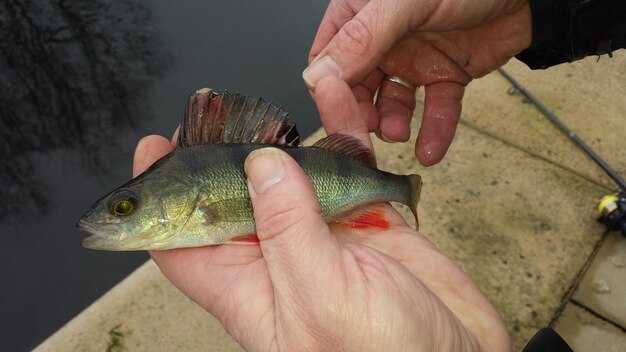
Inizia con un terminale da fondo Santee Cooper: piombo da 170-225 g, perlina e girella barile, più un finale da 30-45 cm con amo circle per il pesce gatto blu; passa a un grande amo a J o a punta curva per il pesce gatto testa piatta. Una bobina di treccia garantisce la resistenza necessaria, e un nodo robusto mantiene i collegamenti saldi. In presenza di corrente fangosa, aggiungi peso per ancorare il terminale al fondo. Questa configurazione tende a rimanere in corrente e a ridurre al minimo gli incagli vicino alla copertura, creando opportunità affidabili dalle acque di scarico alle buche profonde.
La configurazione specifica per il pesce gatto testa piatta si basa sul contatto diretto con il fondo: un singolo amo grande (5/0–8/0) su un terminale da 30–60 cm con un assetto aderente al fondale. Un Texas rig con un piombo scorrevole funziona bene, oppure utilizza un loop a goccia con un amo curvo per mantenere l'esca vicino al letto del fiume. Utilizza 170–225 g in corrente moderata per mantenere il contatto; un amo dritto o curvo aiuta a effettuare ferrate pulite su pesci grandi.
I terminali per il pescegatto di canale prediligono la semplicità e ferrate rapide e solide: un montaggio da fondo con un piombo scorrevole e uno o due ami, pesi da 28 a 113 grammi e ami circolari (#4/0–#7/0) per ridurre al minimo l'aggancio all'intestino. Un bracciolo corto mantiene l'esca nella zona di strike mentre la lenza madre si muove con la corrente. In acque più calme, un Texas rig offre prestazioni affidabili con un singolo amo e un peso leggero (28-57 grammi).
Il pesce gatto azzurro richiede attrezzatura pesante e connessioni rinforzate: pesi da 225-340 g in acque correnti, lenza trecciata di classe 60-100 lb e lunghi terminali. Sia i terminali Santee Cooper che quelli Texas funzionano bene; gli ami circolari aumentano l'efficienza dell'allamata e riducono lo stress da manipolazione. In acque di scarico lente, prova esche artificiali come i crankbait per localizzare i pesci, quindi passa a polpette di pastella o attrattivi a base di pasta montati sull'amo per concludere l'abboccata.
Note generali sull'attrezzatura: pianifica dalla rampa, coordinati con gli amici e inizia presto nella stagione quando le correnti sono favorevoli. Usa lenza trecciata imbobinata per le prestazioni, mantieni i pesi abbastanza pesanti per condizioni fangose e scegli ami con profili curvi o dritti in base allo stile di abboccata. Tali montature tendono a dare risultati, anche quando i pesci si trattengono in profondità o si nascondono vicino alla copertura, e si adattano bene a più corpi idrici e stagioni.
Canne, mulinelli, fili e accessori terminali per la pesca al siluro in acqua dolce
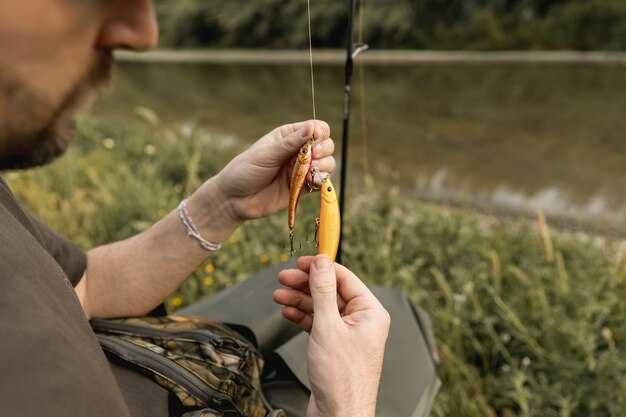
La migliore configurazione iniziale per il pesce gatto d'acqua dolce è una canna da 7 a 7,5 piedi con azione medio-pesante, abbinata a un mulinello robusto e una frizione fluida. Utilizzare circa 200 iarde di filo trecciato da 20 libbre supportato da monofilo da 12 a 15 libbre, oppure utilizzare una treccia diretta per un controllo profondo e vigoroso. Questa impostazione ti consente di tirarli fuori da coperture dense e chiazze su acri d'acqua, trasformando la battaglia in un combattimento controllato e potente.
Scelta e gestione della lenza: La lenza madre trecciata offre grande sensibilità e prestazioni elevate, mentre un terminale in fluorocarbon dello 0,9-1,8 mm resiste all'abrasione da rocce e legname. Immergere il terminale prima di legarlo per ridurre lo slittamento del nodo in acqua fredda. Questa configurazione offre un equilibrio fantastico tra apprendimento e controllo, soprattutto quando si pesca vicino a zone con persici sole e chiazze striate che indicano le linee di vegetazione e le zone di alimentazione che si estendono per ettari.
Terminale: Utilizzare ami di misura 4/0–8/0, con forme circle o wide-gap a seconda dello stile di abboccata. Un piombo scorrevole sopra una perlina e una girella previene la torsione del filo; abbinare un terminale in fluorocarbon da 20–40 lb per la resistenza all'abrasione quando si pesca in mezzo a legnaie e vegetazione fitta. Questa configurazione rimane solida durante il combattimento e impedisce ai grossi pesci di slamarsi.
Attrezzatura e preparazione: Approccia questo sport con un'attrezzatura semplice che funzioni in pozze invernali e fitta vegetazione. Se preferisci la semplicità, inizia con il Carolina rig. Lega i nodi con un affidabile palomar o improved clinch; mantieni la tensione della lenza mentre sondaggi aree in ettari d'acqua, compresi banchi di erbacce e branchi di pesci sole. La loro alimentazione tende ad essere vorace durante i periodi caldi, quindi rimani concentrato e fluido, trasformando felicemente l'apprendimento in risultati concreti.
Tattiche di adescamento: esca fresca vs. esca puzzolente, scie profumate e presentazione
Inizia con teste di toro vive come attrattivo principale; pescate da una pesca autorizzata, questi pesci rimangono compatti in un refrigeratore ed emanano un forte aroma. Infila 2–4 pesci su un terminale scorrevole in modo che l'amo si trovi a 15–30 cm dal fondo, quindi lancia lungo la riva, i canali laterali e le zone di canna palustre dove l'attività è più intensa. Accedi alle rampe pubbliche e preparati a partenze anticipate; pianifica viaggi durante tutto l'anno, cercando movimento vicino alle strutture e inseguendo il bersaglio nella stessa area. Nella zona di pesca di Weohyakapka e nelle acque pubbliche vicine, questa configurazione produce risultati costanti.
Pesciolino toro freschi e vivi rilasciano un impulso olfattivo nitido in acque limpide; in condizioni di acque torbide o ricche di corrente, applicare un attrattivo a base di pesce marcio per estendere la scia aromatica dietro il rig. Usare quantità modeste per profumare l'acqua senza sopraffare il setup; meno è spesso meglio, e si può rinfrescare ogni 20-30 minuti in condizioni stabili, facendo in modo che la scia riempia la colonna d'acqua.
Scie di profumo: lascia che la corrente spinga l'aroma lungo il fondale verso la zona target; costeggia i bordi della canna palustre, le sacche di erbacce e i salti di profondità dove la fitta copertura concentra i pesci. Una presentazione rotante aiuta a mantenere l'esca a contatto con il fondo, consentendo al contempo al profumo di disperdersi verso la stessa area. Le acque accessibili tramite punti di accesso pubblici vicino alla zona di pesca di Weohyakapka rispondono bene quando si posizionano le lenze rivolte verso il vento e la corrente.
L'aspetto è importante: utilizza un montaggio scorrevole per tenere l'esca lontana dalle erbacce e per controllare la profondità. Varia tra cadute lente e derive più lunghe e costanti per coprire la stessa sezione; mantieni l'esca a 15-30 cm dal fondo in presenza di strutture e lasciala cadere più in profondità dove il fondo sale con una pendenza maggiore. Lancia più lenze da riva per aumentare la copertura, soprattutto durante le sessioni del mattino presto o del tardo pomeriggio, e coordina con i ragazzi sulla stessa barca per battute efficienti; questo approccio rende più facile adattarsi al cambiamento delle condizioni.
Note sul campo: registra le condizioni meteo, la limpidezza dell'acqua e quali attrattivi hanno funzionato; cerca segni di attività nascoste – fango smosso, scie o colpi di coda – e adatta rapidamente la tua strategia. Nelle aree pubbliche vicino alla riva e ai fitti canneti, puoi ottenere risultati costanti tutto l'anno mantenendo una fornitura costante di esche vive raccolte, aromatizzate al manzo. Condividi gli aggiornamenti con Orlando, la zona di pesca di Weohyakapka e le fonti di notizie vicine per rimanere informato e ottenere risultati contro le stesse specie bersaglio.
Letture degli abbocchi e tempistiche: come ottimizzare le ferrate in base alla stagione e all'ora del giorno
Pianifica di mirare al pesce durante le finestre crepuscolari – alba e tramonto – quando l'acqua si raffredda leggermente e l'attività aumenta. Nei sistemi orientali e nordorientali, queste ore attraverso bassi fondali e vicino alla vegetazione preparano il terreno per segnali di abboccata più chiari e risposte più rapide.
- Primavera: impennata post-deposizione e alimentazione in acque meno profonde
- Orari migliori: dalla prima luce a metà mattina, specialmente vicino alla riva e ai punti di accesso lungo fiumi e baie come l'estuario di Apalachicola.
- Consigli di lettura: aspettati abboccate più rapide quando i pesci si spingono in zone tra i 60 cm e i 2,5 m intorno a cumuli di rami e intorno a siti dove il persico trota e altre specie si raggruppano liberamente; cerca tirate brevi e definite e un'inclinazione costante della lenza quando le bocche si agganciano.
- Note sullo schema: questi pesci amano spostarsi tra zone calde e amano le strutture che spezzano la corrente; utilizzare crankbait che imitano alose e altri foraggi, quindi passare a configurazioni più profonde se l'azione si sposta al largo.
- Consigli su attrezzatura ed esche: prevedi di operare su sponde esposte e punti di accesso per imbarcazioni con attrezzatura ad azione media; mantieni le esche nel range di 2-4 pollici per attirare gli strike lenti e ponderati tipici della tarda primavera.
- Estate: il caldo rallenta il ritmo dell'abboccata; massimizzare la concentrazione
- Orari migliori: alla prima luce o al tramonto; nelle ore più calde del giorno, i pesci si spostano in acque più profonde o sotto sporgenze, quindi spostati a profondità di 2–6 metri e strutture cespugliose lungo le rive o attraverso i canali.
- Aboccate lente: le abboccate più lente si verificano quando la lenza si allenta momentaneamente prima di uno strattone deciso; fate attenzione a sottili scossoni della testa e a un leggero morso sul primo centimetro di lenza mentre il pesce assicura l'esca.
- Note sullo schema: mirare a siti con accesso a termoclini più profondi e branchi di alose atlantiche; pianificare di lavorare evitando i pesciolino nero e altri abitanti del fondo che si nutrono pesantemente delle alose che cadono in superficie.
- Consigli su esche e artificiali: utilizzare crankbait che imitano le alose in branco e adottare un recupero più lento e metodico; mantenere le attrezzature vicino ai ripari, ma evitare di posizionarle eccessivamente in mare aperto.
- Autunno: la finestra alimentare si allarga; i morsi diventano decisivi
- Orari migliori: prima dell'alba e dopo il tramonto, con periodi di clima mite che prolungano l'attività; lungo i grandi sistemi fluviali, i siti lungo la costa nord-orientale e nei bacini orientali mostrano strike consistenti in acque poco profonde e di media profondità.
- Segnalazioni di abboccate: aspettarsi strattoni più decisi o un improvviso calo quando i branchi attivi si spingono in zone da 1,2 a 3,6 metri; molte abboccate si verificano quando i pesci si spostano dalla vegetazione acquatica verso acque aperte vicino alla struttura.
- Note sui modelli: gli stormi si concentrano su sporgenze e punte poco profonde; concentrati sui punti di accesso e sui bordi della costa dove le onde spingono l'esca.
- Consigli su esche e artificiali: dai priorità ad artificiali affidabili che lancino bene da riva o da barche; pianifica di utilizzare una varietà di presentazioni per acque basse e di media profondità, alternando frequentemente imitazioni di shad e crankbait più aggressivi.
- Inverno: fronti freddi, paziente esplorazione, prese più profonde
- Orari migliori: tarda mattinata fino al primo pomeriggio, quando si forma una sacca di riscaldamento superficiale dopo l'esposizione al sole; osservare attraverso canali più profondi e attorno a strutture che trattengono il calore residuo, inclusi resti di arbusti e sponde illuminate dal sole.
- Letture di abboccata: le abboccate sono più lente e deliberate; fai attenzione al movimento minimo del filo prima che lo strattone si trasformi in una trazione costante, spesso percepita come un leggero tiro sul fondo.
- Note sugli schemi: puntare a zone con accessi mirati ed aree off-shore che ospitano alose atlantiche e altri pesci da foraggio; pianificare di pescare attorno ai pesci gatto americani ed altri pesci che vivono sul fondo e che si radunano vicino a ripari più profondi.
- Consigli su attrezzatura ed esche: utilizzare fili più pesanti e un ritmo più lento e paziente; considerare esche più grandi o presentazioni naturali per stimolare l'abboccata in acque più fredde.
Strategie stagionali essenziali: concentrati sui siti dove la vegetazione e le strutture trattengono le esche, posizionandoti vicino ai punti di accesso, alle rive e attraverso le colonne d'acqua dove si muovono i banchi di prede. Nella regione di Apalachicola e in altre acque orientali, controlli regolari lungo entrambe le rive e i canali più profondi producono i risultati più costanti. Pianifica di lanciare da barche o dalla riva e adattati all'ambiente circostante: il momento ideale per le abboccate spesso dipende dal meteo e dalla temperatura dell'acqua: quando è calmo, aumenta la visione di pesci attivi vicino alle linee di vegetazione, e quando si alza il vento, le zone d'ombra e le strutture subacquee favoriscono un'alimentazione continua. In diversi siti, vedrai cambiare le velocità medie; i lettori migliori imparano a sondare le aree meno attive, per poi concentrarsi sui punti più promettenti con un approccio paziente e metodico. Rivedi regolarmente i punti di accesso e gli accumuli di vegetazione lungo i tuoi percorsi preferiti del Nord-Est per mantenere il piano aggiornato e individuare un cambiamento di attività dall'alba al tramonto.