


 Italiano
  English (UK)
  Русский
  العربية
  日本語
日本語  한국어
한국어  Magyar
  Türkçe
  Español
  Čeština
  Svenska
  Português
  Ελληνικά
  Suomi
Suomi  Nederlands
  Română
  Français
  Polski
  Українська
  Deutsch
  简体中文
简体中文  Slovenčina
 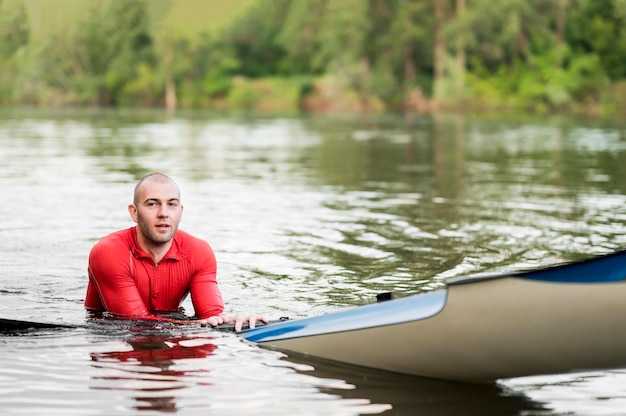 How Boating Improves Health and Wellbeing – Physical and Mental Benefits">

Take a 30-minute boating session weekly to decrease stress and boost mood. In ontario canals and calm spaces, you can enjoy spaces where your brains reset naturally and your body gains clear benefits.
Physically, boating engages core and back muscles, improves balance, and raises endurance. An hour of moderate boating burns roughly 250 calories, and consistent sessions can lower systolic blood pressure by about 4–8 mmHg within 8–12 weeks, and this routine can offer higher VO2 max when you progressively increase effort.
Mental benefits come from the rhythm and scenery: the water’s motion calms the nervous system, lowers cortisol, and leads to less restlessness and improved sleep. When you boat in groups or with family, social connection rises, reducing loneliness and boosting mood together. This setup supports calming thoughts and healthier decision making, which your brains will feel the next day.
Two practical points to start now: choose a stable craft in calm spaces and schedule a regular time. Your only limitation is time, which you can reclaim with 20–30 minute sessions three times a week. Your 20–30 minute sessions yield measurable reductions in resting heart rate and blood pressure within 8 weeks. To maximize benefits, pair boating with breathing exercises and keep a simple log of your mood and energy levels, so you can compare punti of progress over time.
Across canals in ontario, boating offers a practical, accessible way to boost health. A simple hack is to pair short sessions with a five-minute breathing practice on calmer stretches, and gradually extend time or switch to a more active pace as your confidence grows. When ever you can, invite a friend to join; you’ll enjoy the social boost and the shared sense of progress, making the routine your own.
Cardio Gains on the Water: Best boating activities to raise heart rate and build endurance
Begin with a 20–30 minute week-long block of interval paddling on a SUP or kayak, 3 days per week: 6–8 x 30 seconds of hard effort with 2 minutes of easy recovery between each. Target your effort at roughly 70–85% of your max heart rate, or tone it to a 7–8 on a 10-point scale of exertion. This approach gives you a clear structure to boost cardio without overdoing it.
Paddling engages the lungs, legs, back, shoulders, and core, so your body works harder in less time than many land-based workouts. The water’s variations–wind, current, and waves–force you to adapt, which builds endurance while improving balance and coordination and reducing distractions from daily life.
On seaside water, three core formats reliably raise the heart rate: SUP intervals, kayak sprints, e tempo paddles. For SUP intervals, perform 6–8 x 30 seconds of high-intensity paddling with 2 minutes of easy recovery. For kayak sprints, target 8–12 x 20–30 seconds at a fast stroke, with 90 seconds rest. For tempo paddles, hold a brisk pace for 6–12 minutes, followed by a 2–3 minute recovery, and repeat once or twice depending on your level.
Week-by-week progression matters: you could start with the shorter sprints and longer recoveries, then swap in longer interval blocks as you gain confidence. A simple week-long progression might be Mon 25 minutes steady paddle, Wed intervals, Fri 20–30 minutes tempo, Sun rest or light coastal row. This pattern fits a range of areas, from sheltered bays to longer seaside routes, and it scales with your experience.
Safety comes first: wear a life jacket, check wind and water conditions, choose familiar routes, and stay near shore until you gain confidence. Hydrate well and carry a small snack for longer sessions, especially in warmer weather. These steps help you keep the practice sustainable and enjoyable across a year of training.
In an example from Nichols, week-long water-based cardio blocks consistently improve emotional wellbeing and social connections, illustrating how physical effort on the water supports life quality beyond fitness metrics. You could incorporate this approach into a regular routine to sustain motivation and a stronger sense of wellbeing, whether you paddle alone or with others in shared spaces along the coastline.
Beginner-First Session: How long to boat and how often for noticeable fitness improvements
Start with 20 minutes of steady paddling, 2 sessions per week for 4 weeks. This cadence creates a constant routine that boosts endurance and mood while you learn technique. You’ll likely notice an easier sensation of breathing, increased body control, and a sense of wellbeing by week four.
Structure matters: begin with a 3-5 minute warm-up, then 16-20 minutes at a moderate pace, and finish with 3-5 minutes of cool-down. Keep attention on form, especially core engagement and a relaxed back. Use a rhythm that matches your breathing to keep distractions low and to respond to fatigue without dropping technique. This helps protect the back and head from strain while you build confidence.
Progression plan: after the first block, increase to 25-30 minutes per session while maintaining 2 sessions per week. In weeks 5-8, add a third session if recovery allows, aiming for 30-40 minutes total per workout. By week 8-12, you may reach 45-60 minutes weekly across 3-4 sessions, depending on weather and how your body moves. Expect increased endurance, stronger back, and improved brain chemistry as endorphins rise. The sensation of progress tends to lead to easier daily activity and better sleep.
Practical tips: check the weather and wind; choose calm water; begin near shore; wear a life jacket; choose a route with fewer distractions to keep attention on form. If a session feels too hard, shorten to 10-15 minutes and build up again. Whether you paddle alone or with a friend, safety still comes first. A sunset or blue sky moment can signal a natural end and help you protect the head and neck by slowing the stroke rate. The cadence you find encourages better mindfulness and makes the practice synonymous with easier recovery and long-term wellbeing.
Bottom line: 20-minute sessions, 2 times weekly, for 4 weeks, create a stable base; progression to 30-40 minutes, 3 times weekly yields noticeable improvements in endurance, posture, and overall wellbeing. The routine encourages a strong sense of accomplishment and a boost to daily energy, helping you keep your head clear and your attention steady across the day.
Joint-Safe Boating: Low-impact options for arthritis or knee and back pain
Start with a stable pedal-drive boat o electric-assisted craft that has back support and a wide beam. This low-impact option reduces knee bend and protects the spine, letting you continue on canals or sheltered water without jarring motion. Use 20–30 minute sessions, 2–3 times per week, and gradually increase as pain stays mild. This routine will lead to measurable gains in joint comfort and overall well-being, so you can enjoy calmer days on the water and stay active.
Equipment and technique matter. Choose pedal-drive o sit-on-top kayaks with adjustable backrests, knee supports, and footrests that keep knee angles near 90–110 degrees. That involves less twisting and negative loading on the knee and spine, reducing motion shocks. Keep the strokes smooth and controlled; avoid rapid pivots and long reaches that raise pain risk. If you drift into shallow channels, refresh on shore briefly before continuing.
Group trips on sheltered water invite social support. Those outings on canals or bays encourage steady pacing and safe practice. Pay attention to your thoughts and pain levels; track a simple 0–10 scale and note days when you feel stronger. The group can enjoy scenic routes and the sense of community. You’ll find that like-minded participants can share tips, mostra encouragement, and help you stay motivated until you gain confidence. The social aspect seems to boost mood and adherence, and those with arthritis often report fewer flare-ups when movement is regular.
Safety, climate, and small steps matter. This approach supports bluehealth by combining water access with stress-reduction and mood benefits. The climate-friendly choice keeps trips local and reduces travel, which elliott e nichols recognized in their work as encouraging regular access to water-based activity. Start with one short route, such as a calm canal segment, and discover more routes as you build strength and confidence. This approach will help you sustain activity year-round and protect joints for the long term.
Breathing and Mindfulness Afloat: Practical on-water techniques to cut stress and anxiety
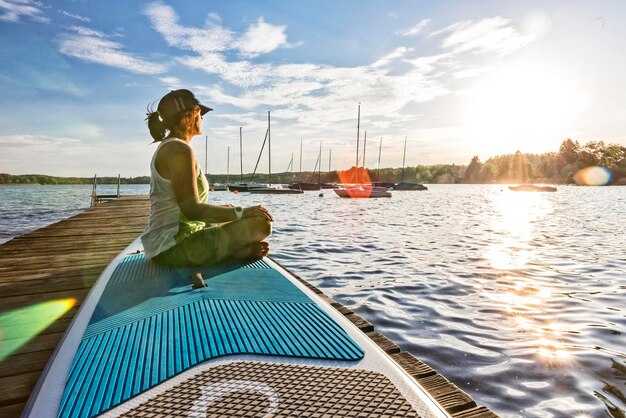
Do a one-minute box breathing before you head outside; this quick, proven technique calms the brains and gives you time to reset amid constant motion on-water, reducing the effect of stress and improving focus. This simple practice encourages calmer decision making and is a great baseline for any outdoor activity. The environmental sounds of wind and water become less distracting, and you feel a lasting sense of control. Over the years, university and sailing programs established that regular box breathing outdoors reduces cortisol and helps groups enjoy themselves more, whether in a group of friends or solo on a week-long voyage.
Maintain a steady posture, soften the shoulders, and let your eyes rest softly on the horizon. The rhythm of breath becomes a metronome against the boat’s movement, giving your time a calmer cadence. This activity gives nothing but focus, helps the brain rewire its response to stress, and makes the next hours on-water feel more manageable. Theres no need to chase results–you’ll notice a calmer baseline that lasts beyond the breathing session.
Technique 1: Box breathing on deck
Stand or sit with a relaxed spine and a soft gaze. Inhale for four counts, hold for four, exhale for four, and hold for four. Repeat for 60 seconds, then observe the calming signal in the brains and the slower heartbeat. This on-water practice establishes a steady baseline and offers an escape from gusts, alarms, and chatter from the group. On a week-long sailing trip, a roger cue can help encourage the group to breathe together; theres nothing rushed, only steady breath that keeps everyone connected and enabled to enjoy themselves.
Use simple anchors like the deck board under your feet or a fixed rope to stay present. Items such as a hat or a small rope can serve as sensory anchors to keep focus outdoors. The routine slows the pace of stress reactions and makes small decisions feel easier, which helps you last longer in demanding conditions and enjoy the ride with friends and crew.
Technique 2: Body scan and sensory anchors
With the boat’s motion, guide attention from toes to crown, noting contact with the deck, tightening in the jaw, or tension in the shoulders. As you exhale, release held areas of tension and replay the breath through the chest and abdomen. This calming body scan creates a feeling of grounding and helps yourselves settle into the moment, especially when winds rise or the group shifts tasks. A short scan can anchor attention in a few minutes, giving you a practical escape from constant stimuli and a sense of control over your environment.
Pair the scan with a slow, deliberate exhale and keep a steady pace to prevent a spike in anxiety. Outdoors, sensory anchors such as a familiar rope texture or the sight of a landmark support focus and reduce cognitive load. This approach builds a lasting habit and, over time, makes the skill feel like second nature, so you can enjoy the water with greater clarity and slower, deeper breathing.
| Area | Action on-water | Benefit | Time/Context |
|---|---|---|---|
| Breath pace | 4-4-4-4 box breathing | calming nervous system, slower heart rate | 60 seconds, anytime |
| Eyes and gaze | soft focus on horizon | reduces cognitive load, improves concentration | during tasks |
| Body awareness | scan from feet to head | releases tension, builds grounding | 5 minutes |
| Group cue | coordinated breathing with friends | enhances connection and shared calm | week-long trips, ongoing |
Social Boating for Mood: Leveraging groups and routines to boost motivation and wellbeing
Schedule a weekly 90-minute nature-based sailing session with 4–6 friends on the same day and time to maintain a consistent place where your mood improves and motivation grows.
- Form an established group of friends, assign rotating planning duties, and keep a brief turnout check; this creates accountability and a true sense of belonging that sustains participation.
- Pick a fixed route with calm water and a scenic element such as waterfalls or a wild coastline; this immersive setting makes the experience more engaging and helps reduce fatigue.
- Implement a simple pre-sail ritual: quick mood check, a concrete goal for the session, and a 2-minute breathing drill; this boosts focus and momentum while sailing.
- Design the session to be balanced: include a short boating drill, a nature-based paddle if possible, and a social wrap-up on shore for reflection and connection with people and friends.
- Keep a lightweight log of mood, fatigue, and highlights after each outing; note what worked and suggested tweaks to maintain progress and personal improvement for yourself.
- Invite new participants gradually to expand the circle, pairing them with an established member to ease integration and strengthen the group dynamic.
- Ensure safety with properly fitted life jackets, well-maintained boats, and up-to-date weather checks; a safe framework supports better mood and sustainable practice.
By leveraging groups and routines in this way, you create a place where people can escape daily stress, feel connected, and experience true improvements in mood, motivation, and wellbeing.