


 Italiano
  English (UK)
  Русский
  العربية
  日本語
日本語  한국어
한국어  Magyar
  Türkçe
  Español
  Čeština
  Svenska
  Português
  Ελληνικά
  Suomi
Suomi  Nederlands
  Română
  Français
  Polski
  Українська
  Deutsch
  简体中文
简体中文  Slovenčina
 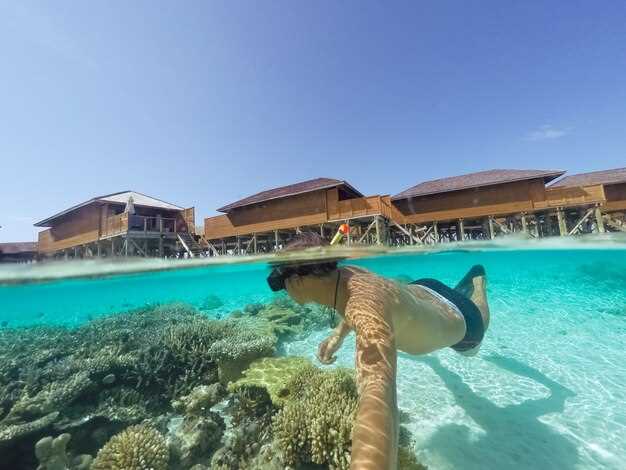 Great Barrier Reef Top 10 Attractions – Best Things to Do">

Begin with an outer-reef snorkel at first light to see corals and reef life awake. The Great Barrier Reef stretches about 2,300 km and hosts roughly 2,900 reefs with 900 islands, giving tourists a wealth of iconic sites and options for enjoying crystal-clear water, vivid fish, and breathtaking color.
Accommodations range from eco-lodges on private islands to beachside hotels in Cairns and Port Douglas, with camp options for backpackers and family-friendly apartments for comfortable stays. Brisbane, the capital of Queensland, serves as a practical gateway to the reef region and a convenient base for day trips, sunset cruises, and city museums after a day on the water. Tourists can choose reef-friendly operators, ensuring safety and protecting marine life, an ideal approach for a flexible trip.
Another must-do is a guided snorkel along Ribbon Reefs, where macro life and sweeping coral formations create a breathtaking underwater scene. Guides share safety tips, reef etiquette, and how to pick equipment that suits you, making the experience applicabile to beginners and seasoned snorkelers alike.
Looking beyond the water, you can island-hop, kayak, or join Indigenous sea-country tours that explain local ecology and cultural heritage. If you’re looking for a mix of adventure and relaxation, island-hopping, kayaking, and cultural tours fit the bill. These encounters contribute to life experiences and enriching memories, with idyllic sunsets, authentic seafood tastings, and quiet coves that invite slowing down and savoring more tranquil moments.
Taking a reef-forward itinerary with licensed operators ensures you cover the best sites without harming habitats. This plan suits tourists seeking a balanced mix of adventure and relaxation, with accommodations that match your pace and budget, and leaves you returning with enriched life experiences and a deeper connection to the Queensland coast, with Brisbane acting as a convenient gateway.
Practical guide to the reef’s top experiences and Lady Elliot Island
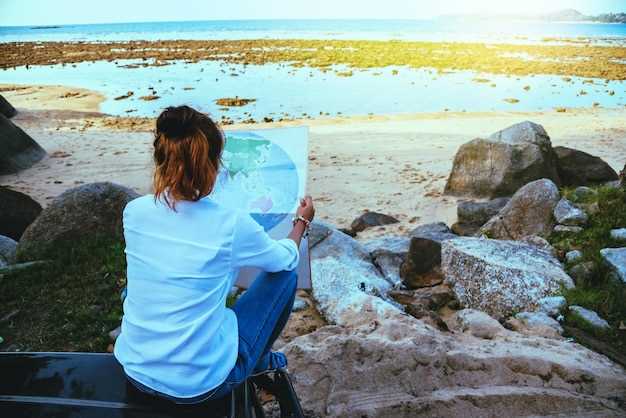
Book a guided snorkel trip on Lady Elliot Island and base yourself at the exclusive Eco Resort for year-round access to reef life. Visiting this paradise starts your day on calm water with a friendly guide who shows the best spots.
To reach land, you typically fly from Hervey Bay or Bundaberg and take a short boat transfer. The elysian setting welcomes you, and checking in takes minutes, letting you focus on the wide reef ahead.
Seven standout experiences shape your itinerary: swim with green turtles in the turquoise lagoon; explore the reef edge with a guide to spot parrotfish and wrasse; snorkel across wide flats where coral gardens glow; walk the sand cay at low tide to watch seabirds; join a night snorkel to meet nocturnal critters; visit the shore to see nesting behavior and learn from the provided interpretation notes; and use these insights to understand reef resilience.
Nature lovers discover a wonderland amid an elysian setting that feels like paradise. Known for its calm pace and abundant turtles, the island invites you to return year after year and to explore at your own tempo.
Practical tips to maximize your time: check the booking page for trip times; plan around michaelmas and other seasonal windows for optimal visibility; pack reef-safe sunscreen, a lightweight cover, a reusable bottle, and a small dry bag; keep snacks simple–avoid loose potato chips to protect wildlife; and bring a compact snorkel set if you have one.
Other options nearby include a day trip to Whitehaven Beach on the mainland’s west coast, a different kind of paradise with pure silica sand. If you have time, combine this with your reef visit for a varied Queensland experience.
Page details and provided gear cover your basics: snorkeling gear, wetsuits for cooler months, and ranger-led talks. Return home with a memory-rich page of moments and a plan to revisit this piece of wonderland.
Lady Elliot Island Reef Walk: routes, duration, and what you’ll see
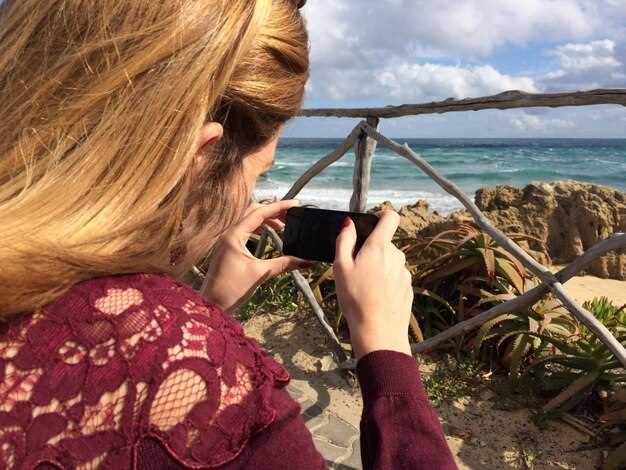
Booking ahead is essential to secure a chosen slot on the Lady Elliot Island Reef Walk. Visiting early offers calmer seas and clearer light, ideal for sunlover photographs and anyone keen to observe reef life up close.
Two main routes guide you: along the sands edge, between sheltered coves, and toward the deeper reef. The standard loop runs about 60-75 minutes; the long option adds extra stops and a glass-bottom viewing deck for close looks at corals without entering deeper water.
On the path you’ll see extraordinary color and life: parrotfish and damselfish weaving through branching corals, starfish and urchins on sands, sea turtles gliding through calmer pockets, and the occasional divers pausing to study a reef nook. Those who love nature will enjoy the chance to compare the worlds under the surface from the glass-bottom section.
Should you join a guided group, your chosen guide will explain reef dynamics, linked habitats, and conservation efforts. Booking options include a small-group walk or private sessions. The area is owned by a conservation trust, and visitors have a clear gain in knowledge from staying on the fixed path that protects corals.
Practical tips: wear reef-safe sunscreen, bring water, and wear shoes suitable for sandy and coral terrain. If you arrive by boat, the marina transfer is simple. After the walk you can visit cafes on the island or take short cruises back to your accommodation. If visiting by cruise, check the schedule so you won’t miss the walk’s window. The entire experience offers an opportunity to learn, with a long list of sights to see and a true opportunity to gain appreciation for the island’s fragile worlds.
Top snorkeling sites around Lady Elliot Island for different skill levels
Begin at Nudey Beach for a gentle start to snorkelling, where calm, shallow water makes every colour pop and seabirds circle overhead. Nudey is a long-standing favourite for beginners and a perfect introduction to the island’s quiet marine theatre.
Looking to tailor your day? Here are reliable options by skill level:
-
Beginner – Nudey Beach and adjacent flats
Distance from shore is short: a 5–10 minute snorkel puts you over 1–2 m of water with sandy patches and grass beds. Expect easy encounters with small reef fishes, nudibranchs, and curious crustaceans. The idyll of the beach, friendly colours, and shallow depth create an idyllic environment for discovering the basics of snorkelling. The setting is perfect for building confidence, with local guides ready to share tips and information. Nudey Beach showcases natures at their most approachable, making this starting point lasting and satisfying for first-timers.
-
Intermediate – reef edge beyond Nudey
Distance 0.6–1.5 km from Nudey Beach; depth 5–12 m. The coral bommies, a wider fish mix, and occasional sea turtles offer a richer canvas. It is a longer snorkel, but still manageable for those looking to discover more. Silversonic and other local operators provide transfers to the edge, typically a 15–25 minute ride. This site invites you to discover more, look for hidden nooks, and share sightings with companions. It reinforces the mission of responsible snorkelling while highlighting the heritage of the reef and coast that locals protect together as a united community of snorkellers.
-
Advanced – outer reef edges and channels
Distance 2–3 km from Nudey Beach; depth 12–20 m with stronger currents on certain tides. Expect larger schools of fish, vibrant soft corals, and greater water clarity. This level suits confident snorkellers who have practiced buoyancy and navigation; guided sessions with experts are advised. After the swim, you can enjoy lasting memories of a pristine environment and the island’s heritage, while you discover the full breadth of Lady Elliot’s underwater world. For a complete experience, a ride on silversonic or another local boat can be paired with shore time to enjoy both reef and beach.
Practical notes: check daily information from the resort for current conditions and wildlife alerts; Michaelmas season brings extra seabird activity around offshore sites, enriching the viewing experience. Some itineraries include a ferry transfer from the mainland to the island, adding convenience for groups. Always coordinate with local experts to ensure safety and accessibility, sharing knowledge to enhance everyone’s snorkeling journey. This united effort gives you a chance to enjoy, discover, and share lasting memories, with Nudey as your anchor and the surrounding sites expanding your mission to explore responsibly.
Return to nudey for a quick final snorkel if you’re chasing a last glimpse of turtles or ghostly parrotfish. This sequence of sites keeps the day short, yet deeply rewarding, letting you look, discover, and enjoy the island’s heritage while keeping the experience sustainable for future visitors.
Manta ray and sea turtle sightings: best seasons, sites, and etiquette
Plan a late dry-season visit to Nudey Beach on Fitzroy Island for reliable sightings of manta rays and sea turtles, with calmer waters and clearer light for snorkeling along the reefs.
What to expect by season:
- Manta rays: best opportunities occur from April to October along outer reefs such as The Ribbon Reefs, Agincourt Reef, and around Lizard Island. Look for clear, low-wind days to maximize visibility within protected marine areas, where platforms offer gentle snorkeling and guided encounters.
- Sea turtles: sightings happen year-round, with nesting peaks from December to March on mainland beaches and in and around the Whitsunddays and other northeast tropical shores. Hatchlings commonly emerge a few weeks after nests, adding a dramatic touch to morning snorkels or beach walks.
Prime sites to increase your chance of encounters:
- The Ribbon Reefs (Cairns region) – high density of manta sorties and frequent turtle sightings during the season.
- Agincourt Reef (off Port Douglas) – clear channels attract plankton and turtles, ideal for short boat trips within a single day.
- Lizard Island area – remote and pristine, offering secluded chances to observe large mantas and schooling turtles.
- Nudey Beach, Fitzroy Island (mainland) – a convenient, sheltered option for walkers and snorkelers seeking steady sightings near shore.
- Whitsunday Islands – numerous beaches and bays along the northeast tropical coast provide reliable opportunities; plan a multi-day option to maximize your chance.
Etichetta da seguire per una visione rispettosa e responsabile:
- Mantieni una distanza di sicurezza dalle creature ed evita di inseguirle o bloccarne il percorso.
- Non toccare o nutrire mante o tartarughe marine; lascia che siano loro ad avvicinarsi, se lo desiderano.
- Muovetevi lentamente, parlate sottovoce e riducete al minimo il rumore per diminuire lo stress sugli animali e sugli altri avventurieri che condividono il sito.
- Rispettare la segnaletica e le istruzioni delle guide, specialmente nelle aree protette all'interno della barriera corallina e sulle spiagge durante i periodi di nidificazione.
- Mantieni la sicurezza della barriera corallina: non toccare i coralli delicati, usa una crema solare sicura per la barriera corallina ed evita di stare in piedi o sollevare sedimenti che possono soffocare gli habitat.
- Quando sono presenti imbarcazioni, dare la precedenza agli operatori e tenersi fuori dalle zone di osservazione consolidate; rispettare le parti nelle vicinanze ed evitare di affollare un singolo animale.
- Smaltire correttamente i rifiuti e scegliere tour guidati che seguano le migliori pratiche di conservazione per supportare le comunità locali e l'ambiente.
Consigli pratici per avventurieri in cerca di relax e scoperta:
- Prenota un tour per piccoli gruppi o una sessione guidata di snorkeling per imparare cosa cercare e come comportarti vicino a queste creature.
- Scegli le ore intorno all'alba o nel tardo pomeriggio per condizioni più tranquille e una luce migliore per la fotografia senza danneggiare la fauna selvatica.
- Porta con te una tenda o un parasole leggero per le soste in spiaggia, ma evita di ostruire i camminamenti e l'accesso alla spiaggia; questa checklist in stile canvas può aiutarti a rimanere organizzato.
- Opzioni di piano che combinano spiagge sulla terraferma con tempo da dedicare alla barriera corallina, offrendoti un itinerario equilibrato tra la terraferma e le Whitsundays.
- Prepara un equipaggiamento minimale, inclusi occhiali da sole polarizzati, crema solare adatta alla barriera corallina e un telo leggero per asciugarsi rapidamente e rilassarsi su spiagge appartate.
- Rispetta le usanze locali e l'etichetta della spiaggia, specialmente durante i periodi di nidificazione; limita l'impatto delle tue visite e goditi il panorama senza disturbare il ritmo naturale dei tempi e delle maree.
Opzioni di immersione e viste aeree: scegliere tra snorkeling, immersioni o tour in elicottero/battello con fondo di vetro
Inizia con una sessione mattutina di snorkeling a Nudey Beach, Fitzroy Island, per acqua cristallina, vita brulicante e viste tranquille – un inizio weekend ideale da Brisbane.
Per un'esplorazione più approfondita, immergiti in un'avventura guidata di scoperta subacquea con operatori indipendenti che offrono conoscenza della barriera corallina locale e pratiche responsabili; potrai sbirciare sotto la superficie dove banchi di pesci e tartarughe marine scivolano attraverso un paesaggio aspro.
Alcune guide vietnamite condividono la conoscenza delle barriere coralline locali e pratiche eco-compatibili, arricchendo le escursioni con un contesto culturale.
Preferisci le viste aeree dall'alto? I tour in elicottero e le esperienze con fondo di vetro rivelano lagune a forma di cuore, spiagge orlate di palme e brulicante di vita al di sopra della terraferma, mentre si sorvolano coste frastagliate ed eco-resort terrestri nelle vicinanze.
Da Brisbane, i viaggi del fine settimana semplificano la pianificazione grazie alle numerose opzioni per esplorare barriere coralline di livello mondiale, flora autoctona e tantissime esperienze via terra e via mare, adatte a famiglie e viaggiatori indipendenti. Gli operatori offrono attrezzature, briefing sulla sicurezza e pratiche sostenibili per proteggere le barriere coralline.
Con una miriade di viaggi, combina una mattinata di snorkeling a piedi nudi con un successivo giro in elicottero, lasciando un sacco di tempo per rilassarsi in un eco-resort lungo coste frastagliate.
Ogni opzione offre un mix eccezionale di avventura, scenario e semplicità, rendendola adatta a molti viaggiatori.
| Option | What you see | Duration | Best for |
|---|---|---|---|
| Snorkeling | Vita sottomarina della barriera corallina: tartarughe marine, coralli vivaci, brulicanti banchi di pesce; facile accesso per le famiglie | 1.5–3 hours | Esplorazione rilassata e puro divertimento in famiglia |
| Scopri le immersioni | Sotto la superficie: pareti coralline limpide, pesci più grandi e fauna autoctona della barriera corallina | 2–3 hours | Esplorazione più approfondita per menti curiose |
| Giro in elicottero | Panorama sopra la superficie di lagune a forma di cuore e vaste piattaforme coralline | 15–25 minutes | Viste aeree mozzafiato |
| Barca con fondo di vetro | Barriera corallina sotto giardini poco profondi con un impatto minimo | 60–90 minutes | Ideale per famiglie e visitatori che preferiscono rimanere sulla terraferma |
Pianificazione e attrezzatura: periodi migliori, consigli per la prenotazione e checklist per l'imballaggio rispettoso della barriera corallina
Prenota in anticipo con un operatore autorizzato per assicurarti la fascia oraria ideale per lo snorkeling e il miglior prezzo, quindi radunati a bordo per una partenza senza intoppi.
Da maggio a settembre i mari sono più calmi, la visibilità è nitida e la luce del giorno abbondante rende le suggestive e brulicanti barriere coralline facili da apprezzare. Le mattine offrono la luce giusta per ammirare colori mozzafiato e avrai un po' di tempo in più per tornare al molo prima di pranzo.
Sette consigli pratici per evitare delusioni e sfruttare al meglio la giornata: prenota in anticipo con operatori autorizzati; confronta cosa è incluso e le politiche di sicurezza per la barriera corallina; scegli gruppi più piccoli per raggiungere le barriere coralline più profonde; verifica i termini di cancellazione e le finestre meteorologiche; controlla che l'attrezzatura sia inclusa o porta la tua; scegli itinerari che riducano al minimo la distanza e massimizzino il tempo di osservazione; cerca opzioni economiche con prezzi trasparenti.
Lista di controllo dell'imballaggio sicuro per la barriera corallina: crema solare sicura per la barriera corallina (a base minerale), maglietta protettiva, cappello a tesa larga, occhiali da sole polarizzati con laccetto, una sacca stagna compatta, una bottiglia d'acqua riutilizzabile, sapone biodegradabile, dentifricio in un flacone piccolo, alcuni biscotti per un'energia rapida sulla tavola, un asciugamano leggero, una custodia impermeabile per il telefono o la fotocamera. Prepara la valigia sapendo di avere molto spazio per riempire l'essenziale senza sovraccaricare la borsa; tieni un secondo set di vestiti in una borsa separata per il dopo il ritorno e considera una borsa da piscina per il cambio post-viaggio.
Durante l'immersione, mantieni le distanze dai coralli e dalla fauna selvatica, muoviti lentamente e segui la tua guida per proteggere l'ambiente. Se sei un visitatore che vuole saperne di più sulla barriera corallina, ascolta gli esperti e immergiti nel contesto culturale per apprezzare meglio le loro acque natali; osserva i colori e sforzati di lasciare le zone più profonde più sane per i loro futuri visitatori. Porterai con te i ricordi di uno splendido mosaico di vita che ti accompagnerà a lungo dopo aver lasciato la barca.