


 Italiano
  English (UK)
  Русский
  العربية
  日本語
日本語  한국어
한국어  Magyar
  Türkçe
  Español
  Čeština
  Svenska
  Português
  Ελληνικά
  Suomi
Suomi  Nederlands
  Română
  Français
  Polski
  Українська
  Deutsch
  简体中文
简体中文  Slovenčina
  Fishing’s Greatest Destinations – A Global Rescue Guide">

Always check weather and tide windows before you cast, and set a plan for moderate seas when planning coastal sessions. This quick check keeps you in control and helps decide whether to pursue offshore breaks or sheltered bays.
patagonia offers rugged coastlines with cold water and broad tides. surfcasters work from exposed beaches, chasing yellowtail e mackerel during favorable fronts. On big days, a steady lead e un affidabile nodo make the difference when currents shift; guides on the ground often shorten the learning curve for newcomers, and the right rig including fluorocarbon leaders and a full setup of tippets.
in florida’s gulf coast, shallow flats and protected harbors host reliable runs of mackerel e yellowtail near passes. Anglers can fish from piers, boats, or beaches, using compact gear and solid knots. unstable weather can disrupt plans, so have a flexible plan that includes sheltered spots such as estuary mouths in the afternoon.
beyond the u.s. coast, costa rica’s reefs and offshore banks offer warm-water action with migratory species. the best windows come with light-to-moderate winds and clear water; local guides can map banks, reveal nodo setups that work with a variety of rigs; include a full supply of hooks, swivels, and lead heads for quick rig changes.
for anglers seeking reliable action, focus on coasts that offer consistent bites during late spring to early fall; keep in touch with local guides to learn knot styles and rig details; always prioritize safety, maintain weather awareness, and respect the water’s power.
Global Rescue Guide for Anglers and Deep Sea Tackle Insights
Always assemble a compact emergency kit: 406 MHz PLB, handheld VHF, spare batteries, signaling flares, a waterproof GPS, and a lightweight life raft or throwable buoy. Keep the kit near the helm and run a quick 5-minute check before each trip. Test the kit today to verify your setup.
Whereas weather can shift quickly, check a 24-hour forecast and plan a safe return to shore if seas climb above two meters. Inshore operations require a PFD for every person and a short tether when moving along the rail. Offshore charters should maintain a formal watch, assign a dedicated lookout, and keep a fixed plan to reach a safe harbor if needed.
Deep-sea tackle insights: Jigging and artificial lures shine near reef edges and kelp patches. For blackfin tuna, use 50-80 lb class rods with intrecciato line and 60-100 lb leaders; typically spool 300-500 yards of braid. Rainbow runners respond to bright colors and fast cadence; use lighter 20-40 lb outfits for open-water jigging. Make cadence adjustments based on current and target species, which keeps the bite active.
Charter boats and guides bring local knowledge of seasons, reef structure, and currents. They carry up-to-date equipment, run safety drills before departure, and coordinate retrieval if something goes wrong. If you need assistance, contact emergency services via VHF channel 16 and share your position with a satellite messenger; charters can coordinate pickup or diversion to a safe harbor.
Post-trip discipline boosts safety: run a quick check of gear, note wear, and update the tackle list with which types of reef or kelp zones produced bites. Maintain a log of days fished, conditions, and results to inform future charters and inshore trips. Typical offshore runs require a marathon mindset, with backup rigs and limited weather margins, and insights you have been compiling.
For days spent targeting blackfin or rainbow, shipmen should question the rigging, test lines in the morning, and confirm the coast’s current before you cast; from reef to coast, different types of structure demand tailored setups and precise jigging rhythms. Today’s practice is making safety second nature, not add-ons.
Pre-Trip Safety Basics: Local rescue resources and communication plans
Recommendation: secure a satellite messenger with SOS and two-way messaging, test it on land, and again offshore to confirm coverage. designate katherine as primary contact and two alternates, and store the contact list in the open storage as well as in your phone notes. youre team should review the plan before every departure and after any schedule change.
- Two-tier plan: assign a captain, a lookout, and a medic, with clear duties for each leg of the trip. Use a written open checklist you can locate quickly in the storage cabinet. Include a fallback route in case of bad weather, and rehearse the man-overboard and hasty-return steps in calm waters first.
- Local emergency resources and response points: map the closest harbor masters, regional emergency services, and the main coast guard offices along the route, especially near the peninsula and the most exposed open-water stretches. Note the hours of operation for clinics in the southern ports and the regional hospital capable of on-water transfers.
- On-board signaling and signaling redundancy: keep an EPIRB or PLB, a handheld VHF radio, spare batteries, and a whistle. Confirm that the VHF radio is tuned to channel 16 for hail and switch to a working channel (e.g., 68 or 69) for routine coordination with a nearby port or charter base. Have the satellite device configured to ping a fixed location every 30 minutes during offshore legs.
- Booking and training prerequisites: book a safety briefing with the charter company, enroll in a basic first-aid/CPR course, and practice a quick rescue drill and a recovery drill with the crew. Keep a copy of the training certificates in the storage and a digital version in your email.
- Drills and maintenance cadence: run a weather-brief check, a radio-check, and a short MOB drill the day before the trip. Inspect flares, lights, and signaling gear; replace expired items. Maintain a small log that records checks and updates, and share it with your home base.
- Species-specific planning and route awareness: whether chasing halibut, sheepshead, amberjack, pompano, or trout, have a plan to locate safe anchorages or sheltered bays in case of a sudden shift in wind. Know the most reliable shelters near the southern coastline and be ready to alter course if weather aligns with Himalayan-like squalls. Keep the gear organized so you can drop gear quickly and move to safety without delay.
- Example operational flow: before you leave, mark key points along the coastline and on your chart, including the closest open ports. If conditions become feisty or visibility drops, switch to a pre-designated shelter and contact the harbor master for a safe berth. This approach helps you earn time for a weather check and ensures you can relocate to an accessible port in minutes.
- Crew communication and reference points: spell out how you’ll signal trouble (light, radio, device alert) and where to meet if you lose radio contact. Ensure there is a reliable means to locate the vessel on radar or AIS if visibility reduces, and confirm that the open-water route aligns with the most efficient rescue access points along the route.
There you go: a practical framework that keeps you protected during offshore forays targeting those prized catches–halibut, sheepshead, amberjack, pompano, and trout–while staying ready to summon real-world help without delay.
Emergency Gear by Sea State: EPIRB, VHF, life raft, flares, and first aid
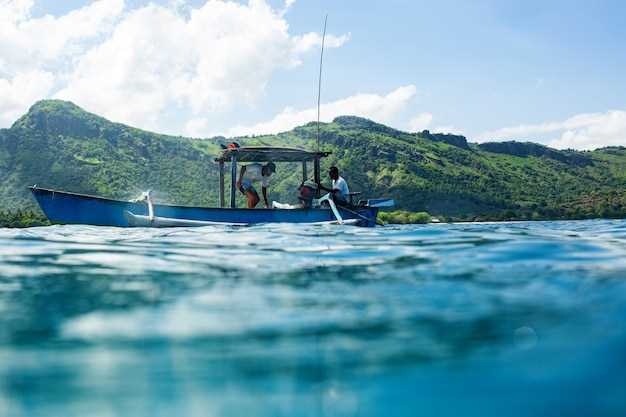
Install a registered EPIRB in a quick-release bracket, test with the national distress service, and replace the battery every five years. Keep it dry, within arm’s reach, lining the cockpit so you can trigger it with one hand if spray hits the console. In vogue terms, this kit prioritizes speed and simplicity. Bottom line: this beacon accelerates response when you’re far from shore, and most crews rely on it as their first line of support.
Calm to light chop (0-1 m): VHF is your main link. Clip a handheld radio to the lining of a life jacket for fast access, keep it elbow-height, and preprogram channels 16 for hails and 70 for DSC. Verify EPIRB status, antenna integrity, and battery age. The life raft should stay in its cradle with painter attached and hydrostatic release serviced. Carry two handheld red flares and two parachute flares for visibility, day or night. Check the first-aid kit: sterile dressings, antiseptic wipes, scissors, tape, and pain relief, with medicines stored in a dry bag to resist salinity. In this zone you’ll find grass along the coastline, diverse marine life, and activity around pollock and skipjack–feisty species that keep anglers busy and hunter instincts of pollock drive the action. If a fish is hooked, ease the line and avoid snagging the kit.
Moderate chop (1-3 m): Ensure liferaft inflation is reliable and can be deployed within 60 seconds. Verify painter line length and secure points, keep VHF on standby, and confirm you can reach the distress service if needed. Add a spare battery for VHF/EPIRB, and keep signaling gear accessible; consider extra flares for extended waits. Maintain a well-managed first-aid kit with wound-care items, burn gel, and electrolyte sachets. This approach suits the coasts of africa and patagonia, with a variety of seas and climates demanding readiness for deep-water operations. For anglers, maintain a steady cast rhythm during drills so the crew can join a distress broadcast quickly if required.
Heavy seas (≥3-4 m): EPIRB and VHF must stay powered and monitored; liferaft deployment is reserved for abandon-ship or major flooding. Ensure every crew member wears a PFD with a visible badge, and keep a continuous radio watch on 16 with DSC ready. Flares remain essential, but use them in concert with a beacon signal. First-aid supplies stay dry and accessible; include water purification tablets and a compact trauma kit. In deep water, keep the group together and maintain line of sight for a response team. Worth noting, this marathon-style scenario tests discipline; patagonia’s southern seas and africa coastlines require readiness to avoid entanglements and to stay within signaling range until help arrives. Regularly check bag lining, tighten straps, and monitor salinity exposure on gear, so you stay ready to cast when the moment comes.
Tackle Selection for Deep-Sea Gamefish: Rods, Reels, Lines, and Leaders
Start with a 50–80 lb offshore outfit: a slender 7 ft fast-action rod paired with a high-capacity reel such as a baitcaster or a robust lever-drag. Spool with 80–100 lb braided line and attach a 60–90 lb fluorocarbon leader. This setup delivers solid hook sets, resists reef strikes, and handles long runs offshore.
Line choices and knots: mainline 60–100 lb braid, leader 60–120 lb fluorocarbon. Use isabels braided line where available for abrasion resistance. Tie leaders with a FG knot or improved Albright; for quick changes, keep pre-tied uni-to-uni connections. While looking for the right fit, ensure a smooth transition from line to leader to minimize chafe.
Reels and safety: select reels with precise drag and durable gears; start drag at 25–30% of line rating and adjust during the fight; verify spool tension and capacity. involve crew briefing on line-handling and safety, and carry a current badge or license on board. Use certain drag settings for fighting big fish and inspect line wrap on the spool to prevent bird nesting.
Tactics and targets: offshore trolling spreads cover pelagic species like tuna and marlin; whereas reef and wreck pursuits demand stout leaders and slower retrieves near structure. Snook congregate around mangrove and grassy edges in southern zones; use a shorter leader with streamer lures to provoke bites when looking along edges. Speckled reef dwellers respond to bright streamers and spoons; african waters show similar patterns but require regional tackle tweaks. Amazing bite windows occur when current and moon phases align.
Tecnologie e segnali regionali: sonar moderni, contametri e rivestimenti resistenti alla corrosione aumentano l'affidabilità. Le informazioni provenienti dalla flotta influenzano le scelte di canne e mulinelli per anno e regione. La sicurezza rimane fondamentale in ogni viaggio, con formazione, un badge visibile e controlli di conformità. Le regolazioni dell'attrezzatura comportano l'uso di terminali più pesanti per il lavoro sulle barriere coralline e configurazioni più leggere per le acque libere, mantenendo al contempo l'equilibrio tra sicurezza ed efficienza.
Installazione e manutenzione a bordo: Nodi, attrezzatura e pezzi di ricambio per mari agitati
Tieni a bordo un kit di ricambi dedicato e ispezionalo prima di ogni viaggio. La ridondanza è obbligatoria in mari burrascosi; una maggiore affidabilità deriva da un kit preparato. Prepara una lenza principale da 80-100 libbre e terminali da 30-40 libbre, una serie di nodi comuni pre-annodati (Palomar, figura a otto e asola non scorsoia), guaine termorestringenti, girelle e crimpature di ricambio, grilli, un piccolo multiutensile e una sacca stagna per la protezione. Conserva il tutto in un armadietto asciutto e impermeabile vicino alla console. Per le corse costiere verso cabo and the mexico costa, una sostituzione rapida salva la situazione, e order articoli di ricambio online prima dei viaggi. Weve ho imparato che booking ahead riduce i ritardi per charters.
Nodi e cura del filo: Esercitati a fare questi nodi per una maggiore affidabilità: clinch migliorato, otto ripassato, Palomar e nodo scorsoio non-slip. Pre-annoda sezioni di lenza madre da 60-80 lb e leader da 20-30 lb; etichetta ciascuno con codici colore e tieni delle schede di ricambio. Ispeziona i nodi dopo una cattura e sostituiscili se appare qualsiasi scivolamento. Per configurazioni per trote e sgombri, usa una connessione snell o loop-to-snell e testala sotto carico moderato prima di lanciare. Quando ferrate, controlla l'abrasione della lenza e sostituisci le sezioni usurate; tieni la lenza di ricambio pronta per le configurazioni da fondo.
Rigging e componenti: Utilizzare sistemi di cambio rapido per più specie; avere una piccola cassetta degli attrezzi con girelle, crimp, manicotti, ami extra nelle misure 2-6, moschettoni di ricambio e aids per le riparazioni sul campo. Per la traina, utilizzare un terminale da 60-90 cm con una girella più robusta; per il fondo, utilizzare un paternostro con un peso. Utilizzare ferramenta in acciaio inossidabile per resistere agli spruzzi di sale; lubrificare i connettori con olio di grado marino in modo che siano sempre pronti. Tenere a portata di mano delle crimpature di riserva e una pinza a crimpare, oltre a un paio di grilli di scorta per sicurezza. Inoltre, tenere una cima di scorta a bordo per un rapido ripristino dell'attrezzatura quando il mare si fa agitato.
Kit di ricambi e scorte: Prepara un kit di scorta compatto: 2-3 bobine di filo, 2-3 rocchetti di terminale, 6-8 crimp, 4-6 girelle, 6-8 ami (misure 2-6), 2 set di pinze, guaina termorestringente, nastro adesivo e una piccola bottiglia di protettivo anticorrosione. Etichetta il contenuto e conservalo in una busta sigillata. Assicurati di poter portare questi articoli a bordo di charter internazionali. booking e online ordini; verifica le franchigie delle compagnie aeree per i pezzi di ricambio. Se requested Per evitare di dover aggiungere articoli a metà viaggio, usa una semplice checklist e una tasca ad accesso rapido per i rifornimenti veloci.
Routine di manutenzione: Risciacquare l'attrezzatura con acqua dolce dopo ogni utilizzo, asciugare accuratamente, quindi applicare una protezione di grado marino alle parti metalliche. Ispezionare nodi e rigging per usura; sostituire qualsiasi cima con punti piatti o sfilacciature. Abbiamo scoperto che controlli ben programmati prevengono i tempi di inattività e prolungano la durata dell'attrezzatura. Ricordarsi di registrare l'usura e rifornire le scorte prima delle stagioni di punta. Abbiamo visto che un semplice inventario dal basso verso l'alto aiuta a individuare i problemi in anticipo e ti mantiene pronto per le traversate costiere.
Pianificazione operativa: Mantenere una chiara order di parti e coordinare con subscriber equipaggi; per i percorsi lungo i costa, including cabo e mexico, prevedi un piano per la manutenzione in loco. Se qualcosa requested, presente available opzioni con diverse resistenze del filo e dimensioni dell'amo. Tieni traccia di scopi di ogni configurazione e osservare il comportamento di cattura (trota, sgombro, pesci di fondo) per mettere a punto le attrezzature. Controlla online cataloghi per internazionale le spedizioni e garantire la conformità alle normative locali, comprese le restrizioni sui materiali di imballaggio di origine vegetale. Coordinarsi con zealands e charter internazionali per allinearsi booking programmazioni e order scorte in anticipo.
Protocolli e esercitazioni di salvataggio: Procedure per uomo in mare e chiamate di emergenza
Passaggio immediato: Lanciare una boa di salvataggio con sagola verso la persona caduta in mare, gridare immediatamente “uomo in mare” e mantenere il contatto visivo mentre il timoniere esegue una virata controllata per avvicinarsi. Registrare l'ora dell'incidente MOB nel giornale di bordo, allertare l'equipaggio e assegnare una vedetta dedicata per localizzare il nuotatore e tenerlo d'occhio. Non saltare; dispiegare dispositivi di galleggiamento e, se possibile, lanciare il gommone per un recupero sicuro. Ricordarsi di mantenere l'obiettivo sempre in vista.
Protocollo di localizzazione e approccio: Identificare il punto di impatto, quindi localizzare la persona osservando i movimenti e ascoltando i segnali di soccorso. Utilizzare un modello di ricerca che dia priorità alla velocità senza abbandonare la precisione: settori brevi attorno all'imbarcazione, quindi ampliando per includere le aree sottovento e con la corrente. Considerare la salinità, la marea e il vento per prevedere la deriva; utilizzare radar e AIS per confermare la posizione e comunicare le coordinate in una sequenza chiara e ripetuta a tutti i membri del team. Registrare l'area di deriva e il risultato di ogni passaggio e tenere una voce di registro per la formazione futura.
Cadenza delle esercitazioni: Eseguire mensilmente esercitazioni MOB ricche di azione e variare gli scenari per coprire contesti costieri, fluviali e di acque libere. Ad esempio, esercitarsi vicino all'imboccatura di una laguna o alla foce del fiume Waiau, quindi in aree con altro traffico per simulare la complessità. L'equipaggio alterna i ruoli: timoniere, vedette e comunicazioni, in modo da acquisire familiarità con il processo decisionale in tempo reale. Gli esperti progettano gli script e, dopo ogni esercitazione, redigono un riepilogo delle lezioni apprese nel manuale per un uso futuro. Spesso, queste sessioni includono la segnalazione con luce, radio e segnali acustici per affinare i tempi di risposta e mantenere i margini di sicurezza.
Interventi di emergenza: Quando si verifica un'emergenza reale, iniziare una chiamata di Mayday sul canale 16 VHF, quindi passare a un canale di lavoro per comunicare posizione, nome dell'imbarcazione, rotta, velocità, deriva e numero di sopravvissuti. Parlare chiaramente e a brevi intervalli per evitare errori di comunicazione. Utilizzare frasi predefinite per ridurre la confusione; ripetere la posizione per verificarne l'accuratezza; chiamare la guardia costiera o il servizio di emergenza se l'obiettivo esce dall'arco visivo. Assicurarsi che l'equipaggio intorno al ponte sia allineato e pronto a rispondere a segnali luminosi o acustici.
Analisi post-incidente: Revisione post-azione con l'equipaggio, verifica dei dati da VHF, GPS e dal registro; confronta i risultati con il manuale di addestramento; documenta le aree di miglioramento e implementa le modifiche nelle checklist per le esercitazioni future. Includi il contesto ambientale: condizioni costiere vicino alle foci del fiume Laguna e Waiau, condizioni di luce arcobaleno all'alba, variazioni di salinità e correnti di marea. Prendi nota delle osservazioni sulla vita marina come saraghi, merluzzi e sacche di gamberetti attorno alle strutture per aiutare a calmare il viaggiatore. Usa le foreste e la costa come riferimento per gli indizi sull'habitat e aggiorna il piano di preparazione globale in modo che si sentano sicuri in qualsiasi viaggio.