


 Italiano
  English (UK)
  Русский
  العربية
  日本語
日本語  한국어
한국어  Magyar
  Türkçe
  Español
  Čeština
  Svenska
  Português
  Ελληνικά
  Suomi
Suomi  Nederlands
  Română
  Français
  Polski
  Українська
  Deutsch
  简体中文
简体中文  Slovenčina
 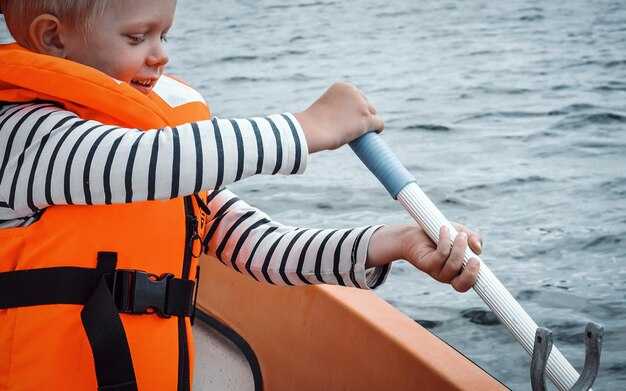 Essential Safety Tips for Swimming Around Boats">

Wear a Coast Guard–approved vest before approaching watercraft, and keep your head above the spray. Youre more visible, flotation is ensured, and drowning risk drops when you stay strapped in. preparation reduces delays in emergencies and gives you time to react to debris or sudden movement.
Keep at least arm’s length away from moving parts and propellers, and watch for debris that may surface with wake. Use your arms to shield your head, and keep your stance broad to maintain balance as the watercraft shifts unexpectedly.
Follow crew signals and keep your friends within sight, even when waves push you off line. whatever happens, Stati guidelines emphasize a buddy system, which teach quick action if someone loses footing or enters distress.
Preparation includes checking weather, tides, and vessel traffic, and familiarize yourself with near-water rules. Arrive early to observe patterns of traffic and the reactions of the nearby crew, though conditions can shift quickly. Knowing these ahead of time will help you adapt quickly if a wake changes course.
If you unexpectedly slip, stay calm, tuck your chin, and use your arms to regain buoyancy; alert friends immediately so help can arrive quickly, because quick communication matters near watercraft. Remember that a sudden dip may happen in any scenario, regardless of your familiarity with a given waterway.
Practice sessions in calm zones with experienced friends will teach real handling skills you can rely on when conditions shift. This preparation will reduce panic, protect the head, and help you stay safe near moving watercrafts and unpredictable debris.
Swimming Around Boats: Practical Safety Tips for Boating and Water Sports
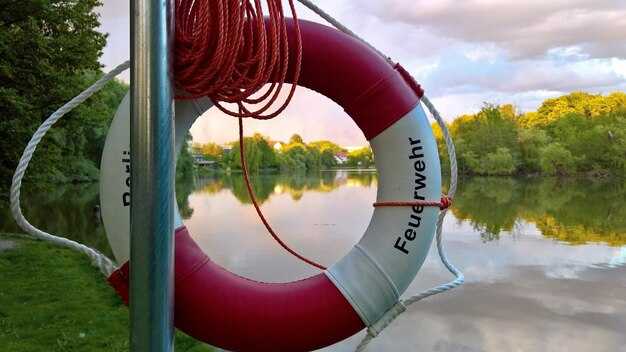
Put on a USCG-approved PFD immediately before approaching any wake-producing vessel and fasten all straps securely.
Maintain a communication system that includes signaling devices, a whistle, a waterproof handheld radio, and a throw line.
Know regulations that govern use near docks; the likely risk rises during line handling and engine wake.
Establish a clear communication plan among teammates; designate someone to watch the head area and signal if waves change.
Keep a safe distance from the vessel, and store floating toys out of propeller paths.
Monitor motion and wind; summer conditions can bring larger waves and faster changes in energy. Learn about local conditions and rules before any session.
After entering or exiting, check gear for wear, and replace any damp items; remain hydrated and rest when signs of fatigue appear.
Respond quickly to a gasp, sudden immersion, or any accident; call local responders if a person cannot resurface.
Be aware of poisoning hazards from fuel or chemical spills; use gloves when handling any contaminated gear and wash hands after contact.
heres a practical checklist you can use aboard or on shore: ensure PFD fits snugly; verify signaling devices function; test radio; secure floating toys; keep distance; observe waves and wind; plan an easy exit; rehearse actions to respond.
Safety tips for swimming near boats and watercraft
Ensure supervision by an operator or trained observer within arm’s reach when a swimmer is near watercraft. Confirm a plan enabling rapid exit if visibility declines or a vessel approaches. Follow guidelines established by local authorities to standardize actions.
Teens should become proficient after completing a certified course that covers self-rescue, buoyancy, and signaling distress. Having this training improves survival odds whether currents are mild or strong.
Stay alert to traffic patterns and follow the operator’s instructions. If there is a hazard, alert the observer and move in a safe direction away from the hull, propeller, and tow lines.
Use personal flotation equipment and keep it within easy reach. A whistle can be used to call attention, while a throw bag provides a safe way to assist without entering the water.
After entering water, maintain a buddy system, stay within calling distance of the observer, and avoid areas with wake or spray. Practice self-rescue by floating on the back, controlling breath, and a quick reaction to changes in conditions.
After any drill, ensure the kill switch works and that responders know how to act if a vessel starts its engine unexpectedly. The kill switch should be tested by having someone nearby ensure it functions properly, preventing injury.
Wear a snug life jacket before entering the water
Put on a snug, properly adjusted life jacket and fasten every strap. Do an index test: slide two fingers between the collar and your neck to confirm a tight yet comfortable fit. If the jacket rides up when you bend or reach for a paddle, resecure it until it stays flat against your torso.
Typically, keep the jacket on toward the waterline; a secure fit minimizes a gasp if immersion occurs and supports head alignment. Gear that stays in position lets swimmers stay buoyant and gives you better control while signaling or guiding others. Those who neglect this step increase concern for everyone nearby.
Understand how to respond quickly in a spill: stay calm, keep to a simple plan, and move toward shore or a safer position as conditions allow. Toward emergency scenarios, check straps remain tight and keep the buoyant material properly positioned. Having a backup plan and knowing where a helper is located could reduce risk and enhance judgment.
Inspect gear after each outing: check seams, buckles, and inflation components. If any failure or wear is detected, retire the jacket and replace. Swimmers benefit from invaluable routines that support safety during water-related activity. The guidebook, источник, and ongoing training, situational awareness, and the ability to respond promptly as conditions change, form the backbone of safe behavior. Great resilience comes from repetition and staying prepared for emergencies, so stay vigilant.
Keep a safe distance from hulls, propellers, and moving gear
Maintain a minimum 5 m (16 ft) distance from hulls, propellers, and any gear in motion. Your position keeps you clear of wash zones in river traffic, with line of sight on approaching vessels to prevent becoming injured. Move deliberately, avoiding sudden turns that pull you toward operating parts. Stay in open water, while remaining visible to helpers and monitoring traffic index along both banks.
Spot a safe path before entering zones with higher activity. If crowds shift, substitute a route along the clean water line, staying away from the propeller arc and moving gear. Staying aware of motion around vessels helps reduce slip risks. After heat exposure, take short breaks, hydrate, and reassess your route when needed.
Wearing a flotation device when near moving gear is advised. Ensure devices are in good repair, fasten securely, and keep them on while near busy water. Grasp with your hand if you need extra stability, and bend the knees during entry or exit to lower impact on legs while you maneuver.
In emergency, rely on friends to assist and use devices to signal. If someone ends overboard, shout, point toward a safe spot, throw flotation, and stay with the person until help arrives. After retrieval, check yourself against heat stress, then rotate tasks among peers to maintain recovery and readiness.
Steps include learning to assess conditions, staying calm, and using substitute paths when needed. Keep a handhold where possible, spot signaling devices, and maintain your distance during traffic peaks. Parent and friends nearby can help with vigilance while you stay alert.
| Situazione | Distance | Action |
|---|---|---|
| Approaching hulls in river traffic | 5–10 m | Keep path straight, spot propeller arc, watch motion of nearby vessels |
| Docking near engines and wake | 5 m | Stay clear of wash, maintain visibility toward the center, avoid crossing stern |
| Overboard incident | Immediate action | Throw flotation, activate devices, stay with survivor, signal crew |
Check weather, tides, and boat traffic before swimming or engaging in water sports
Concrete directive: check weather, tides, and vessel traffic; if wind exceeds 15 knots, waves exceed 1.5 m, or water feels cold, cancel the outing and return to shore.
- Weather and hazards: Look at the latest forecast: wind speed and direction; air and water temperatures (cold); average wave height; currents. If gusts reach or exceed 25 knots or seas climb beyond 1.5 m, fatal hazards rise and risk becomes high. Each person should evaluate their comfort; if you feel unsteady, step back. An observer on shore or deck can track changes and signal retreat, and you should follow that signal to safeguard yourself and their group.
- Tides and currents: Check tide charts and current arrows in the area; high tide can push currents into channels while low tide reveals rocks and hazards along shore. Plan a swim path that stays within safe depths and toward an open exit in your direction of travel; down currents can sap energy quickly, so keep movement efficient and stay alert to shifts in direction.
- Vessel traffic and visibility: Review vessel activity with AIS apps or marine radio; identify their direction and keep well away from wake zones. Use devices to stay connected and maintain a visible line of sight with an observer. If a large craft approaches, alter your course toward open water and signal to onlookers with a whistle or light.
- Gear and self-rescue readiness: Required items include a PFD and signaling devices. Put on buoyant devices; carry whistle. Practice self-rescue drills and stay within reach of shore or a safe exit. If you are alone, have a plan with a buddy and communicate it to someone. Yourself should remember that backstroke can help keep you oriented toward the exit, and knowing how to float reduces fatigue.
- Decision triggers and response: Conditions can shift quickly while you are in the water. Look for alert signals; changes in wind direction or a sudden rise in waves. If you feel fatigue, changes in feel, or signs that you cannot maintain control, retreat toward the shoreline. This approach keeps bodies closer to help, reduces risk of being carried down current, and helps you prioritize self-rescue.
Establish clear signals with the boat operator and other swimmers
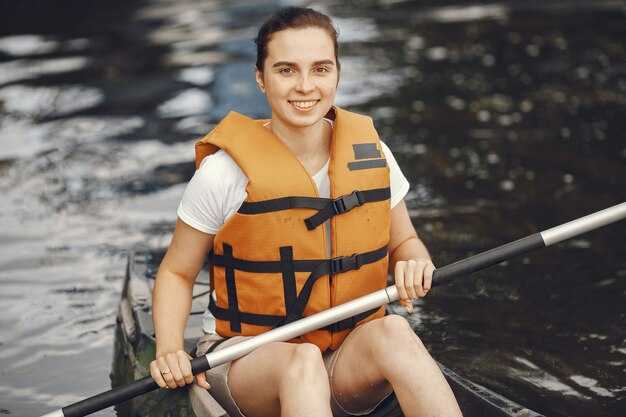
Implement a simple, pre-agreed cue system with the boat operator and all participants before boating begins. This reduces miscommunication and lowers the risk of fatalities.
- Agree on a primary audible cue and a secondary visual cue that all swimmers understand; e.g., one long whistle from the operator means stop, two short whistles mean gather near the boat.
- Use distinct visual signals: raise a flag, wave a towel, or point to a brightly colored jacket or water wings so the operator and others see the cue from a distance.
- Assign clear roles: lead swimmer monitors signals, a spotter on deck, and a back-up if someone becomes separated.
- Practice the sequence a few times in shallow water with the vessel stationary, so everyone associates cues with actions without gasp moments.
- Adjust signals with changing weather, visibility, and currents; weigh conditions in advance and communicate any changes to participants.
- Groups with children should ensure life jackets are worn, water wings are on hand, and signals are understood by all ages.
- Post a simple reference card around the boat or on-site poster; this is especially helpful when school groups or families with children participate, so everyone can review it quickly.
- In case of doubt, halt and re-check with the operator; never rely on assumed cues or informal greetings when people are in the water.
источник: официальный источник руководств по безопасному взаимодействию на воде
Know quick exits and how to reach shore or safety quickly
Move to the nearest shore or safe exit with purpose when dangerous conditions escalate.
Watch signs of trouble: rapid fatigue, sudden loss of buoyancy, or misalignment in motion that pulls you away from a vessel while afloat, unexpectedly worsening.
Assign roles among friends and passengers: designate a lead and a backup, so someone responsible can keep the group moving toward the same direction and you stay together, increase your chance to reach shore.
Keep a throwable flotation item within reach and deploy it to assist someone who cannot reach shore by themselves.
Familiarize yourself with exits: locate ladders, gangways, or clear paths on the vessel and memorize the proper route to land.
Develop skill in the sequence of movement: steady kick, controlled stroke, and timely reaction to every shift in wind or current.
Pay attention to signs posted on deck and follow crew instructions; safety remains paramount, so do not isolate yourself or return to danger.
Stay afloat and avoid poisoning fumes or fuel leaks by moving to open water if needed.
If alone, maximize awareness, identify источник of distress signals, and begin toward shore while calling for help.
Maintain distance from other bodies on a busy deck or craft; keeping space reduces risk of collision and enables a swift exit.
Practice exit drills during calm moments so reaction time improves, increasing your odds of reaching safe ground.