


 Italiano
  English (UK)
  Русский
  العربية
  日本語
日本語  한국어
한국어  Magyar
  Türkçe
  Español
  Čeština
  Svenska
  Português
  Ελληνικά
  Suomi
Suomi  Nederlands
  Română
  Français
  Polski
  Українська
  Deutsch
  简体中文
简体中文  Slovenčina
  Ecotourism – Our Vision for Sustainable Ecological Travel">

Choose certified ecotourism experiences and travel with purpose: limit your footprint to protect ecosystems. Within diverse environments, this choice supports the planet by prioritizing conservation over massive tourism, and like local guides who honor traditions and carry knowledge stored in communities, you can make a good impact from day one.
To ensure the best experience, partner with a community-led operator that publishes measurable conservation outcomes. This model can empower residents–from rangers to artisans–to honor traditions and keep revenue stored locally to fund restoration, education, and capacity building. In rainforests and other fragile habitats, cap daily groups, require certified guides, and shift to low-impact transport to protect biodiversity.
Design itineraries that celebrate local traditions, protect habitats, and connect travelers with researchers who explain ecological processes. When you visit, choose off-peak slots to reduce pressure, stay in eco-lodges powered by renewables, and join citizen-science activities that feed data stored in regional databases. This approach helps you feel connected within local environments and transforms travel into collaborative learning.
Join a movement that treats tourism as a tool for conservation, not a distraction from it. This call to travelers prioritizes good choices: respect local traditions, support women and youth, and share experiences that empower communities. As you explore rainforests, reefs, and mountain farms, act within environments with care to protect the planet for future generations. This isnt about removing adventure; it’s about stewardship.
Clarify community benefits aligned with conservation outcomes
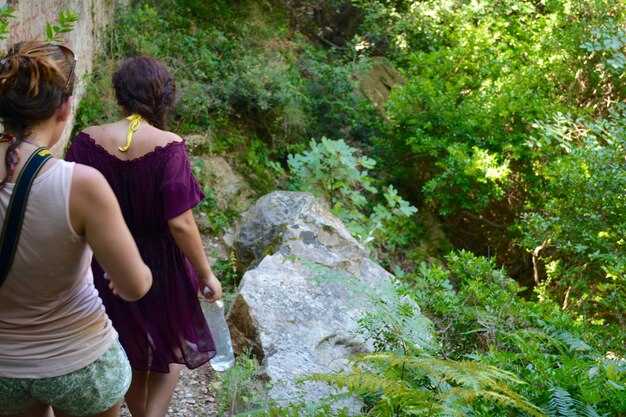
Implement a local-benefit plan that ties every tourism action to conservation outcomes and reports results to the area quarterly. The plan centers on maple forests around the community and engages certified guides who deliver authentic hiking experience to guests while protecting habitat around trails and leaf litter along the path.
Definition of success specifies that a share of tourism revenue stays within their economies and within the area, creating jobs, funding training, and maintaining effective patrols. Avoid non-necessary fees or activities that do not advance conservation goals. Guests learn how leaf litter and canopy signals reflect habitat health.
Action steps include establishing a transparent call for collaboration among residents and business owners, building a map of revenue flows, and setting clear performance indicators for conservation outcomes and community benefits. Local partners coordinate with guests to deliver meaningful action, such as litter cleanups and citizen-science observations during hikes.
| Activity | Conservation outcome | Local benefits |
|---|---|---|
| Hiking with certified local guides | Preserves 18 km of trails; reduces erosion by 40%; lowers wildlife disturbance | Income to 12 families; 6 guides gain certification; additional revenue for trail-maintenance suppliers |
| Patrols and trail maintenance | Litter reduced by 60%; protection of sensitive habitats around key areas | Seasonal wages for 8 rangers; purchases from local gear shops |
| Visitor education programs | Increased environmental awareness; improved reporting of wildlife sightings | Training for 25 teachers; 3 local schools participate; local tours with leaf-themed interpretation |
| Maple-leaf habitat restoration and monitoring | Restored 5 ha habitat; stronger pollinator networks | Local nurseries supply saplings; 40 volunteers participate |
Clear reporting strengthens trust among tourists and local households, aligning business with habitat protection and sustaining economies around conservation goals.
Design low-impact itineraries to minimize habitat disturbance
Design itineraries with a community-led approach, cap daily visits, and route trips along built, well-marked trails to minimize soil disturbance. Map known habitats before opening routes and set a strict per-visit limit, ensuring each visit aligns with conservation goals and local values. This isnt about denying access, but about protecting habitats for future generations.
Prioritize birdwatching along quiet edges and follow low-impact observation habits: move slowly, keep voices soft, maintain a respectful distance from nests, and stay on established paths. This approach protects rainforests and fish habitats while delivering an educational experience.
Connect trips to livelihoods by hiring local guides and operators, supporting traditional knowledge, and purchasing goods from nearby communities. Build in clear waste guidelines: pack out what you bring in, minimize single-use plastics, and manage associated waste so their livelihoods benefit from responsible tourism. This united approach strengthens trust and creates meaningful, respectful exchanges during every visit between visitors and their communities.
Establish a simple monitoring kit: track group size, duration, trail condition, wildlife sightings, and waste. Keep trips to eight or fewer participants and under four hours, schedule visits during non-sensitive seasons when possible, and update maps and guidelines after each season, ensuring ongoing protection of habitats.
Set on-site resource standards for water, energy, and waste
Audit baseline consumption and install metering to set site-specific standards for water, energy, and waste, then publish progress on the website for transparency and accountability.
Water and energy standards
- Water: baseline measurement and target – potable-water use ≤ 40 L per guest per day, with non-potable reuse for toilets and irrigation covering 60‑80% of area needs; monitor with sub-metering at each unit and common spaces; use a maple leaf icon on the website to mark certified performance.
- Water: rainwater harvesting and greywater reuse – install systems with capacity 5‑15 m3 per building and route to irrigation and toilet flushing; disinfect to meet safety standards; landscape with native, drought-tolerant plantings to reduce irrigation and support habitats.
- Energy: on-site generation – install solar PV sized to meet a major share of annual energy demand; target 60‑70% of annual energy from on-site solar with battery storage within 5 years; monitor with sub-meters by area and guest flow.
- Energy: equipment and operation – deploy LED lighting in all public and guest areas; use smart controls and natural ventilation to minimize cooling needs; maintain equipment to extend life; track energy intensity (kWh per guest-night) on the website.
Waste standards
- Waste: diversion and recycling – aim to divert 75‑90% of non-hazardous waste from landfill through recycling, composting, and reuse; conduct regular waste audits and report results on the website; move toward a zero-waste mindset.
- Waste: single-use plastics – eliminate or minimize; provide reusable cups, bottles, and service ware; choose compostable alternatives where necessary.
- Waste: food and organic waste – implement on-site composting or digestion; aim to compost 60‑80% of kitchen waste; use finished compost for native landscaping to reinforce habitat resilience.
- Waste: supply chain – work with local suppliers to reduce packaging and encourage returnable containers; require certified packaging reductions in procurement.
Example: In Kenya, a lodge within a nature-based parks area implemented rainwater harvesting, solar PV, and composting; potable water use dropped by 35%, energy use by 50%, and waste diversion rose to 80% within two years.
Promote cultural respect and wildlife stewardship among travelers
Choose certified, community-based tours that include cultures respect training and wildlife ethics guidelines to set a clear standard for your trip. The program includes a pre-trip education module and on-site interpretation that helps guests understand the associated cultures, popoli, and wildlife.
Before you go, review operator profiles that emphasize conservazione e ambientale stewardship, and select those that are associato con aree protette in parks and reserves. This informed choice supports economie by channeling funds to local communities and conservation programs. This supports the function di economie sostenibili e iniziative di conservazione.
During hiking e fauna selvatica esperienze, mantenere distanze rispettose, evitare di nutrire o toccare gli animali e rimanere sui sentieri stabiliti. Tali azioni proteggono some species e ridurre le perturbazioni a nidi, rifugi e habitat, offrendo un apprendimento più approfondito per visitatori e gente del posto.
Interagisci con guide locali che sono certified e addestrato in cultural protocolli e l'etica della fauna selvatica. Le loro intuizioni helps capisci il locale cultures e il contesto ecologico di ciascun sito, monitorando al contempo gli impatti ambientali e migliorando gli effetti positivi del turismo per le comunità.
helping la conservazione diventa tangibile quando gli ospiti partecipano a certified programs that include restauro dell'habitat, scienza partecipativa e pulizia dei rifiuti. Questa struttura rafforza il rispetto per parks e species e supporta il economie del host popoli e cultures.
Stabilire un monitoraggio e una rendicontazione trasparenti delle metriche di conservazione
Implementare un cruscotto pubblico che monitori le metriche di conservazione attraverso siti di ecoturismo e pubblichi report trimestrali verificati da terzi. Questo framework dovrebbe essere guidato da un team multisettoriale e finanziato da una porzione di entrate, garantendo che le comunità locali e il paese beneficino dei dati e delle decisioni, come la preservazione della biodiversità e il sostegno all'industria sostenibile. Sebbene sia necessario un investimento iniziale, il ritorno è una protezione più chiara degli ecosistemi e una migliore esperienza per gli utenti e le comunità.
Gli indicatori dovrebbero coprire le dimensioni ecologiche, sociali ed economiche: area di habitat protetta, andamento della popolazione all'interno del raggio d'azione per le specie chiave, qualità delle acque costiere, riduzione dei rifiuti e progressi nel ripristino dei siti degradati. Includere metriche sui loro modelli di utilizzo e su come le pratiche tradizionali supportano la protezione delle risorse a livello locale, come descritto dagli anziani locali che gestiscono gli habitat costieri più antichi. Le fonti di dati includono input raccolti a livello locale da guide e rapporti dei visitatori, insieme a indagini scientifiche e immagini satellitari. I sistemi di raccolta dati stabiliscono parametri di riferimento, definiscono obiettivi a breve termine e obiettivi a termine-lunghezza e sono convalidati da osservatori indipendenti; prestare attenzione alle anomalie e segnalarle nei rapporti. Questo schema è stato documentato; i dati della comunità migliorano la precisione e la fiducia.
Governance, trasparenza e responsabilizzazione
Costituire un gruppo di governance che includa leader locali, operatori di ecoturismo, personale delle aree protette e ricercatori. Questo team è stato formato per responsabilizzare le comunità e garantire che possano influenzare le decisioni sulla durata del mandato. Cruscotti aperti, brevi narrativi e riepiloghi trimestrali dovrebbero essere pubblicati per i residenti locali, i gruppi di utenti e le autorità nazionali. Reinvestire una parte delle enormi entrate nella protezione delle risorse, degli habitat costieri e dei mezzi di sussistenza tradizionali. Il sistema dovrebbe lasciare spazio all'adattamento man mano che le condizioni cambiano e dovrebbe favorire la collaborazione tra di loro, aiutando il settore a prosperare proteggendo il loro patrimonio e l'ambiente.