


 Italiano
  English (UK)
  Русский
  العربية
  日本語
日本語  한국어
한국어  Magyar
  Türkçe
  Español
  Čeština
  Svenska
  Português
  Ελληνικά
  Suomi
Suomi  Nederlands
  Română
  Français
  Polski
  Українська
  Deutsch
  简体中文
简体中文  Slovenčina
 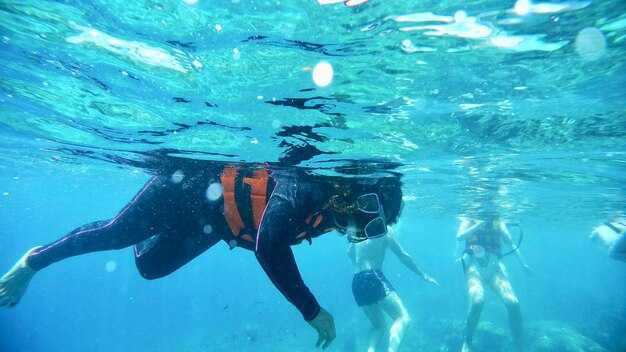 DIVE CAYMAN – Cayman Islands Diving — Best Dive Sites">

Start with a three-night plan on Grand Cayman and hit three top reefs within a short boat ride. Keep the pace steady and use a direct, point-to-point route to minimize surface time and maximize underwater time. Before you go, confirm water temp and visibility with your operator, as conditions shift with wind and tide; you may need to adjust bookings a day ahead.
Each site offers a different flavor: the shallow wrecks near George Town, and the long reef walls that drop toward 120 ft. This mix gives a paradise feel with clear water, healthy corals, and vibrant reefs. If you are looking for icons, plan a morning on the USS Kittiwake wreck and a drift along large reef ledges; you should have three distinct experiences in one day.
For marine life, expect large pelagic patterns and steady action: turtles cruising by, rays gliding over sandy flats, and lemon sharks near the outer edges of the walls. The best months for visibility are late spring and fall, with water typically ranging from the mid 70s to mid 80s Fahrenheit, depending on wind. Look for conditions that keep currents gentle; that makes reefs and wrecks great to observe up close.
To maximize time, pick a three-site route: start near George Town, move to a mid-island site, and finish near Cayman Brac if you stay longer. The direct approach reduces travel legs, keeps you with a local guide, and helps you maintain a steady schedule for your underwater explorations. If you travel with a small group of three or four persons, you’ll share gear and reduce costs. Use a step-by-step plan to lock in the sequence and stay efficient.
When planning, check equipment needs: bring a spare regulator, a surface marker buoy, and a robust surface support plan. The team can tailor a schedule that fits three main sites, with backups if seas calm. On Little Cayman and Cayman Brac, you’ll find larger reefs and occasional swim-throughs that reward careful swimmers and photographers. Be sure to confirm night slots and logistics before you arrive.
Stay three nights near George Town to maximize your options; you’ll have the chance to sample both reef and wreck environments, plus easy logistics to transfer between islands. For first-timers, book with a Cayman-based operator that offers point-to-point transfers and a clear safety brief. This approach keeps your experience smooth and ensures you leave with more memories.
Junior-diver friendly sites near Grand Cayman
Begin with the Kittiwake Shipwreck, a sunken hull off Seven Mile Beach, ideal for junior-access days. It gives a gentle entry and clear views through the wreck, with soft corals nearby. youll spot crabs tucked under rails and spotted reef life weaving around the hull, a great backdrop for buoyancy practice. Vacationing families appreciate the calm, protected conditions here and the short, point-to-point routes that stay near the surface.
eden Rock sits just offshore, offering shallow pockets in 5–20 ft waters. It presents soft corals, small reef life, and sunny views through clear water. This site supports vacationing families and is a solid step for building confidence, with easy contact options for schedules that suit international guests.
North Point Reefs comprise a cluster of small patches at 10–25 ft, with gentle currents when you follow a point-to-point approach. The life here includes crabs and spotted wrasse, with great opportunities to observe life from surface to reef edge.
For planning, contact our international team to tailor a safe, family-friendly program. (owen) coordinates on-island support to align with age and comfort levels. This union creates a dream day on the reefs, and youll leave with memories of life and eden views across the islands.
| Site | Typical depth | Why it’s junior-friendly | Highlights |
|---|---|---|---|
| Kittiwake Shipwreck | 15–60 ft | Sunken hull, gentle entry, soft corals, calm currents | Sunken hull, crabs, spotted life, great buoyancy practice |
| eden Rock | 5–20 ft | Very shallow pockets, sheltered, easy navigation | Patch reefs, soft corals, clear views |
| North Point Reefs | 3–7,5 m | Small patches, point-to-point routing | Crabs, spotted fish, abundant life |
| Stingray Sandbar | 5–12 ft | Snorkel-friendly, gentle conditions | Rays, easy starts, stunning views |
Shore-diving options for kids and teens
Take a 1-tank shore excursion along the port area with a kid-friendly guide; this short, shallow option keeps safety first and offers a perfect introduction for ages 6–16.
Best shore spots for kids
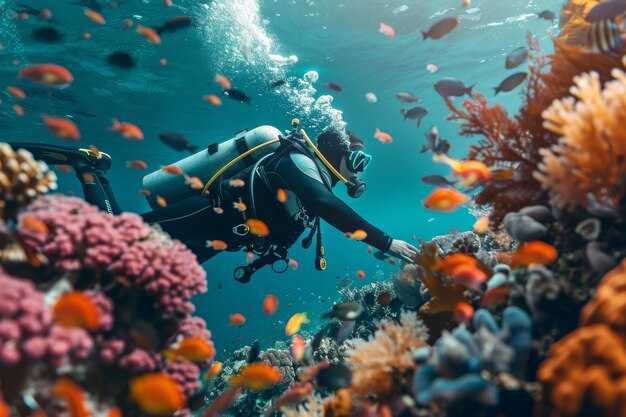
Start at the harbor entry with a low-water step into the sea, then glide over a flat, sandy bottom to reach coral patches that are small and easy to observe. In eden-like shallow zones you will see great colorful corals and a calm mix of reef life, ideal for snorkelers. Guides point out canyons and reef alcoves without getting deep, making each stop a new micro-world to observe. A Cuban vibe area near the breakwater keeps water tranquil and visibility clear. The union of local guides ensures safety and gear standards; youll find well-fitting masks, snorkels, and fins. Charter operators often offer a 1-tank option that stays in shallow water, with a return to the port after about 30 minutes, giving you time to shop or rest. Youll also gain tips on what to look for and how to respect corals.
What to bring and safety tips
Bring a small bag with reef-safe sunscreen, a long-sleeve rash guard, water, and snacks. Rent a mask, snorkel, and fins at the shop; ask for kid-sized gear and a shorter fin for balance. Wear reef-friendly sunscreen and lightweight water shoes for the step into water. Use the buddy system; stay close to your teen and avoid strong currents. Stay in areas with shallow depth; if you sense the water getting deeper, signal to turn back. Follow the safety briefing from the guide and avoid touching corals. Youve got a good chance to see eden corals and canyons from the surface; youll also get a map of nearby shop and union-certified gear centers. After the session, youll have time to pick up a card from the port shop or join a kid club at the marina; remember that safety comes first and keep your gear in a small, easy-to-handle bag.
Teen dives and family-friendly wrecks: depth and safety
Start with a shallow, non-penetration wreck such as the USS Kittiwake near george Town, Caymans. The hull rests at roughly 12–20 m, offering clear lines for buoyancy work and easy communication on a family excursion. Ensure each teen stays with a buddy and a qualified guide; this approach has been proven safe and enjoyable.
Safety begins with a 20-minute pre-brief and a depth limit of 12 m for participants with Junior Open Water certification, all under close supervision by a guide. This plan does require parental consent for under-15 participants; maintain a buddy system and avoid any penetration of wreck spaces.
To combine learning with variety, book a 3-tank morning excursion that threads in other shallow wrecks and a canyon edge within 8–12 m. This keeps the experience within teens’ comfort while allowing progression.
Visibility typically ranges 15–30 m on calm days; water temperature sits around 26–28 C during the season. Pack a 3- to 5-mm wetsuit, sun protection, and reef-safe sunscreen; a hood helps on cooler mornings.
Wildlife includes stingrays in nearby shallows; observe from a safe distance and avoid chasing. Stay with the group and follow the operator’s safety link to rules. The Caymans offer amazing encounters that families remember. Here, jacques spirit of exploration shows in the care taken by local guides.
The jacques influence continues in safety practices, and staying with the group during the excursion builds confidence without rushing. Jacque? No–jacques lives on in the respectful approach of local crews.
For safety, stay within skill level, avoid deep currents, and keep issues to a minimum. The safety briefing on the 3-tank morning excursion ensures gear is ready, and the local guide can show a house reef route for afterward. This plan lets families stay together through a mile-long coastline and build memories that last beyond the trip.
International operators publish annual safety briefings and provide review pages–check one that matches your family. A well-chosen schedule gives teens time to explore canyons, wrecks, and reef life without pressure.
PADI Junior certifications: age requirements and progression
Start with a staged path: begin with the PADI Junior Open Water Diver certification at age 10 and plan to upgrade to Open Water Diver at 15 for full certification. Choose operators near port and friendly clubs that stay accessible, provide good time in a seven-step progression, and offer excursions to beautiful sites. In Cayman, you’ll find rock walls, sunken wrecks, and abundant fish and sponges that make every lesson engaging and safe.
Age requirements
Junior Open Water Diver – minimum age 10. Training occurs under the supervision of a certified adult until the student turns 15, when the certification upgrades to the full Open Water Diver credential. Junior Adventure Diver – minimum age 12, up to 14; it provides a subset of open-water experiences and can upgrade to Open Water Diver o Adventure Diver once they reach 15. The Master Scuba Diver rating is adult-only, requiring 18+, and is built from Open Water Diver plus Advanced Open Water Diver, Rescue, and multiple specialties. Operators in named Cayman clubs typically align with these rules, ensuring safety and group cohesion for younger students.
Progression steps
Step 1: complete core theory and pool skills in a club setting, with time carved out for questions and buddy practice. This builds a solid foundation before any open-water sessions. beautiful underwater topics and early experiences reinforce confidence.
Step 2: finish the Junior certification track (Open Water Diver or Adventure Diver) through multiple sessions, often spread over weekends, with a designated instructor and a small, supportive group.
Step 3: complete the supervised open-water checkouts at a sheltered site near the port, with a safe walk from facilities to the water. They’ll learn to manage buoyancy, navigation, and teamwork with peers, never rushing safety time.
Step 4: once they turn 15, upgrade to the Open Water Diver credential, unlocking more site options and deeper exploration while staying within a supervised framework initially.
Step 5: after Open Water, pursue multiple specialty options; many programs offer seven or more paths, including buoyancy, navigation, and reef ecology, expanding opportunities to tailor training to interests.
Step 6: practice at accessible, nearby sites with sunken ships, mile-long walls, and beautiful rock formations to build skill and familiarity with currents, fish, and sponges.
Passo 7: join escorted excursions with operators from the port area, enabling your child to stay in a safe, guided setting while meeting other young divers, expanding time in the water, and fostering a lifelong love of the underwater world.
Booking tips for families: best times, locations, and gear needs
Book Saturday morning family sessions near Eden Rock with a shallow reef; this setup minimizes chop, keeps currents gentle, and gives kids a comfortable start. Look for a padi-certified guide who can adapt the pace for varied ages, and confirm a family-friendly plan ahead of time.
- Quando prenotare – choose morning slots between 9:00 and 11:00 to benefit from calmer seas and better visibility. Sessions last about 60–75 minutes in shallow water, followed by a brief on-land safety talk. You would schedule a backup time on the same day in case weather shifts, and you should begin planning at least 3–4 weeks ahead during peak season.
- Where to go – start at a house reef zone near Eden Rock or a sheltered wall site such as the great walls along George Town coast. For variety, mix a tiny, colorful reef loop with a second short stretch along tarpon-rich flats; this keeps energy high without overtaxing younger participants. For the full family experience, ask which sites allow short, guided snorkeling trips and where kids can observe reef life without crowds.
- Gear and packing – bring snorkeling gear (mask, snorkel, fins) sized for children, plus life jackets or buoyancy aids for the littlest swimmers. Pack rash guards, reef-safe sunscreen, water shoes, a dry bag, and a compact change of clothes for after. If gear is included in the package, confirm sizing and reserve a backup set in case of fit issues; a small snack and water bottle help sustain energy between breaks.
- Guides and safety – request a professional, family-friendly guide; Owen often adapts beats to keep youngsters engaged. Ensure the guide is comfortable with currents and can lead a short, calm briefing before entering the water. Look for a program that includes a safety briefing, clearly marked boundaries, and a plan to end early if anyone feels uncomfortable.
- What to ask during booking – ask which gear is included, whether a child-friendly mask fit is available, and if the operator can tailor the pace for multiple ages. Inquire about weather windows and cancellation policies, as most operators offer flexible rescheduling within a reasonable period. Next, confirm the total price, what discounts apply for families, and whether photos or a short recap video can be added as part of the package.
- Tips for a smooth day – arrive well-hydrated and rested, begin with a short shore briefing, and keep sessions short for tiny swimmers. If you would like a longer option, plan two light sessions with a rest in between. Living memories of a Cayman Islands day often hinge on gradual pacing and clear expectations; set those up from the start, and the dream of a great family outing becomes more likely.
Before you book, map out a small plan: which days work best, where you want to start, and how the gear will be organized for the kids. This approach helps you hit the right balance of adventure and comfort, turning a potential wilderness experience into a smooth, enjoyable family day in the water.