


 Italiano
  English (UK)
  Русский
  العربية
  日本語
日本語  한국어
한국어  Magyar
  Türkçe
  Español
  Čeština
  Svenska
  Português
  Ελληνικά
  Suomi
Suomi  Nederlands
  Română
  Français
  Polski
  Українська
  Deutsch
  简体中文
简体中文  Slovenčina
 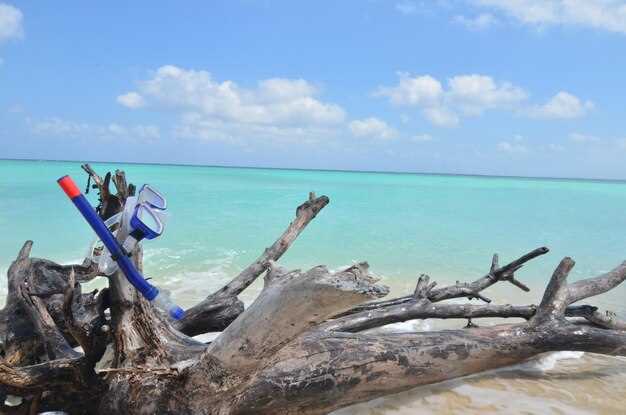 Crooked Island Bahamas Guida di viaggio – Migliori spiagge, cose da fare e fauna selvatica">

right approach is to base yourself near the coast and hire a guiding boat for day trips to remote coves. This home-base setup makes it easy to combine snorkeling, short hikes, and a close look at colonial history that quietly shaped this edge of the Bahamas. Exploring here lets you feel the salt air and hear the palm leaves whispering of old times.
<p Crooked Island’s beaches stretch for miles with powdery white sand and clear water ideal for swimming and sun. These shores are more than sunbathing spots; early mornings bring calm seas; on breezy afternoons whipped waves sweep the shore, inviting a long, relaxed walk and a quiet picnic.yacht or visiting yachts. A typical route includes a sheltered cove, a reef bluff, and a ruined colonial plantation site that hints at history. Guides also point out iguanas along mangrove edges; bonefish flats attract anglers whose fish are caught with light tackle.
<p Wildlife and nature come alive on guided outings: shorebirds patrol the shallows; seabirds wheel over the reef; dolphins surface offshore on calm mornings. Mangrove channels host shy herons, while snorkeling near coral heads reveals parrotfish and wrasse. You can really feel the Bahamian breeze guiding your pace as you explore each anchorage. <p Getting there and staying is straightforward: search for a quiet Bahamian escape and fly into a regional airport, then transfer by boat or short charter to reach Crooked Island. Lodging comes in simple guesthouses and family-run inns included with breakfast, where hosts love sharing stories of the island’s history; a quick thank you or handshake often yields insider tips for fishing spots, sunset overlooks, and hiking routes. <p Practical tips: bring cash, water shoes, sunscreen, and a light rain jacket. Book a guiding operator to maximize exploring time, check weather and tide forecasts, and confirm whether your plan includes bonefish fishing permits. This approach delivers a balanced mix of beach time, wildlife spotting, and cultural insight that few Bahamian islands offer as compactly as Crooked Island.Top Beaches for Seclusion and Clear Water
Start with Morgan’s Point on the crooked coast for a private day with crystal water and soft sand.
From the front of the island, several yards of powdery sand give way to a glassy bottom where the water stays calm most mornings. A guiding team, including a fisherman and a local sailor, can tailor a private outing: grab snorkel gear, head out before the sun climbs, and drift with the reef current. youll see tiny reef fish and, if luck holds, a distant yacht gliding by. local guide morgan knows the best routes, looking to tailor your time for maximum solitude. The shoreline opens into a secluded pocket, perfect for rest, a cold drink, and the quiet that makes seclusion feel earned. The crew knows the clearing routes and the best spots to avoid crowds, so you can focus on the sound of waves instead of chatter.
hidden coves along the acklins coast
Along the acklins coast, hidden coves lie behind low headlands, looking more like private rooms than beaches. The bottom shelves gently, keeping water shallow and clear, while the river mouths add a fresh tang to each breath. Look for a path where the water casts reflections across the sand, and you may spot shells popped along the edge as the tide shifts. Noted by locals, steelhead sometimes make fleeting shadows in the deeper pockets, adding a adventurous note to a calm day. If you see a james harbor beacon in the distance, you’ve found a quiet overlook where you can rest and let the world slip away.
Practical tips for maximizing seclusion
Book with a renowned guiding outfit to keep crowds at bay. Start in the first light or around 9 oclock, when the sea is calm and the horizon is crisp. Bring a small cooler for a drink and a snack, and plan a short anchor near a sand bottom to limit disturbance. If a shell pops or a wave cascades over the edge, stay light on your feet and let the team reposition you. Look for spots where the bottom stays sandy and the water remains crystal clear; you’ll return with a quiet mind and a story about Crooked Island’s hidden shores. You’ll feel the day was crafted just for you, with the kind of rest that only a private cove can offer.
Best Access Points and Mooring Spots for a Bahamas Yacht Charter
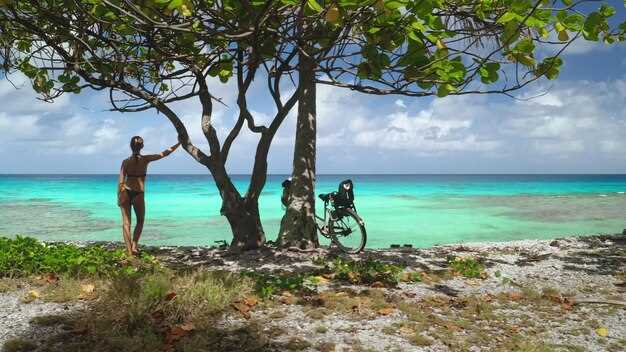
Begin with a practical plan: enter Crooked Island’s waters through the northern Crooked Island Channel underway, then drop hook and settle onto a protected mooring in the reef-leeward front of the island. You’ll find crystal water, calm moments, and quick access to snorkeling, tarpon flats, and a smooth transition to the next leg of your charter.
Two reliable access points exist: the northern Crooked Island Channel and the Acklins Passage to the south. Once you’re underway in the channel, keep 10-25 yards off the reef and follow your compass to key waypoints; from the south, align with the breeze and use the sun to keep a safe line. They’re located to minimize surge and maximize time at anchor or the next stop.
Mooring spots: 1) the western lee of the main island offers an extensive, protected mooring field with buoyed options and ample space for a few yachts to anchor near local craft, 2) a calm inlet on the southern coast provides a shallow, sandy bottom, ideal for anchor in 5-12 yards of water and for a quiet night. Both areas are located within easy reach of small village facilities for fuel and supplies.
Depth and approach data: in the main pass, water ranges 8-20 meters; in lagoons 4-8 meters. Use 7-10:1 scope of chain in light winds, increase to 5:1 in heavier conditions. Mooring buoys are usually no extra price; if you pay, the price is modest and clear.
Wildlife and activities: the area hosts tarpon in nearby flats, sea birds, and reef fish; a quick scuba exploration reveals life around submerged ledges. If you plan to explore, keep to designated sites and release any captured fish promptly. The water is warm and inviting, ideal for a relaxed swim or a short excursion alongside the yacht.
Team and logistics: prepare home port notes, check hurricane forecasts, and ensure mobile VHF channel 16 is monitored. They will appreciate a plan that assigns watch duties and keeps lines secure. Carry a reliable compass, monitor the moment-to-moment conditions, and keep underway checks on the line, anchor, and fenders. For the next leg, review weather, currents, and potential shoals a few hundred yards off the reef to ensure a smooth transition as winds shift along the runway of the day.
Wildlife Highlights: Birds, Reptiles, and Marine Life to Observe
Hire a local Bahamian guide team at dawn to maximize sightings; the early light makes behavior easier to read, and a compass keeps you oriented along the flats and sandy shorelines of Crooked Island.
Birds to observe
- Roseate spoonbills, white ibises, great egrets, and native herons feed along mangrove edges, tidal ponds, and sandy flats.
- Caribbean flamingos appear in coastal lagoons; ospreys and terns patrol the shorelines and reef edges.
- Brown pelicans skim shallow waters while frigatebirds circle over remote cays, offering dramatic silhouettes at dawn or dusk.
Reptiles to observe
- Green iguanas and small lizards sun on exposed rocks and along mangrove banks; observe from a respectful distance.
- Sea turtles use nesting beaches in season; keep clear of nests and bring a permit if required by local authorities.
Marine life to observe
- Reef and reef-edge life includes parrotfish, angelfish, and snapper around coral heads; look for schools moving along ledges.
- Nurse sharks rest on sandy bottoms near drop-offs; spotted eagle rays glide over flats and seagrass beds.
- Offshore dolphins may appear near shoals; overmarine currents bring nutrients that sustain small pelagic fish and seabirds.
Tips for observing safely and effectively
- Look for opportunities around mangrove channels, around reef drops, and on the sandy flats; low tide expands the feeding grounds.
- Snorkel around accessible reefs and seagrass meadows; mount a small camera or binoculars for close-ups without disturbing wildlife.
- Permits: check local requirements for protected beaches or nesting zones; your guide can arrange permits and knowledge of rules.
- Best practice: travel with a licensed operator; then follow their guidance to protect wildlife and yourself.
- Where to start: ask Paul or James from the Bahamian team for current hotspots and safe access points on the cays near Crooked Island.
- Price: expect mid-range guided trips; most half-day tours include gear and transport to local hotspots; contact the operator for exact pricing.
- If you need specifics, contact the local operator for the latest schedules and permits–most teams respond quickly to inquiries.
- Before you go, note the IATA gateway and plan your transfer to the local airstrip; this helps you arrange transport from the airport and onto the flats.
Outdoor Activities: Snorkeling, Kayaking, and Shoreline Treks
Start with snorkeling at dawn in tidal coves along Crooked Island; it’s the fastest way to discover the reef’s life and the fish that cruise the shallows.
Stay near your home base and plan around light, safety, and easy returns; if you want a longer outing, arrange a second guided route that matches your pace.
Snorkeling: Gear, Spots, and Safety
Grab gear: a well-fitting mask, snorkel, fins, and a buoyant vest; comfort matters, so choose a model that fits well and is easy to clear.
In sheltered bays, visibility length often reaches 15–25 meters in calm mornings, and sunlight casts bright color across the reef as parrotfish and snapper drift by.
Dove andare: lagune riparate vicino alla costa, lontano dal traffico intenso delle imbarcazioni; una guida locale può tracciare percorsi sicuri. La guida locale Willie può adattare un percorso e mostrarti i punti di accesso facili.
Permessi: nelle zone della barriera corallina protette, potrebbe essere richiesto un permesso; la tua organizzazione di guide può provvedere a questo o indirizzarti all'ufficio competente.
Prezzi: il noleggio dell'attrezzatura costa in genere tra i 15 e i 25 USD al giorno, mentre un'escursione guidata con maschera subacquea costa circa 50–70 USD a persona per 2–3 ore. Verificare cosa è incluso (maschera, pinne, giubotto salvagente) e se il trasporto è incluso.
Devi ricordare di rispettare la fauna selvatica: mantieni una distanza di sicurezza dai pesci e non toccare mai i coralli. Se non hai mai fatto snorkeling qui, inizia con un'escursione guidata per aumentare la sicurezza e la confidenza.
Kayak e escursioni lungo le coste
Inizia con una tranquilla pagiata lungo i corsi d'acqua delle mangrovie, poi esplora la riva per raggiungere piccoli isolotti e colonie di uccelli marini; questo percorso mette in mostra la costa senza folla.
L'attrezzatura include kayak sit-on-top o imbarcazioni tandem, pagaie, PFD e sacche impermeabili; i prezzi del noleggio variano tipicamente da 25–40 USD al giorno, con gite di mezza giornata guidate intorno ai 60–90 USD a persona.
La lunghezza della pagaia varia da brevi uscite di 2–4 miglia per principianti a itinerari di 6–8 miglia per pagaiatori più esperti; pianifica in base alle finestre di marea e alla tipica brezza marina pomeridiana che può alzarsi rapidamente.
Dove andare: calette riparate, foci di estuario e zone di mangrovie offrono percorsi sicuri con ampie opportunità di osservazione della fauna selvatica; se desideri un piano adatto alle famiglie, la guida locale Willie può progettare un percorso che si adatti a tua moglie e ai tuoi figli allo stesso modo.
Permessi: l'attraversamento di zone protette o l'ingresso in determinati canali di mangrovie potrebbe richiedere un permesso; la tua guida si occuperà della documentazione e della pianificazione.
Opzioni più sicure sono fornite con una guida e l'attrezzatura adeguata; questa vasta costa offre possibilità entusiasmanti per l'esplorazione, la fotografia e un'esperienza all'aria aperta autentica.
Pianificazione Pratica: Finestre Temporali, Orari delle Maree e Etichetta Locale
Prendi una previsione affidabile 3–5 giorni prima e pianifica di cavalcare una finestra di tempo meteorologico limpido. La maggior parte dei percorsi intorno all'Isola Crooked funziona meglio con alisei ENE, da 8 a 15 nodi, e mari nell'intervallo da 2 a 4 piedi, rendendo uno yacht o una piccola imbarcazione facile da gestire. Lungo miglia di spiagge e bassifondi, le mattine calme si sentono beautiful, offrendo una bella luce per le foto della fauna selvatica e ricordi indimenticabili. Se dovesse spuntare un temporale, dirigiti verso una tranquilla insenatura e aspetta che passi; avere un piano semplice e l'equipaggiamento di sicurezza adeguato è importante. Avere una borsa di emergenza con acqua e protezione solare è utile quando si è fuori tutto il giorno. Parla con tua moglie e l'equipaggio, mantieni la barca pronta e contatta l'operatore di charter per percorsi e piloti aggiornati; quelli del posto sanno dove trovare acque riparate. Quando pianifichi, considera le correnti del golfo e gli sbalzi di vento che spingono l'acqua sui corsi di mangrovie; rimani flessibile e lascia che il piano ti guidi lungo la costa, parte per parte, piuttosto che forzare un percorso preciso. Anche un marinaio prudente apprezzerà un itinerario flessibile.
Timing the Tide and Flats Access
Il momento della marea è importante: due alte e due basse si verificano approssimativamente ogni sei ore, creando finestre affidabili sulle zone sabbiose e sui canali di ritorno. La bassa marea rivela i bordi piatti dove si può fare l'escursionismo e avvistare la fauna selvatica; è il momento migliore per pescare le granchi e avvistare il mutton snapper lungo un solco sabbioso. Per un tranquillo giro pomeridiano, aspetta l'alta marea sul lato del golfo quando l'acqua copre la barra e ti guida attraverso i canali poco profondi. Mappa il tuo percorso verso insenature protette e il bight dove gli uccelli marini cavalcano il vento verso acque più calme. Quei piccoli canali spesso cambiano con il vento e la corrente, quindi tieni a portata di mano la tua guida e contatta i piloti locali per rimanere in rotta durante la giornata.
Etichetta e Contatti Locali
Siate rispettosi sulle spiagge e nei tranquilli villaggi; chiedete il permesso prima di atterrare, soprattutto vicino agli uccelli nidificanti o quando vi avvicinate alle imbarcazioni da pesca; salutate con un semplice “ciao” o “buongiorno” per mantenere le interazioni amichevoli. Riducete al minimo il rumore dopo il tramonto; riportate via la spazzatura e evitate di nutrire la fauna selvatica o gli uccelli. Se noleggiate una barca o assumete una guida, confermate gli itinerari con questi operatori in anticipo e condividete i vostri piani; portate con voi un contatto locale o il numero del vostro lodge in modo che una rapida telefonata possa organizzare un prelievo. A Crooked Island, la maggior parte dei residenti apprezzano i viaggiatori che trattano le spiagge con cura e che danno la mancia alle guide in modo equo. Per i voli e i trasferimenti, prenotate in anticipo e coordinate con il vostro host per ridurre al minimo i ritardi; anche un tranquillo arrivo pomeridiano può diventare una piacevole passeggiata lungo il molo prima di cena.