


 Italiano
  English (UK)
  Русский
  العربية
  日本語
日本語  한국어
한국어  Magyar
  Türkçe
  Español
  Čeština
  Svenska
  Português
  Ελληνικά
  Suomi
Suomi  Nederlands
  Română
  Français
  Polski
  Українська
  Deutsch
  简体中文
简体中文  Slovenčina
 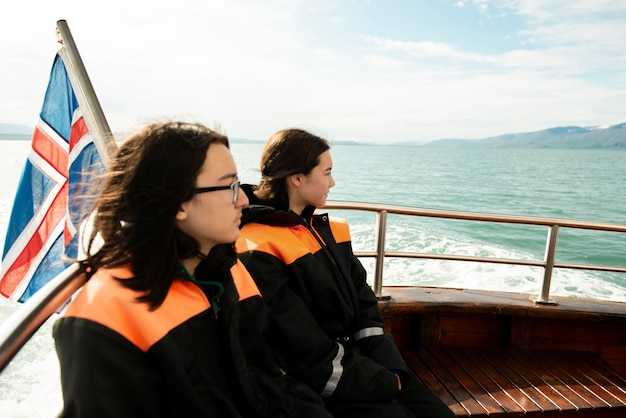 Costa Brava Sailing – The Ultimate Guide with Tips and Marinas">

Prenota una charter all'alba e dirigiti direttamente verso le calette turchesi lungo la Costa Brava per trovare acqua cristallina e meno folla. Inizia da Roses o Cadaqués, dove la luce mattutina adula le scogliere e la tua prima navigazione risulta controllata e gratificante.
Esplorare la costa significa saltare tra le calas, zone in cui il riparo conta di più. Cerca calette tranquille da Roses a Cadaqués, dove il vento è più dolce e l'acqua mediterranea rimane limpida verso il pomeriggio.
Le opzioni per la Marina includono Port de Roses, Port l’Estartit, Palamós, Blanes e Sant Feliu de Guíxols, ognuna delle quali offre ormeggi, carburante, attrezzature nautiche e ristoranti sul lungomare. ecco una semplice nota di pianificazione: scegli una base a sud per la prima tappa e passa a nord man mano che acquisisci sicurezza.
Politica e consigli pratici: prendi nota delle regole di ancoraggio nelle aree protette come Cap de Creus e altre riserve naturali. Se preferisci meno variabili, prenota ormeggi fissi quando possibile e utilizza i servizi del comandante del porto per evitare multe. Questo approccio mantiene l'equipaggio al sicuro e il morale alto mentre ti muovi verso le tue rotte preferite.
La scena culinaria lungo la costa risplende con piatti come il suquet de peix e le sardine grigliate, riflettendo un culinary mix che fonde la tradizione catalana con i sapori mediterranei. In Spagna troverai piccole trattorie familiari che accolgono i marinai dopo una giornata di navigazione, trasformando il pesce fresco in pasti memorabili.
Per una navigazione sicura, pianificate brevi tratte di 20-40 miglia nautiche, ancorate in calette più tranquille e controllate i venti locali ogni mattina. Un percorso ben strutturato con meno variabili mantiene l'equipaggio al sicuro e rende l'esperienza better.
Ecco un programma compatto di 5 notti che puoi adattare: Roses → Cadaqués → L’Escala → Palamós → Blanes, con un ritorno finale a Roses. Usa questa struttura per esplorare calas, aree in cui puoi gettare l'ancora in sicurezza, e verso mattinate più tranquille che impostano il ritmo per la tua avventura in Costa Brava.
Pianificazione pratica per i velisti della Costa Brava
Prenota i porti turistici a Palamós, Blanes, Roses e Cadaqués con almeno sei settimane di anticipo per garantire il miglior ormeggio durante l'alta stagione. Utilizza un'agenzia affidabile per confermare le prenotazioni e verifica le politiche di gestione di ogni struttura per arrivi in ritardo, strutture tariffarie e limiti per gli ospiti. Per prenotare un posto barca in seguito, contatta l'agenzia. Questo approccio garantirà check-in più agevoli.
Dividi la costa in aree con coste uniche: tra Calella de Palafrugell e Begur, il promontorio di Cap de Creus e i porti riparati intorno a Blanes e Roses. Ogni area offre opzioni di ancoraggio uniche, calette incontaminate e una bellezza mozzafiato, e il tuo piano dovrebbe essere in linea con la direzione del vento e la luce del giorno. La bellezza della costa è un costante vantaggio per una navigazione ben programmata.
Identifica le migliori finestre di navigazione controllando le previsioni regionali e i modelli storici. Affidati a strumenti di previsione avanzati; la combinazione di venti leggeri mattutini e mari più calmi produce in genere le condizioni di navigazione più calde e i passaggi più agevoli lungo la costa. Pianifica di navigare in modo da raggiungere il primo porto entro mezzogiorno per massimizzare la sicurezza e il comfort.
Mantenere a bordo attrezzature di qualità e disciplina ambientale. Ispezionare vele, cime e parabordi prima di ogni traversata; portare con sé una borsa di sicurezza dedicata con PFD, un salvagente anulare e un kit di pronto soccorso. Preparare un kit antinquinamento e mettere in pratica uno smaltimento dei rifiuti ecologicamente responsabile per proteggere la costa incontaminata.
Considera l'accesso stradale e i trasporti locali per i trasferimenti tra porti. La maggior parte dei porti turistici offrono parcheggio sicuro e facili collegamenti in taxi o autobus verso città come Figueres per una gita di un giorno. Il percorso vanta città pittoresche e un facile accesso stradale, quindi pianifica una visita a Figueres al Teatro-Museo di Dalí e torna prima del tramonto.
Crea un itinerario flessibile che si adatti alle finestre meteorologiche e alla disponibilità dei porti turistici. Prenotazioni anticipate sono d'obbligo in estate; prepara delle alternative a Roses o L'Escala per ridurre le deviazioni e mantenere il piano scorrevole. Gli skipper esperti manterranno il ritmo costante adattandosi alle realtà dello stato del mare.
Controlli supportati da agenzie e garanzie di sicurezza aiutano a evitare stress dell'ultimo minuto. Assicurati che l'assicurazione della tua barca sia attiva, conferma le licenze se richieste e conserva una copia dei regolamenti portuali locali. Un piano di sicurezza chiaro garantirà operazioni più fluide.
Budget e approvvigionamento: delineate una spesa settimanale per carburante, generi alimentari e tariffe portuali, quindi prenotate le soste principali a Palamós e Blanes, dove la qualità delle forniture in loco è elevata. Utilizzate i mercati locali per fare scorta di prodotti freschi e riservate una somma di emergenza nel vostro budget per ritardi causati dal maltempo e ormeggi di emergenza. Questo piano manterrà i costi prevedibili.
| Category | Action | Details | Timing |
|---|---|---|---|
| Prenotazioni pre-viaggio | Prenota cuccette | Porti turistici a Palamós, Blanes, Roses, Cadaqués; conferma con l'agenzia | 6 settimane prima |
| Route planning | Aree di contorno | Calella de Palafrugell a Cap de Creus; Cap de Creus a Roses | 2 settimane prima |
| Safety & gear | Inventario | Vele, PFD, pronto soccorso, kit di contenimento sversamenti | Pre-partenza |
| Provisioning | Spesa alimentare e carburante | Prodotti di qualità; utilizzare i mercati locali | Durante la pianificazione del viaggio |
| Gite di un giorno | Visita a Figueres | Dalí Theatre‑Museum; drive from Roses/ Figueres | Metà viaggio |
Qual è il momento migliore per navigare in Costa Brava? Considerazioni su vento, mare e affluenza di pubblico in base alla stagione
Il periodo migliore in assoluto per navigare è la tarda primavera o l'inizio dell'autunno, ovvero maggio o settembre, per un mix equilibrato di vento, mare e porti più tranquilli. Se puoi scegliere oggi, scegli maggio o settembre piuttosto che il picco di folla di luglio. Questa decisione ti aiuta a navigare con una miscela unica di condizioni affidabili, baie aperte e una fresca vita costiera.
-
Primavera (Aprile–Giugno)
- Vento e mare: costanti 12–18 nodi nelle tratte costiere; le brezze marine pomeridiane spingono nella gamma dei 15–22 nodi, sufficienti per mantenerti in un comodo ritmo di planata senza mare mosso.
- Folla e ambiente: il turismo cresce gradualmente; si respira un'atmosfera più tranquilla rispetto a Ferragosto, con porti aperti a Palamós, Begur e il famoso llafranc area che offre navigazione vicino alla costa e facile ancoraggio in baie protette.
- Permessi, ancoraggio e pianificazione: verifica i permessi per l'ancoraggio in aree naturali intorno al parco naturale di Cap de Creus: alcune aree richiedono permessi o ormeggi designati. Scegli aree ben recensite spanish aziende che forniscono termini di cancellazione chiari. Questo è l'ideale per train principianti e migliorare le proprie capacità di navigazione, poiché le condizioni del mare rimangono clementi e la costa offre un'aula naturale.
- Suggerimenti: iniziare da Lloret de Mar a Blanes e procedere verso nord; sfruttare le mattinate più calme per open horizons, life a bordo in armonia con le delizie costiere, e mantieni un programma flessibile.
-
Estate (luglio–agosto)
- Vento e mare: i pomeriggi portano forti termiche lungo la costa, con venti tipici di 15-25 nodi; le mattinate possono essere più leggere, offrendo un piacevole inizio per le navigazioni diurne, ma una potenziale congestione più tardi nella giornata.
- Folle e ambiente: il picco del turismo guida porti turistici affollati e ancoraggi sovraffollati; bays such as Tamariu, Aiguablava, and Cala Montgó become lively, while there are great offers for day trips if you book ahead.
- Permits, anchoring, and planning: plan ahead–cancellation policies and refund options vary by spanish aziende. Expect higher rates and more restrictions near popular harbors; consider shorter hops and early starts to beat the rush.
- Tips: if your goal is social sailing, this is the peak, but whether you want a bustling scene or a few quiet coves, you’ll find both by moving into less-traveled coves around Calella de Palafrugell or Lloret de Mar in shoulder hours.
-
Autumn (September–October)
- Wind and seas: winds settle into reliable 12–20 knots with fresco mornings; seas remain comfortable for coastal hopping, often improving clarity after the heat of summer.
- Crowds and setting: tourism fades from peak; open harbors and bays feel more relaxed; bays along Begur to Aiguafreda offer quiet anchoring and natural scenery for shore visits.
- Permits, anchoring, and planning: check last‑minute refund e cancellation options with spanish aziende as weather windows can shift; many operators extend flexible terms into early autumn.
- Tips: this is a strong period to choose a longer cruise with fewer crowds; it’s a good time if you want life afloat at a comfortable pace, with tours and coastal Delights in calmer seas.
-
Winter (November–March)
- Wind and seas: overall lighter conditions, often 5–12 knots; days with usable sailing are fewer and weather can shift quickly, so plan short hops and shelter in protected bays.
- Crowds and setting: quiet harbors and lower rates tempt starting sailors to gain level experience; this is less about long cruises and more about practicing anchoring and boat handling in sheltered coves.
- Permits, anchoring, and planning: always verify cancellation terms and availability of safe moorings during low season; some offering options reduce during winter, but refund opportunities exist if trips cancel due to poor conditions.
- Tips: if you need a winter training ground, join a train program aboard a stable vessel; focus on low‑risk coastal hops and learning life afloat at a comfortable setting.
Regardless of season, the Costa Brava coast rewards both casual sails and longer itineraries. Plan with trusted spanish aziende, review cancellation terms, and look for flexible refund options. Whether you start in llafranc or in a southern bay, you’ll find a unique blend of rugged coastline, pine forests, and crystal water that makes every day at sea a life reaffirming delights.
Which marinas along the Costa Brava offer reliable berths, fuel, repairs, and shore facilities?
Empuriabrava Marina is the best all-round choice for reliable berths, fuel, repairs, and shore facilities along the Costa Brava. This large, well-kept complex handles a steady vessel flow and offers fuel docks, repair yards, chandlery, showers, and laundry along a broad seafront. For lovers of life at sea, it feels like paradise, with a level of service that keeps peace even in july crowds. Booking ahead is wise; this journey begins with a quick berth confirmation, and you can board quickly after arrival. The road network and nearby train connections make it easy to extend your itinerary north along the bravas coast.
Marina de Roses balances reliability and accessibility with a solid berthing plan, a staffed fuel dock, and workshops for minor repairs. Shore facilities include modern showers and laundry, while the harbor esplanade offers seafront strolls and nearby cafés. If youre planning spring or july sailing, booking ahead saves stress, and youre base lets you explore the Gulf of Roses and nearby nature and islands such as the Medes Islands. This stop keeps your vessel close to the bravas coast with a simple road and train access for onward travel.
Palamós Marina provides solid berths and dependable fuel, with on-site repairs and crane services. The seafront town offers a lively life with a traditional fishery vibe, yet the harbor remains calm for small vessels. Itinerary plans can anchor here after a long leg, and booking in advance is prudent for july. The harbor has good road and train links to Girona and beyond, making day trips to nearby nature reserves and the islands easy.
Further south, Port de Blanes and Port de Lloret de Mar provide reliable berthing for cruising boats, plus shore facilities like showers, laundry, and fuel. If you want a more intimate stop, portlligat near Cadaqués offers shelter with a seafront vibe and close access to the famous Dalí residence. From here, you can continue along the coast to Cadaqués and the Cap de Creus route; road access and the regional train network keep this stretch convenient, whether you prefer a short stop in spring or a longer stay into july.
An efficient itinerary for this coast begins in Empuriabrava, then moves to Roses, Palamós, Blanes, Sant Feliu de Guíxols, Lloret de Mar, Portlligat, Cadaqués, and Llançà, with a final hop to Figueres by train or road for a culture break. Each stop adds more life and nature to your voyage; you’ll find calm anchorages away from crowded resorts, but still enough to enjoy the seafront and harbor atmosphere. In july, temperatures rise and winds shift, so check the forecast and book berths in advance to keep your schedule flexible.
Quali sono le migliori rotte di navigazione e le gite di un giorno lungo la costa da Blanes a Cadaqués?
Iniziate con Blanes fino a Tossa de Mar come apertura affidabile, godendovi baie riparate e un profilo medievale; ancorate vicino a Cala Giverola per sgranchirvi le gambe a terra e sorseggiare un caffè sulla banchina. Quindi spingetevi verso nord fino a Sant Feliu de Guíxols e Palamós, dove due porti turistici offrono buoni servizi e ormeggi tranquilli tra spiagge e cultura della pesca.
Da Palamós, spingiti verso Calella de Palafrugell, Llafranc e Tamariu, snodandoti tra le calette che nascondono acque turchesi e promontori orlati di pini. Il percorso è adatto a famiglie e principianti, con approcci protetti a piccoli porti e ancoraggi al largo di calette come Aiguablava e Sa Tuna.
A nord di Begur, navigate verso Port de la Selva e Cadaqués; Cap de Creus crea uno sfondo spettacolare e la costa vanta baie isolate e viste sul faro. Da Cadaqués, pianificate una mezza giornata a Cap de Creus e Cala Jóncols; questi sono bellissimi ancoraggi con acqua cristallina e uno scenario indimenticabile.
Cosa mettere in valigia e come provvedere per un charter in Costa Brava su uno yacht o una barca a vela
Prepara un kit compatto e ben attrezzato per sette giorni per iniziare il tuo viaggio con sicurezza. Includi strati traspiranti, abbigliamento ad asciugatura rapida, protezione solare, un guscio antipioggia leggero e una robusta sacca stagna per le visite a riva. Tieni a portata di mano l'equipaggiamento di sicurezza essenziale: PFD, un kit di pronto soccorso, una torcia elettrica e una custodia impermeabile per i documenti. Questa configurazione è assolutamente pronta per le gite in barca a vela giornaliere, le escursioni e l'esplorazione di pittoresche calette nelle baie qui lungo la costa. Questo posto ti prepara per il tuo viaggio con meno sorprese.
Fai provviste con un mix pratico di prodotti non deperibili e prodotti freschi dei mercati vicini. Fai scorta di acqua, almeno 20-25 litri a persona per una settimana, più una bottiglia di emergenza da 5 litri. Aggiungi alimenti base a lunga conservazione: olio d'oliva, pasta, riso, pomodori in scatola, legumi e pesce in scatola. Tieni a portata di mano un kit di spezie per variare i sapori. Per i pasti freschi, pianifica 3-4 opzioni a base di pesce usando gamberi o pesce locale acquistato nei mercati di Palamós, Blanes o Cadaqués. Riserva un paio di giorni flessibili per visitare baie pittoresche e goderti nuotate in acque cristalline, preservando al contempo ghiaccio e freschezza in una borsa frigo ben isolata. Se il tuo charter include il personale di bordo, segui la loro lista; altrimenti, coordina con i negozi del porto turistico per fare rifornimento durante una sosta al molo.
La gestione dell'energia e dello stoccaggio è importante su una barca a vela. Usa un frigorifero compatto o un refrigeratore a carica dall'alto con confezioni di gel e una busta per congelatore. Verifica l'impianto elettrico della tua barca ed evita di far funzionare il frigorifero nelle ore di punta per risparmiare batteria. Usa contenitori riutilizzabili, etichetta tutto e pianifica i pasti in base ai menu spagnoli e ai mercati locali. Quando i giorni di mercato coincidono con il tuo percorso, troverai prodotti di stagione che esaltano i pasti senza far esplodere il budget.
Abbigliamento e attrezzatura per la navigazione costiera. Abbigliamento a strati per le navigazioni diurne e le serate, più uno strato caldo per le notti più fresche. Porta scarpe da barca antiscivolo, un cappello da sole, occhiali da sole e crema solare sicura per la barriera corallina. Per le escursioni a terra, prepara scarpe da passeggio leggere, uno zaino da giorno compatto e una borraccia. Qui in Costa Brava, esplorerai spesso città storiche con coste spettacolari e viste pittoresche, quindi prepara attrezzatura resistente a salsedine e sabbia. Metti in valigia un po' di biancheria intima extra e un paio di cambi di asciugamano per coprire alcuni lunghi tratti tra i porti.
Equipaggiamento di sicurezza e pezzi di ricambio che ti serviranno a bordo. Includi giubbotti di salvataggio per tutti a bordo, un kit di base per gli attrezzi, fusibili di ricambio, corda, parabordi, cime di ormeggio e un kit di ancoraggio affidabile. Verifica che la tua assicurazione e le dotazioni di sicurezza della barca siano aggiornate e conferma cosa è incluso nel noleggio. Se un porto turistico offre servizi di approvvigionamento, valuta la possibilità di utilizzarli per ridurre il carico a bordo e ridurre al minimo i viaggi.
Disposizioni sul campo e consigli di pianificazione. Pianifica il tuo itinerario includendo città con mercati freschi e aziende agricole costiere. Alcuni giorni, riempi la cambusa con prodotti tipici spagnoli e frutti di mare locali, e in altri, goditi pasti semplici con ingredienti pronti all'uso. Per garantire un viaggio senza intoppi, prenota in anticipo gli slot di approvvigionamento presso i tuoi negozi o marina preferiti, soprattutto durante i festival, quando le scorte possono scarseggiare. Le opzioni incluse in alcuni charter possono semplificare il piano; altrimenti, porta ciò che sai che funziona, adattati al percorso e assapora i frutti di un viaggio indimenticabile sulla Costa Brava.
Quali norme di sicurezza, licenze, utilizzo della radio VHF e pratiche di navigazione locali dovrebbero conoscere i marinai?
Ottieni un certificato di operatore radio VHF valido prima di navigare in acque spagnole e conserva il certificato sul ponte per l'ispezione. Programma il tuo MMSI, abilita il DSC e testa l'antenna e la batteria. Nei porti turistici lungo la Costa Brava, i comandanti del porto si aspettano che tu identifichi la tua imbarcazione e l'ormeggio sul Canale 16, quindi passi a un canale di lavoro dopo la chiamata iniziale.
Per l'etichetta VHF, inizia ogni contatto con il nome della tua imbarcazione e il porto di scalo, chiama sul Canale 16 e conferma l'intento dell'altra parte prima di trasmettere. Utilizza il Canale 70 per le chiamate DSC quando disponibile e mantieni i messaggi concisi con posizione, rotta e intenzione. Monitora sempre il Canale 16 e passa a un canale di lavoro locale dopo uno scambio riuscito; questo semplifica il traffico e aiuta a evitare la congestione durante i periodi di punta di maggio e giugno, quando il bagliore delle città costiere attrae folle.
Le pratiche di navigazione si basano su carte aggiornate, AIS e un'attenta occhiata intorno alle calette e lungo le islas. Entra nelle aree poco profonde a bassa velocità, mantieni un'ampia distanza dalle barche ormeggiate e cedi il passo al traffico commerciale o dei traghetti. In ingressi stretti vicino a dalís e calette mozzafiato, preferisci il pilotaggio diurno o cerca una guida locale se i venti ti spingono verso scogliere poco profonde. Una pianificazione flessibile rende più facile rispettare le finestre meteorologiche e mantenere comunque il tuo programma lungo villaggi e islas private.
Le normative locali impongono velocità di sicurezza entro i limiti portuali e molte insenature applicano orari di silenzio e restrizioni all'ancoraggio. Quando ci si avvicina a porti turistici privati, telefonare in anticipo e seguire le istruzioni del responsabile del porto. Se si deve ancorare, scegliere siti approvati e mantenere almeno la distanza pubblicata da altre imbarcazioni; rispettare le aree protette, in particolare intorno a isole, insenature e zone religiose o festive che possono aumentare il traffico di imbarcazioni durante i festival.
L'equipaggiamento di sicurezza a bordo deve essere pronto e accessibile: un giubbotto di salvataggio a persona, un dispositivo di galleggiamento lanciabile, un'ancora adeguata con cima adeguata, parabordi e un VHF impermeabile con batterie di ricambio. Tieni a portata di mano un kit di pronto soccorso, una fonte di luce e una carta nautica o un tablet impermeabile. In caso di emergenza, sappi come dichiarare un Mayday e fornire la tua posizione esatta; questo è il modo più veloce per ottenere aiuto quando sei in difficoltà in mare o in un porto affollato.
L'addestramento e la preparazione ripagano: partecipa a corsi di formazione pratica con marinai locali, studia le guide portuali e prova le manovre di attracco in diversi porti turistici lungo la costa d'accesso. Ecco una semplice routine per diventare più forte: rivedi le tue chiamate VHF, pratica il pilotaggio in baie poco profonde e fai un paio di transizioni notte-giorno prima di fare tour con gli ospiti. Questo approccio ti aiuta a gestire condizioni impreviste, a soddisfare le aspettative di sicurezza e a navigare meglio godendoti la splendida costa della Costa Brava.