


 Italiano
  English (UK)
  Русский
  العربية
  日本語
日本語  한국어
한국어  Magyar
  Türkçe
  Español
  Čeština
  Svenska
  Português
  Ελληνικά
  Suomi
Suomi  Nederlands
  Română
  Français
  Polski
  Українська
  Deutsch
  简体中文
简体中文  Slovenčina
 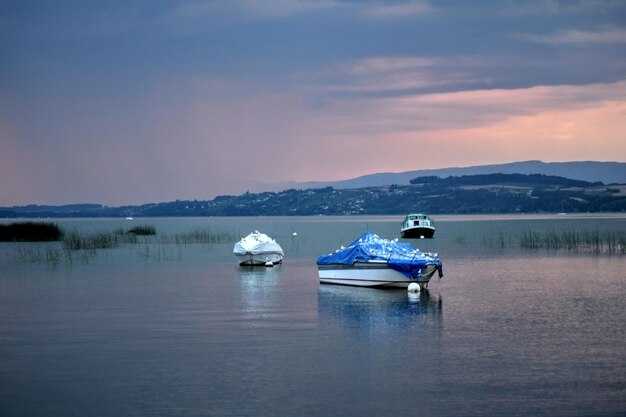 Center Console vs Dual Console – Pros, Cons, and Which Boat Style to Choose">

Choose a center console if you want maximum visibility and easier access to gear. This layout keeps the deck open and lets the crew move freely, which feels safer on choppy water and excellent for marine activities like fishing, diving, or cruising with the crew. Here you can build a flexible space: you will decide where to mount electronics, rodholders, and a livewell, and the surface remains comfortable under different weather across styles that range from simple coastal rigs to fully equipped offshore boats.
The center console model offers excellent visibility forward and across the cockpit, with an open deck that simplifies movement when handling lines, trolling, or guiding passengers. You’ll appreciate the simpler maintenance: fewer enclosures mean fewer seams to leak, and foam cushions can be replaced quickly if a spill happens. This layout shines on marine activities where you move around the boat, such as bowriders and versatile day boats where the space is used for different tasks throughout the trip. It also manages moderate spray better when navigating choppy seas.
A dual console introduces a sheltered passenger area and a defined seating zone. It reduces spray and provides weather protection for the crew, which is valuable on longer outings or when you run in cooler air. However, it often reduces open deck space and can complicate access to lines and the bow. If you plan to carry more passengers at once or want a family-friendly layout, a dual console can be the better fit.
How to decide depends on your typical days on the water. If you fish, dive, or run multiple short legs, a center console will usually win on visibility, access, and weight distribution. If you carry several guests and prioritize shelter, a dual console earns points for comfort and social space. In terms of price, both styles share similar hulls and can range from roughly $50,000 on entry-level new builds to well over $150,000 for premium setups, with used market options offering substantial savings. Build quality matters: ensure the helm is located at a height that suits your posture, and inspect foam and upholstery for long-term durability. Consider your local marine conditions and the kind of trips you expect to take, then you will decide the best fit.
Here are quick takeaways: center consoles suit active, versatile boats, while dual consoles fit families and weather-conscious riders. If your decision is still tough, test both layouts side-by-side on a similar hull, paying attention to feel, visibility, creature comfort, and access to gear. The difference in their use on the water will guide the final choice better than spec sheets alone.
Key Considerations Before Choosing Your Boat Type
Your priority should be open deck and easy gear handling; center console is the best option for anglers and weekend trips, with options for gear placement along the gunwales and easy access to the helm.
Define your intended use and social crew: weekend cruises with social members, like family, tend to require shaded seating and clear sightlines, while anglers need uninterrupted access to rod holders and tackle.
Think about electronics and visibility: center consoles have electronics located at the dash for easy reach and easily maintain visibility around the helm; hand grips and rails give added security when waves pick up.
Storage and layout options: dual consoles offer sheltered seating and dedicated storage, while center consoles free up larger deck space along the sides for gear, cooler storage, or livewells.
Decision questions: how many members typically join you, what specific needs are needed for shade, electronics access, and safety; what is your weekend usage pattern and budget; do you plan to upgrade components or electronics later; sometimes the obvious choice becomes the best fit.
Plus, compare options across brands and dealers to seal the best fit.
Deck Layout and Fishing Access
The obvious choice for many anglers is the center console, delivering maximum open deck space for casting and easy front-to-stern movement, with a powerful stand that keeps the cockpit uncluttered.
With a dual console, you gain protected space behind the dash that’s great for kids, electronics mounted above the console, and a sheltered path when moving around the cockpit. Sometimes you lose some through-cockpit flow and there’s a noticeable difference in the area available for standing and casting.
Key differences lie in tackle stations, rod holders, and storage access. The center console keeps central access clear and preserves wide side decks, while a dual console creates a more enclosed feel and can narrow lanes between seats. The overall deck layout remains complex.
Fisher-focused notes: the center console makes reach and maneuvering easier during a fight, and you can slide along the gunwale without obstacle. In rough seas, the center console can feel harder to maneuver because you must squeeze past the console when moving between sides. A dual console offers a protected zone to keep a cooler, spare rods, and a windshield for days with spray, though you’ll trade some casting lanes.
Having a central electronics cluster above the dash helps both layouts, with the display visible from the stand and easy to reach while moving. When choosing, consider whether you want electronics above the console or tucked into a protected panel, and how often you’ll fish with kids aboard.
Power planning matters: with a center console you can route a central loom and keep switches reachable from the stand, while a dual console requires careful routing behind seating to prevent snagging on lines and gear. In practice, a clean harness and protected hosing reduce failures and keep electronics reliable in salt spray.
In summary, for the fisher chasing pure deck space and straightforward movements, a center console is the better choice. For family trips with kids who value protection and a comfortable walkthrough, a dual console delivers practical advantages without sacrificing safety. Tailor the layout so the central controls, power sources, and fighting area stay accessible from your preferred stand and reach above the deck, and choose either center console or dual console based on how you fish.
Weather Protection and Passenger Safety
Choose a dual-console layout with full-height windshields and side panels for all-around weather protection; this choice keeps you and your passengers dry and preserves visibility in rain or spray.
Center consoles excel for walk-around access and open bow seating, but protection for guests can lag. To close gaps, add a large wrap-around windshield and optional spray curtains, plus a front panel that deflects spray when docking.
Whichever layout you pick, ensure a clear visibility path from helm to bow. Position rails and handholds at the console edge and walk areas to support safe movement and quick grip during chop.
Located electronics should be in sealed lockers under the console, elevated from splash zones, with gaskets and drainage channels that divert water away from connections; routine checks protect durability and reduce downtime.
For large boats with multiple members, design a sheltered area around the helm and seating so everyone can move safely along the walk and access rails without stepping into the spray. Use non-slip decking and high freeboard to improve durability and prevent slips near engines during rough seas.
Options include full-height windshields, removable panels, spray guards, and weather curtains. Consider your climate, typical area length, dock conditions, and the desired level of enclosure when you make your choice.
Discover the all-around advantages of each layout by testing in real conditions and evaluating ease of use. The popular dual-console setup balances protection with passenger safety, while the center console adds flexibility for anglers; the choice that fits your engines and crew will align with your desired comfort and protection level, plus your electronics protection plan. youve built a plan that fits your area and members.
Storage, Electronics, and Maintenance Access
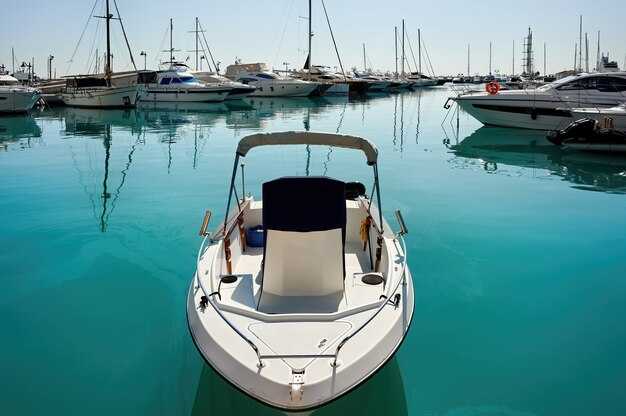
Choose the center console for the best balance of secure storage, easy electronics access, and robust maintenance handling today.
Storage configurations on a center console provide more storage on the sides with lockable compartments and a central dry locker. The obvious name here is to optimize function and space; with military-grade latches, you keep items secure even in wind and cold. Use a mix of rigid bins and flexible organizers to handle disegni e styles that fit your boat and activities.
Electronics routing is cleaner in a center layout. Run power and data through a protected chase, mount the main display in the center panel for obvious visibility, and keep fuses and breakers in a lockable drawer. In each configurations, keep the wires tidy with grommets and a ventilated back panel; youre ready in tough conditions and prepared for wind and spray.
Maintenance access is straightforward with center disegni. Service ports, battery banks, and bilge pumps stay under a single lid or in a dedicated well, with wide hinges that handle frequent use from both sides. For cold weather, insulate the housing and seal hinges to prevent moisture, and check drain plugs regularly to avoid seepage when the wind picks up.
Oggi, l'opzione centrale rimane la migliore choice per molti proprietari, perché offre uno spazio di archiviazione ottimizzato, una protezione robusta per l'attrezzatura e electronics, e facile accesso per controlli di routine. Se stai pianificando casual o professionali styles, puoi regolare il configurations con diverse disegni per soddisfare le loro esigenze senza sacrificare function e sicurezza, sebbene le configurazioni centrali offrano ancora le prestazioni più bilanciate.
Flessibilità degli spazi di seduta e spazio sociale
Scegli una console centrale se desideri la massima flessibilità di posti a sedere e uno spazio sociale eccellente, perché il ponte aperto favorisce la conversazione e il facile traffico attraverso lo scafo. Questo layout utilizza tipicamente posti a sedere modulari a prua e panche da pozzetto rimovibili, permettendoti di passare da un salotto familiare a un allestimento da pesca in pochi minuti. Per le famiglie e i gruppi, la possibilità di far scorrere le sedie, ribaltare gli schienali e riconfigurare i cuscini mantiene il ponte dall'aspetto spazioso e specifico per il tuo piano.
Le doppie console offrono protezione dal vento e vani contenitori che riparano i passeggeri, creando zone salotto più intime vicino alla plancia di comando. Le differenze si notano nel modo in cui si ospitano gli ospiti: le doppie console tendono a offrire aree sociali più chiuse, mentre le consolle centrali puntano a un uso più ampio del ponte in diversi stili. Con una doppia console si ottiene una buona protezione in caso di mare mosso e la possibilità di aggiungere servizi come refrigeratori e portabicchieri integrati, anche se le opzioni di seduta possono essere meno flessibili quando è necessario massimizzare lo spazio del ponte per grandi gruppi.
Oggi, la personalizzazione conta. Le console centrali con materiali all'avanguardia e moduli sedili modulari ti permettono di adattare le aree da pranzo, relax e prendisole. Le costruzioni più datate potrebbero fare affidamento su panche fisse, mentre modelli usati più recenti possono essere aggiornati con sedili modulari e tessuti resistenti agli agenti atmosferici. Garantire il comfort durante le lunghe giornate in acqua dipende dalla schiuma dei sedili, dagli angoli dello schienale e dal valore dello spazio di archiviazione, non solo dall'aspetto. Il design dello scafo e la disposizione del ponte influenzano dove posizionare sedie extra e quanto è facile muoversi.
In definitiva: se l'esperienza sociale e la densità di posti a sedere sono prioritarie, la console centrale con sedili modulari offre il layout e il miglior rapporto qualità-prezzo oggi. Se persegui di routine l'ombra e la protezione dal vento per gli ospiti, una doppia console può eccellere. In tutti i casi, controlla l'integrità dello scafo e la costruzione del ponte, misura le aree di seduta e verifica di poter installare con sicurezza gli accessori necessari. Concentrati su un piano specifico: conta la capacità degli ospiti, le attività tipiche e come intendi utilizzare lo spazio.
Costo, Valore e Opzioni di Personalizzazione
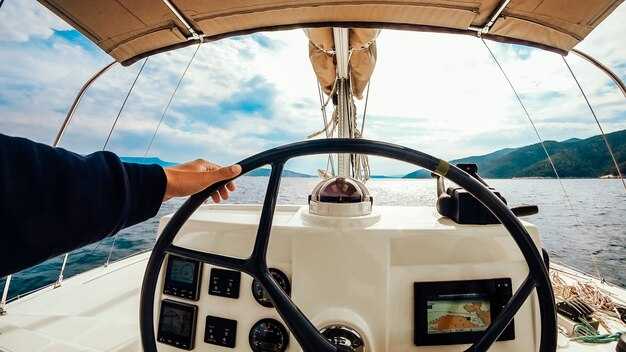
Scegli la console centrale per il miglior rapporto qualità-prezzo e le opzioni di personalizzazione; la doppia console è ideale quando è necessario un riparo per i passeggeri e uno spazio di stoccaggio organizzato. Nella maggior parte degli scenari, CC offre più spazio e una manutenzione più semplice, mentre DC protegge l'equipaggio e supporta layout adatti alle famiglie. La scelta giusta dipende dai tuoi viaggi tipici, dal numero di persone a bordo e da come intendi caricare l'attrezzatura. Questo equilibrio ti consente di adattare la barca alla tua area di operazione e alle provviste che ti aspetti di trasportare.
- Costi iniziali in base al layout e alla lunghezza
- Center Console (CC) 20–25 ft: typically $60,000–$140,000 with a basic power package; 26–30 ft: $150,000–$350,000; 30–40 ft: $300,000–$800,000 depending on hull, engines, and trim level.
- Dual Console (DC): aggiunge approssimativamente 5.000–20.000 a build simili CC; modelli più grandi con finiture premium e cabine chiuse possono aumentare il divario a 30.000–60.000.
- Valore a lungo termine e proprietà
- I modelli CC tipicamente hanno una maggiore domanda di rivendita tra gli appassionati per le prestazioni offshore e la flessibilità del ponte aperto; i modelli DC tendono a mantenere il valore con gli acquirenti di famiglie che danno priorità al riparo e ai posti a sedere. I costi di manutenzione dipendono dalle attrezzature e dalle scelte del motore, con le apparecchiature elettroniche che determinano alcuni degli aumenti annuali più significativi.
- Pianificare un budget annuale per la manutenzione di circa 1–2% del prezzo dell'imbarcazione per l'assistenza di routine, più forniture trimestrali come filtri, oli e pezzi di ricambio per elettronica e pompe.
- Opzioni di personalizzazione e costi tipici
- Layout e sedute: supporti inclinabili regolabili, lounge a prua, panche a poppa o sedili rimovibili; prevedere da 2k a 15k a seconda del tessuto, degli accessori e del montaggio.
- Protezione e involucri: tettuccio rigido o inviluppo completo (protezione dagli agenti atmosferici, spazio per la conservazione della canna da pesca e privacy); 8k–50k in base alle dimensioni e al materiale.
- Pacchetto elettronica: display multifunzione, radar, pilota automatico, VHF e aggiornamenti antenna; 3k–50k-plus per sistemi di fascia alta.
- Attrezzatura da pesca e stoccaggio: portacanne aggiuntivi, vasche vive, scatole isolate, stoccaggio refrigerato e scatole per pesci; da 1k a 25k a seconda della capacità e dei materiali.
- Potenziamenti di potenza e prestazioni: opzioni motore, attracco joystick e modifiche alla propulsione; da 20k a 200k a seconda dei cavalli vapore e della marca.
- Finitura, comfort e cura: aggiornamenti di rivestimento, superfici antiscivolo, illuminazione e organizzazione sottoscocca; 1k–8k.