


 Italiano
  English (UK)
  Русский
  العربية
  日本語
日本語  한국어
한국어  Magyar
  Türkçe
  Español
  Čeština
  Svenska
  Português
  Ελληνικά
  Suomi
Suomi  Nederlands
  Română
  Français
  Polski
  Українська
  Deutsch
  简体中文
简体中文  Slovenčina
 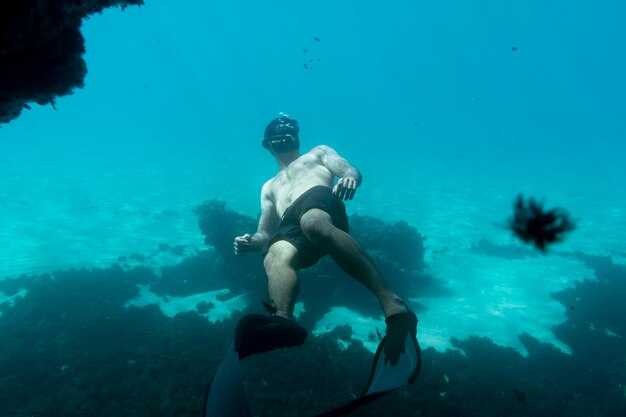 Category Diving in Hawaii – The Ultimate Guide to Top Diving Spots, Gear, and Safety">

Recommendation: Start with a three-island itinerary that emphasizes the archipelago’s diversity, giving you a great balance of surface comfort and underwater exposure. If you’re getting into the gear mindset, this approach keeps momentum without overwhelming you. Focus on lava tubes, reef passages, and wrecks, then rotate through morning trips to maximize visibility and chances to observe feeding events and plancton blooms. This opportunity comes with a side of memorable adventures and helps you realize your dream of exploring Hawaii’s currents with confidence.
Molokini Crater, Maui: The crescent caldera delivers reliable visibility and calm conditions. Expect 30–100 ft views and depths around 20–40 ft in the inner reef, with sea life including schooling fish and occasional turtles. Operators run morning trips from Kihei and Maalaea, and the site is ideal for photographers who want a clean backdrop and easy entry. You’ll be near plancton hotspots during certain seasons, which can attract dramatic feeding events for larger pelagics nearby.
Kona Coast, Big Island: The night manta encounter is a signature adventure with a high probability of sightings; mantas reach 12–15 ft wingspan and glide through 70–100 ft visibility at night, in water around 72–78°F. Dress in a 3–5 mm wetsuit for comfort, bring a primary and backup light, and listen to your guide’s safety briefing on feeding areas and entry procedures. Lava-tube passages along this coast enrich the experience, offering surreal channels between molten formations–an opportunity to learn about the volcanic past while staying within your limits.
Wrecks, currents, and safety on Oahu and Kauai: On Oahu, several shallow wrecks lie in sheltered areas, offering accessible connections to ship history and vibrant reef life. When planning a trip, consult a licensed operator and follow depth limits; regarding currents, always plan an exit and keep an eye on air. Use a surface marker buoy to signal your side of the team and to aid safety. For Kauai, drift dives along the north shore require local guidance for the best visibility and experience.
Gear, planning, and safety basics: Start with a 4/3 mm or 5/4 mm full suit for year‑round comfort, a good mask and fins, a regulator with an alternate, and a computer with safety stops. Pack a surface marker buoy, whistle, and reel for entry-and-exit scenarios near lava shelves or wreck lanes; consider a small camera rig for adventures and keep a second light for night sites. For your itinerario, schedule two to three main dives per island and leave space for rest days to recover and getting used to Hawaii’s currents. These choices dai you a steady rhythm and ensure you have enough energy for your best shots and most memorable moments.
Regional Dive Planner and Gear Checklist for Hawaii
Start with a practical plan: base in Honolulu as your hub, then schedule inter-island hops to kauais and other islands, limiting to three sites per trip to keep the pace comfortable. This approach keeps the feet moving and helps you manage dozens of options across the state while staying on top of changing conditions.
Gear for Hawaii action splits into personal items and operator gear. Personal kit should include a low-volume mask with tempered glass, a compact snorkel, fins, booties in 3-5 mm, a 3/2 or 4/3 wetsuit, a weight belt, and a buoyancy compensator with a reliable regulator and octopus. Rent tanks, weights, and other essentials from local ops when possible to stay flexible for inter-island moves. Carry a surface marker buoy, whistle, waterproof notebook or slate, and a compass. For night experiences, add a headlamp and spare batteries. Bring a safety reel for currents and a spare mask or dry bag for transitions between hubs.
Site selection tips: choose shallow, sheltered reefs when you base in Honolulu or kauais. Iconic spots often sit near calm bays with thriving corals and intriguing sea life. Start with dawn sessions to enjoy magic light and calmer seas, then switch to afternoon tours when winds pick up. Always check the latest conditions and wind map before departures.
Inter-island planning details: check flight and boat schedules; dozens of operators offer transfers between islands; book a buffer day after a long crossing to stay rested. If you stay on one island, concentrate on a handful of reefs that are easily accessible by boat or shore. This approach reduces fatigue and keeps you safe in populated anchorages with helpful crews.
Weather, seas, and safety tips: monitor forecast updates from a trusted source (источник local operators) and carry a simple weather card; Hawaii seas range from glassy to moderate chop, rarely exceeding moderate on most coasts. Winds shift with seasons; count on 70-80°F (21-27°C) water temps in summer and 68-76°F (20-24°C) in winter. Pack layers and a warm layer for post-experience. Consider a lightweight dry suit for winter nights when cruising coastal sites. Stay with a buddy, stay in daylight hours, and keep a clear plan at each site to prevent fatigue and maximize enjoyment.
Checklist quick-reference: mask, snorkel, fins, booties; wetsuit; weights; buoyancy compensator; regulator with octopus; surface marker buoy; signaling gear; underwater slate or notebook; compass; light and spare batteries; safety reel; dry bag; hydration. Store a digital copy of local operator contact numbers and emergency numbers. Mark each site with arrival times and currents, so you can adjust quickly during inter-island itineraries.
Oahu Beginner Dives: Region Access, Rental Gear, and Buoyancy Basics
Start with a guided, beginner-friendly outing from Waikiki and rent a basic gear set (mask, snorkel, fins) from a reputable shop. This approach is perfect for building comfort and planning a solid base for your oahus experience.
Region access centers on three practical options. Waikiki waters offer gentle, nearby entries for first sessions, while outside Waikiki you’ll find Hanauma Bay Nature Preserve with protected reefs and clear water, and Ko Olina’s calm lagoons that suit first-timers. Each location provides different landscapes, but all fit a category of beginner experiences with low current risk and straightforward exits.
Buoyancy basics start with a neutral stance about two to three feet (roughly 60 to 90 centimeters) below the surface. Breathe slowly, keep your breaths even, and make tiny adjustments with your chest and hips rather than big leg kicks. This slightly controlled method helps you stay close to the reef without touching life or stirring silt, which benefits everyone being in the water with you and improves comfort as you gain experience.
Rental gear should cover essential items: a well-fitting mask, a snorkel that clears easily, and fins sized for your feet. Add a lightweight exposure suit if the water feels chilly (April mornings can be cooler), and consider a small weight belt to help achieve neutral buoyancy at the surface. Check the shop’s gear for wear, mask seal, and valve function before heading out, and confirm any regulator or buoyancy aid options if you plan a longer session with a guide.
For beginners planning a Hawaii itinerary, a local susan, a trusted guide, can tailor the day to your pace and skill level. Her advice helps you maximize the advantage of calm mornings, choose a route that avoids heavy surf, and stay safe while exploring nearshore habitats. Many operators offer short, original routes around waikiki waters that emphasize gradual progression and clear safety briefings, which keeps your planning focused and realistic.
Be mindful of wildlife and reef life. Frogfish sightings exist in some pockets of Oahu reefs but are not guaranteed, so manage expectations and stay relaxed about outcomes. If you’re curious about hammerhead activity, know that those encounters are famous in Kona, not common around oahus, but you’ll still enjoy watching a diverse array of small reef fish and friendly reef structures on your region day. The goal is steady improvement, not chasing a single moment, and the right preparation will help you gain confidence with every session and with every new location you visit within the island’s waters.
With a clear plan, the right gear, and a patient guide, your first weeks as a beginner on oahus will feel approachable and rewarding. The category of beginner experiences on this island offers a practical path to build skills, enjoy calm conditions, and grow into more confident underwater moments as the months progress, especially when you align your outings with favorable weather and sea states.
Molokini Crater Dives: Visibility, Boat Access, and Marine Life Encounters
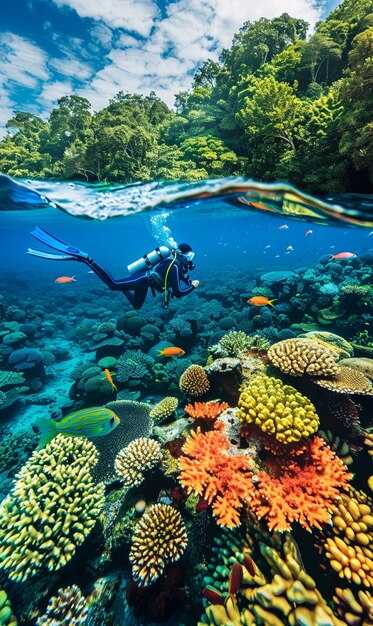
Book a morning boat charter from Maui to Molokini Crater and snorkel the crater rim for the clearest visibility and calmer currents.
Molokini sits about 2.5 miles off Maui’s southwest coast and is accessible from Lahaina, Kaanapali, or Maalaea Harbor. Plan a 2.5–4 hour excursion, including time at the site, with 30–45 minutes of cruising each way depending on wind and seas.
Visibility on ideal mornings reaches 60–100 ft (18–30 m) commonly, with peaks above 100 ft when trade winds are light. Surface temps hover in the mid-70s F, and water temps typically linger in the mid-70s to low 80s F–comfortable for a long session in a lightweight wetsuit or rash guard. The night sky over hawaiis oceans fades as dawn approaches, and the first light enhances visibility for the morning trip.
Marine encounters deliver an abundance of reef life: expect schools of tangs and surgeonfish, bright wrasses, parrotfish, morays in crevices, and green sea turtles cruising the outer shallows. Sightings of reef sharks are possible near the outer wall, and pelagic species may drift by the edge on calmer days. If youre lucky, you might even spot spinner dolphins skimming the channel at dawn.
Boat access is straightforward: multiple operators offer morning departures, with pickups from Maui resorts and nearby towns. Resorts and transfer services arrange convenient options for visitors; check-in times are typically 6:30–7:15 am to maximize visibility and wildlife activity. Remember that the outer rim can experience stronger currents; stay with your guide, use provided flotation, and avoid stepping on coral for an intriguing, respectful experience.
Practical tips: bring a waterproof camera, reef-safe sunscreen, a light layer for the chillier wind, and a small snack. Read the operator briefing ahead of time to understand zones to avoid and how to minimize disturbance to wildlife. Molokini’s location, combined with the neighboring lanai and nearby Oahu itineraries, makes a visit to this area part of thrilling adventures in hawaiis oceans and a must for any visitor to visit.
Kauai Night and Macro Dives: Lights, Photography, and Tiny Critters
Get a compact macro-lighting kit: a 60–100 mm lens, two compact strobes, a focused LED light, and a red-light option to preserve natural colors. Getting the most from Kauai’s night macro opportunities starts with patient, steady movements and a plan that keeps you close to the subject (about 8–15 cm) while youre getting the composition right. This setup is a great foundation for intriguing close-ups as the marine world wakes after sunset.
Tra le location migliori si annoverano le grotte lungo la costa di Na Pali, i tunnel di lava e le piattaforme coralline riparate, dove è possibile ammirare una miriade di minuscole forme di vita. Queste pareti ad alto contrasto offrono abbondanza e una vasta scelta di soggetti, tra cui ghiozzi, gamberetti pigmei, nudibranchi e piccoli polpi che si annidano nelle fessure. Preparati ad avvistare specie endemiche come il ghiozzo di barriera hawaiano e la seppia bobtail hawaiana, oltre all'iconica foca monaca hawaiana che si affaccia occasionalmente sulla riva: mantieni le distanze e lascia passare questi maestosi animali. Al tramonto, una tartaruga scivola via, offrendo una sagoma più grande sullo sfondo del minuscolo mondo che stai documentando. Questi siti offrono colori tropicali e molte opportunità per avvicinarsi, e potresti anche avvistare occasionalmente un pesce volante che guizza nella corrente.
Pensa all'illuminazione e alla tecnica: illumina il soggetto con una configurazione a doppio flash e con luce leggermente fuori asse per ridurre il backscatter. Potresti avvistare sagome di mante vicino alla superficie quando sei vicino al bordo della barriera corallina dopo il tramonto; appaiono come graziose silhouette contro il blu scuro, un ottimo promemoria del regno pelagico oltre la barriera corallina. Per la macro, posiziona i flash a circa 40-60 gradi, usa una luce focalizzata per bloccare la messa a fuoco e scatta in RAW con bilanciamento del bianco manuale. Impostazioni suggerite: otturatore 1/125–1/200, diaframma f/11–f/16, ISO 400–800; regola in base alla visibilità e al backscatter.
Aspettati una rosa diversificata di soggetti: il calamaro bobtail hawaiano, i nudibranchi endemici e quei timidi granchi nascosti nelle caverne. Avvicinarsi richiede pazienza, ma la ricompensa è grande: le texture sulle conchiglie, le linee intricate degli archi branchiali in minuscoli pesci e l'esplosione di colore nella barriera corallina tropicale. Potresti sentire i canti della barriera corallina in sottofondo mentre scatti, un segnale udibile che qualcosa vive qui. Scattare foto al tramonto aggiunge un colore drammatico e le silhouette di tartarughe forniscono una scala tra il minuscolo mondo che stai documentando. Se stai scattando macro, mantieni le distanze e lascia che l'abbondanza di vita si riveli. C'è qualcosa di magico nella notte marina che fa rivivere il micro-mondo.
La sicurezza e l'etichetta guidano la sessione: studia le correnti e il vento prima di entrare; muoviti lentamente lungo il bordo della barriera corallina, evitando il contatto con la fauna selvatica. Non toccare o inseguire mai i soggetti; concedigli spazio e fai un passo indietro se mostrano segni di stress. Mantieni una distanza rispettosa dalle foche monache e da altri animali protetti; sei lì per osservare, non per influenzare. Mantieni il galleggiamento per proteggere gli habitat delicati, come le grotte e le pareti alte nei tubi di lava. Dopo il ritorno, leggi i tuoi appunti e cataloga i tuoi scatti migliori per i viaggi futuri.
Immersioni vulcaniche a Big Island: Correnti, pericoli e briefing sulla sicurezza
Iniziate con un briefing sulla sicurezza preciso e verificate le previsioni aggiornate su correnti, maree e moto ondoso; muovetevi in coppia e seguite i punti di entrata e uscita pianificati. Nelle acque costiere vulcaniche, le correnti possono cambiare rapidamente e spingere verso le pareti della barriera corallina o gli stretti canali. Stabilite una profondità massima chiara con la guida, assicuratevi che un dispositivo di segnalazione di superficie sia pronto e confermate il piano di risalita di emergenza. Questo approccio protegge il gruppo e riduce i rischi.
I rischi principali includono bruschi cambiamenti di corrente, visibilità limitata a causa dei sedimenti smossi, basalto tagliente, macerie instabili e la possibilità di rimanere impigliati in cavi o attrezzatura. Evitare il contatto con superfici rocciose intatte e caratteristiche sommerse; attenersi al percorso guidato e rispettare le zone di uscita segnalate. Le onde di risacca possono spingere verso canyon più profondi, quindi rimanere all'interno del profilo pianificato.
I briefing sulla sicurezza riguardano la coppia di immersione, i metodi di segnalazione, il piano di risalita e di uscita, l'andatura, i limiti di profondità e i controlli dell'attrezzatura (GAV, erogatore, muta, guanti, pinne). Gli operatori delle città insulari forniscono queste escursioni e adattano i piani alle condizioni. Porta sempre con te un dispositivo di segnalazione di superficie e utilizza una boa di segnalazione di superficie quando riemergi. Se la visibilità diminuisce o le correnti si intensificano, interrompi e torna alla cima di risalita. Dopo la sessione, registra le condizioni e qualsiasi problema con l'attrezzatura ed effettua un debriefing con la guida prima di tornare indietro.
Finestre Stagionali: Periodi Migliori, Meteo e Pianificazione per Avventure Subacquee alle Hawaii
Prenota in anticipo con un operatore affidabile che offra escursioni di avvistamento balene e incontri ravvicinati con la barriera corallina; scegli il periodo gennaio-marzo per l'attività delle megattere e condizioni del mare ottimali.
Finestre stagionali in sintesi:
- Inverno all'inizio della primavera (Nov–Mar) – le megattere dominano la scena, offrendo uno spettacolo indimenticabile; il periodo migliore per l'avvistamento è in genere da dicembre a marzo. Le condizioni variano a seconda della costa: più calme sui litorali sottovento, mareggiate potenzialmente più ampie sui versanti nord esposti. Le temperature dell'acqua si aggirano intorno ai 23–26°C con una visibilità comunemente di 18–30 metri sui siti di barriera corallina. Cercate offerte che abbinino l'osservazione della fauna selvatica all'esplorazione della barriera corallina; le strutture di barriera artificiale e le ricche formazioni di riff aggiungono interesse. Contattate una guida per personalizzare un piano adatto alla vostra esperienza e uscite al mattino per una luce migliore e un mare più calmo.
- Estate-inizio autunno (maggio–settembre) – i mari spesso si calmano, offrendo maggiore visibilità e passaggi più agevoli lungo molte rotte. Questo periodo è eccellente per viaggi subacquei più lunghi e avventure di snorkeling in diversi siti vicino a Maui, Oahu, Kauai e Big Island. Il tempo in acqua può essere intenso e l'opportunità di incontrare delfini, tartarughe e mante è frequente. Le guide offrono spesso itinerari multi-sito che massimizzano gli incontri con la fauna selvatica mantenendo condizioni favorevoli; inoltre, le mattinate tendono a presentare le condizioni migliori.
- Mezze stagioni (Apr, Ott–Nov) – condizioni di transizione e meno folla. È il periodo migliore per scoprire nuove offerte e testare diversi operatori, poiché i confronti diretti rivelano quale negozio offre il miglior rapporto qualità-prezzo. Quasi tutti i siti rimangono accessibili e le guide possono personalizzare i viaggi in base alle preferenze e ai livelli di abilità specifici.
Attenzione: le condizioni possono cambiare rapidamente; conferma sempre con il tuo operatore la sera prima e controlla le previsioni più recenti.
Lista di controllo per la pianificazione e la sicurezza:
- Timeframe – prenota con 6–8 settimane di anticipo durante i mesi di punta; l'inizio della primavera e l'autunno possono comunque richiedere una pianificazione, ma la domanda diminuisce leggermente.
- Operatore e attrezzatura – scegli un operatore con una solida esperienza in termini di sicurezza e attrezzatura adatta al tuo livello di comfort; informati su barriere coralline artificiali e altri siti in linea con le tue ambizioni.
- Itinerary flexibility – chiedi opzioni che si spostino tra i siti lungo la costa in modo da massimizzare le possibilità di osservare la fauna selvatica e sopportare condizioni favorevoli.
- Preparation – prepara protezione solare, crema solare reef-safe, rash guard, asciugamano, acqua e snack; porta una borsa impermeabile e calzature adatte per l'accesso alle barche.
- Tempi della fauna selvatica – le megattere sono più attive la mattina presto e nel tardo pomeriggio; pianificate in base alle raccomandazioni della guida per ottimizzare il tempo con gli animali.