


 Italiano
  English (UK)
  Русский
  العربية
  日本語
日本語  한국어
한국어  Magyar
  Türkçe
  Español
  Čeština
  Svenska
  Português
  Ελληνικά
  Suomi
Suomi  Nederlands
  Română
  Français
  Polski
  Українська
  Deutsch
  简体中文
简体中文  Slovenčina
 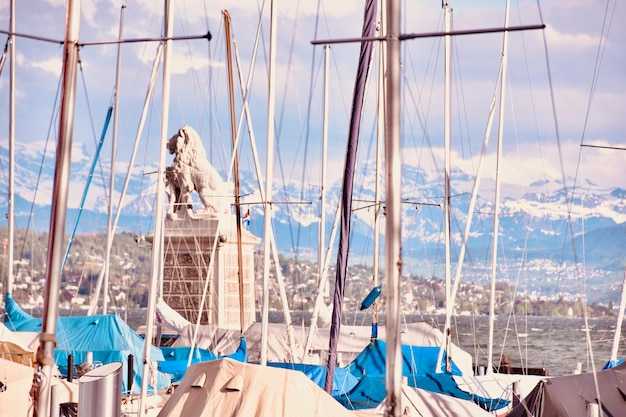 Best Sailing Destinations in Europe – Top Places to Explore">

First, start with a balanced loop from montreux on Lake Geneva toward the Côte d’Azur for calm morning sails and shorter open-water hops. A well chosen skipper can help you manage risks if you’re new to coastal routes. Choose one of 40–45 ft yachts with comfortable deck space; coordinate transfers from the airport to the marina, and rely on guides that cover tides, berthing rules, and safety for a complete, worry-free experience. Use booking platforms and look for free cancellation options where available. Plan the first leg along the Riviera to pace your week.
Among europes top sailing routes are the Croatian Dalmatian coast with its string of lavender-scented islands, the Ligurian coast with villages such as Portofino and Cinque Terre, and the Ionian treasures of Greece. For a 7–10 day plan, target about 5–7 sailing days with 4 nights in villages like Hvar, Korčula, and Rab; anchor in protected coves near towns like Milna or Mlini; and blend island hops with shore adventures. Use trips to describe each leg, and watch booking windows to secure prime berths.
For a balanced itinerary, mix sunset sails with shore activities: wine-tasting in Istria’s villages, foot paths along cliffside towns, and sport sailing on a reliable forecast. Look for adventures on alpine-to-coast links and schedules for marina visits. Many operators offer free mooring days or guest slips, plus yachts with a skipper. Transfers from airport to marinas are common in multi-port packages.
Daily legs typically run 20–30 nautical miles, allowing 3–5 hours of sailing and a generous hour for lunch or a museum stop. The Ligurian route offers 18–25 nm hops between Camogli, Santa Margherita Ligure, and Portofino, while Croatian island hopping often uses 15–28 nm days with nights in Korčula Town or Mljet National Park. The best window runs from late May to early September, when sea state is gentle and winds average 12–18 knots in the afternoon. Build a flexible plan so you can swap days if a front rolls in.
These paths suit both adventures seekers and families. The complete plan includes transfers, a reliable set of guides, and a handful of anchorages with free or low-cost marina nights. Use links to compare booking options, and reserve a mix of in-port stays and coastal stops to maximize comfort and exposure to diverse villages and foot paths along the coast.
European Sailing Destinations: Practical Guide
Start with a three-leg route: markermeer, the bregenz area, and a turquoise coast segment in europe. Plan the trip for mayseptember season to catch favorable winds and reliable harbour slots, and lock in berths early if youre visiting popular ports.
To build confidence, practise handling in calm bays and shallow locks before longer hops. This route suits both a small crew and a larger one, with a large selection of sheltered harbours along markermeer and the lakes near bregenz. During the mayseptember window, youre likely to find better availability and more predictable winds.
Notable stretches include switzerlands lakes and the bregenz shore, where renowned cruises anchor near promenades. Some anchorages offer turquoise water and easy shore walks, ideal for a short trek after sunset. In this three-leg loop, youre able to mix sailing with quick land visits and local events that happen through mayseptember.
For logistics, select a compact set of ports with reliable fuel, water, and repair options. Train your crew on safe berthing and line handling, check wind and tide forecasts, and keep a simple safety plan. Use well-lit markers and keep a lightweight cruising plan with three options for every night.
Seasonal winds and best sailing windows
Book a May–June charter in the Balearics or the Aegean for steady thermals and comfortable seas. This window is ideal for beginner-friendly crews and makes long days at sea feel manageable, with time for walks ashore after sailing. This window works whether you sail with a large crew or a small one.
Across europes coastlines, wind windows vary by season. In the Balearics, May–June or September bring light, dependable thermals that let you hop between calas with minimal fatigue. In the Aegean, meltemi winds rise from June to September, so plan May or September trips when breezes are milder. In the Adriatic, plan May–September for steady sea breezes and easy shore visits to historical towns. North Europe’s coasts offer cooler, steadier breezes and access to inland hikes in beech forests, with short tours ashore.
Those seeking a mix of sea days and land adventures can pair sailing with forests and ecosystem-rich inland options. Central Europe offers beech forests and guided walks that frame a voyage with nature. Glacier views in the Alps provide contrast to the sea, and boar sightings in protected woodlands add local charm. For those dreaming of titicaca, pair a pre- or post-cruise land tour with your sailing; disneys can inspire short shore excursions for younger crews.
Next steps: choose charters with flexible itineraries, align with wind windows, and confirm early bookings for popular routes. Build a plan that includes a mix of sea days, rests ashore in forests, and cultural tours to a spot or two along the coast. This approach helps crews and families alike, balancing time on deck with easy inland walks and short day legs.
7–14 day itineraries across Europe
Choose a 10-day loop centered on Garda, Bregenz, and Elba to balance lake sailing with island hopping along the Tyrrhenian coast, delivering sun-drenched anchorages and efficient planning.
Days 1–3: Garda shores offer sheltered coves, dotted marinas, and calm mornings; stay in Desenzano, Sirmione, or Lazise, then set a light pace for the leg toward Bregenz, with a cadair-inspired inland lookout as a planning touch; this adds a natural complement.
Days 4–5: cross toward Bregenz on Lake Constance; anchor at Lindau or Bregenz harbor, enjoy natural scenery, and if the wind loosens, swap to a shorter hop; visitors can walk the shore promenades and catch local parties if they align.
Days 6–8: Elba greets with sun-drenched coves, turquoise water, and easy snorkeling; port options include Portoferraio, Capo Sant’Andrea, and Porto Azzurro; from here you can take short cruises to nearby islands.
Days 9–12: from Elba, head to the Ligurian coast–La Spezia, Portovenere, and the Cinque Terre offer dotted towns, seafood markets, and cliff-backed trails; a few coastal cruises let you pace the days.
Days 13–14: return toward Garda by sea or land, with a final stop in a lake-town and a sunset over the water; this loop, called a balanced coast-hopping option for those who want variety.
Guidelines and источник for planning focus on weather windows, crew size, and flexible legs; adjust from inland routes if winds rise, and keep much buffer for delays.
For a broader frame, Titicaca stories sometimes surface in planning notes as inspiration; the comparison helps visitors gauge lake scale and water conditions, while each stop offers fresh seafood and friendly locals.
These itineraries are suitable for anyone seeking variety: people who crave a mix of inland hills and sea days; visitors, couples, and groups will find balanced pacing and practical berths.
Final tip: plan ahead, book marinas early, check ferries between islands, and consider winter reductions in activity along northern lakes; this approach keeps things smooth.
Budget guide: marina fees, fuel, and provisioning
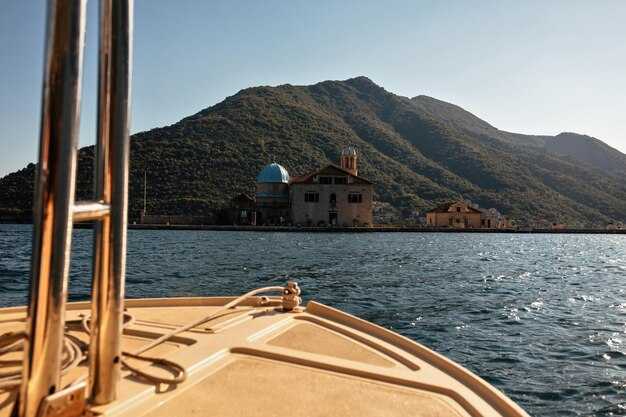
Recommendation: choose lefkas for budget slips (25–60€ per night) and base most stays at anchorages to keep daily costs down; pair this with provisioning at local markets and reliable fuel docks, then compare options on google to pick the best value across locations.
Marina fees and where to stay
- Sardinia: typical marina slips run 40–90€ per night for a 12–14 m boat in shoulder season; peak weeks push to 100–180€ in main ports. Discounts appear for 7+ night stays, but the centre of busy ports can hike prices. If you hop between estuaries along the coast, you’ll find cheaper options without sacrificing access to reliable services.
- Lefkas: budget slips commonly 25–60€ per night; near the port side you may see 60–90€ during high season. Many marinas offer power and water included in the rate, and several have friendly staff who can help arrange weekly slots, making it feasible to keep costs steady through a season. Lefkas also attracts boaters for quick hops through the Ionian coast, with world-class safety and facilities at a friendlier price point.
- General tips: book ahead for better rates, especially if you plan to stay in one location for several days. Look for locations with a strong centre and good bearings from key landmarks, so you can explore by bike or on foot between slips and markets.
Fuel planning
- Prices: diesel typically 1.60–2.10€ per liter, petrol 1.65–2.25€ per liter in many European ports. Expect higher rates at prime marinas and lower rates at remote fuel docks or family-run harbours.
- Consumption: a 10–12 m sailboat motoring at 5 knots uses roughly 0.8–1.8 L per nautical mile; a day of mixed sailing and 1–2 hours of motor may burn 8–20 L. Plan a buffer of 20–40 L for safety, especially when winds are light or you’re crossing open water.
- Practical approach: fill diesel at a reliable location with open hours, then top up at a smaller estuary or harbour along the way to balance price and convenience. If you’re hopping between locations, map a fuel stop strategy that minimizes waiting time without sacrificing safety.
Provisioning tips
- Markets and shops: Greek markets in Lefkas towns and Sardinian weekly markets offer fresh fruit, vegetables, bread, and seafood at better prices than tourist supermarkets. Plan two provisioning cycles per week to keep produce fresh and costs predictable.
- Weekly budget: for two on a rotating menu of simple meals, expect 120–180€ per person in Greece; in Sardinia, 150–230€ per person is common if you shop mostly locally and cook at the boat. Dining out occasionally doubles the food budget; reserve some funds for a few ‘heaven’ meals in port towns.
- Where to shop: focus on location-specific outlets near the centre of towns for best value. In many places, locals offer seasonal specials that are cheaper when you shop directly with farmers or fishermen (look for “stays” of fresh catch and seasonal produce).
- Storage and provisioning plan: buy staples in bulk at reliable markets, then supplement with fresh produce during weekly hops. If you’re anchored, you’ll save by buying longer-lasting items and using bike trips to markets rather than taxis or rideshares.
- Tips to keep costs down: skip high-end marina docks for long stretches, use anchorages or cheaper side slips, and provision at locations identified as cost-efficient through google reviews or local recommendations. This approach helps you maintain a steady, predictable budget across several locations.
Practical route planning ideas
- Look for estuary and valley routes that offer sheltered waters and reliable winds, reducing the need to motor. The landscape along these waterways often provides natural protection and cheaper moorings closer to town centres.
- Consider a mix of short hops and longer hops to balance marina costs with travel time. A few longer hops through well‑served ports can save daily kerbside charges, while hopping between anchorages between centres keeps overall expenses down.
- For a smoother experience, map a loop that includes a world-class harbour side, a few quiet anchorages, and a couple of smaller ports. This rhythm supports cheaper stays, dependable fuel stops, and steady provisioning while still letting you enjoy the best locations along the coast.
Charter options for beginners: boat types and tips
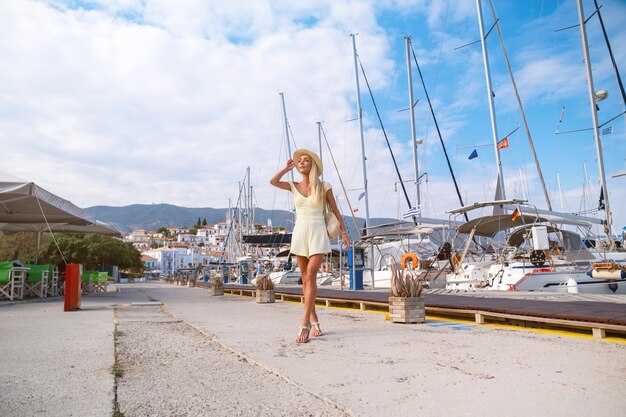
Begin with a versatile 4-6 berth catamaran or a compact 2-cabin monohull, ideally with a skipper included, for a week-long trial cruise. This setup delivers stable handling, wide deck space, and simpler sail management that helps newcomers gain confidence quickly.
Two key choices shape the learning curve: monohulls feel lively and affordable, while catamarans offer extra sleep space, a flatter motion, and easier docking. For total newbies, a crewed charter removes the need to handle sails and docking solo; check your bookings to confirm whether a captain is provided and what duties you’ll share.
Plan short hops along Europe’s best coastlines: Croatia’s Dalmatian coast from Split to Dubrovnik with stops at Hvar and Korčula; Greece’s Ionian or Saronic routes with protected bays; the Balearics around Mallorca and Menorca. Keep hops to 20-40 nautical miles and choose anchorages near calm coves, especially for sleep quality and safety. Each stop can be reached within a single day, keeping pacing relaxed, and such routes help you build confidence quickly.
Consigli di sicurezza e operazione che si traducono in risultati reali: effettua un briefing pre-noleggio, controlla i giubbotti di salvataggio e il VHF, e conosci i venti e le maree per la tua zona. Esercitati ad attraccare in una marina riparata per prima cosa, poi goditi i tramonti in prima fila dal pozzetto mentre la fiducia cresce. Usa la rete di operatori locali per confrontare le opzioni e seleziona un percorso che corrisponda al tuo livello e ritmo.
Viaggiatori attenti all'ambiente possono navigare in modo sostenibile scegliendo imbarcazioni ad alta efficienza energetica, mantenendo velocità moderate in aree protette e issando le vele quando necessario. Itinerari più brevi e rispettosi dell'ambiente vi permettono di unirvi al ritmo di una costa e di dormire bene a bordo o in una marina. Una settimana ben strutturata tiene il passo con i visitatori nei porti affollati e lascia tempo per un'escursione a piedi o un'escursione sulla costa che rivela parchi, torri e piccoli paesi costieri affascinanti.
Per una pianificazione che va oltre i soliti itinerari, prendi in considerazione destinazioni che ampliano l'esperienza: Montreux offre una distesa turchese del Lago di Ginevra e tranquille cittadine sul lago con torri medievali; puoi tornare a casa con un mix di momenti all'acqua e scoperte sulla terraferma. Un giro più lungo potrebbe persino includere il Perù, a illustrare quanto flessibili possano essere le imbarcazioni a noleggio quando si collegano voli con imbarcazioni. Al momento della prenotazione, scegli prenotazioni che consentano date e dimensioni delle imbarcazioni flessibili, in modo da poter adattare in base a ciò che impari. Potresti anche aggiungere Alta per un'escursione di un giorno prima o dopo il tempo in mare per mescolare terra e acqua.
Licenze, permessi e regole di navigazione locali per paese
Verificare licenze, permessi e normative locali paese per paese prima di salpare. Portare con sé un ICC (International Certificate of Competence) o il proprio certificato nazionale, più i documenti di registrazione della barca quando richiesto. Per l'uso radio, ottenere una licenza VHF marittima se un paese lo richiede. Avere una checklist stampata e mantenerla aggiornata con fonti ufficiali marittime.
Francia: i permessi si applicano principalmente alle imbarcazioni a motore; la navigazione a vela privata generalmente non richiede una licenza, ma una licenza per radio VHF è spesso necessaria per far funzionare le apparecchiature a bordo. I comandanti di porto possono chiedere prova di competenza per determinati percorsi o eventi, quindi portate con voi il vostro certificato e siate pronti a mostrarlo all'ingresso di porti trafficati.
Spagna e Portogallo: le piccole imbarcazioni a vela di solito non necessitano di una licenza di navigazione governativa, ma i viaggi internazionali potrebbero richiedere il riconoscimento ICC. Le imbarcazioni a motore richiedono una licenza e le società di charter spesso richiedono un certificato riconosciuto dal comandante. Prima dei salti costieri, confermare le normative locali con la Capitanía o autoridad marítima e allineare la prontezza dell'EPIRB e dei giubbotti di salvataggio con il piano.
Italia: la navigazione a vela privata con imbarcazioni di piccole dimensioni, tipicamente di lunghezza ridotta, raramente necessita di una licenza dedicata, mentre le imbarcazioni a motore richiedono spesso una patente nautica. A nord, Riva del Garda funge da hub per tour e corsi sul lago, mentre i percorsi interni verso gli Sibillini offrono collegamenti escursionistici tra acqua e colline – verifica che la tua documentazione corrisponda all'itinerario e ai termini di noleggio.
Croazia: la costa generalmente accetta la navigazione a vela privata per piccole imbarcazioni, con ICC ampiamente riconosciuto per viaggi internazionali. Per imbarcazioni più grandi o motorizzate, è tipica una qualifica nazionale. Quando si pianificano viaggi tra le isole o viaggi costieri, coordinarsi con la propria società di charter riguardo alla documentazione e alle attrezzature di sicurezza richieste.
Slovenia (Bohinj) e Svizzera: Bohinj sul lago interno è regolamentato per imbarcazioni non a motore, e l'uso a motore segue le regole cantonali. Sulla costa adriatica, porta con te il certificato se intendi noleggiare una barca oltre a piccole imbarcazioni non a motore. In Svizzera, la navigazione dei laghi spesso richiede la registrazione delle imbarcazioni e, per le imbarcazioni a motore, una licenza; una licenza VHF marittima è comunemente necessaria se si dispone di apparecchi radio a bordo. Le regole sulla costa possono variare a seconda della stagione, quindi controlla le autorità cantonali prima di utilizzare una tavola da paddle o una breve vela.
Grecia: la navigazione a vela privata su molte piccole imbarcazioni costiere tipicamente non richiede una licenza formale; l'ICC è accettato per gli affitti internazionali. Prestare attenzione alle rotte ricche di isole durante l'alta stagione e rispettare le normative portuali locali, soprattutto vicino ai porti trafficati dopo il buio e durante i controlli di sicurezza regressivi.
Regno Unito e Irlanda: la navigazione a vela da diporto generalmente non richiede una licenza formale, ma alcune aree interne e costiere possono avere limiti specifici; per il noleggio, gli operatori spesso richiedono un certificato riconosciuto. Portare con sé la prova di competenza, i documenti della barca e l'assicurazione; utilizzare una radio con licenza se si prevede di effettuare comunicazioni e gestire emergenze a bordo.
Regioni Nordiche e Benelux: in Svezia e Danimarca, le regole di navigazione private sono permissive per piccole imbarcazioni, ma le imbarcazioni a motore potrebbero aver bisogno di una licenza. I Paesi Bassi distinguono tra regole per l’acqua interna e quelle per il mare, con requisiti più severi per le imbarcazioni a motore. In Norvegia e Islanda, verificare le regole tutto l’anno per i fiordi trafficati e le zone costiere esterne e pianificare controlli meteorologici frequenti e attrezzatura di sicurezza.
Consigli pratici per mantenere scorrevoli i viaggi: verificare le restrizioni specifiche per la stagione intorno a porti trafficati, scuole di vela e basi panoramiche come Riva o Bohinj. Abbina i salti costieri alla ciclismo (la ciclismo sostituisce la bicicletta) per esplorare serate stellate e rive alberate dopo le vele. Per i bacini lacustri o i percorsi protetti, considera le opzioni di paddleboard per le giornate calme quando il vento cala. Quando pianifichi un circuito in più paesi, crea una semplice lista di controllo che includa lo stato ICC, le esigenze VHF, l'assicurazione, le registrazioni e gli ultimi collegamenti ufficiali ai tuoi porti di scalo. Questo approccio aiuta a garantire viaggi e tour sicuri e piacevoli attraverso diversi paesaggi costieri - dalle città storiche lungo antiche coste ai moderni porti turistici raggruppati intorno ad arcipelaghi sparsi.