


 Italiano
  English (UK)
  Русский
  العربية
  日本語
日本語  한국어
한국어  Magyar
  Türkçe
  Español
  Čeština
  Svenska
  Português
  Ελληνικά
  Suomi
Suomi  Nederlands
  Română
  Français
  Polski
  Українська
  Deutsch
  简体中文
简体中文  Slovenčina
 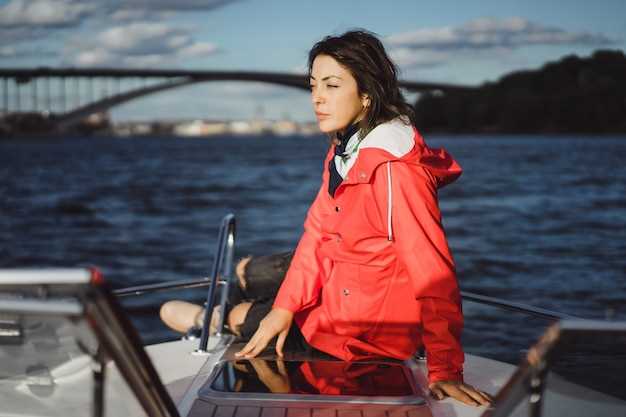 Best Practices for Boaters During Spring Break – Safety and Etiquette">

Essential safety and etiquette for boaters during spring break begin with a clear plan and a team approach. watch the surroundings, read the chart of your route, and ensure you’re wearing a lifejacket. Keep plans flexible, stay open to changes, and remember this is essential for everyone on board.
Before going, inspect hoses, check for fire hazards, and review items on deck. Maintain limits and watch for changing conditions, especially when there are lots of boats cruising nearby. Dress for the weather; pack a passport if needed for travel, and fuel your crew’s energy with smart planning instead of taking unnecessary risks.
Keep respect per il surroundings and for swimmers near shore. Maintain a front lookout and a safe line while keeping the open water clear. If someone needs help, respond with a calm, team effort and use your first-aid kit as needed. The goal is to minimize risk and keep everyone on board well e safe.
Our promotional program includes rentals of essential gear, video tutorials, and copies of the safety chart and checklists. You’ll receive multiple copies of the guide, plus first-aid steps and equipment recommendations from a rivenditore. Remember to keep items stored securely, leave nothing behind, especially trash on shore.
Spring Boating Safety and Etiquette Guide
Spring brings longer days and busier waters, so start with a pre-launch routine and early planning. Before leaving the garage, run a checklist for safety and comfort: lifejacket for every passenger, jackets for crew, a functioning lights system, and a full tank if you will travel far. Check rentals for compliance and inspect boats for wear on the line and anchor. Dress for the weather, apply sunscreen, and keep a dry bag with bottled water ready. This idea of thorough preparation makes your trip more enjoyable and reduces the risk of hypothermia in cooler mornings.
Etiquette on the water matters as much as safety. Respect people on the lake and avoid crowding swimmers and shorelines. Please dispose of trash properly and keep a tidy boat to help the desk at the marina. Follow posted signs and county rules, and slow down near pedestrians and swimmers. Assign a reliable passenger to help monitor lines and movements, and keep conversations clear to avoid distracting the captain. Remember that travels along the lake should be calm and respectful for all vacationing nearby.
Swimming and boating require constant attention to safety. The most essential rule is to wear a lifejacket for everyone, even strong swimmers. Swimmers should stay within reach of their boat and never cross boat wake. Hypothermia is a real risk in spring waters, so dress in layers and have a plan for rapid re-entry on deck. Sunscreen should be applied before you head out and again after reboarding. If a swimmer falls overboard, throw a flotation device toward them and keep everyone else calm.
On the boat, practice safe handling and avoid risky maneuvers. Rentals and privately owned boats alike should keep movements smooth and predictable. Check the line, anchor, and front deck layout before every trip, and ensure the board is secured and the deck is free of loose gear. If you’re leading a group, assign a team to watch for hazards and communicate clearly with passengers. Most importantly, travel at safe speeds to protect people on board and those nearby. A nice, steady tempo will help you stay in control and reduce stress on the crew.
Safety equipment and signals help reduce risk. Ensure lights function for night or low visibility travel and have a video or quick-access device to call for help. Keep a first aid kit onboard and check signs of life on the boat. The vessel should carry a fire extinguisher and spare battery, and you should know how to respond to a fire in enclosed spaces. Respect the water, shorelines, and other travelers by keeping trash off the deck and using proper disposal methods. When docking, use quiet, controlled movements to avoid losing balance or injuring someone on the dock. dont forget that you can always ask a friendly desk staff for guidance if conditions change.
Before departure, review the gear and plan with your team. You should complete a pre-launch checklist, confirm fuel, life jackets, and the anchor. If youre new to boating, start with an early, gentle route near shore and then travel farther as confidence grows. Dont forget to check the weather, read the lake signs, and keep within limits. A first, careful approach will make your vacation more enjoyable and will reduce the risk of accidents. If you have an idea to improve safety, share it with your team so everyone benefits.
After a great boating trip, end with a quick debrief and cleanup. Address any equipment issues at the desk or with the marina staff, and dispose of trash properly. Rinse and dry gear, return rentals on time, and address any feedback for future travels. Yourself and your crew will thank you for a smooth, responsible experience that respects the lake and its inhabitants. This approach makes every visit to the county shore a safer, more enjoyable experience for all swimmers and bystanders.
Pre-Departure Safety Checks and Gear Readiness
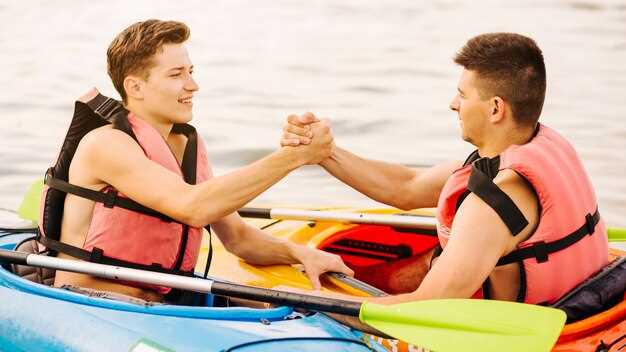
Pre-launch checks should begin times before departure. Before you leave the home, watch weather forecasts, tide tables, and marine alerts. If conditions are unsafe, stop and reassess. Please follow the posted checklist today and ricorda il limits for your vessel and crew. Ciascuno item on the list matters for travel e longer viaggi, and ensures energy reserves are prepared for shifts in conditions. Ispeziona il system and gear, including safety equipment, hoses, and anchors, to avoid obvious surprises when you’re underway. Make sure you know where to find essential documents and contact numbers before you cast off.
Exterior and hull check: walk the perimeter and inspect il front of the vessel; verify stored gear is secured and trailer connections are sound if you’re planning to trailer. Look for corrosion, loose hardware, or obvious wear, and address anything that looks wrong before you launch. If there is damage, stop and consult your rivenditore for guidance. Note the location of safety equipment and ensure it’s reachable from both the front and rear areas, and addresses of nearby porti turistici are saved for quick reference.
Safety gear and passengers: verify essential PFDs for everyone, including kids e swimmers, are in good condition and either worn o stored in accessible places. Ensure enough life jackets for the crew, plus a throwable device, a horn, and a fire extinguisher onboard. Check that head height and seating allow safe movement; everyone should be wearing non-slip footwear while on deck. In cadere and winter conditions, have più caldo layers available; for summerizing the season, prepare lighter layers but maintain safety. Keep lots of water on board to support breathing e energy, and avoid fatigue on long crossings.
Engine, fuel, and electrical system: inspect batteries, charging gear, and the bilge pump. Confirm fuel quantity and quality, and check for leaks in lines and fuel hoses. Do a quick start test to detect any abnormal noises or warning lights; if anything is off, stop and consult the rivenditore or service center. Make sure spare fuses, a basic tool kit, and a fire extinguisher are on board, along with a plan for possible breakdowns during viaggi. Always test the marine radio and a backup method of communication, especially on longer viaggi and in remote locations.
Documenti e permessi: portare i richiesti documents per il viaggio–registrazione, assicurazione, licenze di operatore e informazioni mediche per kids o ospiti. Conservare copie. from home and on board in a waterproof, stored container. Se lo farai travel internazionalmente, portare consolato contatti e tutti i permessi necessari. Assicurati di avere carte nautiche aggiornate o mappe digitali, un GPS funzionante e una radio attiva con batterie cariche. Riguardo locations e restrizioni, rispetto pubblicato avvisi e conoscere il modo più sicuro addresses di autorità portuali lungo il percorso. Se theres any questions, discuss them prima della partenza. Per viaggi oltre le acque familiari, mantieni backup essenziali e pianifica in anticipo.
Meteo, pianificazione e disciplina in navigazione: esamina le condizioni per today e le prossime ore, e considera come il mutamento del tempo atmosferico potrebbe influire sul tuo viaggio. Se theres un cambiamento, preparati ad alterare o interrompere viaggi; avere un second plan and a backup route. Make a clear case per il rientro in porto se la sicurezza è compromessa, e dirigersi verso porti sicuri dove l'acqua è meno profonda. Ricorda di prestare attenzione alla salute e all'idratazione, e mantieni food e acqua per chi è a bordo. In fase di pianificazione, affrontare qualsiasi preoccupazione da them, e tenere informo tutto l'equipaggio sugli incarichi e su dove trovare l'attrezzatura di sicurezza. Sopra questo, rimanere flessibili e preparati per condizioni mutevoli.
PFD e briefing dei passeggeri per la folla della primavera
La folla delle vacanze di primavera su un lago porta molta energia ed entusiasmo. Per rimanere a galla e ridurre le preoccupazioni, ogni imbarcazione dovrebbe avere un piano chiaro e pratico per i dispositivi di galleggiamento personale (PFD) e le istruzioni ai passeggeri. Questa sezione tratta di come preparare, informare e rendere responsabili i passeggeri, sia che si sia vicino a un bacino di lancio pubblico che a un ponte privato, e che si parta da casa o da una località a noleggio.
- Prima della partenza: ispezionare, selezionare e conservare i PFD.
- Assicurarsi che ci sia un giubbotto di salvataggio della giusta misura per ogni passeggero e che ogni dispositivo di galleggiamento sia in buone condizioni. Per gli affitti, verificare che il rivenditore abbia fornito dispositivi di galleggiamento approvati e che non siano conservati in un luogo caldo, umido o esposto.
- Assegnare un PFD dedicato per ogni passeggero e averne uno di riserva in uno zaino o in un nascondiglio nelle vicinanze, così da poterlo raggiungere rapidamente in caso di sbandamento.
- Verificare i regolamenti e le normative locali sull'uso dei PFD sul lago, e assicurarsi che tutti indossino un giubbotto di salvataggio quando la barca è in movimento o quando si è vicino a pericoli.
- Come regola, prima di tutto, tutti dovrebbero indossare un giubbotto di salvataggio se c'è la minima possibilità di acqua agitata, folla o movimenti improvvisi sull'acqua. Questo è particolarmente importante durante le ore di punta, quando l'attenzione può vacillare.
- Briefing passeggeri: istruzioni chiare e attuabili
- Iniziate con un breve diagramma o checklist di sicurezza che copra dove sono conservate le DPI (dispositivi di protezione individuale), come indossarle e cosa fare in caso di persona che cade in acqua. Usate comandi semplici e ripeteteli nel team se necessario, in modo che tutti possano seguirvi.
- Spiega chi è responsabile di cosa: capitano, primo ufficiale, vedetta. Assicurati che tutti sappiano chi fa la guardia per i pericoli e chi comunica con il conducente.
- Descrivere il percorso e la posizione delle attrezzature di sicurezza, inclusi i punti in cui si trovano le tubature, le pompe di sentina e gli ancoraggi. Segnare questi elementi su un semplice schema che chiunque possa leggere rapidamente.
- Discutere il piano per aree affollate, come vicino ad altre imbarcazioni, moli o spiagge pubbliche. Evidenziare le zone sicure, le restrizioni di velocità e dove ancorare se necessario.
- Gestire ristoro e sicurezza solare: tenere a portata di mano molta crema solare e ricordare ai passeggeri di vestirsi in modo appropriato per le condizioni meteorologiche e acquatiche. Portare frutta e acqua nella borsa per provviste e riporli in un luogo asciutto e facilmente accessibile.
- Sicurezza a bordo: regole pratiche per ridurre i rischi
- Tutti i passeggeri devono indossare il loro giubbotto di salvataggio quando a galla. Nessuno deve stare a prua o vicino al motore a meno che un passegger designato non sia al controllo in una posizione stabile e seduta.
- Mantenere un equilibrio stabile e tenere le mani libere da indumenti larghi e oggetti personali. Utilizzare una postura stabile e evitare di sporgersi sul binario. Se c'è eccitazione, tenere unita la squadra e sorvegliarsi a vicenda.
- Aree pubbliche e noleggio: prestare attenzione ad altre imbarcazioni e nuotatori. Mantenere distanze di sicurezza, evitare di creare onde vicino a folle e rispettare i segnali affissi e gli avvisi delle bandiere.
- In caso di maltempo o congestione, rallenta e usa la carta per navigare lontano dai pericoli. Se hai bisogno di cambiare i piani, comunica chiaramente e documenta le modifiche per prevenire confusione.
- Preparazione e risposta alle emergenze: cosa fare se qualcosa va storto
- Avere sempre un piano per chi cade in acqua. Indicare la posizione del nuotatore, urlare una chiamata designata e lanciare un giubbotto di salvataggio alla persona in acqua se possibile. Soprattutto, agire con calma e rapidità per ridurre il rischio di decessi.
- Mantenere un dispositivo di galleggiamento visibile e facilmente accessibile per assistere in un rapido recupero. Avere una corda o un galleggiante da lancio a portata di mano e praticare una semplice routine di recupero come parte di briefing di routine.
- Utilizza il segnale di emergenza appropriato e, se necessario, avvisa un consolato vicino o le autorità locali se ti trovi in acque internazionali o in un'area protetta. Gli annunci di sicurezza pubblica possono aiutare a guidare la folla e ridurre il panico.
- Documenta l'incidente e fai un follow-up con un debriefing. Questo è un ottimo modo per affrontare le lacune e migliorare la sicurezza per tutti, che tu sia su un lago, un bacino idrico o una vacanza sulla costa.
- Chiusura post-corsa: rivedi, conserva e migliora
- Riportare i PFD alla loro posizione di stoccaggio, controllare se sono usurati e assicurarsi che siano pronti per il prossimo viaggio. Registrare eventuali problemi e organizzare riparazioni o sostituzioni secondo necessità.
- Annotare eventuali preoccupazioni sollevate dai passeggeri e aggiornare di conseguenza il diagramma di briefing. Un rapido controllo del team aiuta a prepararsi per la prossima escursione e a prevenire che piccoli problemi diventino più grandi.
- Tieni traccia dell'attrezzatura come crema solare, acqua, frutta e altri elementi essenziali in uno zaino dedicato. Un kit ben preparato rende più facile rispondere rapidamente in future uscite.
Whether you’re near a lake or on a larger waterway, the right PFDs and thoughtful passenger briefings create a safer, more enjoyable experience for everyone. By planning before you start, staying above the basics, and addressing each person’s role in the crew, you reduce anxiety, increase comfort, and keep the focus on a great, safe escape from daily stress.
Right-of-Way Rules and Safe Passing on Busy Waterways
Right-of-way on busy waterways is governed by established rules to reduce risk, protect crews, and keep travels smooth and efficient. Boaters should be prepared to adjust speed and course, respect the surroundings, and act with predictable behavior in all conditions. In spring, traffic increases and visibility can change quickly, so look ahead, mind your system of signals, and keep a steady, well-planned approach here on the water.
The stand-on vessel should maintain its course and speed unless there is a risk of collision, while the give-way vessel must take early, decisive action to avoid crossing or overtaking. Youll often see this pattern when two craft converge; by communicating clearly with horn, lights, and visible turns, both crews reduce uncertainty and keep energy focused on safe progress. An idea to remember: never assume others will yield–make your intentions known and act before the risk grows.
Before attempting a passing maneuver, ensure you have a clear line of sight, are within legal limits, and can pass without creating wake or spray that could threaten another boat, wildlife, or a passing trailer. Look for signs, markers, buoys, and weather indicators; if conditions worsen, slow down or hold position rather than forcing a risky pass. Weather and temperature shifts can affect braking distances and handling; in colder seasons, wear a jacket and stay ready for sudden changes in wind or current.
Safe passing requires space, time, and attention to your surroundings. Reduce speed, select a safe angle, and pass on the starboard side whenever possible, keeping a generous distance from the other vessel. If another craft is making a turn or changing course, give them ample room and avoid converging paths. Remember that avoiding unnecessary risk is the perfect way to minimize stress for every crew member and wildlife you encounter along the way.
Communication is essential in dense traffic. Use clear phrases and, when necessary, a quick horn or whistle to indicate your intentions. If you’re operating with a conjoined system of signals or a crew, ensure everyone on board understands the plan and can respond quickly. In case of confusion, revert to the most conservative action: reduce speed, avoid aggressive moves, and seek a safe getaway from crowded zones. Although cooperation isn’t guaranteed, following consistent signals and standard etiquette helps everyone stay safe, especially younger or less experienced operators who are still learning the rules.
Preparation matters as much as technique. Before departure, review the weather forecast, check documents and equipment, and verify that safety gear is accessible. On busy waterways, inspect your flag and line handling gear, confirm the visibility of lights, and ensure you have a copy of essential procedures in case of an emergency. Be mindful of environmental concerns: dispose trash properly, minimize engine exhaust, and avoid disturbing wildlife or fragile surroundings. Good preparation reduces risk, improves reaction time, and makes every boating day more enjoyable for all involved.
Remember the broader context: cruising on crowded waters is a shared activity that involves limits, rules, and mutual respect. Whether you’re on a calm spring morning or facing rougher fall or winter conditions, staying calm, prepared, and courteous will help you navigate safely and avoid costly mistakes. Keep your head up, look ahead, and always be ready to adjust to changing conditions, signs, and reports from other mariners so that your travels remain safe and enjoyable for everyone on board and nearby.
| Situazione | Action | Note |
|---|---|---|
| Approaching another vessel from the opposite direction | Give-way vessel yields early; maintain safe distance | Communicate with signals; pass on the starboard side when safe |
| Overtaking a slower boat | Stay clear of its wake; pass slowly and with room | Avoid crowded lines of traffic; watch for wildlife near the water |
| Crossing traffic near a channel or harbor entrance | Reduce speed; ensure you are the stand-on or give-way according to rule | Use lights/signs; ensure you have a clear line and no abrupt maneuvers |
| Limited visibility or poor weather | Drop speed, increase lookout, or delay passing until safe | Temperature and wind shifts can affect control; wear appropriate gear |
| Taking a turn near other boats or in a busy marina | Delay your move until safe; communicate intentions clearly | Environmental awareness is key; avoid unnecessary noise and wake |
Weather, Forecasts, and Storm Readiness Before Launch
Weather, forecasts, and storm readiness should be assessed well before launch. Ciascuno boat owner should look at multiple sources and verify conditions with a trusted источник to avoid surprises. Stay aware of wind, waves, precipitation, and visibility, especially when planning a spring vacation on the water. Think through the pre-launch steps and keep a copy of the plan at hand.
Forecasts, live data, and storm paths: Check the forecast for the next 24 to 48 hours and again just before you depart. Use sopra-water measurements, radar, and official alerts; never rely on a single source. The system should alert you to closing windows and rising seas. Winter conditions can increase gusts quickly, so be prepared to stop or adjust plans. Also, know when to abandon a launch if threats grow closer to your route.
Pre-launch readiness: address trailer setup, towing connections, and parking. Ensure the trailer is on stable ground, hitch engaged, lights working, and all safety gear within reach. Verify equipment readiness: life jackets, throw bags, signaling devices, and spare parts. Pack bottled water and dry bags for the crew, and keep valuables stowed away to prevent damage. This step is required before any voyage. If space permits, move the trailer into the garage area for a quick inspection.
On-water preparation: dress for the forecast, wear appropriate layers, and secure loose items. Keep arms and hands protected with gloves when handling deck equipment. Maintain a clean deck to reduce slips and trips. Ensure good lighting if you launch near dusk, and assign a head of safety to supervise the crew and ensure everyone knows what to do during rough conditions.
Water conditions and safety margins: stay near shore until conditions prove stable; never push beyond your vessel’s limits. Swimmers and water activities require extra caution; keep a dedicated lookout and maintain a clear space around the boat. Keep strong connessioni to shore or rescue resources, and monitor changes in water temperature and current. Remember that swift weather shifts can occur; stay vigilant sopra acqua e sottocoperta.
Pianificazione per lanci di vacanze e viaggi transfrontalieri: guardare avanti verso i periodi di vacanza primaverile frenetici significa che è necessario affrontare normative locali, regole della marina e required permessi. Essere responsabili della propria imbarcazione e del proprio connessioni; se si attraversano frontiere o si ha a che fare con diverse autorità, sapere come contattare le consolato e contatti di emergenza. La seguente lista di controllo pre-lancio ti aiuta a rimanere organizzato: rivedi system integrità, verifica il rimorchio e l'attrezzatura, prepara acqua fresca e asciugamani e vesti l'equipaggio per condizioni mutevoli. Una buona preparazione riduce il rischio e rende i viaggi più lunghi più sicuri.
Etichetta per le comunicazioni e la segnalazione a bordo
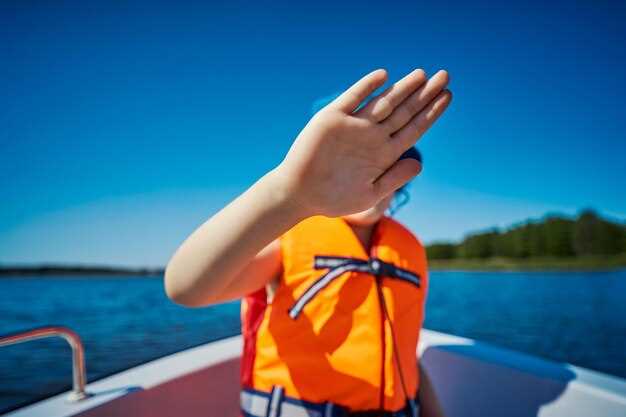
Una comunicazione chiara a bordo riduce il rischio e mantiene tutti allineati. Il sistema radio VHF è la spina dorsale della segnalazione in acqua; dovrebbe essere testato, tarato e utilizzato come mezzo principale per coordinare i movimenti, condividere piani e chiedere assistenza. Prima della partenza, rivedi il piano con l'equipaggio, designa un responsabile del parlato e tieni l'attrezzatura essenziale a portata di mano – in uno zaino piccolo o sulla scrivania dove puoi prenderla rapidamente. Indossare un giubbotto di salvataggio quando ci si muove nel pozzetto aiuta tutti a rimanere al sicuro mentre si scambiano informazioni.
Il protocollo verbale è importante: parla chiaramente, a un ritmo confortevole ed evita di urlare. Usa frasi standard come Please copy, Copy that, Over e Roger, e termina sempre le trasmissioni con Over o Out a seconda dei casi. Quando fornisci posizione, rotta, velocità e intenzioni, mantieni le trasmissioni brevi e precise; a volte, ripetere i dettagli critici aiuta a garantire una reciproca comprensione. Se hai bisogno di interrompere un altro oratore, di' Break e aspetta una pausa appropriata prima di continuare.
La segnalazione non verbale rafforza i messaggi radio. A bordo, utilizzare movimenti controllati della testa e segnali con le braccia che siano facili da leggere a distanza. Mantenere le braccia rilassate e i movimenti deliberati; evitare gesti affrettati che intasano il canale. Quando la visibilità è limitata, affidarsi alla radio per chiarezza, ma riconoscere sempre la ricezione con un cenno o un gesto della mano per segnalare comprensione, soprattutto quando altre imbarcazioni sono nelle vicinanze.
Dispositivi di segnalazione e responsabilità: utilizzare segnali visivi come forme diurne, bandiere e aiuti illuminati di notte. Controllare le date di scadenza sugli articoli di segnalazione e smaltire correttamente qualsiasi attrezzatura obsoleta. Per le connessioni a terra, prendere nota dei noleggi o dei segnali indicati dalle autorità portuali e assicurarsi che qualcuno sia pronto a ricevere nuove istruzioni. Inoltre, tenere cariche batterie di ricambio e mantenere in buono stato le attrezzature in modo da poter segnalare efficacemente senza ritardi.
Comunicazione con ospiti ed equipaggio: indossare abiti comodi e rimanere concentrati aiuta tutti a partecipare. Quando persone visitano o si uniscono alla barca, delineare l'etichetta di segnalazione all'inizio del viaggio e affiggere copie leggere e facili da leggere del protocollo. Coloro che sono a bordo dovrebbero sapere come rispondere se un segnale non è chiaro, e tutti i partecipanti dovrebbero seguire direttamente le istruzioni durante i momenti critici per evitare incomprensioni.
La consapevolezza situazionale durante la navigazione include essere consapevoli dell'ambiente circostante e delle altre imbarcazioni. I movimenti del capo e i segnali di guardia dovrebbero essere contenuti per evitare di distrarre l'operatore. Ricorda che una buona etichetta richiede di ascoltare prima, quindi rispondere in modo conciso. Se le condizioni cambiano, aggiorna il piano, tieni il gruppo informato e regola l'utilizzo del canale di conseguenza in modo da non monopolizzare mai il tempo di trasmissione.
Segnalazione di emergenza ed esercitazioni di sicurezza: in caso di difficoltà o incendio, utilizzare la chiamata di soccorso Mayday e fornire la propria posizione, il nome della barca e il numero di persone a bordo. Mantenere una scrivania o una postazione dedicata vicino alla radio con copie cartacee dei numeri di emergenza e le procedure del porto locale. Questo è particolarmente importante quando si visitano aree sconosciute. Avere sempre un piano di riserva e mettere in pratica il protocollo in modo che diventi automatico.