


 Italiano
  English (UK)
  Русский
  العربية
  日本語
日本語  한국어
한국어  Magyar
  Türkçe
  Español
  Čeština
  Svenska
  Português
  Ελληνικά
  Suomi
Suomi  Nederlands
  Română
  Français
  Polski
  Українська
  Deutsch
  简体中文
简体中文  Slovenčina
 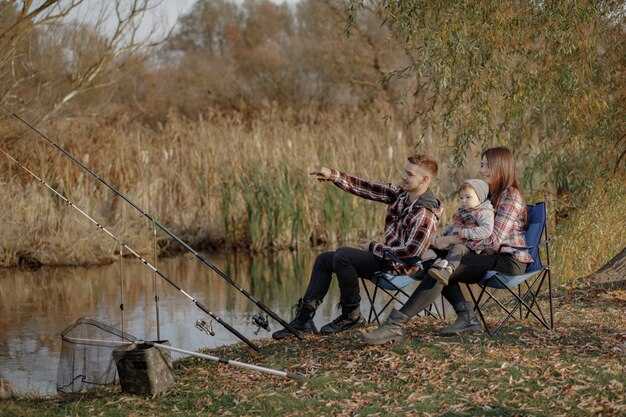 Best Lakes in the North Carolina Mountains – Hiking & Fishing Guide">

Start with Fontana Lake for a balanced day of hiking, fishing, and scenery. Fontana Lake sits behind Fontana Dam on the Little Tennessee River in Graham County and offers scenery along long shorelines, accessible trailheads, and easy access to shorelines for a ricreativo outing. The area provides trails that range from short overlooks to moderate treks, and the fishing options include bass and bluegill in season. This stop includes practical tips on boat ramps, parking, and tide-free coves that keep your pace steady.
Next, visit Lake Glenville in Cashiers for a high-elevation feel without a long hike. This manmade lake on the Tuckasegee River offers deep coves, two convenient public launches, and calm waters ideal for kayak e canoes trips. In the Cashiers area you’ll find history markers around town and easy access to trails that loop over ridges with gorgeous scenery. The lake draws many families who want a reliable daytime option that includes picnic areas and accessible shore fishing, perfect for a haven after hot sun on the water. For overnight stays, the Cashiers area offers a range of stays from rustic cabins to boutique inns.
Then push toward Lake Santeetlah in Graham County for incredible clarity and rugged scenery. Its remote setting and old-growth surroundings deliver a sense of history that pairs with quiet coves ideal for bass and trout fishing. You can launch a kayak o canoes from several access points and explore treasure coves that are rarely crowded. The experience feels like a haven for hikers who want to combine long lake views with short woodland loops.
Consider a day on Watauga Lake to stretch your legs near the border with Tennessee and explore the High Country’s big-water charm. Watauga Lake offers quiet bays, shore trails, and reliable fishing for bass and catfish, with plenty of ricreativo options and boat ramps. The lake sits near Boone and Sugar Mountain, so you can pair a hike on a ridge trail with an afternoon paddle in a haven that has been cherished by locals for generations. It also sits within easy reach of mountain towns in Stati nearby for a broader itinerary.
Capstone: weave in biltmore estate history and culture by making a short drive from biltmore estate to finish your lake circuit with a sunset stroll along the water and a prep-for-dusk fishing plan. The region’s scenery blends natural and cultural heritage, from historic dam developments to modern paddle sports that includes paddling rental shops. With these lakes you’ll find some of the finest ricreativo days in the North Carolina mountains that many travelers miss them if they do not plan the route ahead. If you stay flexible, you wont miss prime fishing windows.
Bear Lake Reserve and nearby mountain lakes: practical access, trails, and fishing
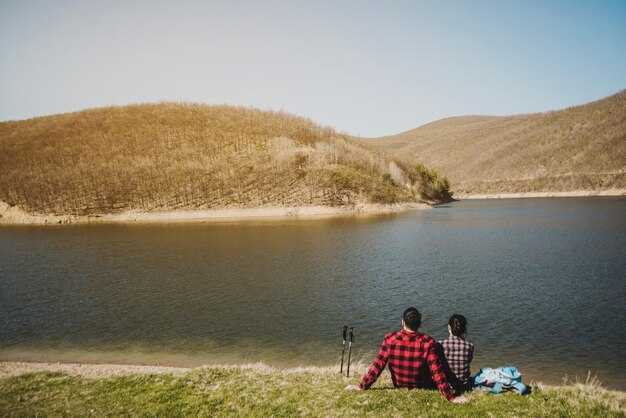
Get a guest pass through your Bear Lake Reserve host to access the lake for fishing and hiking along the shores.
Access starts at the Bear Lake Reserve gate; guests park at the resort lot and take a short shuttle to the water. From tuckasegee, forested roads ascend toward the north, and hosts can coordinate a day pass or guided outing to simplify entry.
Nearby public options spanning a range of alpine lakes include Lake Glenville, Lake Toxaway, and the Sapphire-area cluster. Each site offers shoreline trails, public launches, and an array of boats for rent, plus park facilities and ample parking.
Trails spanning ridges connect easy lakeside strolls with more dramatic viewpoints. Singletary Ridge offers a moderate climb with rewarding lake panoramas.
Largemouth bass populate the coves and bays; early mornings or late afternoons deliver the best fishing. Bring light tackle, small crankbaits, and soft plastics, and follow local regulations.
On public lakes, expect an array of boat rentals from local outfitters. If you bring a vehicle, plan for designated parking and follow rules for launching or carrying gear between shore and water.
Greensboro and other cities in the north drive to this region for weekend escapes; during peak season, visitors crowd the lakes, but midweek trips stay quieter.
What to bring: layered clothing, a lightweight rain shell, sunscreen, water, and a small first-aid kit. Some second hand movers–a compact wagon or cart–help haul tackle from the vehicle to the shore when you travel with family or a group of tourists.
Bear Lake Reserve sits near the border of protected forest lands, and sunrise views from the north-facing shores are common.
With a thrilling mix of hiking, fishing, and lakeside escapes, this area offers splendor in every view and plenty of options to fit a half-day or a full excursion.
<h2 itemprop="alternateName" Bear Lake Reserve: Access points, parking, and gate rulesPark in the Lakeside Lot near the Main Gate with a valid visitor pass to ensure quick entry. Bear Lake Reserve sits in rolling hills of the region near Tuckasegee and Cullowhee, with three access points designed for smooth arrivals: the Main Gate, the Lakeside Trailhead Lot, and the Marina Lot. If you’re driving from Mooresville or Cary, approach the Main Gate first to follow gate instructions and reach the designated lots without circling through neighborhoods. The lake’s ecosystem attracts families, tourists, and birdwatching enthusiasts, especially during morning rides and sunset strolls. Excitement and wonder await visitors who come prepared with a plan.
Gate hours and checks The gate operates from 6:00 am to 9:00 pm; all visitors must check in at the gatehouse, provide a photo ID, and display a temporary permit for the vehicle. Regulations require that only registered guests access restricted zones; after-hours entries require advance authorization. Keep your gate code confidential and avoid sharing it; if you’ll be delayed, contact the gatehouse to adjust entry time.
Parking and access points Primary parking is in the Lakeside Lot; overflow parking sits at the Marina Lot during peak weekends and events. A limited number of handicapped spaces are located near the gate; do not park in fire lanes or along private driveways. Clear signage guides parking and their limits, and overflow parking in the Community Center lots is allowed on busy days, with posted limits and adherence to HOA regulations. The three access points help keep traffic flowing for kids and their families; expect higher volumes during peak season and plan accordingly.
Wildlife, birds, and safety Bear Lake Reserve protects its ecosystem; stay on marked trails, keep kids within arm’s reach near water edges, and pack out trash. Birdwatching is popular along the shoreline; the population of waterfowl and songbirds peaks in spring and fall. Do not feed wildlife, as feeding alters natural behavior and can affect the tallest pines that frame the lake. Their safety and the preserve’s balance rely on visitor cooperation.
Next steps to plan your visit: check gate rules in advance, consider a midweek visit to reduce crowds, and arrive early to enjoy calm water and clear views of the lake. For a broader trip, Bear Lake Reserve serves as a base to explore nearby communities like Cullowhee and Tuckasegee; from there you can take kid-friendly hikes, try a boat ride, or go birdwatching along the rolling shoreline. From Cary and Mooresville, the last mile from gate to lakefront winds through forest, so plan a brief stretch break. Exciting moments await.
Hiking routes to the lake: distance, elevation, and trailheads
Start with Fontana Lake via the Shuckstack Trail: a 2.3-mile round trip with about 600 ft of elevation gain. The trailhead sits at Fontana Village, with a ramp from the parking area and clear signage guiding you onto the single-track climb. Expect majestic lake views, a few waterfalls along the approach, and spots to pause, breathe, and capture memories at overlooks along the way.
Lake Junaluska Lakeshore Trail offers a shorter, gentle option: 1.6 miles loop with roughly 80 ft of cumulative elevation gain. The Lakeside Park trailhead provides easy access and well-marked paths along piers and lawns. plus, this route is ideal for paddleboarding in calm coves, and the surrounding surroundings invite a sense of tranquility for families and casual hikers alike.
Price Lake Loop in Moses Cone Park delivers a shaded, scenic choice near Blowing Rock: about 1.6 miles with roughly 90 ft of gain. The price lake parking lot is a straightforward access point with restrooms and picnic spots nearby. Explore the lake’s glassy surface, spot wildlife along the banks, and, if you crave more, take a short connector ride to Beacon Heights for expansive views of the majestic mountains beyond.
Accessibility and planning notes: Fontana, Junaluska, and Price Lake cover a range of sizes–from broad reservoir shores to intimate lake edges–and each includes easy access points, clear signage, and well-maintained trails. For those who want a longer day, combine routes (there are rides or shuttle options in the area) or extend with a nearby waterfall detour. scott guides often highlight the best sunrise options and kid-friendly segments, while guiding events and tours help you tailor your visit to the surroundings there wherever you go.
Gear and safety: wear sturdy footwear, bring 1–2 liters of water per person, and check the forecast for changes in weather. If you mix hiking with water activities like paddleboarding, pack a dry bag and PFD. This planning approach helps you embrace the day, stay on-trail, and create memories that reflect the lake’s majestic charm and the area’s natural beauty.
Fishing basics: licenses, seasons, and gear for mountain lakes
Get your North Carolina freshwater fishing license and, if you plan to fish for trout, add the Trout Stamp before you head out. You can buy online at Go Outdoors NC, at the NC Wildlife Resources Commission, or through local outfitters and shops. Prices generally run from about $25–$60 for residents and around $60–$120 for nonresidents; the Trout Stamp is around $10–$12. Carry a digital copy or printout and have ID with you on the water. This license covers most mountain lakes year-round, with lake-specific rules noted in the regulations.
Seasons: Regulations differ by lake and species. Look up the current rules for each water you intend to fish. In many NC mountain lakes, anglers can fish year-round for certain species, while others follow seasonal patterns or spawn closures. Reading the Fisheries Regulations page helps you plan your days during your visit. If you are new to the area, ask outfitters about local rules; many offer on-site guidance and can connect you with a guide.
Gear basics: For most mountain lakes, start with a 6- to 7-foot medium-action spinning rod and 6–10 lb line. Add a fluorocarbon leader for clear water and carry a small selection of spoons, inline spinners, and soft plastics. For trout in quieter coves, keep a box of small nymphs and minnow patterns. Pack a compact tackle box, pliers, extra hooks, line cutters, and a small first-aid kit. If you move between lakes, an outfitter’s rental gear or an affiliate shop can simplify setup. Bring a light rain jacket, sun protection, and a small dry bag; the lush shorelines and clear water demand careful presentation.
Start with a plan: drive to a loop of large mountain lakes along the eastern foothills near the smokies. Fontana Lake, Santeetlah, and Lake James offer public ramps and scenic coves for a relaxed day. If you stay a couple of days, you can sample several spots and enjoy boat rides or a short cruise between coves. For guided help, hire a guide through a local outfitter; many affiliate partners provide gear, maps, and field tips. Invite a friend or two to join, and use the experience to enjoy this eastern ecosystem and the opportunities it offers for year-round fishing and outdoor exploration.
Species and bite windows by season
Plan dawn sessions for rainbow trout on Fontana Lake; the dawn-to-morning window delivers the best bites. Rent a kayak or paddle, coast along forest-edged coves, and enjoy picnicking on a shoreline between casts. If you’re staying in Cullowhee, hotels nearby can help line up a local guide, and Durham hosts can arrange a sunrise shuttle to put you on the water early. You’ll love the quiet start to the day, and the promise of productive bites makes it worthwhile.
Spring bite windows by species: Rainbow trout on Fontana Lake are most active from 30 to 90 minutes after sunrise, with a strong pulse in late morning as water warms. Use light gear (6-8 lb) and small spoons, soft plastics, or wet flies. In Lake Santeetlah, look for wind-free pockets near weed lines and drop-offs where forage concentrates in a clear, cold ecosystem.
Summer pattern: Warm water drives bass to deeper shelves around geological ledges and cliffs. Best bite is near dawn for the first two hours and again at dusk; look for coves with submerged rock features and weed lines. Paddle farther from shore to find calmer water, then coast back to shore for a quick picnicking break. A long day on the lake fits a love of quiet mornings; locals report this timing lines up with reliable bites.
Fall transition: Over the year, as nights cool, trout feed more aggressively in the shallows after sunrise, particularly on days with clear water. Target deeper edges near current and ledge lines; favorable windows are early morning and late afternoon before fronts move in. Use spoons, finesse jigs, and mid-sized crankbaits to cover drop-offs and geological structures along coves and bays.
Winter: In cold months, trout hold in deeper, clearer segments; bite windows compress to mid-day when sun warms the water. Tie on jigging spoons or small minnows; fish around 40-60 feet near structure such as cliffs and drop-offs. On long, calm days, plan a loop from Cullowhee to a lakeside hotel for a warm meal, then resume with a new area to explore–year-round fishing keeps the promise alive, making adjustments easy if fronts move in.
Nearby alpine lakes for short trips: Linville, Grandfather, and Santeetlah
Choose Lake Santeetlah first for a fast alpine escape: the water is beautifully clear, the shorelines welcome a gentle stroll, and boating fits a half-day plan. This sits just a short drive from the virginia line, attracting locals and visitors year after year for memorable sunsets and easy access.
- Area di Linville
- Situated high in the Linville range, these alpine lakes sit around 3,000–3,500 feet, with trails typically 1–2 miles round trip. Ample parking at trailheads makes this a solid first stop for a quick stroll and a picnic.
- What to do: enjoy a quiet shoreline walk, capture the beautiful ridgelines, and fish where permitted. This option offers nothing flashy, just clear water and peaceful scenery.
- Practical notes: plan before you go with a quick check of access rules; parking prices vary by lot. Bring dry storage for electronics and snacks, and consider a short guided route from a local guide to maximize your memories in a couple of hours.
- Grandfather area (Price Lake)
- Located near Grandfather Mountain, Price Lake is a famed, easy-access spot with a gentle loop around the water. The lake’s setting offers expansive views of the range and tall ridges, perfect for a first-chapter stroll.
- What to do: a light circuit around the lake, paddleboarding when water levels permit, and a relaxed shore picnic. Locals love this as a quick weekday escape and a safe spot for kids to explore.
- Practical notes: the loop is family-friendly; parking is convenient with posted prices. Restrooms and a small dock add convenience, and guides or maps help you plan before you head out for a short, memorable outing.
- Santeetlah area (Lake Santeetlah)
- Set in a forested basin, Lake Santeetlah sits along winding shoreline with easy access for a short trip. It’s a prime spot for a stroll that leads to ample water reflections and quiet coves.
- What to do: boating, kayaking, and light shoreline trails; you can explore multiple coves in a single visit and still have time to relax on a beachy stretch.
- Practical notes: launch sites vary by cove; check price for launches or rentals in advance. Bring a compact storage bag for gear, and use local planning resources to pick a first-come, first-served spot that suits your crew.