


 Italiano
  English (UK)
  Русский
  العربية
  日本語
日本語  한국어
한국어  Magyar
  Türkçe
  Español
  Čeština
  Svenska
  Português
  Ελληνικά
  Suomi
Suomi  Nederlands
  Română
  Français
  Polski
  Українська
  Deutsch
  简体中文
简体中文  Slovenčina
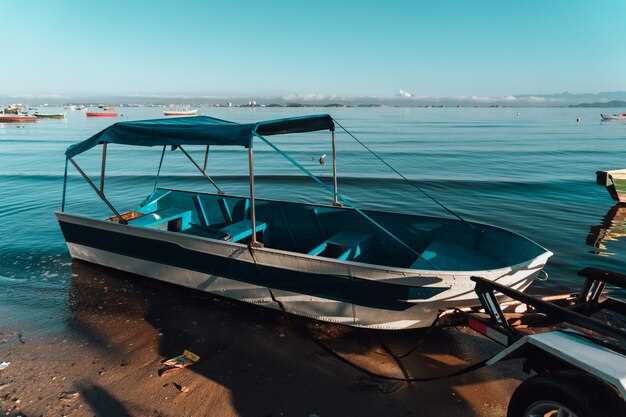
Opt for a harbor-side charter that operates with experienced hosts; they know the crest of shallow flats and backwaters, and they can set you up for a good day on water.
Recent reviews from people emphasize clean gear, clear safety briefings, and vessels that operate smoothly. If you arrive with clear expectations, you’ll find marinas right around the coast and access to offshore routes that suit your day.
Alongside offshore charters, marinas in Alabama’s gulf towns offer kayak and small watercraft for solo or family use; they allow guests to cruise and explore creeks and backwaters while staying close to shore, although some late afternoon trips are best when winds ease.
For wildlife watchers, look for hosts who can point out crab beds, tidal creeks, and the best spots around harbor channels. A late morning start around the crest of the tide often yields clearer water and more action in nearshore and backwaters.
To narrow options, focus on marinas with proven safety records and vessels that operate with ease; give yourself time to compare options, check recent weather briefs, and involve the people joining the trip in the decision.
If you want a practical plan, opt for a harbor-based option that can accommodate groups and move quickly between inland backwaters and offshore zones, with hosts who keep the schedule flexible and ready to adjust as winds shift around late afternoon.
Best Fishing Boat Rentals in Alabama: Top Picks & Deep Water Adventures on a Brand New World Cat 230 DC 300HP
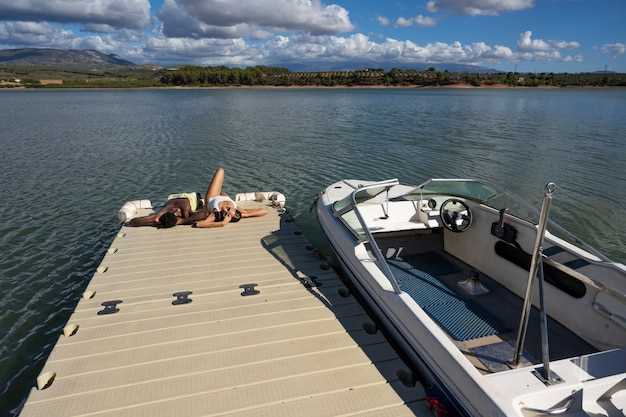
Book the World Cat 230 DC 300HP through Morgan’s Marine, a company near Orange Beach, for your next deep-water angling trips on a brand-new vessel.
Made to handle heavy chop, this cruiser-style vessel features seating for 9–12 anglers and a class-leading helm; the heavy hull and dual-console layout deliver stability and safety on offshore runs.
Launches depart from Gulf Shores, Orange Beach, and Dauphin Island, with deep-water runs toward offshore wrecks and islands. Typical trips run six to eight hours and can be private or shared; captains Martin and Robinson tailor the day to the tides and bite windows.
All safety gear, life jackets, and navigation systems are onboard. The license requirement rests with the captain, who holds a valid credential and safety-class certification, so you dont need a separate license to participate on guided offerings.
Options include trolling, bottom fishing, and inshore casting; watersports add-ons like snorkeling and wakeboard setups. Gear for handlines and reels is provided, and a few crews allow kayaks on board when space and policy permit. Pets are welcome on select itineraries with advanced notice.
Meet the crew on launch day at the marina; typical itineraries include anchorages near pristine spots where you can relax and share stories. The team can also arrange multi-vessel charters or combine a sailing vibe with a kid-friendly day for family crews.
Top Alabama Fishing Boat Rentals: Deep-Water Adventures with a Brand New World Cat 230 DC 300HP
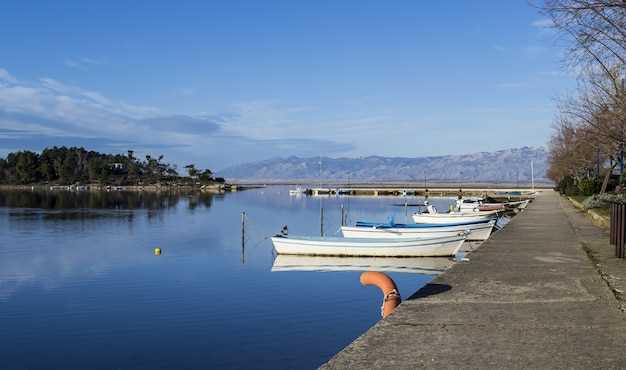
For offshore expeditions along the Alabama coastline, the World Cat 230 DC 300HP stands out: a twin-hull platform that stays afloat in chop and a 300-horsepower outboard that delivers confident acceleration for a full day on the water. The deck is roomy, the crest of the bow keeps spray down, and the shaded console area keeps gear and electronics accessible while guests ride comfortably on the aft seating.
Operation is straightforward here: dedicated captains typically handle the helm under a rental arrangement with a valid license. The package usually includes safety gear, a complete safety briefing, and fuel planning guidance, making it simple for first-time paddlers to join a day afloat without surprises.
Inshore and offshore options are available from multiple ports along the coast. For a true deep-water adventure, choose a guided tours package that starts near beaches and evolves toward favored destination zones; parking at the marina is typically ample, and dock access is straightforward for easy pickup and return.
The World Cat 230 DC 300HP blends class with ease of use: side-by-side seating, a dedicated electronics and crew station, and a complete rig that keeps you on course. If the chop heats up, this hull design minimizes spray and sustains a smoother ride, a feature many customers value on longer runs.
To maximize your rental experience, pick a destination that fits your crew size and skill level; some outfits provide all-inclusive day trips with continuous tours, while others offer rental + fuel and let you craft your own schedule. Here, safety, reliability, and responsive support matter, with options to adjust plans if weather shifts.
Bottom line: this class of craft serves united groups of boater enthusiasts seeking extreme days offshore or calm inshore excursions; the speed, stability, and onboard amenities support a broad range of coastal adventures, enabling you to stay out longer and explore more crests along the coastline.
World Cat 230 DC 300HP: Key specs for deep-water angling and coastal cruising
Choose the 300HP single outboard setup for a balance of pace and efficiency on deep-water angling and coastal hops.
Here are the core dimensions and ride geometry you’ll rely on: length overall about 23 feet, beam near 8 feet 6 inches, draft roughly 16 inches, and dry weight around 5,000–5,500 pounds. The twin-hull catamaran design keeps the deck spacious and the ride stable, so you stay afloat with confidence even when seas roll in from the blue water toward coastal shallows.
The centerline of operation centers on two consoles, each with its own captain’s chair and storage, delivering clear sightlines and weather protection. This self-operated setup is ideal for a small group or a solo boater who prefers direct control while bringing along gear for nearshore expeditions and longer day trips.
Motor and performance focus on a single 300 horsepower outboard, tuned for steady acceleration and efficient cruising. Expect a comfortable mid-20s to low-30s mph cruise and roughly 40–50 mph at peak, depending on load and prop choice. Fuel capacity sits around 120–135 gallons, supporting day trips near the destination ports and along the west Florida coast without frequent refuels. The vessel remains afloat with a predictable trim across seas, making long runs feel stable rather than rushed.
Layout and gear highlight practical angling and group comfort: two wide consoles, cockpit seating for a small crew, bow seating, and generous deck space for casting or handling lines. Two insulated fish boxes and a sizable livewell cover the core needs, while a transom door and washdown expand clean-up options after a run in areas where you would meet boats and friends. Rod holders, non-slip decking, and ample storage keep the center of action neat in any coastal scenario, from shore-side docks to offshore lanes.
Logistically, there is no on-board lodging, so lodging ashore and a nearby Florida destination with waterfront dining is the practical pairing. You’d enjoy easy access to restaurants and other amenities within a short ride, with docking options that suit a group or a self-contained weekend. For a boater family or club, this model offers a great balance of stability, speed, and versatility–perfect for exploring blue-water corridors and coastal bays while keeping the focus on the destination and the water where you prefer to spend your year.
Prime Alabama locations for deep-water boat rentals along the Gulf Coast
Gulf Shores head out from Gulf State Park marinas toward offshore waters; although seas can vary, late spring delivers steady conditions for a full offshore experience. Popular launch points include Perdido Pass and Orange Beach Marina, where watercraft designed for deep-water runs will head toward blue horizons. Without a doubt, the time on the water offers lighthouse views and the chance to spot crab boats skimming the surface; customers enjoyed the morning departures and longer excursions. For those who went with morgan-led crews, experiences were well organized, and the business side ran smoothly; united guides offered flexible schedules. If you doubt offshore options, operators recommend booking early, expect clean consoles and reliable engines, and rent options ranging from 4 to 8 hours up to full-day trips. Orange sunsets and dolphin sightings will cap these days nicely, leaving you with a perfect memory. Also, feel free to book with popular operators who cater to families and groups, ensuring a smooth, memorable head start to your waters adventure.
| Location | Access Point | Typical Depth (ft) | Marinas | Watercraft Types | Rent Options | Note |
|---|---|---|---|---|---|---|
| Gulf Shores | Gulf State Park Marina / Perdido Pass | 40–70 | Gulf State Park Marina; Perdido Pass area marinas | 28–40 ft center-consoles; 32–45 ft express cruisers | 4–8 hours; full-day | Open-water routes to offshore reefs; lighthouse views along the coast |
| Orange Beach | Orange Beach Marina | 40–75 | Orange Beach Marina | 28–40 ft center-consoles; 34–50 ft catamarans | Half-day; full-day | Popular for family trips; orange-hued sunsets; crab shacks nearby |
| Dauphin Island | Dauphin Island Marina | 25–60 | Dauphin Island Marina | 25–35 ft center-consoles; 28–42 ft sport boats | Half-day; 6–8 hours | Quieter waters; close to inlet passes and coastal lighthouses; morgan-guided options |
| Mobile Bay Area | Mobile Landing / Point Sable | 50–100 | Local charters; Mobile Bay operators | 40–60 ft center-consoles; 50–75 ft sport yachts | Full-day | Open-water routes with deeper profiles; strong united and well-run business presence |
Pricing options: hourly, half-day, and full-day charters explained
Half-day charters are the recommended starting point for most groups; they balance time on the water with overall cost and minimize fatigue. You’ll have focused time for key sights, several stops, and a stay onboard that stays comfortable for everyone.
- Hourly charters
Duration: 60–120 minutes. Price range: roughly $70–$180 per hour, depending on vessel type (including high-pontoons and decker layouts) and peak periods. Inclusions and adds: a licensed captain, fuel for the window, life jackets, and basic safety gear. Snacks can be arranged as an add-on; some boats offer soft drinks and water. This option is ideal when you want to focus on a few waterside stops or test several areas where boating skills and comfort matter most. If you doubt which class fits your crew, a quick call with the rental company will help narrow it down–they will explain options for a young group or families with kids.
- Half-day charters
Duration: about 4 hours. Price range: roughly $320–$900, with lower rates for basic pontoons or tritoons and higher rates for yachts, cruisers, or decker boats. Inclusions: captain, fuel, life jackets, safety gear, and often snacks or beverages on board. You can plan 2–3 stops at scenic area spots and enjoy a quick swim or photo ops without feeling rushed. This class suits most groups who want a solid sailing experience and a few on-water breaks; although some operators include a light lunch, many allow guests to bring their own snacks.
- Full-day charters
Duration: 6–9 hours. Price range: roughly $700–$2,500+ depending on boat size and class (yachts, decker layouts, high pontoons, or cruisers). Inclusions: captain, full-day fuel, on-board snacks and beverages, and planned stops at multiple waterside spots; some charters offer a light lunch or grill access on deck. This option is perfect for cruising enthusiasts and groups that want lots of time on the water with flexible itineraries and onboard entertainment. It’s a solid choice if you need guaranteed seating and want to stay aboard for most of the day; you’ll still have opportunities to stretch your legs at a marina or overlook points.
Tips to maximize value: compare services across the area, check what’s included in the rental (fuel reimbursement, captain, gear, snacks), and confirm stop flexibility. If you’re planning a multi-year trip or an event, ask about the company’s guarantee on times and weather contingencies; lots of operators offer weather-ready plans and standby options to avoid doubt later. For groups with varied interests, a mixed day–start with a short hourly window, cap it with a half-day, then upgrade to full-day if everyone loves the vibe. This approach helps you stay within budget while still enjoying sailing, cruising, and on-board social time with snacks and drinks.
What’s included on a brand-new World Cat rental and what you should bring
Choose a brand-new World Cat cruiser with a full safety kit, their pass for check-in, and a well‑defined fuel plan so you stay afloat from launch around the point through the day.
Included gear spans adult and kids life jackets, a throwable device, a first-aid kit, anchor and line, fenders, a spare prop, a VHF radio, and navigation displays; the center‑console layout keeps controls within easy reach at the coach seating, and says guides this setup supports comfortable operation while you cruise.
Fuel policy: the craft ships with a full tank at check-in; expect to return with the same level or be charged; offshore options are common, but you can stay inshore or roam around bird roosts. The team says this plan helps everyone stay on track.
What to bring: sun protection, hat, sunglasses, light layers, non-slip shoes, water, snacks, a cooler, and angling gear if you plan to try a catch; a dry bag protects valuables; kids typically love orange life jackets; the policy may allow pets–verify rules before you book and plan accordingly.
Preparation tips: decide whether you prefer inshore or offshore routes; launches happen at a point near the center; bring a passa for access; the guides typically show you how to handle the craft and what to expect on your first run.
Booking and policy notes: verify what’s included, what you should bring, and whether tritoons are available; most operators rent gear if you don’t bring yours; for families or business trips, a well‑organized plan helps you proceed di nuovo and again. If you need something additional, ask the crew.
Safety, licensing, and captain services for Alabama fishing trips
Recommendation: Hire a USCG-licensed captain from a family-owned operation; ensure vessel safety gear, COI, and current licensing are verified before booking.
Without brian insights, someone new to the coast can still feel confident: captains from a family-owned fleet guide most trips from several destination spots. While days for sailing vary, most itineraries include a morning bite and afternoon casting, with a guaranteed safety briefing. Meet the captain at the dock, then onto the boat, under the shade of the canopy, with outboard power humming along the side. Lodging options are arranged near the marina year-round, and November departures often yield calmer seas. Some charters also offer onshore lodging options. For boater families, the perfect balance is offered by high-quality, extreme-weather aware crews; most young anglers benefit from patient instruction and clear signals, side-by-side with seasoned captains who watch over the water and routes. The trip went smoothly, and you can make the most of your day with a well-coordinated crew.
Licensing and safety essentials:
- Captain credentials: USCG license (OUPV or 100-ton) current; verify captain’s credentials before departure.
- Vessel safety: COI, current safety inspections, life jackets for all, throwable device, flares, fire extinguisher, first aid kit, VHF radio, GPS, and working nav lights.
- Safety briefing: captain provides dockside briefing, weather plan, and safety signals before first run.
- Insurance and maintenance: operator carries liability coverage; request vessel maintenance records and check lines and fittings for wear.
- Regulatory basics: ensure compliance with Alabama coast rules, licensing, and species limits; captain should keep you informed of any closures or restrictions across states.
Captain services and trip planning:
- Local knowledge: choose captains with deep knowledge of destination spots and seasonal patterns; they tailor routes to tides and winds while you enjoy the trip.
- Scheduling flexibility: plan a couple of backup days; extreme weather can require rescheduling, but most outfits offer options.
- Boat type and propulsion: outboard-powered craft allow quick access to shallow bays; discuss hull and handling with operator before booking.
- Logistics and lodging: some outfits arrange lodging near the marina; this simplifies multi-day trips and reduces drive time.
- Trip structure: most charters run morning or afternoon sessions; a two- to four-day plan covers more spots without fatigue for family groups.
- Onboard conduct: captains supervise gear, lines, and safety; they also coach younger anglers and keep the side conversations respectful.
Booking tips and quality assurance:
- Ask for safety checklists and a written plan; request a quick pre-trip video or PDF to review before day one.
- Check references from families with similar needs; confirm weather contingency and cancellation policies.
- Seasonal timing: November trips can yield calmer seas, better action, and lower crowds; adjust lodging and drive times accordingly.
- Backup options: choose operators with multiple destination spots so a fallback exists if gusting winds force a change in plan.
- Payment and cancellation: confirm deposit terms, refunds, and what happens if the boat must anchor offshore due to weather.