


 Italiano
  English (UK)
  Русский
  العربية
  日本語
日本語  한국어
한국어  Magyar
  Türkçe
  Español
  Čeština
  Svenska
  Português
  Ελληνικά
  Suomi
Suomi  Nederlands
  Română
  Français
  Polski
  Українська
  Deutsch
  简体中文
简体中文  Slovenčina
 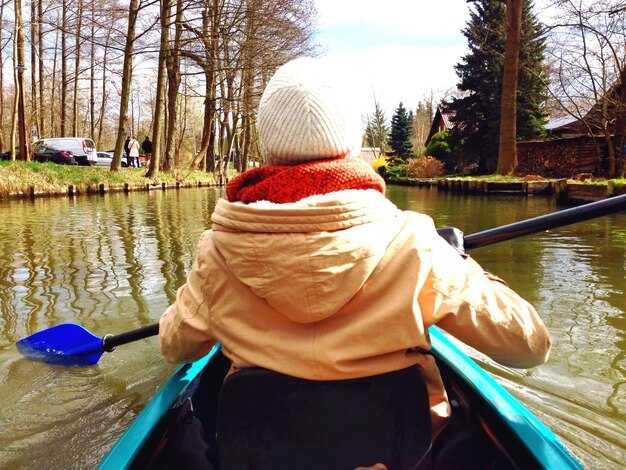 Best Canada Kayak Rentals – Top Destinations, Gear &">

Book ahead for summer trips to avoid sold-out slots and ensure your preferred starts and gear. A clear plan makes your paddle smoother, with a quick check of tides, ferry schedules, and weather windows. In western Canada, secure rentals two weeks in advance for Desolation Sound, Vancouver Island’s west coast, and the Gulf Islands, where afternoon paddling is common and demand stays high.
Whether you chase coastal sea kayaking or sheltered river runs, the rich destinations along the coast are ideal for many skill levels. West coast towns like Tofino and Campbell River host reliable rental fleets with service that tends to be friendly and bilingual, and ensured gear quality. Expect well-maintained boats, PFDs that fit, spare paddles, and options for donne-specific outfitting so everyone can paddle confidently. Even with fuzzy forecasts, guides help you pick a safe window and tailor routes to your skill level.
The basics of gear: choose a sea kayak with a stable hull for open water or a touring model for longer expeditions, plus a spray skirt for spray control. Your rental should include a paddle you can handle, a PFD that fits securely, and dry bags. Pre-booked gear lets operators tailor setups to you, whether you travel solo or with a group, and gives you the privilege of quick launches and proper sizing.
Afternoon light often makes photos pop and keeps trips relaxed; plan a two- to four-hour outing that matches your energy. Later, you can extend into a calm inlet or wave-washed shoreline depending on conditions. Always verify tides at Fundy or Gulf Island routes and heed safety briefings before your first paddle to ensure a safe and truly enjoyable experience, especially if you’re new to coastal paddling or joining a guided session.
Best Canada Kayak Rentals: Top Destinations, Gear & Alberta
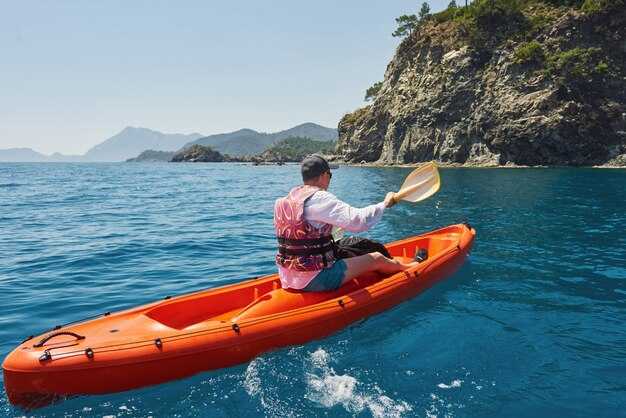
Definitely start with a Bow River day-trip from Canmore or Banff outfitter for a dependable Alberta paddle; calm mornings, emerald cliffs, and eagles above the water make the experience incredible.
For gear, choose a touring kayak with a comfortable cockpit and a properly sized PFD. Layer up with merino base layers and a warm midlayer, then add a windbreaker. Pack a compact dinner and a headlamp for sunset paddles, and keep lights handy for low-light moments on the water. Follow these guidelines to stay safe, hydrated, and comfortable during your outing.
Across Alberta, Lake Minnewanka, Bow Lake, and Waterton Lakes offer varied scenery and straightforward routes for beginners, while the Lake Louise area adds alpine reflections. In the Bow Valley, calmer sections suit kayakers new to open water, whereas Waterton balances long horizons with wildlife opportunities; preparing a brief plan helps you adjust if winds shift or a portage is needed.
West of the prairies, coastlines invite true sea-kayaking. On the West Coast, haida-inspired routes around Haida Gwaii or Vancouver Island deliver incredible coastlines and beach access; in British Columbia you can explore the Columbia River basin’s reservoirs for calmer afternoon trips. In Ontario, Georgian Bay offers island-hopping routes; in Quebec, Saguenay–Saint-Lawrence conditions create sheltered stretches for beginners and families.
When selecting rentals, ask about leadership and safety guidelines, included gear, and whether you can add a canoe to your booking for a combined adventure. Some outfits, such as hanson west, offer kayak and canoe bundles; brendas shop supports single-day rentals with lightweight dry bags and neoprene gloves for cooler mornings. If you want something extra, request a shore dinner add-on and a short safety briefing to set expectations.
Seasons influence water levels and wind, so plan paddles for calm mornings in summer and quieter periods in shoulder seasons. In Alberta, a concise preparing routine–check weather, tides, and river conditions; review route maps; and tell someone your plan–keeps trips smooth. By choosing the right gear and routes, you’ll enjoy an incredible mix of beach, cliffs, and forests on a single trip, with options that fit kayakers, canoe enthusiasts, and everything in between. If you’re into multi-watercraft days, seek outfits that can combine kayak and canoe rentals for a seamless experience.
Top Canadian Kayak Rental Destinations
Rent a kayak in Waskesiu National Park to begin your paddling season with calm lakes and dependable gear from friendly outfitters on the front lines of Prince Albert National Park. Rental systems in town keep check-outs quick; expect CAD 40–70 per day for a basic one-person kayak with a PFD, and better rates on multi-day arrangements. Paddleboards are commonly available as well, so you can mix days on different craft. Helpful staff will walk you through pre-trip checks and safety basics.
For folks who crave coastal scenery, Tofino on Vancouver Island delivers dramatic scenery and reliable rental shops that also offer guided tours. Basic kayak rental runs CAD 60–120 per day; paddleboards sit in a similar range, and guided half-day trips CAD 120–180. Wetsuit rental and safety briefings are common in shoulder seasons. Will you need a car? Plan ahead with knowledgeable staff to discuss tides, weather windows, and pre-trip logistics. Back on shore, tents are available at partner campgrounds to extend your stay.
Georgian Bay and Muskoka anchor Ontario’s paddling scene with hundreds of islands and sheltered bays. Rentals in Honey Harbour and Parry Sound offer single or tandem kayaks around CAD 35–70 per day, with paddles and PFD included. Portages are common on longer routes, and arrangements with local outfitters help you shuttle between lakes with tents at a lakeside site. For a lifetime of memories, consider a guided itinerary or a flexible self-guided plan that showcases the north shore beauty; the header highlights practical starting points.
Gaspe Peninsula delivers rugged sea kayaking; rental shops in Perce and Sainte-Anne-des-Monts offer coastal kayaks and paddleboards, with prices CAD 50–110 per day for kayaks and 60–130 for paddleboards; guided tours CAD 110–190. What sets these trips apart is tidal kayaking that rewards planning and local knowledge. A pre-trip briefing with knowledgeable staff helps map routes, weather windows, and camping plans along the coast; some operators provide tents, stoves, and packing tips to keep your gear wrapped for travel. For families, the region remains a top pick for beauty and coastline experiences.
Banff & Lake Louise, Alberta: Rental options, launch points, and classic paddling routes
Recommendation: start with a double kayak or a stable stand-up paddleboard and begin on Vermilion Lakes to warm up, then move to Lake Minnewanka if the forecast allows. Click ahead to reserve online, and be ready for registration requirements if you plan backcountry paddling. The waterways feel expansive, the water often clean in the early hours, and the calling of the mountains nearby makes this a favourite start for many paddlers who love to explore islands and coves.
- Rental options – Gear selections include kayaks (recreational and touring), canoes, stand-up paddleboards (SUPs), and packrafts. Many Banff–Lake Louise outfits offer double kayaks for beginners, PFDs, dry bags, and waterproof cases. Expect CAD 40–60 per day for a basic kayak, CAD 60–90 for touring or tandem setups, SUPs CAD 50–75, canoes CAD 60–90, and packrafts CAD 40–70. Look for multi-day discounts if you’re planning regular paddling on consecutive days.
- Where to rent – Operators operate in Banff town and near Lake Louise, with online booking options and pickup at nearby launch points. Reserve in advance during peak season (July–Sept) to ensure the right rig is filled and ready for your route needs.
- What’s included – PFDs, paddles, and dry bags are typically provided; bring a hydrating bottle, sunscreen, and a lightweight rain shell. If you’ll be using a packraft, confirm the included pump and repair kit; some shops offer optional gear like throw ropes and binoculars for wildlife viewing.
- Notes on registration – For certain backcountry or longer lake routes, you may need permits or operator-guided access. Check with the rental shop about registration requirements for specific routes and ensure your plan aligns with park rules.
- Launch points – Begin with Vermilion Lakes for a gentle warm-up, then consider bigger lakes if conditions permit.
- Vermilion Lakes (Banff) – Easy access from the parking area near Cascade Ponds road; 3–5 km loop options, usually calm in the morning, with Mt. Rundle and Cascade Mountain lining the waterline. Ideal for a family-friendly start and a ride that often yields island and shoreline reflections.
- Lake Minnewanka Boat Dock – Primary jumping-off point for larger-water paddling. Plan 2–4 hours for a loop that might include Big Island and the canyon-edge scenery; watch for motorboats and variable wind, especially in the afternoon. Bring snacks and a light jacket in case of shade or breeze off the rock faces.
- Cascade Ponds – Short, accessible option just outside Banff town; 1–2 km loop along a calm, tree-lined shoreline. A great stand-up paddle session or quick family paddle before a day in the town.
- Two Jack Lake – A scenic 4–6 km circuit with rock faces and pine-scented air; morning paddles usually offer the smoothest water and best light for photos.
- Lake Louise area – Lake Louise Marina offers access for kayaks and canoes; plan 2–3 hours for a shoreline paddle with glacier views. Expect wind from the mountains in the afternoon; mornings are typically calmer and more reflective.
- Vermilion Lakes Circuit – 4–6 km; 1–2 hours. Highlights include Mount Rundle reflections, historic cabins along the shore, and frequent birdlife. Suitable for beginners and photographers; this route provides a clean, easy entry into Alberta’s high-country paddling.
- Lake Minnewanka Loop – 12–14 km round-trip; 2.5–4 hours. Features Big Island, Aylmer Lookout, and expansive water with distant rock faces. Expect mixed traffic from motorized boats; keep to the designated lanes and carry a light lunch for a scenic stop.
- Two Jack Lake Circumference – 5–7 km; 2 hours. Enjoy rock ledges, forested banks, and occasional islets. Morning paddles are often the most tranquil and best for photos.
- Cascade Ponds to Mount Norquay foothills – 3–5 km; 1–2 hours. Clear water, alpine pines, and wildlife glimpses make this a quick, satisfying route before or after more ambitious paddling.
- Lake Louise Shoreline Paddle – 7–9 km; 2–3 hours. Glacier views, turquoise water, and a historic lakeside shoreline backdrop. Wind can pick up in the afternoon; plan for a more leisurely pace and frequent shoreline checks for wildlife activity.
Nota sul Packrafting: per le giornate in acque calme, i packraft offrono un'opzione leggera e flessibile per coprire più acqua con il minimo dell'attrezzatura. Gli operatori possono fornire kit per principianti o sessioni guidate; utilizzare un punto di partenza da riva quando si sta ancora imparando a gestire le acque in movimento. Per i percorsi preferiti, i packraft si abbinano bene a uno zaino leggero e a una micro sacca stagna per l'essenziale.
Costa della Columbia Britannica: Noleggio kayak, percorsi in base alle maree e consigli di sicurezza
Prenota un'escursione in base alle maree con un operatore locale che fornisca un briefing sulla sicurezza e un controllo dell'attrezzatura prima della partenza. Questo ti permette di avere il controllo ed essere pronto a gestire le correnti lungo la costa dell'Isola di Vancouver.
Opzioni operatore ed equipaggiamento
- Scegli un servizio di noleggio che fornisca kayak e paddleboard (singoli e tandem) con PFD, fischietto e sacca stagna; verifica la disponibilità per ospiti e familiari, inclusi i bambini, e per una piccola combriccola di amici.
- Chiedi informazioni sui percorsi da sponda a sponda e sulle guide su chiamata o sui controlli di sicurezza se le condizioni cambiano.
- Ispezionare l'attrezzatura prima del lancio; testare pagaie, leash e sacche stagne; assicurarsi che tutto sia adatto e sicuro.
- Confermare i punti di partenza e di sbarco presso una spiaggia vicino a un campeggio o una base dove potersi riposare dopo la pagaiata.
- Comprendere i requisiti di noleggio: età, limiti di peso e norme di supervisione; non sopravvalutare il proprio livello di comfort.
- Per i gruppi, verificare se il piano supporta viaggi tripli con più kayak e giubbotti di salvataggio extra.
Percorsi con informazioni sulle maree
- Zona di Victoria: partenza da una spiaggia riparata, cavalca la corrente lungo la costa tranquilla e rientra prima del tramonto; stai alla larga dalle zone di traffico intenso di imbarcazioni e dalle punte rocciose.
- Dalla costa di Sooke a una caletta riparata vicino a un campeggio: iniziare da una spiaggia di sabbia, mantenersi nelle sezioni poco profonde e fare attenzione alle correnti vicino ai promontori; uscire prima che inizi la forte marea uscente.
- Tofino/Ucluelet: allenati in un'insenatura riparata, quindi spingiti verso la costa aperta solo quando i venti sono deboli e le onde piccole; ritirati a riva se le condizioni cambiano.
- Zona del promontorio di Lawrence: utilizzare una spiaggia sabbiosa per il lancio, rimanere vicino alla riva e consultare le tabelle delle maree locali o i dati Cates quando si pianifica il percorso.
Safety tips
- Indossa sempre un giubbotto di salvataggio della taglia giusta; porta con te un fischietto e un dispositivo di comunicazione impermeabile; informa qualcuno a terra sui tuoi piani.
- Controllo rapido dell'attrezzatura: fissa le pagaie, aggancia i leash, sigilla le sacche stagne e verifica che l'attrezzatura personale sia adatta.
- Controllare meteo e stato del mare prima della partenza; evitare tratti esposti in caso di vento forte o mareggiate alte; avere un piano preciso per il rientro a riva.
- Risciacqua eRiponi l'attrezzatura dopo l'uso per limitare le specie invasive e proteggere la salute dell'oceano; rispetta le regole locali presso le spiagge e i punti di accesso al campeggio.
- Riduci al minimo rumore e rifiuti in prossimità della fauna selvatica; segui le linee guida di tutela del patrimonio delle aree costiere e resta sui sentieri tracciati.
- Concludi il viaggio con un breve debriefing; utilizza i video sulla sicurezza degli operatori per ribadire le migliori pratiche per la prossima volta.
- Monitorare le condizioni oceaniche; le acque intorno all'isola possono cambiare rapidamente, quindi prepararsi a tornare indietro se necessario.
Fiume San Lorenzo e Quebec City: Dove noleggiare e itinerari in kayak adatti ai principianti
Prenota una sessione guidata in kayak con un operatore autorizzato a Quebec City per una pagaiata sicura e stimolante lungo il fiume San Lorenzo. Richiedi un percorso di 90 minuti o 2 ore che rimanga vicino alla riva, presenti una corrente minima e includa coaching in acqua; la registrazione è rapida e la guida condividerà informazioni sulle condizioni attuali.
Noleggi disponibili nel Porto Vecchio di Quebec City, con kayak singoli e doppi, PFD e borse impermeabili. Su richiesta, il personale può organizzare una breve lezione o un tour guidato completo. Sull'altra sponda del fiume, strutture con sede a Lévis offrono punti di partenza facili e percorsi da sponda a sponda, spesso con un tratto calmo e protetto ideale per i principianti. Per le famiglie, si consigliano gite che includono soste sull'isola e pause all'ombra; le isole lungo il corso d'acqua sono perfette per pagaiate coinvolgenti e sicure che permettono ai bambini di rimanere vicini e comodi.
Linee guida pratiche aiutano tutti a rimanere al sicuro e a godersi l'acqua. Vestiti a strati ad asciugatura rapida e porta con te uno strato antivento per le mattine artiche; temperature sotto zero possono persistere vicino ai moli. Indossa scarpe da acqua antiscivolo e un PFD ben aderente; i bambini devono essere sempre sorvegliati e utilizzare un giubbotto di salvataggio della misura giusta. Porta con te snack leggeri o generi alimentari per una breve pausa e porta con te una piccola borsa asciutta per telefoni e chiavi. Informati su una breve lezione o un'opzione guidata se desideri un coaching sulle pagaiate, la direzione e i segnali di sicurezza; molti operatori offrono noleggio più lezioni o gite guidate adatte ai principianti.
Per pianificare in modo efficiente, controlla le informazioni meteo e maree presso l'ufficio informazioni dell'operatore e conferma la registrazione in anticipo. Se sei alle prime armi, una partenza guidata ti aiuta ad apprendere rapidamente le basi e a goderti un ritmo confortevole mentre acquisisci sicurezza sui corsi d'acqua. Un percorso ben strutturato intorno a un gruppo di isole vicine offre uno scenario ricco e un'ampia possibilità di esercitarsi a virare e manovrare in corrente leggera, rendendo l'esperienza piacevole per chi si avvicina per la prima volta al canottaggio.
| Itinerary | Location | Distance | Tempo | Best For | Cosa è incluso |
|---|---|---|---|---|---|
| Ansa protetta Porto Vecchio | Area del Porto Vecchio di Quebec City | 4–5 km | 1.5–2 hours | Famiglie principianti | kayak, giubbotti di salvataggio (PFD), breve briefing sulla sicurezza |
| Circuito delle isole | Via navigabile al largo intorno alle isole vicine | 6–8 km | 2–3 hours | Studenti e principianti con una guida | Kayak, PFD, supporto guidato opzionale |
| Riva dell'Île d'Orléans (breve traversata) | Attraverso il fiume verso la riva vicina | 5–7 km | 2–3 hours | Gruppi familiari alla ricerca di varietà | kayak, giubbotti di salvataggio (PFD), coaching di base in acqua |
Muskoka & Thousand Islands dell'Ontario: negozi locali, percorsi accessibili e selezione di attrezzatura
Inizia noleggiando un kayak da turismo da 4,2-4,8 metri da un fornitore locale di Muskoka per percorsi lacustri tranquilli. Prenota online, scegli un modello con un sedile comodo e uno skeg per un tracciamento stabile. Prepara una sacca stagna, un PFD di ricambio e un set di tende per il campeggio in riva al lago se prevedi di pernottare fuori. In un minuto sull'acqua capirai perché gli esploratori ritornano: coste spettacolari, acqua limpida e fauna selvatica visibile dai margini delle paludi e dalle spiagge, creando ricche esperienze per la tua famiglia.
I negozi locali a Muskoka sono per lo più a conduzione familiare e facili da raggiungere dalle strade principali: Gravenhurst, Bracebridge e Huntsville ospitano negozi di attrezzatura che noleggiano kayak e vendono giubbotti di salvataggio, borse stagne e accessori per la pagaiata. Nella zona delle Mille Isole, Gananoque e Ivy Lea offrono noleggi a breve termine e opzioni guidate per chi è alle prime armi. Se desideri un rapido controllo di sicurezza, il personale di hanson and lawrence può adattare una cinghia, controllare la lunghezza della pagaia e illustrarti una routine di sicurezza di 5 minuti.
Percorsi accessibili: Per Muskoka, partite dalle spiagge pubbliche di Gravenhurst o Bracebridge e proseguite lungo le baie riparate intorno al lago Muskoka; la costa nord-ovest offre acque tranquille e viste sulla palude, ideali per le famiglie. Nelle Thousand Islands, partite da Gananoque o Ivy Lea e pagaiare attraverso canali riparati tra isole spettacolari; pianificate anelli di 2-4 ore con una sosta programmata ai margini di una palude per osservare la fauna selvatica.
Equipaggiamento per il massimo comfort: kayak da turismo da 4,2-4,8 m con deriva affidabile; pagaia leggera in carbonio o alluminio; PFD della misura giusta; paraspruzzi per le giornate più fresche; sacche stagne; tenda compatta o telo da terra; cinghia per fissare l'attrezzatura; mappa o dispositivo impermeabile; robuste scarpe da acqua; crema solare; cappello; borraccia. Per il campeggio, porta con te un fornello compatto e un materassino e mantieni una routine che ti protegga. Controlla la pagina degli aggiornamenti meteo sul sito del negozio per pianificare la giornata ed evitare la sovraesposizione.
Lista di controllo dell'attrezzatura e della sicurezza per il noleggio di kayak in Canada
Choose an operator that provides a safety briefing and fits you with a Coast Guard-approved PFD before you launch. Set aside funds for a pre-trip gear check, and demand a hands-on inspection of paddles, leashes, pumps, and spray skirts.
Inspect your PFD and helmet with an experienced staff member, and confirm the fit with a quick buoyancy test in shallow water before leaving shore.
Pack a dry bag with extra clothes, a rain shell, and a compact emergency blanket to stay warm if you capsize or rain rolls in.
Bring a double paddle for flexibility on mixed conditions, and carry a spare paddle or a repair kit in case the primary paddle gets damaged on whitewater routes.
For backcountry trips, include tents and a compact stove, plus water treatment tabs or a filter; plan for at least two nights if you intend haanas or northwest coast routes that demand longer paddling days.
Keep wildlife in mind: bear spray where allowed, store food in bears-safe containers, and stay alert on shorelines where bears may be present.
Prepare for weather: pack a warm midlayer, waterproof gloves, and a dry bag inside your vest; always have rain gear accessible for rapid changes in rain or spray from waves.
Slash clutter at the boat by cleaning gear before and after each use; rinse hulls, dry paddles, and wash clothing to reduce invasive species transfer between lakes and rivers.
When planning routes, review local conditions, currents, and the option to turn around if visibility or wind worsens; map out inland detours and safer exits along saguenayst and nearby channels.
Watch otentik videos and consult experienced guides to familiarize yourself with common hazards and efficient exits; memorize key landmarks and safe landing points to stay prepared.
Seamlessly adjust seating and back supports to maintain comfort during long paddles; test foot braces and thigh grips to reduce fatigue on all-day outings.
Most safety gains come from clear communication: share your plan with a partner, check-in points with your operator, and thank your crew for a well-coordinated day on the water.