


 Italiano
  English (UK)
  Русский
  العربية
  日本語
日本語  한국어
한국어  Magyar
  Türkçe
  Español
  Čeština
  Svenska
  Português
  Ελληνικά
  Suomi
Suomi  Nederlands
  Română
  Français
  Polski
  Українська
  Deutsch
  简体中文
简体中文  Slovenčina
 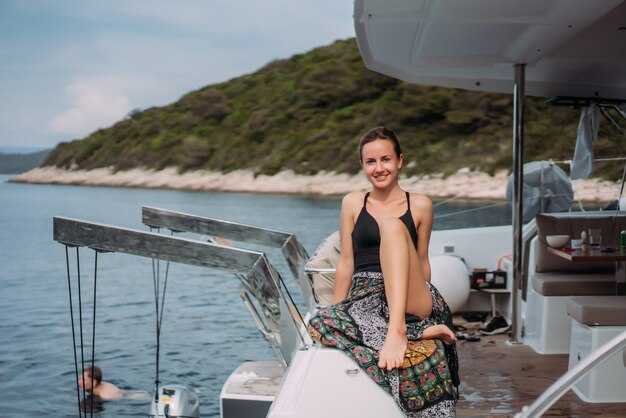 Bahamas Abacos Yacht Charter & Sailing Vacations – Your Ultimate Guide">

Start with a 7‑day loop: hopetown, mangroves, and fresh catches–this concrete plan sets expectations and time for each stop. Pick a vessel that fits the group (4–6 guests) and a capable captain comfortable with remote harbors. For american travelers, having a seasoned skipper saves money and avoids weather misreads, while keeping the pace steady and enjoyable.
Itineraries here vary, offering a variety of short hops and longer passages. Each route narrows into sheltered lagoons, pristine mangroves, and early morning lines. You’ll visit hopetown’s harbor, Albury, Green Turtle Cay, and Man‑O‑War Cay, then back to the main channel. Those days deliver sun, salt air, and a gallery of sky pictures at sunset.
Timing and costs: The best window is late fall through spring, when trades are favorable and water stays warm enough for snorkeling. Budget guidance: choose a crewed float for predictable money outlay; a bareboat option invites risk and fuel surprises. Two to three mornings dedicated to fishing produce fresh catches; those meals aboard boost morale and make meals back on deck memorable.
Harbor notes: hopetown offers a sheltered anchorage with a sandy bottom and shallow reefs nearby. Albury provides calm moorage and a quick land excursion for coffee and a chat with locals. Mangroves along the interior give sanctuary for birds; if you went ashore, you could map those waterways by kayak and see green water reflections in the shadows of mangrove roots.
Equipment tips: bring a compact camera to capture sunrise in front of the gallery‑like skies, and a light, dry bag for protecting electronics during a mangrove drift. Fresh groceries come from small markets on Albury and in Hopetown; money, a spare SIM card, and a reliable weather app keep everyone prepared. Here, you’ll learn to read the wind and adjust course to avoid afternoon squalls.
Itineraries tailored for every interest exist: family days with shallow snorkeling, american crews chasing bonefish, fotografi chasing color from the aft deck, and those seeking solitude. Weve found that having a balance of two anchor days and one full‑day island hike keeps energy high. Kick off with a sunset sail, then land for a picnic on the beach, and finish with a quiet night under the stars.
Final note: this route emphasizes hands‑on experiences–fishing, mangrove tours, and local art galleries–while keeping the pace accessible and safe. Plan with a local operator who can adjust itineraries on the fly and add fresh stops if conditions allow; you’ll return with stories and a renewed sense of escape, back home with a new appreciation for blue horizons and rugged coastline, ready for the next voyage.
Gourmet on the Water: Practical Cuisine Guide for Abacos Charters
Plan a three-day provisioning cycle: select two mains from the reefs (yellowtail snapper or grouper) and a shellfish dish (conch or lobster), plus a vibrant vegetarian option, and arrange a mid-trip restock with a trusted vendor in the following ports.
Shop abacos village markets for citrus, tropical fruits, breadfruit, and leafy greens; stock dairy and bread from reliable suppliers, and align purchases with the year-round climate and seasonal harvests here.
Maintain the cold chain in the galley: insulated coolers, clearly labeled quarters, and close attention to the condition of fish–clear eyes, firm flesh–before cooking to 63°C (145°F).
Craft sauces with lime, coconut, and herbs; fold in african-inspired spice blends and american-style rubs to diversify flavors.
Grill fresh catches on a deck rack, bake flatbreads in a compact oven, and keep a crystal bowl of water and citrus on the counter; ensure a serene rhythm of meals while soaking in tropical bliss.
Night dining beneath a soft firefly glow elevates the mood; respect quarters by planning simple, low-waste plates; follow local fishing rules around reefs, and note that turtle protections apply in many harbors; visit lighthouse villages for coastal light and local american-style taverns.
Here, the following approach yields unforgettable meals across year-round warmth, with hope in each plate and a kick of discovery.
Core Dishes to Sample Aboard: Conch, Lobster, and Bahamian Classics
Begin with conch fritters at a dock between mangroves, where catamarans glide by and the laid-back vibe makes the experience effortless. That bite is likely to be a picture-perfect start and also gives weve time to settle in before exploring more flavors around the north coast and hidden coves.
- Conch-focused bites
- Conch fritters: crisp, golden, with a citrus dip.
- Conch salad: diced conch with tomato, onion, lime, and peppers; pick up peppers at the grocery to boost freshness.
- Conch chowder: creamy, coconut-forward, a hidden gem in boutique-lined harbors.
- Lobster delights
- Rock lobster: grilled with garlic butter; buy the catch fresh at a morning market and cook it before the heat fades.
- Lobster tail with citrus beurre blanc: a refined choice for a picture-perfect dinner as the sun sets.
- Lobster boil: a social, one-pot option that works well aboard a bareboat rig with a small crew.
- Bahamian classics and seasoning
- Cracked conch: light batter, fried crisp, great as a stop-and-go lunch beside a quiet place with mangroves in view.
- Stew fish or fried fish with johnnycake: sturdy and satisfying, often the anchor of a midday repast around the north coast.
- Guava duff or a simple sponge cake with rum sauce: a traditional finish that blends with African-influenced spice blends.
- Rice and peas with pepper sauce: a staple side that carries flavors widely across the archipelago.
For the on-water cook, competence matters. Plan with the knowledge-theory of flavor and keep the kitchen simple to fit the electricity-hungry galley of a bareboat. Before you set out, do a quick grocery run and map a few practical stops so you’re not chasing a stop every hour. The experience hinges on staying settled and being able to shift plans if a hidden anchorage offers a more evocative scene; thats when the voyage becomes something more than a routine, a true, also picture-perfect meal-and-moment. If you’re able, keep things compact and scalable so you can enjoy the surroundings around dockside towns and boutique-lined harbors without compromising competence.
Provisioning 101: Shopping for a Week in Abaco, Marsh Harbour, and Treasure Cay
Do one efficient provisioning run the day before departure: hit petes for staples, then top up at the harbour market for produce and dairy; choose weeklong supplies that suit your crew, from rice and pasta to canned tomatoes, beans, oil, coffee, and breakfast cereals. Add fresh eggs, butter, hard cheese, fruit, and a couple of pounds of local fish if possible; keep a small stash of refrigeration-friendly items for nights when the tide runs calm and the anchor holds.
Pack smart storage: deploy a compact plymouth cooler and a wooden icebox to extend freshness; separate raw from ready-to-eat items, label days by use, and wrap herbs in a damp cloth to slow wilting. opt for cheeses and yogurt that travel well, and plan for two days of seafood or poultry so you can unwind without last‑minute scrambling.
Build a weeklong menu around three core staples–rice, pasta, and beans–plus two protein options and plenty of fresh produce. Favor reef‑caught fish when available, but keep reliable backups like canned tuna or chicken thighs. Craft five dinner ideas with simple sauces, citrus, and greens, and marshal breakfast and lunch around oats, bread, eggs, fruit, and salad. Apply knowledge-theory to portioning so one couple or small crew avoids waste while leaving room for occasional treats from island heritage markets; you went coastal once, you can repeat the pattern with local twists.
Plan the logistics around the rhythm of the harbour area: stores often close before dusk, so buy water, ice, dairy, and perishables first; space planning matters, so pack dry goods in sealable sacks and keep a dedicated space for fish and poultry. Expect year-round warmth and occasional gusts; choose a calm day for re-stocking if the forecast calls for rough seas. For beaches with white-sand sands, reserve a few days to unwind and refresh after cruising; last nights on deck benefit from simple, light meals, a cup of coffee, and a steady breeze that keeps the crew comfortable as you prepare to sail again.
Onboard Menu Templates: 7-Day Dinner Plan for Yacht Charters
Start with a core, flexible dinner setup that minimizes provisioning and keeps the crew happy: a single protein, a dependable starch, two vegetables, and a pairing sauce that can be scaled up or down that calm, settled rhythm throughout the itinerary.
Day 1 – Citrus-crusted fish with herb rice: Quick sear of firm fish, lemon zest crust, fluffy herb rice with parsley. Pair a cucumber-dill salad with a light yogurt dressing that blends brightness with creaminess. This open, refreshing start leaves room for wine and a calm evening on deck as the tide slips by.
Day 2 – Coconut-lime chicken with mango salsa: Pan-sear chicken thighs, simmer in coconut milk, lime juice, and ginger until tender. Serve with jasmine rice and a vibrant mango salsa. The tropical flavors keep the mood bright for a calm, settled dinner as the itinerary winds through open water.
Day 3 – Garlic shrimp pasta with lemon and herbs: Spaghetti tossed in olive oil, garlic, chili flakes, and a dash of white wine; finish with parsley and parmesan. Add blistered cherry tomatoes for a filled, bright sauce that pairs with a chilled white and a quick sprint to the dock for sunset.
Day 4 – Grilled veggie kebabs with quinoa and herb feta: Skewer peppers, zucchini, mushrooms, and red onion; grill to char; serve over fluffy quinoa with a lemon-herb feta crumble. This vegetarian option keeps the blend fresh and works well on bareboat itineraries, open to around anchorages where provisioning may be tight.
Giorno 5 – Spiedini di manzo con chimichurri e peperoni arrostiti: Marinare in aglio, olio d'oliva, paprika e origano; grigliare al sangue; abbinare a peperoni arrostiti e un purè di patate leggero o all'olio d'oliva. Un'opzione robusta e soddisfacente che si sposa bene con una serata in coperta lambita dalla marea.
Giorno 6 – Curry cremoso al cocco con verdure e riso jasmine: Fai sobbollire cavolfiore, carote e piselli nel latte di cocco con pasta di curry, zenzero e lime finché non sprigiona il suo profumo. Servire su riso jasmine. Anchorage ad Albury offre un tranquillo scenario per questo piatto caldo e confortante dopo una giornata trascorsa tra mangrovie e paludi; fai il pieno di energia per una crociera al tramonto in mare aperto mentre la marea si alza.
Giorno 7 – Pesce glassato al miso con riso al sesamo e verdure: Pesce bianco al forno con glassa al miso, servito con riso al sesamo e spinaci saltati o cavolo cinese. Un assaggio finale che lascia l'equipaggio con un finale indimenticabile e un agevole rientro in porto o all'ormeggio, pronti per una nuova traversata.
Bevande, Drink e Abbinamenti Locali: Cosa Sorsegiare con i Sapori delle Bahamas
Inizia con uno spritz cocco e lime: acqua di cocco, succo di lime, un goccio di rum scuro e un pizzico di sale marino; fresco, vivace e ideale per degustazioni poiché le giornate in acqua prevedono gite in barca e crociere vicino alle mangrovie.
In alternativa, prova un punch o uno shrub a base di rum: frutto della passione, ibisco e zenzero bilanciano piatti più pesanti come frittelle di conchiglia o frutti di mare con condimento jerk; il seguente abbinamento è perfetto sul ponte dopo una giornata in barca vicino a un faro a nord, navigando lungo la costa.
Calette deserte invitano a un sorso tranquillo: un bianco secco o una birra leggera si abbinano a banane fritte, pesce alla griglia e una galleria di semplici stuzzichini da gustare su un molo di legno; gli alloggi per gli ospiti vicino al faro offrono l'ambiente perfetto per una piccola festa.
Nota di manutenzione: quando si addestra il nuovo equipaggio al servizio, le attività di riparazione includono il rifornimento del negozio e il controllo dell'inventario; mantenere un ambiente pulito evita incidenti a terra e garantisce una navigazione sicura sull'acqua.
Note d'ispirazione africana rinfrescano la cucina e si abbinano ad agrumi o mango; assaggia uno shrub con zenzero per accompagnare i frutti di mare; i locali nelle vicinanze offrono una ricca galleria di sapori che invitano gli ospiti a gustare le portate successive.
| Bevanda | Associazione | Note |
|---|---|---|
| Spritz Cocco e Lime | Conch alla griglia, chips di platano | Finitura brillante, con sale marino; ideale dopo una gita in barca |
| Punch con predominanza di rum | Frutti di mare conditi con spezie jerk, insalata di agrumi | Audace; si abbina alle note di spezie africane della cucina |
| Arbusto di ibisco e zenzero | Ceviche di Mahi-Mahi, salsa di mango | Sollevamento acido vicino alle mangrovie; versatile |
| Bianco Secco o Birra Chiara | Platano fritto, pesce alla griglia | Relax rilassato su un molo di legno |
| Tonic al caffè speziato | Pasticceria, formaggio locale | Forza mattutina con un pizzico di spezie |
Sicurezza alimentare e conservazione in barca: consigli per freschezza, refrigerazione e igiene
Stabilisci una regola ferrea: gli alimenti deperibili vanno conservati nel frigorifero principale, mantenuto a 3–4°C con un termometro ben visibile. Conserva le proteine crude in contenitori a tenuta stagna sul ripiano inferiore e ruota le scorte seguendo un sistema first-in, first-out per prevenire il deterioramento durante la navigazione. Utilizza un set dedicato di contenitori per gli oggetti piccoli, posizionati vicino alla cambusa per un accesso rapido.
Latticini e uova: conservare le uova nel cartone originale e refrigerare a 3–4°C. Il latte dura 5–7 giorni dopo l'apertura; lo yogurt 7–14 giorni; i formaggi stagionati 3–6 settimane; i formaggi freschi 1–2 settimane; il burro 1–4 settimane. Se la refrigerazione è intermittente, integrare con alternative a lunga conservazione come latte UHT o bevande vegetali in confezione e indicare chiaramente le date.
Prodotti: le verdure a foglia rimangono fresche per 3–5 giorni in un contenitore per la verdura a umidità controllata; utilizzare sacchetti perforati per mantenere il flusso d'aria. Tenere pomodori, cetrioli e peperoni lontano da frutta ricca di etilene e conservare cipolle e patate in un luogo fresco e buio per rallentare la germogliazione. Pianificare la conservazione dei prodotti per ridurre al minimo l'accumulo di umidità e l'appassimento durante la crociera annuale.
Igiene: lavare le mani per 20 secondi con sapone prima di manipolare gli alimenti; sanificare taglieri e coltelli dopo aver lavorato proteine crude e prima di preparare alimenti pronti al consumo. Utilizzare taglieri con codice colore (colorati) per prevenire la contaminazione incrociata e pulire le superfici con una soluzione igienizzante (candeggina 1:50–1:100 o spray approvato). I panni asciutti devono essere conservati separatamente dagli stracci umidi per evitare la formazione di muffa in ambienti ristretti.
Bevande e varietà: conservare acqua pura in bottiglie sigillate e riporre le bevande lontano dal cibo per evitare gocciolamenti. Utilizzare un contenitore termico separato per le bevande per preservarne il gusto e ridurre al minimo la condensa, mantenendo una temperatura ottimale e stabile per una varietà colorata di opzioni analcoliche e a basso contenuto alcolico.
Pianificazione della spesa durante le soste nei porti: visitare i mercati vicini per fare rifornimento, soprattutto tra un itinerario e l'altro. Costruire una scorta annuale che includa alimenti base a lunga conservazione e un piccolo rifugio di prodotti preferiti; nei porti delle piccole città o nelle calette deserte, avere un piano di riserva per una settimana extra di provviste. Mantenere una routine che tenga conto dei diversi gusti (varietà) e che tenga gli elementi essenziali a portata di mano negli alloggi principali.
Interruzione di corrente e scorte di emergenza: in caso di interruzione dell'alimentazione del frigorifero, passare a conserve, frutta secca, noci e alternative al latte a lunga conservazione. Conservare i blocchi di ghiaccio nel contenitore termico principale e pianificare una rapida rotazione degli articoli con il minor rischio di deterioramento. Lavorare subito il pescato e dividerlo in contenitori più piccoli per limitare gli sprechi.
Manipolazione del pescato: se peschi o raccogli frutti di mare, pulisci e metti nel ghiaccio immediatamente; refrigera i filetti entro 2 ore dal recupero, quindi congela o cucina subito. Usa piccole porzioni per ridurre gli sprechi e scarta qualsiasi cosa abbia un odore sgradevole, una consistenza viscida o sia scolorita.
Qui si applica la teoria della conoscenza: controllo della temperatura, flusso d'aria, umidità e prevenzione della contaminazione incrociata determinano freschezza e sicurezza. Sei qui per implementare queste regole affinché ogni pasto rimanga sereno, equilibrato e sicuro tra le acque e la vita del porto, tra le soste in piccole città e insenature pittoresche, con opzioni di spesa nelle vicinanze pronte per il rifornimento oltre tratti deserti.