


 Italiano
  English (UK)
  Русский
  العربية
  日本語
日本語  한국어
한국어  Magyar
  Türkçe
  Español
  Čeština
  Svenska
  Português
  Ελληνικά
  Suomi
Suomi  Nederlands
  Română
  Français
  Polski
  Українська
  Deutsch
  简体中文
简体中文  Slovenčina
 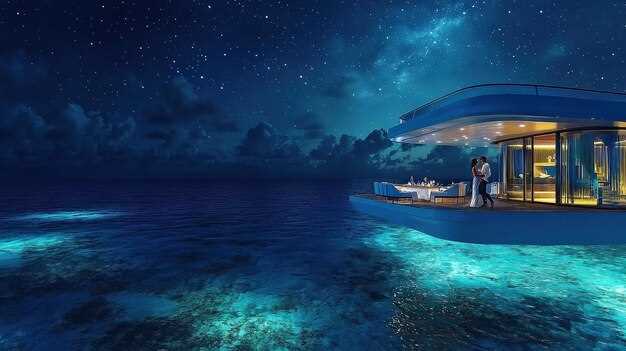 AURORA Moonen Yacht – From AU$76,000Wk | Luxury Charter Australia">
Prenota AURORA Moonen Yacht per il tuo charter di lusso in Australia e blocca il prezzo a partire da AU$76.000 a settimana per una crociera senza intoppi. Questa opzione offre agli armatori un programma altamente personalizzato, con porti, ritmo e preferenze culinarie stabilite prima della partenza, mentre l'equipaggio conduce le operazioni con rigorosi standard di sicurezza e un'attenta ospitalità.
L'imbarcazione combina accenti in alluminio con ampi spazi sociali e un super equipaggio che anticipa le esigenze e offre un servizio preciso. Il ponte combina aree lounge ombreggiate con zone prendisole, mentre gli interni spaziano tra cene formali e ambienti living informali. Gli chef cater a tutte le diete, fornendo meal corsi con absolute qualità e l'ambiente di bordo rispetta gli ecosistemi locali.
I termini applies a ogni prenotazione, e il processo di accettazione rimane chiaro e trasparente. Se le condizioni meteorologiche o i vincoli di percorso richiedono modifiche, procedere con un piano rivisto o annullare e riprenotare entro i termini previsti dalla politica. La politica supporta riorganizzazioni flessibili; giorni o percorsi possono cambiare con interruzioni minime in base alla disponibilità dell'equipaggio.
A nome del capitano e dell'equipaggio, AURORA offre un handover personalizzato e un servizio continuo, con un concierge dedicato per organizzare escursioni a terra, degustazioni private ed esperienze eco-compatibili. Aspettatevi una precisa cadenza dei pasti, consigli personalizzati e un livello di comfort che fa sentire ogni ancoraggio come un resort privato.
I tipici charter durano 7 giorni, con opzioni di estensione in base alla disponibilità e ai permessi della destinazione. Il consumo di carburante è misurato in litri e gestito per massimizzare l'autonomia senza compromettere il comfort, mentre il environment rimane una priorità durante tutto il tuo itinerario.
AURORA Moonen Yacht – Da AU$76.000/settimana: Noleggio di lusso Australia – Propulsione
Scegli il sistema di propulsione Caterpillar su AURORA per garantire velocità affidabile e manutenzione prevedibile lungo le coste australiane.
La configurazione della propulsione abbina due diesel Caterpillar a una forma dello scafo raffinata per prestazioni silenziose e stabili. Godrai di una velocità massima di poco più di dieci nodi e di una crociera sicura di 10-12 nodi, offrendo un'autonomia costante per i trasferimenti costieri da Cairns a Broome e fino al Mar dei Coralli. Questa combinazione supporta passaggi fluidi, facile accesso alle calette sulla spiaggia e alimentazione affidabile per lunghe giornate a terra.
Tre aspetti pratici fondamentali caratterizzano questa configurazione: affidabilità, efficienza e una solida assistenza. La rete globale di Cat è alla base di un piano di garanzia semplice e lineare, con aggiornamenti disponibili in valute come AUD, USD ed EUR a seconda del vostro accordo di noleggio. Questa chiarezza riduce gli intoppi nella pianificazione sia per gli itinerari personali che per i noleggi aziendali.
- Configurazione motore: due diesel Caterpillar offrono prestazioni robuste con vibrazioni ridotte, messi a punto per lo scafo Moonen per un funzionamento fluido dal salone ai ponti.
- Performance ed efficienza: velocità massima 12–14 nodi; crociera 10–12 nodi; capacità a lungo raggio che favorisce rotte d'altura e il trasferimento tra isole, mantenendo al contempo un consumo di carburante ragionevole durante i charter prolungati.
- Manutenzione e supporto: La rete di assistenza Cat garantisce un accesso rapido a ricambi e tecnici; cicli di aggiornamento regolari mantengono i sistemi di propulsione allineati agli standard correnti, supportati da opzioni di garanzia.
- Integrazione a bordo: una cambusa con elettrodomestici da cucina professionali e un proiettore nel salone migliorano l'esperienza dopo una giornata in spiaggia; ampie finestre e ponti aperti mantengono un'atmosfera luminosa e interconnessa per gli ospiti.
- Note operative: tre controlli chiave prima della partenza e una facile connessione alle risorse a terra aiutano a mantenere lo slancio sulle diverse coste australiane, con chiare indicazioni sulle cancellazioni in caso di cambiamenti di programma.
Per i dettagli, richiedi l'ultimo aggiornamento per confermare i cavalli, la strategia del carburante e i termini esatti della garanzia. Esiste la possibilità di adattare il piano di propulsione al tuo itinerario e l'equipaggio può allineare la capacità di carico e le esigenze di potenza con il tuo messaggio personale al capitano, garantendo influenza su ogni tratta del viaggio oltre le rotte standard.
Sistema di propulsione principale: tipi di motore, potenza erogata e allineamento dell'albero

Raccomandazione: Installare due motori diesel-meccanici gemelli, ciascuno con potenza nominale di 1.800–2.000 kW a 1.500 giri/min, accoppiati a una robusta configurazione a due alberi con un affidabile riduttore. Target di una potenza propulsiva combinata di 3.600–4.000 kW e allineare gli alberi entro 0,08–0,12 mm per metro utilizzando l'allineamento assistito da laser, l'analisi delle vibrazioni e la spessorazione periodica. Questa configurazione supporta imbarcazioni private e aree operative generali in cui prestazioni prevedibili sono importanti; riconoscere che i loro piani di manutenzione devono coprire la sicurezza personale dell'equipaggio e il rischio di responsabilità.
Tipi di motore Per la propulsione principale, scegliete tra configurazioni diesel-meccaniche, diesel-elettriche o ibride. La diesel-meccanica offre una manutenzione semplice e un'elevata affidabilità con trasmissione diretta all'albero. La diesel-elettrica permette una futura elettrificazione e una più facile integrazione con i propulsori di poppa e i carichi alberghieri. L'ibrida combina batterie e diesel per il livellamento del carico durante le operazioni portuali e gli scenari di bevande gourmet. Per i charter a lungo raggio, la diesel-meccanica rimane l'opzione più robusta; in contesti nazionali come la Francia e Cannes, la diesel-elettrica o l'ibrida possono ridurre il consumo di carburante se ben gestite.
Potenza erogata e prestazioni Per motori gemelli, puntare a 1.800–2.000 kW per motore al massimo regime nominale, per un totale combinato di 3.600–4.000 kW. A 1.600 giri/min, prevedere velocità di crociera di circa 14–16 nodi con uno scafo pulito; le velocità massime si avvicinano a 18–20 nodi con eliche efficienti e una corretta zavorra. Progettare l'albero dell'elica e il diametro dell'elica per gestire i carichi torsionali di picco con un margine del 15–20%, e includere un'opzione per un terzo albero se è necessaria una manovrabilità ad alta spinta. I dati sono riportati nelle schede del produttore e nel rapporto di prova di terzi all'interno degli accordi con l'armatore.
Allineamento e installazione dell'albero Allineare i due alberi lungo una linea comune con disallineamento angolare minimo. Rettilineità target di 0,08–0,12 mm per metro, verificata con strumenti laser e controlli finali a galla. Utilizzare supporti motore rigidi, giunti antivibranti e verificare che le teste siano sigillate e non presentino usura. Il monitoraggio regolare delle vibrazioni e il riallineamento periodico mantengono il sistema entro le specifiche e riducono i carichi dispersi che potrebbero influire sui cuscinetti e sulla struttura dello scafo. Mantenere correttamente i bulloni sinistri e destri e documentare le tolleranze nel registro, insieme a eventuali squilibri sinistro-destro osservati.
Note operative Per gli charter privati e i loro equipaggi, gli allineamenti e i test di potenza sono indicati all'interno del pacchetto di test ufficiale; il rapporto di terze parti collegato alle operazioni di Cannes in Francia conferma la conformità. Nel porto di Cannes, in Francia, le imbarcazioni mostrano spesso dati cristallini sull'allineamento del propulsore; il link alle schede di test è fornito al personale autorizzato. Farzan, il tecnico in loco, coordina gli accordi di manutenzione con i proprietari privati e il consenso dell'equipaggio. Se una finestra di manutenzione ordinata viene annullata, rivedere il programma e informare tutte le parti responsabili. Gli accordi per il servizio di bevande sul ponte sono tenuti separati dai test di propulsione per motivi di sicurezza e privacy.
Strategia del carburante: capacità diesel, posizioni dei serbatoi e consumo a bordo per charter di una settimana

Fornire un margine di 25% rispetto al consumo previsto per una crociera charter di una settimana. Utilizzare quattro serbatoi di gasolio indipendenti per supportare la navigazione e le emergenze, e assicurarsi che lo skipper sia autorizzato al bunkeraggio e che il team registri ogni rifornimento.
La capacità del gasolio dovrebbe puntare a 20.000–28.000 L per le imbarcazioni nella classe 40–45 m, distribuiti su quattro serbatoi: gavone di prua, centro nave a sinistra, centro nave a dritta e a poppa. La sezione superiore dei serbatoi semplifica il rifornimento di carburante sul ponte e aiuta a mantenere un processo di imbarco fluido. Pianificare con la protezione del ponte in legno e chiare misure di controllo delle fuoriuscite per salvaguardare le operazioni vicino alle cabine e alle aree dell'equipaggio.
Il consumo a bordo varia in base alla velocità e all'utilizzo. A 9 nodi, la propulsione e i sistemi assorbono circa 100–140 L/h; a 12 nodi, 180–230 L/h; servizi in standby 40–60 L/h. Per una tipica settimana di island hopping, prevedere ~1.600–2.000 L/giorno, oppure 11.200–14.000 L/settimana. Includere una ragionevole riserva del 25% per coprire deviazioni, condizioni meteorologiche e il collegamento all'alimentazione da terra quando disponibile, e pianificare oltre la settimana per potenziali estensioni.
I controlli operativi sono allineati al piano: monitoraggio in tempo reale tramite la connessione di gestione del carburante dell'imbarcazione, registri giornalieri con lo skipper e il team e coordinamento a quattro punti per evitare sorprese che comporterebbero sanzioni o danni. Questo approccio mantiene spazi come le cabine confortevoli e accessibili, pur mantenendo pratiche di imbarco e rifornimento sicure per ridurre al minimo gli infortuni. Riconoscere sempre i numeri di base, presumere una riserva prudente e adeguarsi in base al variare delle condizioni meteorologiche o dell'itinerario. L'audit garantirà la stretta aderenza alle pratiche di sicurezza relative al carburante.
Documentazione e termini: i contratti di carburante includono condizioni di vendita, punti di contatto e una procedura chiara per i rimborsi del carburante inutilizzato. In caso di discrepanze, potresti avere diritto a un rimborso; conserva i documenti relativi a danni o reclami e fai affidamento sulla garanzia del fornitore. Assicurati che siano in atto le autorizzazioni per tutti gli imbarchi e mantieni un equilibrio tra costi e affidabilità.
Generazione di energia e collegamento alla terra: generatori, DP e gestione del carico elettrico
Installare due gruppi elettrogeni diesel-elettrici principali da 250 kW con capacità di parallelamento più un gruppo elettrogeno di servizio da 125 kW come riserva operativa. Questa configurazione fornisce capacità di riserva per i picchi di carico dell'hotel quando il controllo del clima, gli elettrodomestici della cucina e i cicli di lavanderia si allineano con le cabine e l'occupazione degli ospiti. Montare i gruppi elettrogeni su un telaio in alluminio per resistere alla corrosione in aria salmastra e ridurre al minimo il trasferimento di vibrazioni a vetri e raccordi. Assicurarsi che la propulsione rimanga stabile durante le transizioni e utilizzare un soft-start su ogni unità per proteggere la rete elettrica.
Piano di connessione da terra: Connettersi all'alimentazione da terra a 400 V/50 Hz o 480 V/60 Hz a seconda del paese; utilizzare un avvolgicavo da terra per impieghi gravosi con grado di protezione IP elevato e una scatola di connessione stagna. Prevedere un tempo di trasferimento dal gruppo elettrogeno alla terra inferiore a 15 minuti; coordinare il trasferimento automatico con il controllo dell'elica DP in modo che la propulsione rimanga pronta. Documentare il tipo di connessione e le condizioni portuali nel contratto; verificare i prezzi e confermare che l'alimentazione da terra soddisfi i carichi della nave. La procedura mostra il passaggio graduale all'alimentazione da terra e viceversa e l'equipaggio deve prenderne atto e seguirla. Garantire la conformità alle normative governative.
Gestione del carico elettrico: utilizzare un EMS (Energy Management System) per dare priorità ai carichi critici come propulsione, DP (posizionamento dinamico), navigazione e climatizzazione nelle cabine. Assegnare un carico di base di 40–60 kW per l'illuminazione, con HVAC (riscaldamento, ventilazione e condizionamento dell'aria) per un massimo di otto cabine in funzione simultanea; durante l'attracco, disattivare gli apparecchi non critici (sistemi di intrattenimento, boiler e pompe per piscine) per mantenere il carico principale entro la capacità del gruppo elettrogeno e facilitare la transizione all'alimentazione da terra. Per un charter di una settimana, mappare una curva di carico giornaliera e pre-allocare un margine di riserva per gestire picchi imprevisti, puntando a rimanere entro l'85–90% della potenza nominale del gruppo elettrogeno.
Considerazioni operative e di sicurezza: L'alimentazione da terra riduce il consumo di carburante mentre si è in porto, mantiene in funzione gli elettrodomestici della cucina e il controllo del clima senza l'utilizzo di gruppi elettrogeni e supporta la conformità alle linee guida nazionali. Il comandante deve riconoscere il piano e il diritto contrattuale all'alimentazione da terra; il consiglio di amministrazione deve confermare i termini di connessione a terra prima dell'imbarco. Se un porto non è in grado di fornire energia o se si verifica una cancellazione, passare al piano di emergenza contrattuale e informare gli ospiti; riservare la capacità per charter di una settimana e adattarsi alle restrizioni governative o alle limitazioni portuali per evitare lesioni e inconvenienti. Questo approccio chiarisce i tipi di connessione, i prezzi e le responsabilità, contribuendo a mostrare un servizio fluido e ben supportato attraverso scafi in alluminio e precise routine operative.
Metriche di Performance in Regime di Propulsione: Velocità di Crociera, Autonomia e Budget del Carburante
Puntare a una velocità di crociera tra i 12 e i 14 nodi per bilanciare velocità e autonomia; l'estremità superiore consente di risparmiare tempo tra gli scali e di entrare prima in porto, con viste mozzafiato sulla costa.
Leggere quotidianamente i dati sulle performance di bordo e stabilire un budget carburante: si assumano 60.000 L di carburante totale a bordo, con 6.000 L riservati. A 12 nodi, i motori consumano circa 900 L/h; a 10 nodi circa 700 L/h; a 14 nodi circa 1.100 L/h. Questo produce un'autonomia di circa 66 ore a 12 nodi, 85 ore a 10 nodi e 54 ore a 14 nodi, quindi si possono mirare a circa 800-900 nm per tratta in condizioni tipiche, a seconda dei dati di consumo e dei venti contrari.
Nelle operazioni portuali, gli operatori cercano opzioni che siano conformi al contratto e alle normative locali. Imbarchi e trasferimenti possono essere organizzati con tender Seadoo; un'opzione è quella di organizzare una breve tratta verso un porto vicino, mantenendo gli ospiti a stretto contatto con la costa mentre la cura gourmet e il servizio impeccabile continuano. Il carburante è stoccato in fusti e serbatoi per raggiungere il totale di 60.000 litri, ed è richiesto il consenso immediato dell'equipaggio per procedere con qualsiasi attracco o trasferimento.
| Speed (knots) | Portata (nm) @ 60.000 L | Consumo di carburante (L/h) | Endurance (h) |
|---|---|---|---|
| 8 | 960 | 500 | 120 |
| 10 | 857 | 700 | 86 |
| 12 | 800 | 900 | 66 |
| 14 | 763 | 1100 | 54 |
| 16 | 686 | 1400 | 49 |
Tali metriche guidano il programma di imbarco e i piani di entrata nel porto, consentendo agli operatori di leggere i cambiamenti del vento e di adeguarsi immediatamente per mantenere intatto l'itinerario, soddisfacendo al contempo le aspettative degli ospiti per un'assistenza gastronomica di qualità e esperienze intime nei porti.
Funzionamento Silenzioso e Capacità di Navigazione: Come la Progettazione della Propulsione Influisce sul Comfort degli Ospiti
Iniziate con un pacchetto propulsivo che riduca al minimo rumore e vibrazioni alla fonte: selezionate un sistema diesel-elettrico o ibrido, integrate supporti antivibranti e assicuratevi che il locale macchine sia trattato acusticamente. Questo approccio riduce le interferenze nelle zone degli ospiti, sia che lo yacht navighi a velocità di crociera sia che rimanga in porto.
La quiete operativa dipende da come la propulsione interagisce con la dinamica dello scafo. Un motore a velocità media con trasmissione ammortizzata e acustica della sala macchine tarata può fornire una coppia fluida mantenendo le basse frequenze delle vibrazioni fuori dalle suite e dai salotti. Mentre lo yacht affronta il swell, il sistema dovrebbe mantenere una spinta stabile e un rumore irradiato minimo, supportando conversazioni rilassate in aree adatte al dialogo e riposo indisturbato durante le guardie notturne. Ciò richiede un attento allineamento della propulsione, dell'isolamento dalle vibrazioni e della rigidità dello scafo per prevenire il trasferimento di energia nei ponti degli ospiti.
Scelte progettuali chiave e il loro effetto sull'idrodinamica:
- Tipo di propulsione: Le configurazioni diesel-elettriche e ibride consentono una marcia elettrica prolungata in condizioni calme, riducendo il rumore del carburante e consentendo transizioni di coppia più delicate in mare agitato.
- Propulsor form: Fixed-pod or azimuth thruster layouts offer precise thrust control; azimuth systems can minimize stern thrash in light chop but require robust isolation to avoid hull-borne vibrations.
- Progettazione dell'elica e dell'albero: le pale di grande diametro con allineamento ottimizzato del mozzo all'albero riducono le armoniche di vibrazione; i trattamenti superficiali e i carenati vicino all'albero aiutano a ridurre il rumore da cavitazione.
- Isolamento delle macchine: supporti elastici, ausiliari disaccoppiati e una sala motori sigillata e foderata acusticamente riducono drasticamente la trasmissione del suono agli spazi abitativi.
- Interazione con lo scafo: lo smorzamento e il rinforzo dello scafo ottimizzati riducono la trasmissione del movimento; un corretto controllo del trim mantiene stabile il movimento del letto, riducendo le sensazioni indotte dal motore nelle cabine.
Linee guida operative e protocolli di test per garantire una vestibilità coerente:
- Sviluppare un piano di test che includa misurazioni a basso rumore a più velocità e condizioni marine, utilizzando microfoni a bordo posizionati nelle zone degli ospiti per catturare un messaggio affidabile sui livelli di comfort.
- Eseguire regolarmente indagini sulle vibrazioni dopo qualsiasi intervento di manutenzione della propulsione o modifica dello scafo, e documentare i risultati con immagini per la tracciabilità e i miglioramenti futuri.
- Stabilire buffer di sicurezza: limitare l'accesso allo spazio della macchina durante le prove in mare e garantire la supervisione di equipaggi qualificati; questo riduce il rischio e protegge la sicurezza degli ospiti.
- Definire i livelli di rumore accettabili e le soglie di vibrazione per ciascun ponte; adattare gli obiettivi di velocità del motore per rimanere entro tali limiti in profili di crociera prolungati al di là delle visite portuali.
- Offri agli ospiti una conversazione trasparente sulle scelte di propulsione e sul comfort previsto, inclusi i possibili compromessi tra accelerazione, autonomia e funzionamento silenzioso.
Cibo, bevande e intrattenimento non risentono del rumore della propulsione quando uno yacht utilizza modalità a basso rumore; questo aiuta a mantenere piacevole il consumo nelle aree degli ospiti e incoraggia soggiorni più lunghi a bordo senza affaticamento. Se gli ospiti hanno sofferto di disagio durante le prove, è possibile organizzare un rimborso o un adeguamento in base a linee guida chiare, continuando al contempo a monitorare le prestazioni in condizioni reali.
Rinunciare a rischi non necessari evitando modifiche che invalidano le garanzie; affidarsi a modifiche supervisionate e linee guida documentate. Nella pratica, sessioni di test prolungate con dati reali dovrebbero essere documentate in una galleria di risultati – immagini che illustrano fonti di rumore, punti critici di vibrazione e passaggi di mitigazione – affinché il team di amministrazione possa esaminarle e agire di conseguenza.
Note da farzan e rene evidenziano checkpoint pratici durante le prove: mantenere una stretta supervisione su sicurezza e sorveglianza, registrare un messaggio conciso per il capitano e l'equipaggio e mantenere canali di comunicazione aperti con il team di charter per garantire che il comfort degli ospiti rimanga la priorità. Lo yacht prospera quando le scelte di propulsione offrono costantemente un funzionamento silenzioso, una forte capacità di affrontare il mare e un'atmosfera calma per ogni esperienza degli ospiti al di là dell'ordinario.