


 Italiano
  English (UK)
  Русский
  العربية
  日本語
日本語  한국어
한국어  Magyar
  Türkçe
  Español
  Čeština
  Svenska
  Português
  Ελληνικά
  Suomi
Suomi  Nederlands
  Română
  Français
  Polski
  Українська
  Deutsch
  简体中文
简体中文  Slovenčina
 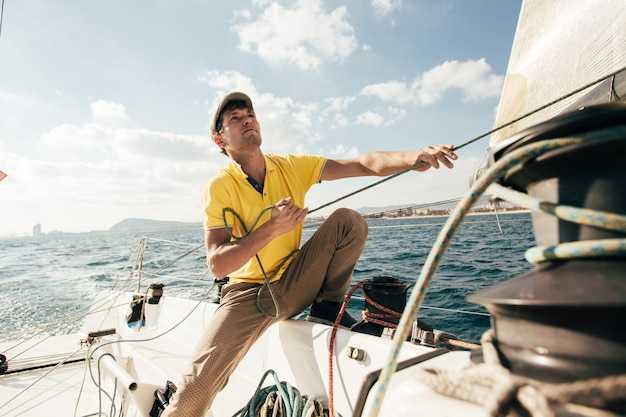 8 Sailing Documentaries to Inspire Your Inner Sailor – The Ultimate Must-Watch Guide">

Inizio con maidentrip come prima scelta per sentire l'attrazione dell'oceano fin dalla prima scena, e lascia che lo sfondo del mare crei un tono amichevole per il tuo primo documentario. Nel momento in cui le vele si alzano e un adolescente naviga in solitaria, il film racconta una storia di grinta, curiosità e navigazione sicura.
Attraverso otto titoli, la guida mette a confronto equipaggi amatoriali con diretto produzioni, e ciascuna episodio rivela non solo il meteo effetti ma l'arte del montaggio è ciò che guida il ritmo. Ti dice where la tensione cresce e come diversi equipaggi affrontano gli stessi momenti nautici.
Mentre guardi, usa un piano semplice: due o tre episodi a settimana, e concentrati su cosa fa l'equipaggio racconta le tue decisioni quando arriva una raffica. La lineup copre dilettante crews and diretto account, così puoi confrontare come le squadre gestiscono lo stesso challenges in mare.
Cerca contenuti che ambientino l'azione in contesti realistici: la pianificazione in banchina, il dispiegarsi delle vele e i lunghi mesi in mare che plasmano le scelte. Questa guida ti aiuta a vedere where l'abilità artigianale risplende ed evidenzia le tecniche di narrazione–le whats sullo schermo e le scelte che fanno i registi, che trasformano un viaggio in intrattenimento sia per gli spettatori alle prime armi che per quelli esperti.
Per creare la tua routine di visione personale, scegli un paio di episodi adatti per iniziare il weekend e per rilassarti a metà settimana. Confrontando come diversi equipaggi affrontano la stessa giornata, otterrai informazioni pratiche su attrezzatura e arte marinaresca da poter applicare durante mesi di pratica, mantenendo al contempo una mentalità amichevole e amatoriale.
8 Documentari sulla vela: una watch list pratica per livello di abilità
Se sei un principiante, inizia con Maidentrip: è un ottimo punto di partenza, coinvolgente, che mette in risalto le famiglie e una giovane donna al timone, con interviste che ti aiutano ad apprendere i fondamenti e a godere di immagini acquatiche meravigliose.
-
Maidentrip – Principiante
Perché guardarlo: una narrazione personale e concreta che segue una giovane velista mentre impara i trucchi del mestiere e compie un primo serio tentativo di attraversata in solitaria. Il film mescola momenti filmati con interviste alla sua famiglia, agli insegnanti e ai mentori, offrendo consigli concreti sulla pianificazione delle rotte, sul budget e sull'equipaggiamento di sicurezza. Aspettatevi riprese nitide della costa e dell'oceano aperto, oltre a decisioni in tempo reale che mostrano la forza del meteo e la potenza della preparazione. È un ottimo punto di partenza per vedere come gli equipaggi e i lupi di mare solitari gestiscono le basi e infonde fiducia per le avventure future.
-
Resistenza – Intermedio
Perché guardarlo: questo solido racconto del viaggio di Shackleton, incentrato sui personaggi, enfatizza il lavoro di squadra e la leadership sotto pressione. Le battaglie all'ultimo sangue con il ghiaccio e la fame rivelano come un equipaggio mantiene il morale e la fiducia quando le opzioni sono limitate. Filmato con materiale d'archivio e narrazione contemporanea, offre un chiaro esempio di come didascalie, interviste e narrazione si intrecciano per creare un arco narrativo avvincente. Evidenzia le dinamiche tra capitano ed equipaggio e mostra come una leadership decisiva può guidare un gruppo attraverso condizioni estreme.
-
Kon-Tiki – Avanzato
Perché guardarlo: un viaggio epocale che fonde ricostruzioni, filmati d'archivio e interviste a esperti per mettere in luce un audace progetto per mare. La storia degli Heyerdahl, raccontata attraverso gli occhi dell'equipaggio, dimostra come una singola idea guida possa condurre un gruppo attraverso vaste distanze, con una narrazione che crea tensione tra dubbio e convinzione. Presta attenzione al modo in cui il ritmo delle navi prepara momenti di intensa collaborazione e nota come un forte scopo condiviso trascini una squadra attraverso tempeste e lunghe giornate silenziose in mare. Un ottimo esempio di come personaggio e missione si intersechino per produrre un'esperienza cinematografica memorabile.
-
Racing the World – Volvo Ocean Race Highlights – Avanzato
Perché guardarlo: i documentari sulle regate ti spingono a studiare l'arte in tempo reale. Questo titolo (adatto a spettatori esperti) mostra come i team coordinano turni, rotte meteorologiche e cambi di vela, mantenendo alta l'attenzione sulla sicurezza. Vedrai l'equipaggio testa a testa con mari impetuosi e ascolterai le prospettive dirette di diversi protagonisti, inclusi alcuni che parlano apertamente di pressione e ritmo. È l'ideale per comprendere gli aspetti pratici della vela professionistica, dalle dinamiche del gatto col topo tra le barche ai momenti in cui i team vincono una tappa cruciale grazie a un processo decisionale preciso e collaborativo.
-
Donne al timone – Focus sulle veliste – Intermedio
Perché guardarlo: questo documentario esplora l'ascesa delle donne nella vela competitiva e di spedizione, portando alla luce storie di capitani, secondi e primi ufficiali. Le interviste evidenziano diversi stili di leadership e approcci decisionali, osservando come le donne affrontano sia le esigenze fisiche che i riflettori dei media. L'arco narrativo dimostra come la fiducia cresce quando le squadre si uniscono attorno a un obiettivo comune e come valorizzare i punti di forza di ogni persona rafforza l'intero equipaggio. È una finestra motivante sulla leadership inclusiva in mare.
-
Famiglie sull'Oceano – Viaggi per Famiglie – Da Principianti a Intermedi
Perché guardarlo: questo titolo è incentrato su famiglie che imparano insieme in mare, rendendo i lunghi viaggi accessibili agli spettatori che desiderano condividere l'esperienza con fratelli, genitori o nonni. Il film evidenzia come la preparazione e la pratica – la costante costruzione di abilità – riducano il rischio e creino fiducia. Mostra anche la bellezza della vela pratica – gestione delle cime, controlli meteorologici e turni di guardia – intrecciando aneddoti di più famiglie, inclusi alcuni momenti in cui la domanda di un bambino guida la giornata. È un ponte caldo ed educativo tra le ambizioni di navigazione in solitario e in equipaggio.
-
Sopravvivenza in Mare – Crisi e Recupero – Avanzato
Perché guardarlo: questo documentario analizza scenari reali in cui gli equipaggi affrontano condizioni potenzialmente letali e devono improvvisare soluzioni sicure. La forza della natura è mostrata candidamente e le interviste scandiscono i momenti in cui il piano di una squadra cambia sotto pressione. Tra i momenti salienti, vedrai la logica pratica: decisioni di evacuazione, segnalazione di emergenza e il ruolo della leadership nel mantenere alto il morale e l'ordine. È uno studio rigoroso sulla gestione del rischio, la resilienza e il potere di decisioni calme e ponderate da parte di chi è in prima linea e dell'intero team.
-
Navigazione e sviluppo delle competenze – Come interpretare l'acqua e il meteo – Tutti i livelli
Perché guardarlo: questa guida compatta si concentra sull'arte che sta dietro ai lunghi tragitti: lettura delle carte nautiche, interpretazione delle condizioni meteo e processo decisionale in condizioni di incertezza. Il filmato utilizza un mix di riprese in mare e interviste in stile aula con skipper e istruttori esperti, mostrando tecniche concrete che si traducono nella pratica. Imparerai consigli sulla pianificazione della rotta, la regolazione delle vele e come rimanere al sicuro in condizioni mutevoli, con una chiara enfasi su come ogni scelta influisce sulla direzione e sulla velocità della barca. La narrazione è precisa e gli esempi illustrano come solide basi si traducano in viaggi di successo in futuro.
Valuta la tua attuale esperienza di navigazione per scegliere il film giusto
Se sei alle prime armi con la vela, inizia con un film incentrato sulla navigazione costiera: traccia le tue miglia più recenti, i luoghi che hai visitato, le coste che hai toccato e le tue routine di approvvigionamento. Se gestisci tratte costiere con letture meteorologiche affidabili, scegli film che presentino una storia chiara e un equipaggio affiatato; se le traversate d'altura ti sembrano alla portata, cerca storie più profonde da professionisti.
Non riesci ancora a gestire passaggi lunghi? Inizia con rotte più brevi e scegli un film che metta in risalto la pratica marinaresca, la risoluzione semplice dei problemi e le dinamiche di equipaggio.
Usa Tubi per trovare opzioni il cui tono corrisponda ai tuoi obiettivi: cerca articoli in stile rivista e riepiloghi mensili che analizzino rotte, liste di approvvigionamento e l'equipaggiamento che mantiene una nave sicura.
Abbina le destinazioni del film alle tue ambizioni: se desideri esplorare più luoghi diversi, scegli film che esplorano svariate destinazioni e offrono riprese vivide di alberi maestri e coste; se ti interessano scene di pesca e approvvigionamento, cerca episodi dedicati.
Presta attenzione al contesto: come il team gestisce l'operazione, il loro approccio al processo decisionale e le sfide che affrontano quando il tempo peggiora; questi dettagli ti aiutano a trarre idee pratiche per la tua configurazione, le loro decisioni rivelano schemi che puoi imitare.
Infine, valuta il tono e i punti chiave: un articolo particolarmente audace può far scattare l'idea di provare nuovi nodi, routine di approvvigionamento o abitudini di guardia nella tua prossima uscita.
Collega ogni documentario a specifiche abilità pratiche da esercitare in acqua
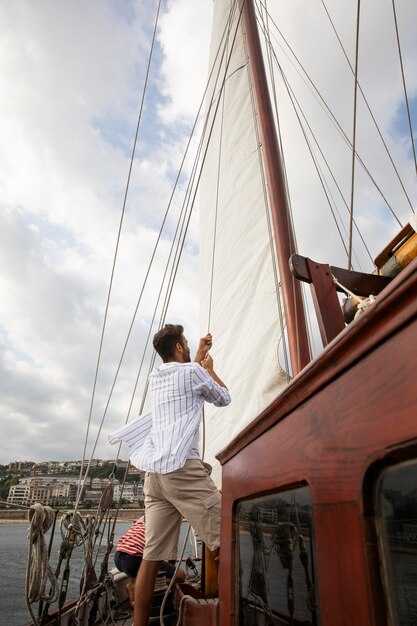
Documentario 1 – Passaggio nel Mediterraneo: Inizia con i nodi in acque calme: impara il nodo Savoia, un otto ripassato e un nodo di galloccia, poi esercitati con la manovra delle vele di base. Aumenterai la tua sicurezza mentre ti godi il ritmo della nave e senti la brezza sul viso, creando cameratismo sul ponte mentre la storia si sviluppa, dimostrando che queste basi si traducono perfettamente.
Documentario 2 – Navigazione Costiera: Sviluppa le tue capacità nella lettura delle carte nautiche, nel tracciare rilevamenti e nel mantenere una guardia costante. Usa una bussola, un solcometro e aggiustamenti rapidi; in secondo luogo, fai pratica con un simulatore di chartplotter online per confrontare i risultati e migliorare la precisione della tua osservazione per distanza e tempistica.
Documentario 3 – Gestione in Acqua Libera: Affronta i venti forti con terzaroli e regolazioni delle vele per bilanciare la barca. Esercitati a timonare a mano, a gestire le raffiche e a coordinare i cambi di vela su virate corte per sentire la spinta del vento e mantenere stabile lo scafo; gli spruzzi che scavalcano le battagliole ti ricordano di regolare le vele in anticipo e di comunicare con l'equipaggio.
Documentario 4 – Realtà di waterworld: Nelle scene di ormeggio ravvicinato, provate la gestione delle cime, la predisposizione dei parabordi e la precisione dello sterzo con un partner. Eseguite brevi manovre di pratica da una banchina o un approccio al porto turistico, quindi ripetete con una seconda persona per creare cameratismo a bordo e per sentire come ognuno contribuisce.
Documentario 5 – Zone di pesca: Gestione esperta della lenza, preparazione sicura e maneggio dell'amo; esercitati a recuperare le lenze con un partner. Mantieni il ponte in ordine mentre cerchi abboccate, poi simula l'inseguimento di un branco per muoverti agevolmente nel pozzetto e mantenere il cameratismo tra i ragazzi a bordo.
Documentario 6 – Guardia notturna: esercitati a mantenere una guardia vigile in condizioni di scarsa illuminazione con chiamate chiare, movimenti corretti sul ponte e passaggio sicuro intorno agli ostacoli. Se hai visto il film, puoi notare come un ritmo calmo indichi loro cosa fare; puoi replicare questi segnali nel tuo gruppo e l'equipaggio maschile si sentirà più sicuro al buio.
Documentario 7 – La rotta di Steiger: Il capitano Steiger sottolinea la ridondanza: usare il punto nave col sole e una bussola di riserva, e controllare con una carta digitale quando disponibile. Il film mostra Jess e Wills che timonano con calma, così puoi imparare a guidare il tuo equipaggio e a comunicare loro il tuo piano, costruendo una leadership fiduciosa e amichevole.
Documentario 8 – Preparazione al trasporto: questo episodio tratta di come trasferire le competenze acquisite su una nave più grande o a un nuovo equipaggio. Esercitati con i controlli del motore, lo stivaggio dell'ancora e le esercitazioni sulla sicurezza dei passeggeri, quindi esegui un'esercitazione completa con una nuova squadra in modo che la sfida imminente risulti naturale e l'avventura sul ponte diventi una seconda natura.
Realismo del Punteggio: Cosa Cercare in Tecniche, Meteo e Sicurezza
Inizia con un controllo di realismo: assicurati che ogni manovra importante sia riproducibile in tre diverse condizioni di vento e stato del mare, quindi verifica il filmato confrontandolo con riferimenti reali da un fiordo o da una costa aperta. Questo approccio permette agli spettatori di valutare rapidamente l'accuratezza e mantiene il team concentrato su dettagli verificati piuttosto che su congetture, ancorando l'imbarcazione nel mondo della vela.
Documenta ogni manovra con segnali chiari: quali maniglie delle cime, winch e drizze sono stati usati, come risponde il timone e come appare la regolazione delle vele in ogni set. Includi indizi meteorologici – formazione di nuvole, periodo delle onde, cambiamenti di vento – in modo che il pubblico veda causa ed effetto, non congetture. Cercare la precisione in questi indizi rende le scene più credibili. Mantieni un alto livello di maestria in ogni scatto.
Il realismo meteorologico richiede più della semplice meteorologia: mostra come gli equipaggi interpretano lo stato del mare, le correnti e le raffiche; un momento turbolento dovrebbe essere gestito con azioni sicure e credibili, come ridurre la velatura o modificare la rotta. Se sono presenti equipaggi alle prime armi, presenta il ragionamento alla base delle decisioni per aiutare gli spettatori a comprendere i personaggi e la posta in gioco; stanno guardando il processo, non solo lo spettacolo.
La logica di sicurezza non è negoziabile: mostra la quantità e il tipo di equipaggiamento indossato e a bordo, dai PFD alle imbracature, oltre ai controlli di sicurezza per radio ed EPIRB. Brevi briefing sulla sicurezza tra un set e l'altro aiutano il pubblico a seguire i controlli dei rischi senza interrompere il ritmo. Mostra come un piano di emergenza riduce il rischio quando il tempo cambia e come l'equipaggio comunica per rimanere allineato; evita l'isolamento stratificando il dialogo con il suono ambientale e chiari segnali visivi. Inizia a impegnarti per un perfetto allineamento tra telecamera, suono e azione.
La personalità e le dinamiche di squadra contano: gli equipaggi interamente femminili e maschili portano ritmi diversi; il montaggio dovrebbe bilanciare tensione e sollievo, mostrando come le persone comunicano, assegnano i compiti e si supportano a vicenda sotto pressione. Creare momenti di personalità che sembrano meritati rafforza la connessione degli spettatori. Sono coinvolti quando vengono presentate delle scelte, e il momento di prendere una decisione rivela il personaggio attraverso l'azione. Alcuni editor si appoggiano alla bravura virile per aumentare la tensione, ma una tecnica solida mantiene intatto il realismo.
Quantificare il realismo con metriche concrete: tracciare la quantità di accuratezza della regolazione delle vele, la deviazione dell'angolo di barra, il tempo di risposta alle raffiche e la latenza radio. Menzionare come i dati di vendita e gli investimenti in attrezzature riflettano l'interesse del settore, ancorando la produzione alla pratica del mondo reale. La sequenza di clip ideale mostra opzioni reali, quindi il percorso scelto, e spiega perché tale scelta ha mantenuto lo slancio pur rimanendo entro i margini di sicurezza.
Crea un piano di visione di 4 settimane allineato alle sessioni di pratica
Scegli due documentari compatti per la Settimana 1 che enfatizzino una preparazione cruda e realistica, quindi allega un'esercitazione di 20-30 minuti dopo ciascuno per completare il ciclo. Osserva come piccoli dettagli – appoggio del piede, manovre con le corde e disciplina sul ponte – si traducono nella pratica reale. Usa gli appunti dalla pagina per catturare idee che ti sembrano pertinenti, specialmente scene ambientate vicino a un porto o sull'acqua, e mappale nelle tue sessioni.
| Week | Concentrati | Visualizzazione scelte | Sessione di pratica | Note |
|---|---|---|---|---|
| Settimana 1 | Fondamenta: grinta, corde, disciplina di coperta | Scelte in visione: un segmento di spedizione accidentata lungo una costa con alberi maestosi; uno studio sull'acqua ispirato a Melville incentrato sulla preparazione. | Esercitazione: 20–25 min di esercizi sul ponte; nodi (gassa d'amante, bandiera); maneggio delle cime; concludere con una pagina di appunti; indossare scarpe antiscivolo | Filmati pertinenti aumentano la motivazione; piccole vittorie si accumulano. Da casa, esegui un esercizio allo specchio per costruire fiducia e forma. |
| Settimana 2 | Dinamiche dell'equipaggio e velocità decisionale | Scelte in visione: una storia d'amore a bordo di una nave che attraversa il porto uruguaiano; un segmento in cui l'equipaggio esplora i limiti del lavoro di squadra | Esercitazione: 30 minuti di esercizio – chiamate, compiti specifici e una simulazione decisionale; non ci si può affidare alla fortuna; chi è il leader e chi il supporto | Identifica chi merita il credito per le chiamate chiave; compila un registro rapido per mantenere oneste e riconoscibili le pagine di avanzamento. |
| Settimana 3 | Navigazione sotto pressione e interpretazione meteorologica | Scelte osservate: clip elegante e pluripremiata di un lungo viaggio; miglia percorse con i registri di Coastwatch; caratterizzato da un approccio alla pianificazione del percorso in stile Manry. | Esercitazione: sessione interpretativa di 40 minuti – basi della previsione, simulazione di pianificazione del percorso e momento decisionale; annotare chi prende l'iniziativa | I premi evidenziano le migliori pratiche; utile per tenere traccia dei chilometri e delle chiamate importanti; crea una pagina continua di approfondimenti. |
| Settimana 4 | Capstone: riflessione e trasferimento di competenze | Scelte in visione: sequenza del ballo di fine anno con echi melvilliani; un profilo di Tami che fonde grinta ed eleganza. | Esercitazione: 45 min completamento piano simulato di attraversamento; completamento checklist; finalizzazione con 5 minuti di riflessione in ufficio | - Identificare spunti concreti per la prossima stagione; tradurre ciò che ha funzionato sullo schermo in esercitazioni e routine reali; mantenere lo slancio dal porto a casa. |
Checklist Post-Visione: Tradurre le Scene in Passaggi Attuabili
Scegli una scena che hai visto e traducila in un'attività concreta che puoi completare entro 24 ore. Trasforma un momento di ispirazione in un'azione chiara che puoi eseguire, mantenendo il tuo spazio vitale connesso all'acqua e il tuo mondo in espansione oltre lo schermo.
Trasforma la scena in un'unica azione: pratica di nodi, controllo meteo o revisione dell'attrezzatura. Assicurati di monitorare venti e pressione e che il tuo piano sia sufficientemente preciso da evitare congetture. Questo lo rende tangibile e ti aiuta a creare un piano che puoi testare. È questo tipo di chiarezza che ancora le tue idee in passaggi pratici.
Trasforma il piano in un momento condiviso: invita tua moglie a partecipare e mantieni un tono amichevole, fondendo romanticismo e apprendimento pratico. Una donna con cui ti alleni può portare nuove prospettive, la cui curiosità alimenta il piano, aiutandoti a continuare ad analizzare il mestiere da diverse angolazioni.
Assicurati che la tua prenotazione per una lezione o un noleggio in loco sia confermata e considera l'attrezzatura di seconda mano per rispettare il budget. Ispeziona l'equipaggiamento di sicurezza e le basi della barca prima di partire e scegli una finestra temporale che prevenga giorni alla deriva, una con venti meridionali prevedibili e un programma tranquillo.
Le sessioni di pratica dovrebbero essere brevi e mirate: esercitarsi con un modello di barca, manovre di attracco o tracciati di carte in una piscina. Concentrati su passaggi perfettamente ripetibili, in modo che le scene del film diventino abitudini che puoi riprodurre in acqua, non solo sullo schermo.
Tieni un registro compatto che porti chiarezza: cosa è successo, cosa modificheresti e cosa proverai dopo. Se desideri ulteriore motivazione, guarda compulsivamente una clip correlata, quindi estrapola un'azione concreta che puoi eseguire ora. È questo il tipo di momento che ti mantiene ispirato e ti fa vivere con uno scopo nel mondo.
Rivedi i progressi con il tuo partner e un amico alla fine della settimana. Se i piani deviano o ti senti alla deriva, sostituisci la scena con un nuovo obiettivo e adatta rapidamente. Il risultato sono guadagni di competenze, una routine più amichevole e un piccolo trofeo per segnare ogni vittoria: un promemoria personale di Stanley che stai vivendo una vita velica più ricca.