


 Italiano
  English (UK)
  Русский
  العربية
  日本語
日本語  한국어
한국어  Magyar
  Türkçe
  Español
  Čeština
  Svenska
  Português
  Ελληνικά
  Suomi
Suomi  Nederlands
  Română
  Français
  Polski
  Українська
  Deutsch
  简体中文
简体中文  Slovenčina
 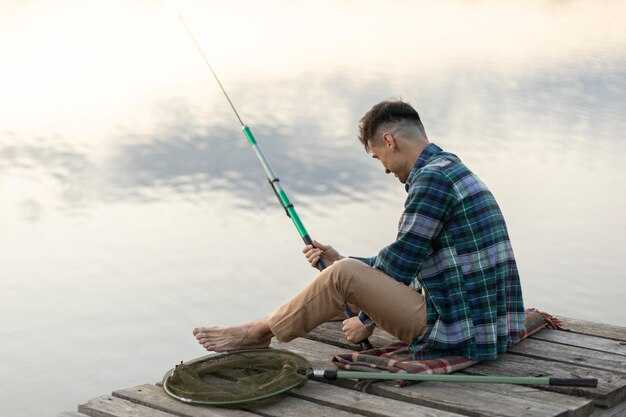 6 Pro Fishing Tips – How to Become a Better Fisherman">

There is one concrete recommendation to jump-start your progress: set up a dependable, compact rig and test it on the water. For an adult angler aiming to improve quickly, use a 6’6″–7’0″ medium-light rod, 8–12 lb test line, and a diameter 0.28–0.30 mm line. Pair with a size 6–8 hook and a small slip-float or light jig. This combo will provide consistent feel and fewer tangles, so you can practice timing and line control more effectively and allow quicker feedback.
Applica a clean casting rhythm: stand with feet shoulder-width apart, keep your shoulder aligned to the target, and use a controlled wrist flick backed by hip rotation. This definitely builds strength and accuracy, and you can study images from local events to refine your form.
Read the water by watching weed edges, sunfish haunts, and the first drop-offs near the woods. Identify place where currents converge and baitfish swirl; these spots work well, especially early morning.
Keep a simple kit with extra jigs, hooks, and a spare bobber. If you spot sunfish showing quick movements, try a bright jig on a short line and a slow, irregular rhythm. This approach lets you test different lures quickly and learn what can happen under changing light.
Keep a compact log: date, location, wind, water clarity, lure tried, and result. Review images from your sessions to spot patterns, then apply what you learned next time. A few focused sessions raise your bites per hour and help you place consistent catches.
Advanced Angling Mastery: Practical Steps for Real Results
Start with a precise line diameter check and re-tie all critical knots to prevent failures; this gives you instant reliability on every cast and builds a sturdy platform for training, something you can count on.
Understand water structure by mapping current seams, depth changes, and forage zones where fish concentrate, especially in morning light. Note the colour of the water and bottom, then choose lures and leaders that match the forage and the pattern you expect. For brook and other species, adjust diameter and leader length to the target size; use a 0.12–0.18 mm leader in tight brooks and a 0.20–0.25 mm leader where clarity is higher. Cast unto the bank near weed edges to test how the current influences bait presentation.
Try special, uncommon rigs for shallow, calm runs; a dropper setup with a small bead and a light fluorocarbon leader keeps the presentation natural and reduces line glare, helping fish take easily. In beattie Brook, locals call the stretch beattie, a place to test subtle actions. The brook tests the method under changing light. Channel a superman mindset. Hold the rod with a steady, confident grip, and if a take occurs, lift smoothly and relax your grip. Maintain a deliberate cadence; this approach shines in green weed edges where hides are tight.
At events across various waters, compare results and log what works. Track bite windows as light shifts and adjust your cast angle to keep line quiet; short, controlled sweeps win in tight cover. Understand when to switch from broad presentations to subtle taps; this adaptation reduces the problem of missed takes and improves consistency.
Maintain gear care and place discipline into daily routine: clean reels, examine drag, and replace worn lines or beads. The habit gives training value and translates to real results, with the performance becoming smoother each week. After each session, store gear in a dry place and check knots once more; this simple step prevents surprises and keeps you on track for future catches. This approach has been tested by guides and pros, and it continues to yield reliable outcomes.
Choose the Right Rod and Reel for Your Target Species
Begin with a versatile setup: a 6 ft 6 in to 7 ft rod, medium-light power, fast action, paired with a 2500 reel. This answer gives you sensitivity for shy bites along brush and in brook pockets, plus enough backbone to handle adult fish in moderate current. Ask staff for guidance on line diameter and reel size for your local conditions, but start with 6–8 lb test in clear water or 10–14 lb in stained water. A small fluorocarbon leader (2–4 ft) helps you stay stealthy and keep everything presenting cleanly.
-
Trout, brook trout, and panfish: 6 ft 6 in to 7 ft, medium-light, fast action; reel 1000–2500; line 4–8 lb test; line diameter kept minimal for quiet presentations in shade. Fish near brush and along the bank to locate likely bites; you should be able to lodge the rod in a holder during pauses. This setup is nice for small jigs, live bait, and light lures on clear streams.
-
Bass and larger open-water fish: 7 ft to 7 ft 4 in, medium-heavy, fast action; reel 3000–4000; line 12–20 lb test; consider black braided line with a fluorocarbon leader. This tactic handles cover and be reached through weed edges and open water alike, where you need steady backbone. Use a larger spool to avoid line twist and keep pressure on the fish without overtaxing your shoulder.
-
Walleye and river species: 7 ft to 7 ft 6 in, medium, moderate action; reel 2500–3000; line 6–14 lb test; use a fluoro leader for subtle presentations in clear water. Its diameter is a compromise between sensitivity and abrasion resistance, and you can easily adjust to stealthy, accurate casts to structure and lanes where fish hide.
-
Large predators or heavy cover: 7 ft 6 in to 8 ft, medium-heavy, fast action; reel 5000+, line 20–30 lb test; consider a strong, dark braid for abrasion resistance. In thick brush or fallen timber, a longer rod helps you keep pressure on the fish while you lodge the line and keep the presentation tight. This setup is ideal when you expect big bites after a long beat along bank and rock, and it gives you control where the fish are likely to sit.
Read Water: Identify Structure, Currents, and Likely Hangouts
Start by reading water in three steps: identify structure, pinpoint currents, and mark likely hangouts. For beginners this quick read yields immediate targets and boosts confidence on the water. Note the opportunity to move to better angles; the easier you see early structure, the sooner you can target key spots with precision. Throughout the day, many guides taught this three-zone read as a simple, repeatable routine – and the beauty of it is how fast you can gain confidence and make smarter calls. Never underestimate the clarity a few minutes of water reading gives you.
Identify structure quickly. Scan the shoreline and water column for sunken cover (trees, limbs), rock piles, and abrupt depth changes. Use your eyes to trace weed edges and edge transitions. When you find a point or bend that turns toward deeper water, mark it as a target. Move your boat or adjust your approach so your cast travels along the edge, not across it–this puts the lure into the hold zones where fish sit. Elite anglers and bassmaster competitors stress structure first; regardless of lake or season, structure holds more bites than open water. Note the location of cover that breaks the current and creates an ambush zone. For coaches who teach clients, the structure read builds confidence and speed. The leader mindset follows this rule: structure first, every time. Three cues to watch: cover, ledge, and edge.
Read currents to locate seams. Look for fast water meeting slower pockets, places where a point creates a seam, and eddies behind rocks or brush. These seams concentrate bait and increase your chance to get a bite. Cast up current and drift your lure along the edge, pausing to let the bait sink into the target depth. Use a steady speed on the retrieve; speed up slightly in faster seams and slow down in slow sections. Three-second counts to depth work well for moderate water; in clear lakes you can see depth transitions with your depth finder, if you have one. What happens next often hinges on timing, so keep a mental clock and adjust accordingly. Reels should run smooth to maximize feel and efficiency.
Target likely hangouts and apply a targeted plan. Inside bends, outside bends, and points that drop into deeper water are your primary hangouts. Inside bends hold fish that feed under varying light conditions; outside bends hold cruising fish that ambush from the current edge; points offer a funnel and a quick drop to deeper holds. Regardless of lake clarity, weed lines and timber edges attract prey and bass alike. Use targeting to pick three spots on your map and run through them in order before moving to the next area. Note how many bites you get at each spot and whether your lure should run shallower or deeper to keep pace with depth change. Many followers and coaching clients see more success when they stay disciplined and targeting the obvious ambush zones.
Practical moves you can apply now. Keep reels silky; a smooth retrieve helps you feel subtle bites. Place three casts per structure to verify depth and reaction, then shift downstream to the next structure. Build confidence by repeating this pattern with different lures: a spinnerbait or swimbait on windy days, and a soft jerkbait on calm mornings. The founder of many local clubs and the sport’s leaders would tell you that consistency beats flashes; practice the same routine across three spots per lake, regardless of mood. This habit creates more opportunities, moves your average catch upward, and trains you to read water with elite-level discipline.
Set Up Your Tackle: Hooks, Lines, and Weights to Match Your Lure
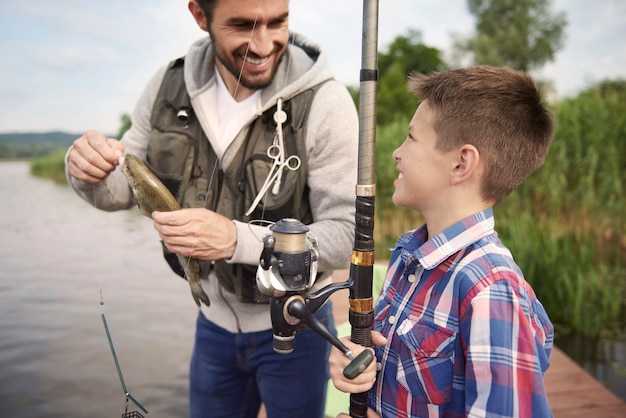
Always start with a braided main line in the 60–80 lb range and a 60–100 lb fluorocarbon leader; match hooks and weights to lure size for the conditions and the windows of opportunity you’re pursuing. For muskies, use bigger gear to handle heavy plugs and aggressive hits, and keep the setup balanced so you can learn quickly and stay confident on the water.
Hooks, not leaders, set the hook. For muskies choose heavy-wire trebles in the 8/0–12/0 range or dependable singles in the 9/0–11/0 range when the lure calls for a stout bite. For smaller lures aimed at smallmouths chasing in lakes, 2/0–4/0 trebles or offset singles keep action clean and reduce missed grabs. Pick rust-resistant finishes (black nickel or mega-strong stainless) and keep gaps matched to lure mouth size; making this fit is the simple step that boosts hookups every time you swing for the front edge of weedbeds or rocky shoals.
Line choice matters as much as the hook. Use braided main line in the 60–100 lb class for muskies, paired with a leader in the 60–120 lb range when you fish through timber or rough rock. If you target smallmouths in clear lakes, a 10–20 lb fluorocarbon leader pairs well with mid-weight plugs. Wire leaders are an option for razor-sharp teeth or heavy cover, but they reduce feel; test both in local waters to see what gives you the best balance. After tying, run a quick patrol of the knot to verify security.
Weights must match lure weight and technique. Start with jig heads around 1/4–3/8 oz for finesse presentations; switch to 1/2–2 oz for mid-size swimbaits; for big musky baits, 3–6 oz or more keeps your lure deep and lively in current or wind. In backcountry lakes with deeper structure, use the heavier end; in calm, shallow bays, lower the weight to improve the lure’s action and sound.
A simple rule: heavier gear for bigger, louder lures; lighter gear for smaller, more subtle baits. This approach makes it easier to control the drop and anticipate the hit, which improves your learning and confidence over multiple sessions, last season on the water highlighted how small changes added up. If you fish with a buddy like mike or a lady angler on a local lake, share notes after each outing; multiple small changes add up to a big gain over the season.
Keep a quick-change kit ready: extra hooks, spare leaders in multiple lengths, and weights in varied sizes. This setup minimizes gaps in your tackle, keeps you safe on the water, and helps you stay focused on improving every outing–whether you’re chasing muskies in backcountry lakes or smallmouths along Brook streams. Continuous adjustment makes you faster, more precise, and ready for whatever the day brings.
Match Baits and Lures to Water Temperature and Season
Usa una scala di temperature: l'acqua fredda richiede montature più profonde e lente; quando le temperature salgono in primavera, passa a swimbaits di medie dimensioni e crank versatili; le giornate calde favoriscono la velocità e gli agguati ai bordi delle erbacce. Questo approccio ti offre un vantaggio immediato allineando le esche ai loro probabili periodi di alimentazione.
- Acqua fredda (sotto i 10°C)
- Esche ed esche artificiali: jig con trailer a forma di gambero di fiume, finesse swimbaits (3–4 pollici), montature drop-shot ed esche artificiali affondanti, il tutto mantenuto compatto
- montature: usare fluorocarbon o terminali treccia-fluoro, lenza da 6–12 lb per tecniche finesse e testine piombate da 1/8–3/8 oz; pescare in prossimità di cespugli e avvallamenti più profondi oltre i bordi delle erbacce
- Dove pescare: fondali più profondi, rive a lento declivio e strutture vicino al dislivello; le fasce orarie più produttive in primavera sono al mattino presto o alla sera tardi.
- schemi: cerca una sensazione tattile lenta sul fondo; continua a imparare a leggere abboccate sottili in acque fredde, poiché i pesci sono più letargici
- Transizione (10–16°C / 50–60°F)
- Esche e artificiali: crankbait senza labbro, swim bait di medie dimensioni (10–13 cm), creature bait e spinnerbait con palette compatte
- Setup: jig da 5–15 g con trailer a forma di gambero, filo da 5,5–6,5 kg e versatilità per affrontare sia zone con vegetazione fitta che acque libere; adatta il colore verso tonalità naturali di verde e marrone
- Dove pescare: bordi delle erbai, cespugli a 50–150 cm sotto la superficie e zone di transizione tra baie poco profonde e bacini più profondi.
- schemi: osserva i cambiamenti nell'attività dei banchi di pesci e l'aumento della limpidezza dell'acqua; periodi di acqua più limpida spesso corrispondono a abboccate più aggressive
- Acqua tiepida (16–21°C / 60–70°F)
- Esche e artificiali: swimbaits più grandi (13–18 cm) e vibrating jig, chatterbait e crankbait a movimento medio-veloce
- montature: usare jig da 15–20 g o swimbaits con teste più pesanti; filo da 5,5–9 kg per lanci più lunghi; pescare erbai e punte con un'andatura costante e moderata
- Dove pescare: bordi con vegetazione acquatica, zone pianeggianti illuminate dal sole e nicchie intorno a cespugli e canneti; i laghi dell'Ontario mostrano una forte attività alimentare post-frontale con il tepore primaverile
- schemi: le prime ore del mattino e le tarde serate si illuminano con esplosioni di esche di superficie; le abboccate di metà giornata si spostano verso coperture a media profondità quando il sole riscalda l'acqua
- Giorni caldi (>21°C / >70°F)
- Esche e artificiali: swimbaits ad azione rapida, squarebill/crankbait e chatterbait; esche di superficie nella prima ora dopo l'alba.
- configurazioni: usa teste più leggere per velocità e agilità, filo da 6–9 kg, e tieni una configurazione di riserva più leggera per cambi rapidi; prendi di mira bassifondi poco profondi e illuminati dal sole e sacche di erbacce
- Dove pescare: strutture poco profonde vicino a cespugli, bordi di banchi di erba verde e punte adiacenti a zone con corrente.
- Comportamenti: cerca banchi di pesci sotto la luce intensa; le finestre di alimentazione si accorciano, quindi preparati a spostarti rapidamente tra gli hotspot
Durante i periodi, mantieni una mente flessibile e tieni traccia della loro sensibilità all'acqua. In primavera, i pescatori nella zona dell'Ontario spesso osservano due chiari cambiamenti: attività iniziale tra cespugli e erbacce, poi uno spostamento di metà stagione verso sacche più profonde e fresche. Tieni a portata di mano una serie compatta di configurazioni in stile cliente in modo da poterti adattare senza sosta e fai pratica con un breve ciclo di apprendimento tra un lancio e l'altro per affinare il tuo riconoscimento degli schemi. Abbinando le esche alla temperatura e alla stagione, otterrai un vantaggio tangibile e manterrai la concentrazione sul gioco invece di inseguire supposizioni.
Lancio e Recupero Magistrali: Ritmo, Pause e Ferrate
Regola: adatta il ritmo del recupero alla profondità e alle catture previste. Sincronizza il ritmo alla profondità, mantieni le lenze tese alla punta della canna e resta concentrato sull'abboccata. Esegui un lancio pulito, seguito da una pausa intenzionale di 0,5 secondi, e poi da una passata di mulinello di 60-90 cm; ripeti da 6 a 8 volte per ogni passaggio per fissare la tempistica. Questo approccio rende chiara la prima connessione e riduce le mancate abboccate.
Prendendo spunto dalla pesca durante tutto l'anno, regola la velocità in base alla temperatura e alla visibilità dell'acqua. Nelle mattine fresche e fresche, lascia cadere l'esca più in profondità e allunga le pause; nei pomeriggi luminosi e caldi, accorcia le pause e recupera in modo più aggressivo. Tenere d'occhio il filo aiuta a rilevare abboccate leggere che potrebbero non essere ovvie. Esiste un equilibrio sottile tra la pressione sul filo e l'urgenza di continuare a muovere l'esca nella zona di strike.
Dalla ricerca sul diametro del filo e le azioni delle esche, i migliori adattano l'attrezzatura alla situazione. In acque limpide, un filo di diametro più sottile migliora la sensibilità; in cover pesanti, un diametro più spesso resiste agli intoppi e ti aiuta a tirare fuori le cose. Con la pratica di diverse combinazioni, noterai un aumento delle abboccate.
I mulinelli a bobina chiusa offrono un percorso di apprendimento agevole, ma è necessario prestare attenzione a eventuali malfunzionamenti e regolarli di conseguenza. Se noti problemi come lasco nel lancio o un recupero difficoltoso, stringi leggermente la frizione e prova un'esca più leggera. Dopodiché, passa all'attrezzatura da spinning per un maggiore controllo quando le condizioni lo consentono, il che migliora la precisione complessiva.
Le ferrate richiedono un movimento deciso e sicuro. Quando senti un'abboccata, scatta la canna con la spalla e conficca l'amo nella bocca; quindi mantieni una tensione costante per finalizzare la ferrata. Punta a una reazione rapida e pulita quando senti l'abboccata ed evita movimenti a scatti del polso che sprecano energia e mancano lo scopo della ferrata.
Le sessioni di pratica suddivise ti aiutano a sviluppare l'istinto di cui hai bisogno. Alterna esercizi incentrati sul ritmo e sulle pause a sessioni incentrate su ferrate precise. È stato dimostrato che sessioni brevi e costanti superano sforzi lunghi e sporadici; il miglioramento si nota in ogni lago e fiume in cui peschi. Il metodo si è già guadagnato la fiducia di guide e pescatori.
| Riferimento rapido per condizione | |
| Condition | Tip |
|---|---|
| Acqua bassa e limpida | Pause brevi, incrementi del mulinello più veloci, filo di diametro sottile per la sensibilità |
| Acqua profonda o vegetazione fitta | Pause più lunghe, recupero più lento, filo più spesso per resistere agli incagli. |
| Mattine fresche e fresche | Lancia più lontano, aumenta il tempo di tenuta alla pausa massima, se necessario opta per un'esca più pesante |
| Pratica annuale | Mantieni un ritmo costante; registra tempi e prove per affinare le decisioni basate su regole |
Pratica il rilascio rapido e umano per preservare pesci e habitat
Rilasciare velocemente e con umanità: mantenere il pesce in acqua mentre si slama, completare il rilascio in un batter d'occhio, idealmente sotto i 30 secondi, e utilizzare ami senza ardiglione; questo batter d'occhio fa risparmiare tempo e riduce lo stress.
Mani bagnate, tenete delicatamente il corpo del pesce e evitate di toccare le branchie o gli occhi. Sostenetelo sotto il ventre, mantenetelo orizzontale e spostatelo delicatamente nella corrente per rianimarlo; mirate a una pausa di una frazione di secondo prima di rilasciarlo per verificare che il pesce stia respirando di nuovo.
Riduci al minimo l'esposizione all'aria rimanendo sopra il fondale quando maneggi il pesce da una barca nelle acque dell'Ontario e rilascialo in posizione verticale, soprattutto in autunno, quando l'attività e la risposta delle branchie cambiano. Se devi sollevarlo, tieni la testa sopra la coda ed evita di torcerlo; questo aiuta ad accelerare il recupero e a mantenere intatto il corpo.
Sappi cosa cerchi e cosa puoi fare: nelle acque dell'Ontario, gli ami circolari o gli ami singoli senza ardiglione riducono le lesioni interne e velocizzano il rilascio. Comprendi i tipi che stai prendendo di mira – lucioperca, spigola, pesce persico – e come i loro schemi influenzano il successo della pesca, e come le contusioni rispondono a una manipolazione rapida. Recentemente, i suggerimenti tattici di Ellis hanno aiutato altri a mantenere la qualità dell'habitat nei laghi e nei fiumi dell'Ontario.
Diventare esperti nel rilascio rapido inizia con una buona routine: prepara l'attrezzatura, esercitati a slamarlo e presta attenzione a come si sente il pesce. Un po' di pratica ti aiuta a ottenere il tempismo giusto, il che accelera il processo e protegge l'habitat. Quando il vento è forte o l'acqua è agitata, mantenere un ritmo calmo e ponderato sembra difficile all'inizio, ma non appena ti adatti al ritmo, senti lo splash svanire mentre restituisci il pesce all'acqua e lo guardi riprendersi; quel secondo di calma può mantenere fiorenti grandi popolazioni.