


 Italiano
  English (UK)
  Русский
  العربية
  日本語
日本語  한국어
한국어  Magyar
  Türkçe
  Español
  Čeština
  Svenska
  Português
  Ελληνικά
  Suomi
Suomi  Nederlands
  Română
  Français
  Polski
  Українська
  Deutsch
  简体中文
简体中文  Slovenčina

To enhance your understanding of sailing, familiarize yourself with these 50 key phrases. They provide clarity in communication and contribute to a safer experience at sea.
Understanding the difference between terms like mezzana e backstay is crucial for effectively managing the sails and rigging. Each term holds significance; for example, knowing bearing allows sailors to navigate more confidently, identifying their position relative to obstacles and currents.
As you delve into the intricacies of sailing, you might have wondered about the role of a stopper or how to quickly secure a line. The knowledge of such words helps prevent potential issues like sinking or losing control. Strong communication on board can stop confusion in otherwise challenging situations.
When out on the water, positioning yourself correctly is key. An alternative route may be necessary if strong currents are present. By mastering these terms, you empower yourself while ashore or at sea, ensuring a smooth and enjoyable experience.
Understanding Key Nautical Terms Starting with ‘L’
Learn these crucial terms beginning with ‘L’ to enhance your maritime vocabulary:
- Leeway: The sideways drift of a vessel caused by wind and current. To minimize leeway, adjust the sails and angle relative to the wind.
- Length Overall (LOA): The total length of a watercraft from the bow to the stern, measured in metres. This measurement is vital for docking and mooring.
- Line: A term used to describe any rope, except for the anchor line. Always ensure lines are fastened securely to avoid accidents.
- Lancio: To set a boat afloat or to begin a journey. Make sure the launch area is clear and check the watercraft for flotation devices before proceeding.
- Latitude: A geographical coordinate that specifies the north-south position on the Earth’s surface. Use latitude as a reference point for navigating.
- List: The tilt of a vessel to one side. A list can occur due to uneven loading or water accumulation; it’s crucial to correct it promptly.
- Posizione: The specific position of a vessel. Maintain awareness of your location to ensure safe passage and proper navigation through channels.
- Lookout: A person designated to watch for navigational hazards, other vessels, and changes in weather. Always have a lookout on board during busy sailing times.
These terms are integral for effective communication and safety while onboard. Understanding and using them correctly can enhance your sailing experience significantly.
What Does ‘Luff’ Mean in Sailing?
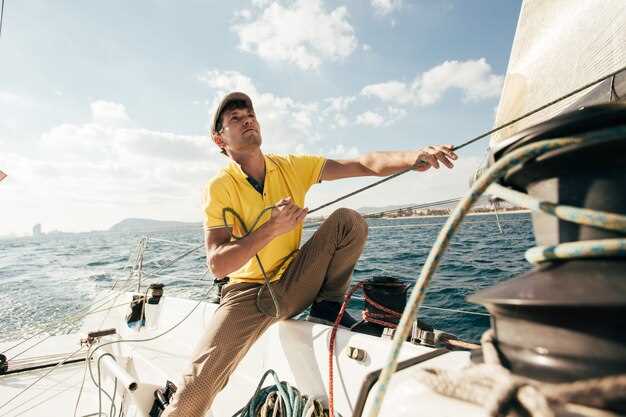
‘Luff’ refers to the act of bringing the sail closer to the wind, causing it to “flap” instead of catching the breeze properly. This maneuver can occur when trim adjustments are made to manage the sail’s angle to maximize propulsion.
When a sail luffs, it loses efficiency and can become less secure, impacting the vessel’s speed and maneuverability. Properly adjusting sails is crucial for getting the best performance, especially in challenging weather conditions like a storm.
In sailing, understanding how the luff affects your spinnaker is important. A clean, well-trimmed spinnaker helps maintain a steady flow of air around it, while a luffing sail may indicate you’re pointing too close to the wind.
It’s essential to comply with optimal sail configurations to prevent getting adrift in deep waters. A well-rigged bowline can keep the sail in position, reducing the chances of accidental luffing.
Regular cleaning and maintenance of sails, including checking for zinc or other materials on the cover, can ensure longevity and performance. Wooden boats often have specialized areas where luffing might apply differently due to their unique design and characteristics.
Understanding the relationship between luffing and sail angles allows sailors to fine-tune their approach while chartering, ensuring they navigate the waters effectively and safely.
How to Use ‘Leeward’ in Navigational Contexts
When determining your position on the water, the term ‘leeward’ is crucial. It designates the direction away from the wind, providing essential information for safe maneuvering. Keep your vessel oriented with the headsail trimmed properly, as this reduces the risk of capsizing in strong winds.
Use floating markers, such as buoys, to help identify leeward areas. These objects serve as reliable references for locating safe anchorage, especially in conditions where visibility may be compromised. Their positions often indicate the leeward side of navigational hazards.
In navigation, reducing error in your bearings is vital. When determining leeward direction, correctly figure the wind’s position relative to your boat. This aids in adjusting cordage and sail configurations to increase stability.
Remember that currents can affect your location in leeward areas. Being driven off course by external forces means you need to frequently check your bearings against fixed objects or portable navigational aids.
In summary, understanding the concept of leeward helps you make informed decisions while on the water, ensuring a safer and more controlled experience. Minimize risk with careful planning and attention to your surroundings in this context.
The Importance of ‘Latitude’ in Chart Reading
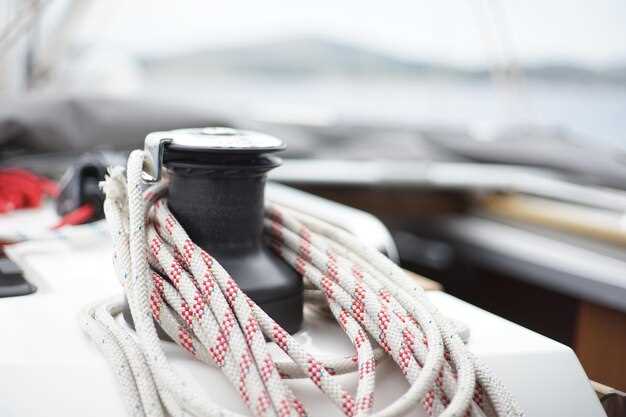
Understanding latitude plays a critical role in successful chart reading. Hatches that expose the helmsman to open air can also be the vantage point for observing landmarks along the shore, aiding in precise navigation.
Latitude determines the position of watercraft in relation to the equator and helps in identifying navigable paths. It allows crew members to communicate effectively about the ship’s location, especially in rough waters where obstacles and reefs may cause unexpected challenges.
When plotting a course, it is vital to have accurate latitude readings. Fathom calculations, which measure water depth, become more meaningful when layered with latitude data, providing a complete view of the marine environment. This knowledge helps in avoiding areas that lack adequate depth and safe structure.
Pulling into a moor or anchoring will often rely on understanding where you are in terms of latitude. Choosing a green area near the coastline can be beneficial for swift departures. With accurate readings, crews can fill sails more confidently, enhancing speed while avoiding potential hazards.
In practice, remembering the concept of the chine–where the hull meets the waterline–can assist in understanding how latitude affects your vessel’s behavior on the water. The angle of approach may require adjustments based on the latitude, especially when coming close to islands or shorelines.
Replacement of navigational tools requires precise latitude coordination, as it impacts the overall journey’s success. With every recalibration, crew members must rely on consistent latitude readings to maintain accuracy in their charting endeavors.
Definizione di ‘Lifeline’ e il suo ruolo nella sicurezza
Una lifeline è una struttura critica su un'imbarcazione, che fornisce un sistema di supporto di sicurezza che può salvare vite. Si fissa saldamente alle falchette dell'imbarcazione, creando una barriera che aiuta a impedire alle persone di cadere in mare in condizioni difficili.
Queste linee sono realizzate tipicamente con materiali resistenti in grado di sopportare venti forti e l'usura del mare. La forma della lifeline crea una linea continua attorno al perimetro del ponte, aggiungendo un ulteriore livello di sicurezza quando si naviga in acque difficili.
È fondamentale ispezionare regolarmente le linee di sicurezza per individuare eventuali segni di usura che potrebbero comprometterne l'integrità. Assicurarsi che tutti gli attacchi siano saldi e che non vi siano sfilacciature o punti deboli. Inoltre, le linee di sicurezza devono essere compatibili con altre attrezzature di sicurezza come imbracature e progettate per funzionare in combinazione con scale di sicurezza e svuotatori, facilitando le operazioni di recupero in caso di deriva di una persona.
Inoltre, considerate il posizionamento dei boccaporti e dei punti di accesso. Le lifeline posizionate correttamente possono supportare il movimento sicuro all'interno dell'imbarcazione, riducendo al minimo il rischio di caduta fuoribordo. La conoscenza di come queste linee funzionano con la struttura complessiva dell'imbarcazione aumenta la sicurezza nella navigazione.
Infine, è bene sapere che le lifeline aumentano la sicurezza sia per l'equipaggio che per i passeggeri. Sono più che semplici cavi; sono una componente fondamentale della sicurezza marittima e svolgono un ruolo cruciale in qualsiasi viaggio.
Riconoscere il ‘Filo di Piombo’ per la Misurazione della Profondità
Per misurare accuratamente la profondità dell'acqua, utilizzare una scandaglio a mano, dotato di un peso all'estremità, chiamato “piombo”. Innanzitutto, fatelo cadere dal lato della barca, lasciandolo affondare. Assicurarsi che la cima sia abbastanza lunga da raggiungere il fondo. Durante la discesa, osservare eventuali resistenze o arresti improvvisi; questo indica che ha raggiunto la superficie sopra le strutture sommerse.
Usa marcature lungo la lenza, spesso distanziate a lunghezze specifiche, per valutare la profondità. Presta particolare attenzione ai cambiamenti di profondità quando ti avvicini a un molo, poiché il fondale può essere irregolare. Controlla la consistenza del fondale; materiali diversi, come fango o sabbia, influenzano il modo in cui si muove la lenza.
Scegliere gli accessori giusti è fondamentale. Considera di fissare anodi per prevenire la corrosione se la linea è esposta all'acqua salata. Se la profondità sembra limitata, verificala confrontandola con le carte per potenziali paludi o pericoli di affondamento. Comunica sempre con il capitano per garantire un ormeggio corretto ed evitare il ribaltamento.
Utilizzare costantemente termini come “cima di scandaglio” per favorire una migliore comprensione tra i membri dell'equipaggio. Tenere traccia di queste misurazioni aiuta nella pianificazione delle rotte, soprattutto quando si utilizzano vele più grandi come lo spinnaker, che richiedono più spazio e un'attenta navigazione attorno agli ostacoli. Una mano ferma, insieme a un controllo regolare della cima di scandaglio, garantisce la sicurezza durante l'accesso a acque più profonde.
Esercitati a usare regolarmente la sagola di scandaglio. Familiarizzare con la sua lunghezza e i suoi segni migliorerà la tua capacità di valutare la profondità e riconoscere quando è il momento di avvicinarsi alle aree meno profonde può prevenire incidenti. Rendila parte integrante della tua routine quando sei in acqua.