


 Italiano
  English (UK)
  Русский
  العربية
  日本語
日本語  한국어
한국어  Magyar
  Türkçe
  Español
  Čeština
  Svenska
  Português
  Ελληνικά
  Suomi
Suomi  Nederlands
  Română
  Français
  Polski
  Українська
  Deutsch
  简体中文
简体中文  Slovenčina
  10 Green Practices for Recreational Boaters – Eco-Friendly Boating Tips">

Scegli un'opzione di propulsione efficiente nei consumi e riduci al minimo i tempi di inattività per diminuire il consumo di carburante fino al 30% nei viaggi brevi. Un fuoribordo o un entrofuoribordo con iniezione elettronica moderna, un'elica ad alta efficienza e uno scafo ben regolato offre una migliore resa chilometrica a velocità di crociera di 15-20 nodi. Pianificate le rotte in modo da planare invece di stare al minimo in banchina e navigate a vela quando è sicuro per ridurre i giri. Questa mossa pratica è un chiaro primo passo che consente di risparmiare denaro e ridurre le emissioni per chi è a bordo.
Presta attenzione ai rifiuti a bordo e ai prodotti per la pulizia. Prepara un sacco per i rifiuti dedicato a ogni persona e porta con te abbastanza sacchi extra per il ritorno. Utilizza detergenti reef-safe e senza fosfati e lava l'attrezzatura lontano dalla costa per evitare che le acque grigie si concentrino vicino agli habitat sensibili. Sciacqua gli stracci in un contenitore e portali a terra per smaltirli correttamente. Risorse come stockadobecom contengono checklist che puoi stampare prima di un viaggio; puoi anche utilizzare un link alle norme portuali locali e agli eventi di luglio per rimanere in linea con gli sforzi della comunità.
Ancorare e ormeggiare in modo rispettoso dell'ambiente. Quando possibile, utilizzare ormeggi designati anziché ancoraggi sul fondale, posizionati lontano da praterie di fanerogame marine e banchi di corallo, e mantenere una distanza di sicurezza di almeno 30-50 metri dalle zone sensibili; monitorare il moto ondoso per evitare di arare il fondale. Se si deve ancorare, scegliere una zona sabbiosa e utilizzare un'ancora Danforth o ad aratro con un rapporto calumo/profondità di 7:1 per resistere al vento e alla corrente, non con la forza bruta. Questo approccio limita la risospensione dei sedimenti e protegge la vita lungo i campi portuali.
Energia pulita a bordo. Installa pannelli solari da 100–200 watt sul bimini del pozzetto per compensare l'illuminazione e l'elettronica; utilizza LED efficienti e strategie di gestione della batteria per prolungare una gita nel fine settimana. Una semplice regola pratica: se hai bisogno di più del 50% dell'illuminazione dell'imbarcazione dopo il tramonto, aggiorna il banco batterie e aggiungi pannelli portatili. Questo approccio riduce l'uso del generatore e supporta l'affidabilità a lungo termine per l'operatore durante i viaggi vicino agli ecosistemi costieri.
Esegui la manutenzione del motore e delle apparecchiature per prevenire perdite. Controlla che i tubi del carburante non presentino crepe, sostituisci i tubi flessibili vecchi e utilizza un separatore di carburante per evitare che il carburante contamini l'acqua di sentina. Tieni a bordo una vaschetta di raccolta di riserva per raccogliere rapidamente le fuoriuscite e conserva l'olio usato fino a quando non raggiungi le strutture adeguate. Mantenere pulito il vano motore aiuta a mantenere pulita l'acqua vicino al porto e protegge i campi di vita lungo la costa.
Condividi ciò che impari con altri diportisti. Un rapido briefing per il tuo equipaggio, specialmente per chi è nuovo alla nautica ecologica, incoraggia scelte consapevoli. Unisciti a iniziative locali samboat raduni o tour guidati da operatori presso il tuo port e events per conoscere le regole locali e le migliori pratiche. L'amore per l'acqua cresce quando le persone collaborano per proteggere la risorsa al centro di ogni viaggio, vicino a porti trafficati e insenature tranquille.
Tieni a bordo una semplice checklist per ricordarti i passaggi pratici: mindful spreco, link alle linee guida locali e mantieni una resource elenco per una consultazione rapida. L'obiettivo è rendere la nautica ecologica una routine, non un ripensamento, e garantire che ogni port visite e gite scolastiche rimangano pulite per le generazioni future. Luglio e altri events offrono l'opportunità di imparare di più e di entrare in contatto con altri amanti della nautica che condividono le stesse passioni. love per l'acqua.
Azioni pratiche ed eco-compatibili per una navigazione sostenibile in acqua
Porta con te una borraccia riutilizzabile e riempi la bottiglia dai rubinetti a terra, evita la plastica monouso e non gettare rifiuti in mare; questa semplice abitudine riduce i rifiuti e protegge le acque costiere utilizzate da chi pratica snorkeling, pesca e dai visitatori dei resort, come i turisti giornalieri delle città vicine.
Pianifica la propulsione per l'efficienza: naviga alla velocità minima possibile, mantieni pulita la carena per ridurre la resistenza e ispeziona i serbatoi del carburante per individuare eventuali perdite; rifornisci solo presso stazioni di servizio affidabili per ridurre al minimo il consumo di carburante e le emissioni.
Sfruttare i pannelli solari o un piccolo generatore eolico consente di tenere in funzione i dispositivi elettronici senza dover tenere acceso il motore principale al minimo; a luglio, quando la luce solare è abbondante, questo approccio funziona meglio per le calette costiere e i viaggi internazionali.
La gestione dei rifiuti mantiene pulite le baie: conserva tutti i rifiuti in sacchi sigillati, trasferiscili nei contenitori per l'immondizia o il riciclaggio della marina e conserva le acque grigie nei serbatoi di bordo finché non raggiungi strutture adeguate; il modo più semplice per ridurre le emissioni è alimentare l'elettronica essenziale con l'energia solare e utilizzare sempre le docce a terra per la pulizia piuttosto che lavare in mare per evitare di contaminare l'acqua.
La cura personale è importante: usa creme solari sicure per la barriera corallina e sapone biodegradabile; risciacqua i piatti con il minimo di detersivo; non versare mai oli o solventi nell'acqua; questi accorgimenti riducono gli effetti dannosi sulla vita marina e mantengono le zone di pesca sane.
Galateo per la fauna selvatica e la pesca: mantieni le distanze da uccelli marini, tartarughe e delfini; rispetta le normative locali sulla pesca; smaltisci correttamente lenze e ami per prevenire danni; scegli attrezzatura biodegradabile per minimizzare l'impatto duraturo ed evita di disperdere rifiuti.
Partecipa a eventi di pulizia in acqua organizzati da porti turistici o club internazionali per massimizzare l'impatto; porta con te un sacchetto di carta per raccogliere i detriti e condividi consigli con gli altri a bordo della tua imbarcazione; la guida Wolfe evidenzia questo approccio per formare equipaggi responsabili; se hai acquistato attrezzatura, verifica che sia sicura per la barriera corallina e offri consigli pratici a chi si unirà la prossima volta; i piccoli passi che compi oggi fanno la differenza negli anni.
Tieni traccia dei tuoi progressi con un semplice registro: annota il consumo di carburante, i rifiuti evitati e i giorni trascorsi con energia pulita; questo ti aiuta a diventare più efficiente e motiva l'equipaggio e gli ospiti a continuare a proteggere l'acqua anno dopo anno.
Ridurre il consumo di carburante; ridurre al minimo il minimo del motore
Spegni il motore quando sei fermo per più di un minuto e affidati al vento, alla corrente o alle ancore per mantenere la posizione. Utilizza l'alimentazione da terra o i banchi di batterie per far funzionare i sistemi critici invece di lasciare il motore principale al minimo. Questo cambiamento ridurrà il consumo di carburante, diminuirà le emissioni e proteggerà i preziosi ecosistemi intorno ai porti trafficati.
- Organizza noleggi per ridurre al minimo i tempi di transito e le ore di inattività. Crea rotte all'interno di aree marine protette e finestre di vento, mantieni una velocità bassa e usa lo stesso approccio per l'intera flotta; per le flotte più grandi, questo può far risparmiare tonnellate di carburante e denaro ogni stagione.
- Ancorare quando sicuro per evitare l'uso dei propulsori; questo protegge gli habitat sottomarini ed evita che sostanze chimiche finiscano in acqua. Un sistema di ancoraggio richiede meno carburante e riduce l'usura del motore per l'operatore e l'equipaggio.
- Quando sei nei porti di partenza o nei porti turistici con alimentazione da terra, collegati e utilizza refrigerazione, caricabatterie ed elettronica con l'alimentazione da terra invece di tenere il motore acceso. Ciò comporta un risparmio immediato di carburante e cicli di manutenzione più brevi.
- Mantenere puliti i serbatoi e i sistemi di alimentazione: utilizzare carburante di alta qualità, sostituire i filtri ed evitare carburante contaminato che causa un funzionamento irregolare al minimo. Una combustione pulita significa meno fermi per la manutenzione dei motori acquistati per affidabilità e longevità.
- Utilizza l'attracco lento e le manovre assistite dal vento, ove possibile. Questo riduce i giri, diminuisce il consumo di carburante e ti aiuta a evitare inutili periodi di inattività durante la gestione delle cime. Gli altri nello stesso porto turistico noteranno subito la differenza; lo noterai anche tu.
- Installa uno spegnimento automatico al minimo o un limitatore di giri; in questo modo non si deve più indovinare quando il motore deve rimanere in funzione. L'operatore afferma che le impostazioni ripagano in termini di carburante risparmiato e riduzione del rumore nelle case vicine.
- Monitora i tuoi serbatoi e il consumo di carburante con semplici indicatori o app; questo articolo suggerisce di registrare le ore di inattività e confrontare i risultati prima/dopo. Gli stessi dati aiutano gli equipaggi degli charter a pianificare meglio e a monitorare i progressi nel corso delle stagioni.
- Scegliere soluzioni di provenienza locale per sostituire i brevi spostamenti in città con il trasporto terrestre quando fattibile; ad esempio, alcune flotte hanno acquistato rimorchiatori elettrici o piccoli caricabatterie elettrici per ridurre al minimo l'uso del motore in acqua. Ciò riduce i carichi sui motori più grandi e supporta le economie locali.
- Utilizza elementi visivi da stockadobecom per illustrare le migliori pratiche per l'ormeggio, l'uso del vento e l'ancoraggio; l'iconografia aiuta gli equipaggi ad applicare le stesse procedure su ogni imbarcazione.
- Comunicazione: stabilire aspettative chiare da parte dell'equipaggio e dei clienti; ad esempio, se si vuole ridurre il consumo di carburante, condividere gli stessi obiettivi e monitorare i risultati con report settimanali. L'articolo delinea esempi di come i piani si concretizzano e di come le compagnie di charter possono coordinarsi per ridurre il minimo al minimo in tutte le flotte.
Concentrandosi sulla pianificazione, mantenendo la posizione con ancore e vento e utilizzando l'alimentazione da terra, gli operatori riducono il consumo di carburante su tonnellate di movimentazioni ogni stagione. L'approccio prevede piccoli passi ora; il vantaggio a lungo termine aiuta gli ecosistemi, riduce i costi e mantiene i porti di origine tranquilli per residenti e visitatori.
Pianifica rotte con venti e correnti favorevoli; naviga a RPM costanti
Pianifica rotte con venti e correnti favorevoli e naviga a RPM costanti per ridurre il consumo di carburante e le emissioni, proteggendo la qualità dell'acqua e la salute delle comunità portuali circostanti. Questa piccola, ma vitale abitudine avvantaggia i diportisti abituali e potrebbe anche migliorare le prestazioni durante le regate.
- Routing basato sulle previsioni: verifica le previsioni di vento e corrente ogni 6–12 ore, quindi scegli un percorso che utilizzi un angolo di vento favorevole e una corrente costante; attorno a secche o isole, segui i canali in cui la corrente aumenta la velocità invece di combattere i venti contrari; pubblica il percorso e i risultati sul tuo sito per creare un collegamento dati pratico per gli altri.
- Pratica di RPM costante: impostare un RPM costante che mantenga la velocità stabile e riduca i picchi di coppia; anche se il vento e il carico cambiano, regolare assetto e zavorra per mantenere lo stesso ritmo; registrare i galloni orari a quel RPM per identificare la banda più efficiente per la vostra imbarcazione e il carico; questo approccio aiuta a ridurre il consumo di combustibili fossili e mantiene il motore in buono stato.
- Ottimizzazione basata sui dati: registra i dati di ogni tratta (RPM, velocità, distanza, carburante, meteo) e calcola miglia per gallone e litri per miglio nautico; dati sufficienti ti consentono di confrontare le rotte e scegliere quella più efficiente per le crociere future e le brevi tratte.
- Abitudini plastic-free e di minimizzazione dei rifiuti: non disperdere plastica nei parchi; porta con te attrezzatura senza plastica; porta borracce e tazze riutilizzabili; non fare affidamento sui bicchieri usa e getta; conserva i rifiuti in un contenitore compatto e smaltiscili al molo o alla struttura costiera successiva; evita le plastiche che potrebbero finire in acqua e danneggiare la fauna selvatica; ci sono pescherecci nelle vicinanze? mantieni le distanze e comunica per evitare conflitti.
- Salute e sicurezza in acqua: mantieni una velocità comoda, sicura e a bassa scia quando sei vicino alle rive o ai moli; questo riduce le emissioni nocive e protegge la salute delle persone e della fauna selvatica; lo stesso approccio riduce al minimo anche il rumore che disturba la fauna selvatica durante una regata o un tranquillo pomeriggio di navigazione.
- Coinvolgimento dell'equipaggio: discutere idee sugli itinerari e piani di velocità con i tuoi capisquadra porta a decisioni migliori, apportando piccoli miglioramenti; un link rapido per condividere il piano potrebbe aiutare tutti a partecipare; partecipa attivamente e considera le preferenze del piccolo equipaggio durante i lunghi tragitti; mantieni l'equipaggio ben informato per allinearsi su obiettivi comuni.
Usa detergenti sicuri per l'ambiente marino; adotta rivestimenti atossici
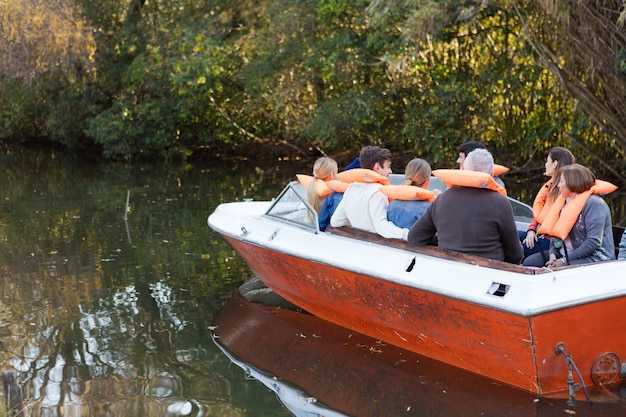
Scegli detergenti sicuri per l'ambiente marino e rivestimenti atossici per tutta la manutenzione della tua imbarcazione, mantenendo puliti ponti e scafi. Questo approccio riduce al minimo gli inquinanti che entrano in acqua, protegge le barriere coralline e le coste e supporta gli standard portuali e internazionali per oceani più puliti.
Prima di ogni operazione di pulizia, verifica che i prodotti siano adatti all'ambiente marino, preferisci formule a base biologica e controlla che non contengano fosfati o solventi che persistono nell'acqua. Utilizza una stazione di risciacquo sul ponte o su una piattaforma dedicata per evitare che il deflusso raggiunga il mare.
Rivestimenti: selezionare opzioni non tossiche e a basso contenuto di VOC progettate per scafi e ponti. Applicare con strumenti puliti, seguire le linee guida del produttore e programmare la ri-verniciatura durante la manutenzione a terra nei porti di scalo. Attraverso questa piattaforma, gli equipaggi a bordo possono condividere un programma che mantiene lo scafo liscio e riduce la resistenza e il consumo di carburante.
Ruoli e responsabilità: il direttore approva l'approvvigionamento e la formazione, l'operatore coordina i compiti in acqua e un marinaio e altri vivono a bordo seguendo la routine. Prima di lasciare un porto, assicurarsi che tutti i rifiuti e i contenitori siano ben fissati; fornire delle linee guida per lo smaltimento.
Impatto sulla flotta e le comunità costiere: detergenti più ecologici riducono gli impatti internazionali, diminuiscono l'inquinamento vicino alle barriere coralline e si allineano alle normative per le competizioni e il charter. Un semplice cambiamento nelle routine di pulizia comporta minori emissioni e meno rifiuti legati alla pulizia; questo protegge le risorse e mantiene un buon rapporto con le autorità portuali.
Charter per vacanze: quando un'imbarcazione ospita passeggeri in un itinerario da costa a costa, l'operatore deve fornire formazione a bordo, mostrare dimostrazioni dal vivo e sottolineare la manipolazione sicura di detergenti e rivestimenti. Il risultato è un'esperienza più sicura e pulita per gli ospiti e una vacanza più sostenibile.
Riduci al minimo gli sprechi a bordo; riporta a valle i rifiuti
Riporre i rifiuti in un sacco sigillato e portarli a terra per smaltirli.
Passa a borracce riutilizzabili e a un thermos in acciaio per le bevande; evita le plastiche monouso che si accumulano sul ponte e risciacqua i contenitori dopo averli riempiti per ridurre gli odori.
Includi un semplice piano di gestione dei rifiuti nella tua checklist pre-partenza; etichetta i contenitori per bottiglie, plastica, organico e rifiuti indifferenziati e assegna a un membro dell'equipaggio il compito di raccogliere la spazzatura a intervalli regolari.
Prima di raccogliere la spazzatura, metti in sicurezza gli oggetti per evitare che si spostino; conserva i rifiuti nel sacco apposito sotto coperta fino a quando non raggiungi le strutture a terra.
Rispetta le regole del porto turistico e le linee guida locali; alcuni porti richiedono che i rifiuti rimangano a bordo finché non si raggiunge una struttura a terra.
I tempi in mare richiedono disciplina; pubblica un post rapido con immagini e suggerimenti su stockadobecom per coinvolgere partner universitari e club velici.
La leadership degli yachtwoman può coordinarsi con l'equipaggio e gli ospiti; alternare i compiti per mantenere il ponte in ordine e fare in modo che il processo sia inclusivo.
Durante le visite alle Seychelles in luglio, porta con te delle buste richiudibili extra per esche e attrezzatura da pesca; tieni le lenze assicurate e pianifica l'utilizzo dei sistemi di smaltimento dei rifiuti portuali.
Iniziare una routine oggi riduce gli sprechi; imposta controlli giornalieri e tieni un registro che altri potranno seguire nei viaggi futuri.
Una movimentazione lenta, uno stivaggio attento e uno smistamento ponderato proteggono il ponte e la fauna selvatica; questo approccio molto pratico fa una grande differenza a bordo.
| Action | Passo pratico | Note |
| Sigillare e conservare i rifiuti | Imballare in sacchetti sigillati | Tenere lontano dal calore; smaltire a terra |
| Contenitori riutilizzabili | Bottiglie e borracce per bevande | Ricarica regolarmente; evita l'usa e getta |
| Etichettatura dei contenitori | Etichettare i contenitori sul ponte | Separa bottiglie, plastica, organico |
| Pianificazione dello smaltimento | Stockadobecom post; condividi con altri | Seguire le normative locali in ogni porto |
Gestisci l'acqua di sentina e le fuoriuscite; tieni a portata di mano i kit di emergenza per sversamenti.
Tenere un kit di pronto intervento per sversamenti a portata di mano e addestrare ogni membro dell'equipaggio a usarlo immediatamente se l'acqua di sentina mostra diesel, olio o altri idrocarburi. Scegliere un kit che includa tamponi per solo olio, assorbenti universali, salsicciotti assorbenti, sacchi per lo smaltimento e una piccola paletta per la pulizia. Posizionarlo in un luogo chiaramente contrassegnato e in piano vicino alla pompa di sentina e alla postazione dell'operatore, situato sul ponte principale o in un gavone facile da raggiungere anche in condizioni di mare mosso. Esaminare le opzioni e selezionare quella più adatta alle dimensioni della propria imbarcazione. Questa ottima configurazione protegge la qualità dell'acqua e riduce l'esposizione per l'equipaggio, custodi del mare.
Prevenire che gli sversamenti entrino in acqua dirottando la sentina attraverso un separatore certificato e utilizzando una pompa a circuito chiuso. Non scaricare mai sentina oleosa fuoribordo in zone vietate; la guardia costiera raccomanda di seguire le linee guida MARPOL e le normative locali. Proteggere la qualità dell'acqua richiede la partecipazione di tutti a bordo, dall'operatore agli ospiti, sia in un charter home port che in una gita giornaliera in barca. Non è un'opzione; fa parte dell'essere un amministratore responsabile. Creare un semplice piano di risposta alle fuoriuscite e provarlo trimestralmente; nei porti greci, il personale portuale si aspetta che gli equipaggi gestiscano rapidamente le fuoriuscite. Considerare un piano di riserva per le perdite di gasolio e per i guasti delle pompe di sentina in modo da poter prevenire rilasci maggiori. Le sanzioni passate evitate grazie a una rapida pulizia dimostrano il valore di questo approccio.
La scelta dei materiali è importante: scegli assorbenti e manichette oil-only che mirano agli idrocarburi, mantenendo basso l'assorbimento di acqua. Conserva i kit in contenitori resistenti alle intemperie e ruota le scorte ogni sei mesi per evitare prestazioni ridotte. Le opzioni variano dai kit compatti per piccole imbarcazioni ausiliarie ai kit di dimensioni standard per imbarcazioni charter; posiziona delle scorte di riserva nella sala macchine in modo che le opzioni rimangano accessibili. Gli equipaggi devono partecipare a esercitazioni mensili e fare pratica con il contenimento e la pulizia utilizzando il piano creato. Per la pulizia del ponte nelle giornate soleggiate, tieni a disposizione creme solari per proteggere la pelle. La riduzione delle fuoriuscite protegge l'ambiente e riduce l'impronta di carbonio del viaggio.