


 Magyar
  English (UK)
  Русский
  العربية
  日本語
日本語  한국어
한국어  Türkçe
  Español
  Čeština
  Svenska
  Português
  Ελληνικά
  Suomi
Suomi  Nederlands
  Română
  Italiano
  Français
  Polski
  Українська
  Deutsch
  简体中文
简体中文  Slovenčina
 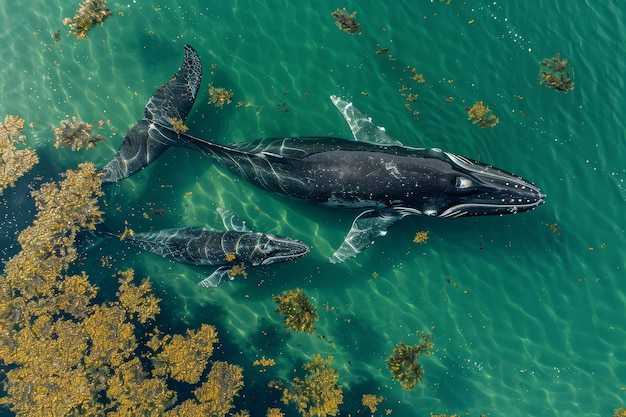 Where to Go for the Best Whale Watching in Los Angeles – Top Spots & Tips">

Begin with a sunrise boarding from Santa Monica or Long Beach; this choice yields most encounters with spotted animals along California coast. Aboard a six to eight passenger craft, select licensed operators and review guidelines before sailing. Families seeking a calm experience can choose private charters offering kind, predictable routes while respecting wildlife etiquette.
Areas along southern California offer reliable chances to see groups of these animals, with feeding displays and tail slaps occasionally spotted. Following months bring upwelling that concentrates prey near surface, boosting encounters. Such reports help plan optimális windows, especially with excursions starting at dawn or late afternoon. About wind and sea state, captains adjust routes. Ticket prices typically range from $40 to $110, depending on duration and operator.
On board, listen to crew instructions, maintain quiet voices, and avoid feeding animals; this aligns with guidelines that protect earth habitats. Expect constant observations, including breaching, tail displays, and flukes, which provide encounters that many travelers remember. If a schedule allows, combine ocean sessions with nearby sportfishing outings, a practical option for families seeking a multi-area day aboard a single charter.
Following advice helps maximize experience while minimizing stress on animals. An optimális plan includes flexible timing, weather checks, and an understanding of ends of migration season, with planning near late March through April delivering strong opportunities in areas around southern California. Things such as tail displays and spotted fins give vivid memories for families and seasoned travelers alike, so keep a journal and share observations playfully with crew. A ticket can be reserved through licensed operators, with such options noted clearly on pages.
LA Whale Watching Guide: Best Spots, Tips, and Dolphin Sightings
Recommendation: Book dawn Dana Point Harbor departures, a 2.5-hour ride, price around $65–75, secure front-row view to witness surface moments and occasional dives.
Other prime bases include Newport Beach, Long Beach, Avalon, Redondo Beach; each yields distinct vantage points and seasonal windows.
Prices range: adult tickets usually $60–$90; family and senior discounts may apply; durations run 2–3 hours; common departure times include 9:00–11:00, 12:30–2:30; other animal life such as seals or sea lions may surface nearby.
Key considerations to maximize life experiences: pick an operator offering calm morning departures for steady surface activity–more dolphins and occasional dives; Pedro and Barbara report love when pods surface near front-row view; indoor cabins keep guests comfy during windier legs; capture moments with waterproof cameras for larger memories; annual migrations are a natural process that shifts species mix, so note which days deliver peak surface action.
Packing list and safety: layered clothing, hat, sunscreen, binoculars optional, waterproof case on devices; bring water; avoid heavy gear; adult passengers should confirm price and itinerary; many boats offer life jackets; check accessibility options; plan return to harbor to gain additional experiences.
Dolphin sightings occur throughout year; pods ride bow waves, skim surface, and may breach; occasional groups surface over minutes, creating moments that invite witness and shared memories; Pedro shares a childhood dream of annual life experiences; Barbara notes indoor comfort changes how long families stay on deck; bringing a camera supports capturing moments and increasing lifetimes of memories.
Best whale-watching boats and shoreline viewing spots near LA
Recommendation: Reserve a dawn charter from Dana Point for reliable sightings. Ticket prices commonly range from $40 to $75; season runs year-round, with peaks for cetacean activity during winter to spring. Bottlenose dolphins commonly accompany vessels; orcas are possible. Expect dorsal fins, spout, and blows. Squid schools attract action. Access is easy from harbor parking; guides provide listen-to-safety briefings; families welcome; everyone should bring layers for temperature shifts. Guides said sightings vary by season. Difference between species becomes more apparent with licensed guides. And access points along southern CA coast expand options for everyone.
Other reliable options along Southern California coast include Long Beach harbor cruises and Newport Beach area charters. Typical durations 2 hours; passenger capacity around 100; ticket prices around $35–60; season varies; orca sightings possible in winter through spring; check schedule ahead, especially on weekends.
Shoreline viewing spots
- Point Vicente Interpretive Center, Palos Verdes Peninsula: elevated overlook with ocean-wide panorama; optimal light early morning; watch for dorsal fins, spout, and blow; orcas and bottlenose dolphins commonly appear in winter through spring; water temperature around 58–68°F; access via paved path and parking; restrooms nearby; bring jackets; keep distance from edge.
- El Matador Beach, Malibu: bluff-top vantage with rugged coastline; sunrise angles maximize visibility; keep distance from wildlife; access via stairs; parking limited; stay on designated paths.
- Griffith Observatory overlook: inland vantage offering broad reach across urban coastline; check marine activity forecasts; listen for updates from park rangers; views meaningful when seas calm.
- Santa Monica Pier and Palisades Vista: bluff-top and shoreline outlooks; morning windows yield clearer visibility; watch for dorsal fins in far distance; access via parking lots; families can spread out on benches.
- Terranea Point and Terranea Cove, Palos Verdes: cliff-top viewpoints with sea breeze; morning light provides good views; watch for white spray from blows; access via Terranea Resort parking; signage guides safe viewing.
- Malibu Pier and nearby beaches (Surfrider, Zuma): long-distance perspectives along Pacific Coast Highway; access via parking; quiet mornings typically yield clearer visibility.
Guidelines for watchers
- Listen to crew instructions and respect wildlife guidelines; maintain distance between animal and vessel or shoreline watchers.
- Never chase or block movement; never feed; never throw objects; never attempt to touch animals.
- Keep voices low, avoid sudden movements; secure loose items to prevent distraction.
- Sightings tend to increase during season transitions; morning hours often yield calmer seas; bring layers for shifting temperature; binoculars enhance detail.
- Access points remain open until sunset; if seas turn rough, cut trip short for safety.
Seasonal windows and migration patterns for Los Angeles whale watching
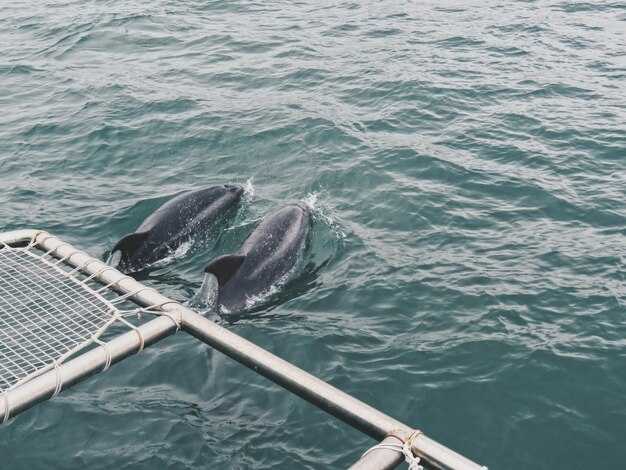
Morning rides aboard charboneau vessels deliver sharp sense of movement as giants surface; moments of breach glow under waking light. captain hensley guides aboard, highlighting signs of approach and keeping distance to let everyone feel rhythm of ocean.
A drive into harbor at dawn sets stage, calmer seas, clearer views; squid and dolphins easier to spot near breaking waves.
December–February: southbound gray whales parallel shore; dolphins often ride bow wakes, offering lively moments to watchers. A sign appears as blows rise beyond break, signaling long journeys just offshore.
March–May: northbound gray whales and humpbacks; following winds drive pods toward shallow waters; close views emerge
June–August: blue whales frequent offshore canyons; squid schools gather near shelf, attracting predators. Warmer temperature and longer daylight lift visibility, making lighting especially favorable for photographs.
September–November: autumn patterns shift; dolphins, humpbacks, and other giants roam along following currents. Beach crowds cluster at dawn; feeling of anticipation grows as feeding signs appear along kelp beds beyond shallows.
| Months | Migration pattern and sightings |
|---|---|
| Dec–Feb | Southbound gray whales near shore; dolphins riding bow wakes; sign of approach common; thousands pass within days |
| Mar–May | Northbound gray whales and humpbacks; following winds drive pods toward shallow waters; close views emerge |
| Jun–Aug | Blue whales and dolphins frequent outer shelf; squid feeding grounds attract predators; lighting and temperature favorable |
| Sep–Nov | Fall transitions; multiple species present; beach watchers report regular sightings; mornings yield clear blows |
What to bring, dress code, and packing tips for a comfortable trip
Layer smartly: a windproof jacket, a fleece, moisture-wicking tops, and quick-dry pants. This setup would adapt to chilly mornings, sunlit afternoons, and rolling seas.
Sun protection matters: broad-brim hat, polarized sunglasses, reef-safe sunscreen, and a long-sleeve UV shirt help prevent burn; bring a lightweight rain shell and have a plan.
Carry seasickness remedies, such as ginger chews or acupressure bands, to limit discomfort on longer hops from marina toward expanse; bring a small kit you prepared yourself, those moments help.
Footwear should be secure and non-slip; choose deck-friendly sandals or sneakers. Avoid open-toe options on slick catamaran steps.
Tech gear: waterproof bag, spare batteries, extra memory cards, plus a camera with telephoto lens; lighting at dawn and dusk yields dramatic color.
Wildlife cues: you may spot playful dolphins, females with calves, and tail slaps; krill and squid sometimes drift near surface.
Ticket price includes ranger guidance; december departures, sunday sails, season schedules vary; some operators also offer sportfishing add-ons.
Marina launch points may differ; arrive early to secure preferred seating on catamaran, check lighting conditions, and board promptly.
Smell cues matter: avoid strong scents from sunscreen or snacks near wildlife; clean hands, minimal perfume, and quiet voices generally help calmer observation.
itinerary tip: pack a compact map, a water bottle, snacks, spare layer, and a small daypack with quick-access essentials.
Seasonal notes: december light shifts fast; sunday morning rides offer an opportunity to photograph dolphins, krill swarms, and expanse beyond marina.
Backs and tails: keep distance, avoid chasing sightings, and respect backs turning away; this practice minimizes disturbance.
Packing hack: roll clothes, compress bags, and keep a daveys rain shell handy; this reduces bulk and preserves your comfort during a wild cruise.
Dolphin species commonly seen while whale watching in LA
Join morning coastal cruises from Marina del Rey or Santa Monica to boost viewing opportunity along LA coast.
Common bottlenose dolphins dominate sightings, generally forming shared pods of 5–30 individuals; largest groups may exceed 100 during tuna runs.
Grey bodies flash as they arc through spray; these curious animals often approach boats, creating intimate view moments.
Pacific white-sided dolphins appear sporadically but deliver intense view when offshore currents bring them into nearshore zones.
Risso’s dolphins travel in smaller pods; their grey bodies and distinctive scars mark them as giants of local waters, a majestic sight that leaves lasting memories.
Orca sightings are possible in seasons; knowing that orca incursions can occur adds lifetime memory potential.
To increase odds, join days with stable winds; such effort boosts total viewing success when seas cooperate. Then adjust expectations as wildlife varies.
Price varies by package; compare price options before booking. Secure booking helps; this approach ensures better chances. Indoor options exist, while deck viewing enhances scenery. Ensuring respectful distance improves results.
LA coast hosts a variety of species; this opportunity to see curious giants and common bottlenose dolphins creates a lifetime moment. Then plan visits across different days to maximize chances.
Safety, etiquette, and practical viewing tips to protect wildlife
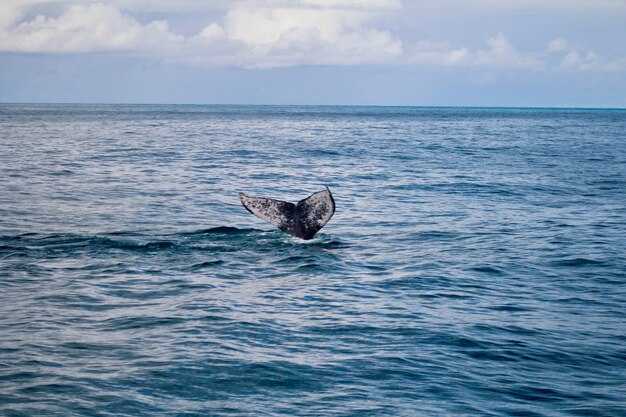
Begin with a responsible excursion that prioritizes wildlife safety. Keep engines off during near passes; maintain a distance at least 100 meters from cetaceans; never chase or block movement. Reduce speed in busy corridors; slow drift supports calm observations. Avoid a gulp of air by sudden movements; stay steady and minimize noise. Avoid capturing images by creeping closer; use long lenses from safe distance to photograph subjects. june, winter, and year-round patterns vary; plan around krill hotspots and known feeding windows to maximize respectful sightings.
Sign guidance near marina and beach viewing zones directs behavior. Access routes must stay clear; keep to marked paths to protect expanse. Minke sightings occur along west coast of california near marina pockets. Knowledgeable crews explain various signals indicating stress, helping guests choose actions that minimize disturbance. june reminders emphasize seasonality; adapt approach when crowds rise.
capturing by creeping closer makes wildlife retreat; prefer long lenses from safe distance to document subjects. minutes of calm offer a chance to observe breathing, tail slaps, and subtle movements that sharpen sense without intrusion. on deck, non-slip plates keep footing stable; minimize gear movement and avoid leaning over rails to protect access to water. access to viewing points should be limited to established zones, especially during year-round excursions.
Affordability varies; price plays a role, yet safety and stewardship come first. This world coast offers year-round opportunities; selecting mindful operators preserves access to sensitive areas while reducing stress. This approach saves habitat, supports sustainable practices, and creates lasting experiences for travelers seeking responsible encounters.