


 Magyar
  English (UK)
  Русский
  العربية
  日本語
日本語  한국어
한국어  Türkçe
  Español
  Čeština
  Svenska
  Português
  Ελληνικά
  Suomi
Suomi  Nederlands
  Română
  Italiano
  Français
  Polski
  Українська
  Deutsch
  简体中文
简体中文  Slovenčina
 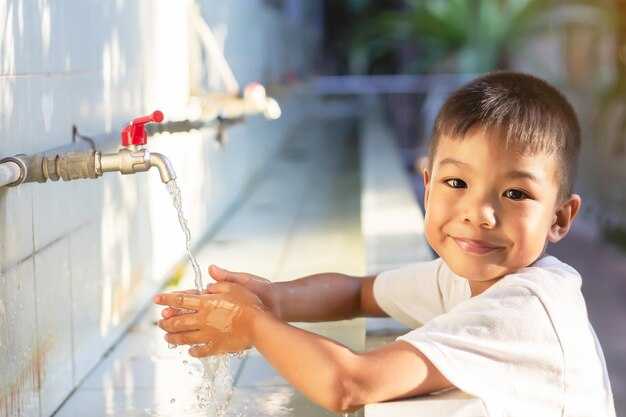 WaterSense for Kids – Easy Ways to Save Water at Home and School">

Fix leaks now to save water and money. A toilet that runs or a faucet that drips can waste up to 200 gallons a day, and a single leaky faucet can add about 3,000 gallons per year. Inspect the toilet flapper and the fill valve, replace worn washers, and seal joints to ensure leaks stay gone. If a toilet goes flushed continuously, check the flapper again and replace it if it won’t seal.
Choose water-efficient fixtures to create lasting savings at home. WaterSense-labeled faucet aerators, showerheads, and toilets cut flow to about 2.0 gallons per minute for faucets and 1.28 gallons per flush for toilets. A simple upgrade reduces water waste and helps achieve environmental gains at home and in school.
Make daily routines concrete: turn taps off while you brush your teeth, and show kids how much water goes down the drain when a faucet stays on. In two-minute showers with a water-efficient showerhead, you would save hundreds of gallons each month. Keep a notice to fix leaks and record the times when the toilet flushes to catch a failing flapper vagy valve early; if the toilet goes flushed, address immediately.
At home and in classrooms, create a simple learning table of tips to share with childrens and children. Each week, track waters used for baths, handwashing, and flushing; after a month, compare data to see if leaks are fixed and if habits improved. This makes the environmental payoff clear and motivates kids to take action.
By keeping leaks under control and choosing water-efficient options, you help the environmental health and set a better example for childrens who go to school every day. Youre voice matters at home and at school: you would lead a cleaner, greener space where every drop counts and waters stays where it belongs–in the sinks, not down the drain.
Practical Water-Saving Actions for Homes and Classrooms
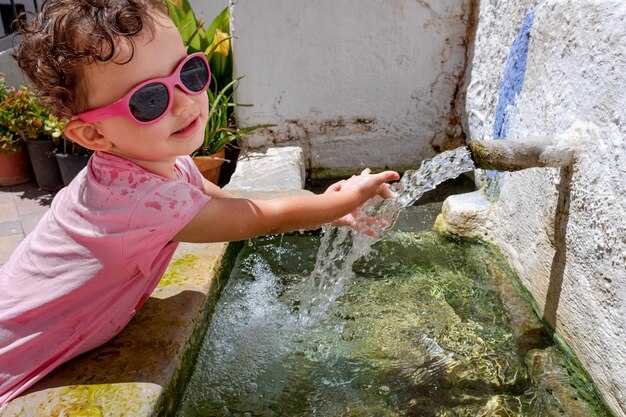
Fix every leak within 24 hours to save water in the house and in school. A faucet dripping at 1 drop per second wastes about 3 gallons (12 liters) per day, so quick repairs cut waste in minutes and protect local water supplies. Have your household and your school keep a simple leak-check sheet to catch issues early and maintain human survival, enough water for life and the ocean.
At home, apply these tips: limit showers to four minutes, turn taps off while brushing, and wash dishes with a basin instead of letting water run. Run full loads in washing machines, and install low-flow fixtures such as faucet aerators and dual-flush toilets. Collect rainwater for irrigation of the garden during the growing season, giving enough water for plants while reducing demand on the municipal supply. If you have a yard near the coast, choose drought-tolerant plants to minimize irrigation needs. Ask yourself to check taps before bed and after meals to catch leaks early.
In school life, make mindful, engaging steps part of the daily routine. For secondary students, run field activities on campus: compare irrigation needs in different beds, test soil moisture, and track how rainfall lowers water use. Use scoilnet as an educational hub for tips and ready-made modules. Some activities pair with play to keep attention high, like a quick 10-minute evaporation experiment or a water-hydration test. Encourage bikes on a field-trip day to connect movement with water awareness, and connect actions to ocean health and human life. Learn by doing with each activity to grow confidence in your own choices. Even small changes add up.
To keep momentum, set a stages plan: discovery, measurement, action, and reflection. Document progress in a shared chart, invite people to contribute ideas, and celebrate some wins after a few minutes of daily effort. In coming weeks, expand the program with more volunteers and growing student leadership to make water-saving a normal life habit in house and school life.
Install low-flow faucet aerators and compact toilets in homes and classrooms
Install low-flow faucet aerators and compact toilets in homes and classrooms to cut water use by 30–60% and save gallons monthly. These upgrades get the job done fast and turning everyday routines into responsibility for students and families.
- Choose WaterSense labeled aerators that run at about 0.5–1.0 gallons per minute (gpm) and compact toilets at 1.28 gpf or lower. This material supports reliable performance while conserving water and reducing treatment loads in the environment.
- Install tips: screw aerators firmly with a light hand tightening, use adapters where needed, and verify seal to prevent leaks. For toilets, select models with efficient flush volumes and test after installation to confirm consistent performance.
- Impact data: replacing older 3.5–7 gpf toilets with 1.28 gpf models saves 2.2–5.7 gallons per flush, while faucet aerators at 0.5–1.0 gpm can reduce flow by roughly 25–60% depending on usage. These numbers depend on how often sinks are used and how long taps stay open.
In homes and classrooms, these changes become part of daily routines. Youve got a chance to encourage students to see what happens when they turn off taps while washing hands and when they wait for a full flush before walking away. This creates a simple, visual way to conserve water and protect the environment.
- Activities to develop: calculate gallons saved per week, track full month totals, and compare before/after water bills. Some activities include keeping a visual chart that shows progress and impacts for each fixture.
- What to monitor: check aerator flow, flush performance, and any leaks. Depending on the material used, replace worn aerators or gaskets promptly to maintain gains.
- Engagement ideas: assign responsibility to students to document maintenance steps, record monthly savings, and present findings in a short report or poster. These tasks turn a simple upgrade into ongoing responsibility and hands-on learning.
Visual aids help everyone see the effect. Include a quick demo showing how a 0.5 gpm aerator still allows a comfortable rinse while cutting flow, and compare it to an older, higher-flow faucet. Some classrooms set up a small garden or school garden irrigation to illustrate how saving gallons supports the wider treatment process and preserves the environment for future months.
- Implementation checklists: confirm compatibility with fixtures, verify WaterSense labeling, and schedule a short maintenance window to install and test. Include parent volunteers or older students to assist with the turning of tasks into hands-on learning experiences.
- Long-term gains: with full adoption across homes and classrooms, the cumulative impacts reduce water demand, shorten the time the treatment system works to clean water, and create a culture of conservation that lasts beyond a single month.
- Closing reminder: these changes, including smaller fixtures and mindful usage, demonstrate how small decisions add up to substantial conservation–one classroom at a time, one home at a time.
Turn off taps while brushing teeth and washing hands; use a 2-minute timer
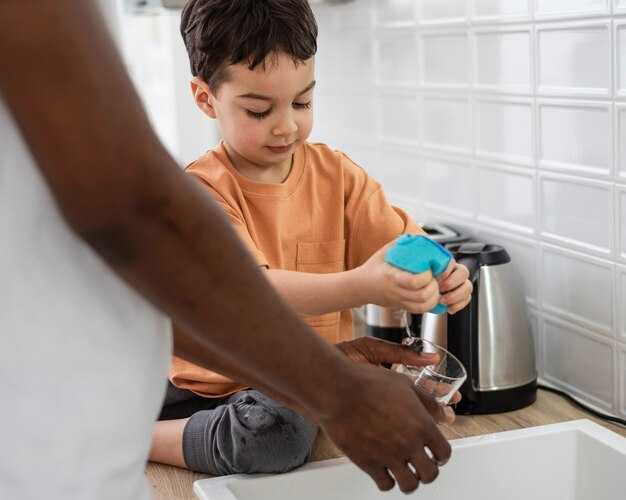
Turn taps off during brushing for two minutes and during handwashing. Set a 2-minute timer, then rinse with a cup. This practice reduces water use dramatically: brushing with taps on can use about 4.4 gallons per session, while keeping taps off for rinsing drops this to around 0.1 gallon.
In school and at home, students can apply this in gardening projects and daily routines. A water-efficient habit protects the planet and supports safe, environmental care. Flow rate for a typical faucet runs around 2.2 gallons per minute; cutting that to a drip while rinsing lowers usage and preserves the resource. For hair washing, wet briefly, lather, then rinse with a cup to minimize waste.
These steps create a little story that shows life with less waste. Use a filter pitcher for rinsing, or pour water from a jug for the final rinse to avoid excess flow. In projects and play, students learn about water cycles, needs, and responsible usage in everyday life.
| Activity | Typical flow (GPM) | Time (min) | Water used with taps ON (gal) | Water used with taps OFF (gal) |
|---|---|---|---|---|
| Brushing teeth | 2.2 | 2 | 4.4 | 0.1 |
| Handwashing | 2.2 | 0.33 | 0.73 | 0.07 |
These practices fit right into school routines, safe hair and skin care, and environmental education. They teach that every little action matters for the ocean, the area where gardening and play happen, and the full spectrum of life on the planet.
Run full loads for laundry and dishes to minimize water use
Run full loads for laundry and dishes. Fill the washer and dishwasher to capacity each cycle to cut water usage and keep energy costs down. Keep a simple table of loads to help you know when you have enough items to run a full cycle; youre organizing morning routines and school days, and this habit scales across home and classroom settings.
Concrete numbers you can rely on: laundry with a high-efficiency (HE) washer uses about 15-20 gallons per full load, while older standard washers may use 30-40 gallons. A modern Energy Star dishwasher uses roughly 3-4 gallons per cycle; hand-washing can use 8-20 gallons per load if you rinse under taps. Use cold water in most cycles to conserve water and energy; air-dry whenever possible to save more, and the amounts saved per week can be noticeable.
- Laundry
- Plan two or three outfits to fill two loads; morning and after-school routines help keep full loads without extra trips. Kids can sort colors and whites to avoid rewash.
- A legtöbb ciklushoz használjon hideg vizet; a meleg vagy forró vizet csak ritka esetekben tartsa fenn.
- Tartsatok fenn egy egyszerű szemetesrendszert a mosókonyhában, hogy kialakítsatok egy szokást, melyet a kanadai családotok követhet; ne hagyjátok ki a lehetőséget, hogy megtanítsátok a gyerekeket a vízhasználatról.
- Ételek
- A mosogatógépet csak akkor indítsa el, ha tele van; egy modern modell körülbelül 12-15 litert használ ciklusonként, míg a régebbi készülékek 23-45 litert is felemészthetnek. Ha kézzel mosogat, töltse meg a mosogatótálat, és abban mosogasson ahelyett, hogy folyatná a vizet.
- Inkább kapard az ételt a szemétbe, mint hogy előöblítsd a csap alatt; válassz eco vagy light programot, és hagyd a mosogatást levegőn megszáradni a vízmegtakarítás érdekében.
- Az osztálytermekben vagy otthon, a scoilnet tippek segíthetnek lekötni a gyerekeket; könnyen alkalmazhatók a reggeli iskolai játékra és a délutáni tevékenységekre.
- Szokások és követés
- Készítsünk egy egyszerű heti naplót, ami a teljes töltetekre összpontosít; ez a tevékenység iskolákban és otthonokban egyaránt működik, és segít a gyerekeknek átlátni a döntéseik hatását.
- Tartalmazzon spanyol nyelvű forrásokat és többnyelvű tippeket; ossza meg őket a reggeli bejelentésekben vagy az osztályteremben, hogy elérje azokat a családokat, akik nem beszélnek angolul.
- ne felejtsd el feltárni az esővíz és a mezőgazdasági víz nem ivóvíz célú felhasználásának lehetőségeit, például kültéri területek tisztítására; az esővíz használata csökkenti a csapvíz felhasználást.
- Egy gyerek azt mondja, könnyű fenntartani; készen állnak a tanulmányi kirándulásokra és a tantermi tevékenységekre, és a szokás működik az iskolában és otthon is.
Használjon újrafelhasználható palackot és mért adagokat a napi vízpazarlás csökkentése érdekében.
Tölts meg egy újrafelhasználható palackot kimért adagokkal, hogy megfeleljen a napi folyadékbevitelnek; törekedj körülbelül 1,5-2 literre (nagyjából 50-70 uncia), és naponta kétszer töltsd újra. Ezzel az egyszerű lépéssel gallonokat spórolhatsz meg a palackozott italokhoz képest, és csökkentheted a műanyag hulladékot. Egyesek gyorsan észreveszik a hulladék csökkenését, és a gyakorlat a rutinnal egyre könnyebbé válik.
Tartsa a palackot kéznél otthon és az iskolában. Fogmosáskor töltsön meg egy kis poharat, és öblögessen korlátozott mennyiségű vízzel; ne hagyja folyni a csapot. Néhány perc is nagy megtakarítást jelenthet. A Scoilnet online tevékenységeket kínál, amelyek segítenek a gyerekeknek nyomon követni a felhasználást és motiváltnak maradni; alakítsa az újratöltést egyszerű játékká vagy kihívássá az osztálytársakkal, és használja a link alábbiakban olvashatja a tippeket és kapcsolódhat be.
Állítsa meg a szivárgásokat, amelyek pazarlják a vizet: egy folyó WC naponta gallonokat pazarolhat el. Ellenőrizze a szelepet és a tömítést, és cserélje ki a kopott alkatrészeket, ha folyamatos szivárgást hall. Egyszerű javítások, mint egy új szelep vagy egy kopott tömítés megspórolja a vizet, és használatra készen tartja a fürdőszobáját.
Az öntözésnél időzítsd a locsolást kora reggelre, és használj csepegtető rendszert időzítővel; takard a talajt a párolgás csökkentése érdekében, és célozd meg a gyökereket. Ezzel csökkentheted a kültéri felhasználást, és több víz marad ivásra és egyéb tevékenységekre. A növekvő népesség és a felmelegedő éghajlat mellett minden csepp számít; takarékoskodj, ahol tudsz.
Alább találhatók megbízható források és linkek online útmutatókhoz; köszönjük a segítséget olyan forrásoktól, mint a Scoilnet és más szervezetek. Használjon szűrőt, ahol lehetséges, és válasszon csökkentett átfolyású szerelvényeket a pazarlás korlátozása érdekében; a cél egy állandó szokás, amely a családot vagy az osztályt elgondolkodtatja a vízen mint közös erőforráson.
Kövesse nyomon a napi vízfogyasztást egy gyerekbarát táblázattal, és tűzzön ki heti célokat!
Készíts egy 7 napos táblázatot egy erős kartonlapra, és kövesd nyomon a felhasznált gallonokat naponta a következő fő tevékenységeknél: fogmosás, WC-öblítés, növények öntözése a kertben, főzés és takarítás. Használj sötétkék filctollat a sávokhoz és egy egyszerű táblázatot, amely mutatja a napi összesítéseket és a heti összesített összeget. Ezután tűzz ki egy heti célt, hogy körülbelül 10 gallonnal csökkentsd a felhasználást rövidebb zuhanyzással, a szelep elzárásával és a napi szokások összekapcsolásával a hét folyamán.
Töltsd ki a táblázatot gyerekbarát jelekkel: ha a napi összes mennyiség magasabb, mint a cél, minden plusz gallon egy piros matricaként jelenik meg; ha alacsonyabb, adj hozzá egy zöld matricát. A hét során beszélgessetek arról, hogyan támogatja a megmentett víz a lakosságot és a jövő generációit. Ne felejtsétek el megemlíteni, hogy minden csepp része az értékes vízkészletek védelmének és segít a túlélésben aszály idején.
Gyakorlati tippek a cél eléréséhez: zuhanyozz rövidebb ideig, csak akkor húzd le a vécét ha muszáj, és gyűjts esővizet a kertészkedéshez. Alakíts ki egy apró szokáshurkot: ha egy döntés víztakarékos, a táblázatban szereplő összeg csökken, és ez sikerélményt okoz. Ha lehúztad a vécét, számold meg hányszor történt, és keress módszereket a további csökkentésre.
Akár az iskolában, akár otthon, cseréljétek az autós utakat biciklire, amikor csak lehet, hozzatok újratölthető kulacsot, és használjatok újra olyan dolgokat, mint a poharak és a szalvéták. Kössétek ezeket a döntéseket a hetente megspórolt gallonok számához, majd ünnepeljétek meg egy egyszerű matricás bulival és egy családi beszélgetéssel a víz nevű erőforrásról. Egy egyszerű táblázat segít a gyerekeknek meglátni, hogy a kis változások összeadódnak, és a szokás a mindennapi élet részévé válik a következő generációk számára.