


 Magyar
  English (UK)
  Русский
  العربية
  日本語
日本語  한국어
한국어  Türkçe
  Español
  Čeština
  Svenska
  Português
  Ελληνικά
  Suomi
Suomi  Nederlands
  Română
  Italiano
  Français
  Polski
  Українська
  Deutsch
  简体中文
简体中文  Slovenčina
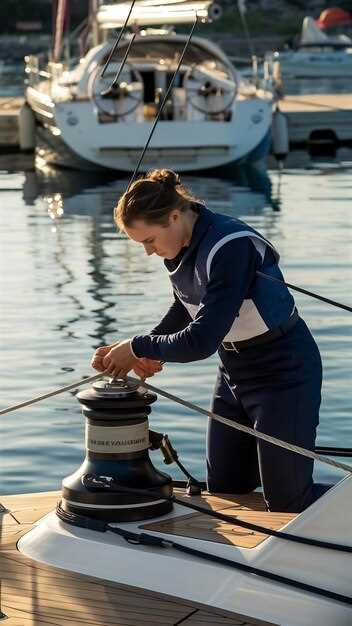
The concept of ballast in boating is a critical component that ensures safety and stability during various water activities. It serves as a means of creating greater control and balance in a boat, especially for racing or sport activities. Ballast can be anything from water to high-density materials, each serving a specific purpose in maintaining the desired waterline and performance. For beginners and experienced riders alike, understanding this term is essential for optimizing the use of their vessels.
When it comes to filling ballast tanks, using water is a common and simple practice. However, placing bags or other dense materials can provide an alternative method that proves effective in enhancing performance. These systems often involve jabsco fittings for draining or discharging the ballast when necessary, allowing for quick adjustments depending on the conditions. The ability to modify ballast weight significantly impacts the maneuverability of the boat, particularly during activities like wakesurfing, where flow and stability are crucial.
Although many might think of ballast as just a single aspect of boating, it truly encompasses a range of uses that extend beyond mere weight. For instance, in competitive environments, the ideal ballast configuration can drastically change the handling characteristics of a boat, allowing it to slice through water more effectively. The right height and weight distribution offer a tight connection between the boat and water, which can lead to a more enjoyable experience on the water, especially for those looking to surf or race.
Ultimately, understanding how to work with ballast systems can vastly improve a boater’s experience. Whether it’s adding capacity to tank systems or installing gear that allows for easier adjustments, taking the time to learn about this important concept provides a solid foundation for safe and enjoyable sailing. No matter your skill level, mastering the ins and outs of ballast will empower you to navigate the waterways with confidence and control.
The Importance of Ballast in Boat Stability

Ballast plays a fundamental role in ensuring the stability and safety of a boat while navigating through water. By providing necessary support, ballast helps to lower the center of gravity, making the vessel less susceptible to capsizing in high winds or rough seas. In this article, we’ll explore the various types of ballast, their uses, and why they are crucial for both recreational sailing and competitive sports.
A common type of ballast is lead-weighted material, typically added to the keel or other fittings within the boat. This leads to an optimum distribution of weight, enhancing stability. The most efficient ballast solutions are usually high-density materials that take up less space while providing greater weight support. These types of ballast can be easily implemented into different boat designs without affecting performance negatively.
Another important aspect is the flow of water around the hull. Static ballast, which is often found at the bottom of the boat, retains its position without requiring additional action from the driver. Conversely, dynamic ballast systems can be filled or discharged depending on the boat’s needs, providing flexibility during sailing. This versatility can be essential in emergency situations where rapid adjustments are needed to maintain stability.
The proximity of ballast to the keel is also critical; it must be positioned correctly to avoid trapping air and potentially creating buoyancy issues. A boat with poorly distributed ballast may seem stable while at rest but can behave unpredictably once it begins to move across waves. For this reason, it is recommended that boat owners periodically check their ballast systems to ensure they are functioning properly.
| Type of Ballast | Weight Characteristics | Gyakori felhasználási területek |
|---|---|---|
| Lead-weighted | Heavier, high-density | Racing yachts, cruising boats |
| Water ballast | Variable weight, soft | Small boats, emergency situations |
| Solid ballast | Fixed weight | Commercial vessels |
In conclusion, understanding the importance of ballast in boat stability cannot be overstated. It is a vital tool for ensuring a safe and enjoyable experience aboard, allowing for a variety of sailing conditions. By addressing ballast issues proactively, boaters can enhance their ability to navigate the waters confidently and with peace of mind.
How Ballast Affects Center of Gravity
Ballast plays a crucial role in determining the center of gravity in a boat. By adjusting the amount and distribution of ballast, a boat can achieve optimal stability and performance, especially during various activities such as wakeboarding or running fast in tight proximity. Understanding how ballast affects the center of gravity can help ensure that you’re sailing safely and efficiently.
The center of gravity (CG) is the point where the weight of a boat is evenly distributed. This affects how the boat behaves on the water, especially when there are riders onboard. Here are some key considerations:
- Ballast and Stability: Adding ballast can lower the center of gravity, making the boat less likely to capsize. When additional weight is distributed below the waterline, the force needed to heel the boat is reduced. This is especially important during tight turns or when shipping waves.
- Ballast Distribution: Where you place the ballast is crucial. For example, adding weight towards the rear can help lift the bow, improving visibility and reducing wake. However, too much weight at the rear can make the boat too tight and prone to rolling.
- Quick Adjustments: Many boats have valves that allow riders to fill or remove ballast tanks easily. This helps adjust the load quickly, depending on the number of riders present or the type of water activities being pursued.
- Engine Impact: When the engine is running, it also affects the center of gravity. A well-balanced boat will handle better, with less need for constant adjustments, which can be counter-intuitive but very effective in keeping the boat stable.
In conclusion, understanding how ballast affects the center of gravity is vital for safe sailing. By carefully managing ballast, you can enhance your boating experience while reducing the risks associated with capsizing, ensuring that everyone on board enjoys their ride without the worry of instability.
Impact of Ballast on Boat Performance
Ballast plays a crucial role in the performance of vessels, significantly impacting stability, steering, and overall handling. When properly weighted, it helps boats maintain an optimal waterline, allowing for smoother navigation through waves. The added weight can be achieved through various sources, including water, stones, or aftermarket devices specifically designed for this purpose.
During performance evaluations, it has been said that strategically installed ballast systems improve both acceleration and control. For instance, allowing water to fill the bilge or a livewell can provide soft, evenly distributed weight that enhances stability while running. Excessively heavy ballast, however, must be approached with caution; the risk of capsizing increases if a vessel is not designed to handle such weight.
Ballast should always be vented and discharged appropriately. Systems that are filled with water can be received from multiple outlets, helping to distribute weight evenly. This practice is particularly essential when considering wakeboard configurations or when moving above cruising speeds.
In April, many boaters seek advice on how to optimize their ballast for the season. Recommendations often include keeping ballast below the waterline to avoid an excessively high center of gravity, which could jeopardize stability. Devices like wake pump systems, such as those from Wakemakers, allow for quick adjustments to ballast settings, ensuring that the vessel performs optimally during varying conditions.
When adjusting ballast, boaters must be mindful of how weight affects various aspects of performance. Steering responsiveness, maneuverability, and overall safety have been directly linked to how well ballast is managed. It is essential to think critically about how to utilize weight, ensuring that a boat remains safe while maximizing its capabilities in the water.
Types of Ballast Used in Various Boats

Ballast plays a crucial role in maritime stability, serving as a counterweight to enhance both safety and performance. Various types of ballast are integrated into different boat designs to meet specific needs. The choice of ballast can significantly affect a boat’s functionality and operation.
One of the simplest forms of ballast is water ballast, commonly used in small boats like dinghies or centerboard vessels. Water can be easily added or removed to adjust the boat’s weight based on conditions, which helps in maintaining optimal buoyancy while ensuring adequate stability. In conditions where excessive lift from waves occurs, this flexibility can prevent trouble.
Another type is solid ballast, which can be made from dense materials like lead or iron. These materials are often used in larger vessels, providing a permanent source of weight that improves righting ability. For example, factory-built yachts frequently utilize lead keels as a weighted component to lower the center of gravity, enhancing overall handling and reducing the risk of capsizing.
Certain modern boats incorporate adjustable ballast systems, where pumps allow for immediate redistribution of weight. This technology can facilitate adjustments while sailing, responding dynamically to changing conditions. Such systems help maintain equilibrium, even as loads shift from one side to another, a process crucial for performance during races.
Some vessels, like catamarans, may use a unique form of ballast that relies on the shape of the hull and the distribution of weight. The wider beams of these boats tend to improve stability; however, adding weighted structures, like additional ballast, can help counteract strong lateral forces during high-speed sailing.
Environmental factors also drive innovations in ballast materials. For instance, to combat pollution associated with heavy metals, many manufacturers are exploring alternative materials that reduce environmental impact while maintaining sufficient weight. These innovations link to sustainable practices within the boating community.
The debate on ballast types often leads to discussions on efficiency and performance. While some may argue that heavy ballast systems are counter-intuitive for speed, others believe that the right ballast can enhance the overall sailing experience by improving control and reducing the impact of water flow against the hull.
Ultimately, the choice of ballast can greatly influence a vessel’s overall design and functionality. Understanding these different types enables boaters to select the right solutions for their needs, ensuring a safer and more enjoyable experience on the water.
Water Ballast: Pros and Cons
Water ballast systems are a popular choice for enhancing the stability and safety of vessels on the waters. They use high-density water to adjust the mass of the boat, providing a greater level of control. This type of ballast is typically placed in the rear or center to improve the relationship between the boat and its wake, ultimately benefiting activities like wakeboarding and surfing.
A víztaszító ballaszt egyik legegyszerűbb formája a szelepek használata a tartályok szükség szerinti leeresztéséhez vagy feltöltéséhez. Ez a közvetlen állíthatóság lehetővé teszi a hajósok számára, hogy finomhangolják hajójuk teljesítményét, biztosítva az optimális kezelhetőséget versenyzés vagy szabadidős utazások során. Tekintettel a súlypont közelségére, ez az elosztott tömeg megkönnyíti a kormányzást, miközben sík felületet tart a vízfelszínen.
A vízzel való ballasztolásnak azonban vannak árnyoldalai is. Egy teljesen megtöltött tartály jelentősen megnövelheti a hajó össztömegét, ami csökkentheti a sebességet és a hatékonyságot. Emellett a víz ballasztként való használata során gondosan mérlegelni kell a környezeti hatást, mivel a nem ellenőrzött forrásból származó víz idegenhonos fajok megjelenéséhez vezethet. Ezért a hajósoknak figyelniük kell a felhasznált víz minőségére és forrására.
A ballasztrendszerek hosszú távú karbantartása is aggodalomra adhat okot. Több mint egy évszázad alatt a gyárilag beszerelt rendszerek elhasználódhatnak, ami potenciális szivárgásokhoz vagy más problémákhoz vezethet, amelyek veszélyeztethetik a biztonságot. Fontos, hogy a hajótulajdonosok rendszeresen ellenőrizzék ballasztrendszereiket az optimális teljesítmény és biztonság érdekében.
Összefoglalva, a vízzsák hatékony eszköz lehet a hajósok számára, akik a stabilitást és az irányítást szeretnék javítani. Minden használónak gondosan mérlegelnie kell ennek előnyeit és hátrányait, figyelembe véve az egyéni igényeket és a hajózás típusát. A megfelelő karbantartás, az átgondolt telepítés és a ballaszt hatásainak megértése élvezetes és biztonságos hajózási élményhez vezethet.
Hagyományos ólom ballaszt: Tartósság és súly
A hagyományos ólom ballast évszázadok óta alapvető elem a hajózásban. Sűrű szerkezete ideális választássá teszi a hajók stabilitásának és egyensúlyának biztosításához szükséges súly biztosítására. Például az ólommal súlyozott tőkesúlyok segítenek csökkenteni a hajó súlypontját, ami viszont minimalizálja a felborulás kockázatát olyan külső erőkkel szemben, mint például az erős szél vagy a hullámok.
A modern anyagok megjelenése előtt az ólom volt a fő ballasztforrás, kivételes tartóssága miatt. Ez a tartósság biztosítja, hogy az ólomballaszt ellenálljon a sós vízi környezettel járó zord körülményeknek. Valójában az ólom egyik legfőbb előnye a só okozta károsodással szembeni ellenállása, ami kedvelt választássá teszi a jachtokon és más, tengeri körülményekkel érintkező hajókon történő hosszú távú telepítésekhez.
Ez a ballaszt rendszer hatékonyan működik azáltal, hogy a hajó meghatározott rekeszeibe illeszkedik, amelyek gyakran a hátsó rész közelében találhatók. A súlyelosztás segít javítani a kormányzást és az általános teljesítményt. Amikor egy hajót vezetsz, az ólom ballaszt beépítése jobb irányítást tesz lehetővé, különösen éles kanyarok végrehajtásakor wakeboardozás vagy más vízi sportok közben.
Bár léteznek alternatív megoldások, mint például a ballaszttömlők, ezek vészhelyzetekben néha problémákat okozhatnak. Egy megfelelően beépített ólomballaszt-rendszer nem igényel feltöltést vagy tartályok működtetését, így kritikus helyzetekben megbízhatóbb és azonnali reagálást tesz lehetővé. Ezért a súly és a stabilitás közötti összefüggés miatt a hagyományos ólomballaszt praktikus megoldást jelent a hajózás biztonságának növelésére.
Bár forrásolatlan állítások keringenek a ólom potenciális veszélyes hatásaival kapcsolatban, a tengeri alkalmazásokban bizonyított hatékonysága gyakran felülírja az aggodalmakat. Az ólom elengedhetetlen stabilitást biztosít, amely lehetővé teszi a hajók, különösen a nagyobb jachtok számára, hogy biztonságosan navigáljanak még kihívást jelentő vizeken is. Összefoglalva, a hagyományos ólomballaszt súlya és tartóssága miatt továbbra is a legjobb választás azoknak a hajósoknak, akik minden utazás során biztosítani akarják a stabilitást és a biztonságot.
Egyéb anyagok: Beton és acél használata
Amikor a ballaszt opciókat mérlegeljük a hajózásnál, a beton és az acél életképes alternatívaként jelennek meg a hagyományos anyagokkal szemben. Ezek az anyagok egyedi előnyöket kínálnak, és jelentősen befolyásolhatják a hajó teljesítményét.
A beton gyakran előnyös a formája és tömege tekintetében mutatott rugalmassága miatt. A hajótest sajátos kontúrjaihoz formálható, optimalizálva a ballaszt számára rendelkezésre álló helyet. A betonballaszt minimális magasságát figyelembe kell venni annak biztosítása érdekében, hogy a hajó egyensúlya optimális maradjon, megelőzve ezzel a vitorlázás közbeni problémákat.
A vasat viszont általában a tartóssága és nagyobb súlya miatt használják. Egyetlen acéllemez jelentős tömeget biztosíthat, ami segít a súlypont alacsonyan tartásában. Ez különösen fontos azon hajók esetében, amelyek jelentős mozgásokat tapasztalnak a hullámoktól. Ezenkívül a vas ballaszt védőbevonatokkal látható el a korrózió megelőzése érdekében, ami elengedhetetlen szempont a hosszú távú használat szempontjából.
A betonnak és az acélnak is stratégiailag elhelyezettnek kell lennie a súly optimális elosztása érdekében. Ez megtámasztja a gerincet és javítja a stabilitást különböző vitorlázási körülmények között, biztosítva, hogy a hajó elsőrangú és jól irányítható legyen. A ballaszt hátrafelé vagy a középső uszony felé történő pozícionálása befolyásolhatja a kormányzási jellemzőket, ezért elengedhetetlen a tesztelés és a legjobb konfiguráció megtalálása.
Egy másik emlékeztető, hogy a nehezebb anyagokat oszlassuk el, hogy elkerüljük az egyenetlen terhelést, ami megzavarhatja a hajó teljesítményét. Néhány utángyártott megoldás, mint például a vízzel vagy homokkal töltött ballaszttáskák, áthelyezhetők a súlyelosztás beállításához anélkül, hogy a rögzített ballasztot meg kellene változtatni.
Végső soron, akár a betont, az acélt vagy a különféle anyagok kombinációját választja, gondolja át, hogy ezek hogyan befolyásolják az általános vitorlázási élményt. A gondosan kivitelezett ballasztválasztások egy átlagos hajót is kiegyensúlyozott járművé alakíthatnak, jelentősen javítva a vízen eltöltött időt.