


 Magyar
  English (UK)
  Русский
  العربية
  日本語
日本語  한국어
한국어  Türkçe
  Español
  Čeština
  Svenska
  Português
  Ελληνικά
  Suomi
Suomi  Nederlands
  Română
  Italiano
  Français
  Polski
  Українська
  Deutsch
  简体中文
简体中文  Slovenčina
  Types of Sailboat Rigs and Their Uses – A Practical Guide">

Start with a complete, level setup: a sloop rig. It keeps handling simple for a small crew, making the rig approachable and predictable, providing broad parts availability for sailboats of all sizes. With one mast and two sails, you can reef quickly, trim efficiently, and stay in command in gusts up to 25 knots–reducing the risk at mooring or in crowded harbors.
Nearshore days or offshore passages benefit from a cutter or fractional rig when you need versatility without excess complexity. A cutter carries two headsails (jib and staysail) and, in heavy weather, an optional staysail on the stays. This setup provides better downwind control and steadier handling as winds shift, so a small crew can stay coordinated below deck and keep moving without constant sail changes.
For vessels designed for long routes, a tall kecsb or yawl distributes sail area across two masts, making trimming more forgiving and giving an independent set of options if one sail stalls. It demands more line-handling work, but it sustains progress when conditions are mixed.
Gaff rigs deliver extra sail area on tall vessels and maintain respectable performance in light air, while schooners with multiple masts spread control duties among crew members, which helps when you want to work with a trained team or a larger crew. The tall rig often favors those working near coastal harbors and in light squalls where engine assist is common.
Key checks before choosing a rig include mooring constraints, vessel length, and expected weather. To keep things straightforward, aim for a setup offering level reach and suitable sail plans, and ensure you have below deck instructions and a reliable spare parts kit. For a small crew, choose a rig that makes reefing easy, halyard operation quick, and helm balance predictable. Fortune favors a prepared crew, so factor your goals and cadence into the final choice. For motor-powered operations, plan sail schedules that minimize engine interference and help you glide toward harbor in calm seas.
How many different kinds of sailboats are there?
Recommendation: start with a sloop-equipped mono-hull for everyday cruising; it offers wide support, easy handling, and low maintenance. Enter the market with this setup, and you’ll realistically encounter about 20–30 common kinds when counting hull forms and rig variants. This is just enough to cover most cruising needs.
There are five practical hull families you’ll meet most often: monohulls, catamarans, trimarans, heavy-displacement cruisers, and high-performance racers. Within monohulls, the most common rig is the sloop, found on the majority of boats on the water; the cutter is another frequent option for long passages. A gaff rig remains in use on traditional crafts and classic designs for a distinctive fore-sail look. Trimaran designs provide high speed and a wide deck, while catamarans offer twin hulls with spacious interiors and a stable platform, including beautiful living spaces above deck.
In multihulls, twin hulls are standard on catamarans, while trimarans keep three hulls and a longer waterline run to improve speed. Most catamarans use a straightforward fore-aft rig, though some specialist models adopt a fractional setup for better upwind performance. For the classic feel, some small sailing crafts still employ a gaff, which tilts the mainsail and changes balance compared with most modern rigs.
Materials vary widely: aluminium is common on offshore and expedition-ready designs, offering strength and lighter weight for certain builds; maintenance becomes essential to prevent corrosion on aluminium hulls. Fibreglass remains the default material for most production boats, balancing cost and repairability; wooden hulls stay popular among crafts with traditional appeal but require regular maintenance. Reduced draft options like twin keels or centerboards help you enter shallow harbors and lochs, while fixed fin keels improve performance but limit access above and below waterline. When you weigh form, consider the central mast position, tilt tendencies under load, and the relative ease of replacing halyards and sail runs.
Választás the right kind depends on your experience, goals, and budget. For smaller crews, a compact sloop on a mono-hull is a solid start. If you want extra space and calm motion in choppy water, a catamaran with twin hulls appeals, yet you’ll face higher upfront costs and more complex maintenance. If speed and long passages motivate you, a trimaran or a high-performance rig can be exciting, but requires careful handling and regular maintenance. Above all, assess how the form fits your plan every season and how the fore, central rig, and keels interact with your comfort level and travel routes.
Fractional vs Masthead Rigs: Effects on sail area, handling, and reefing ease
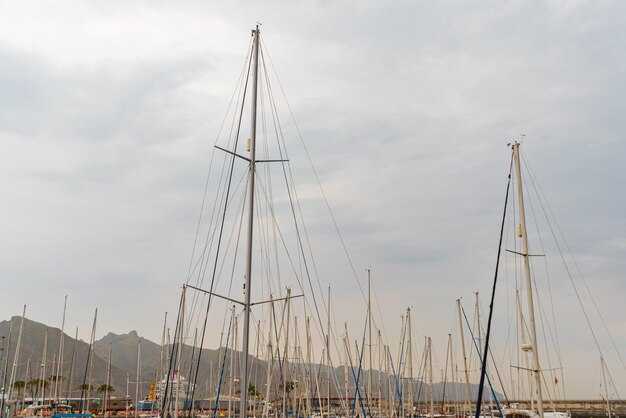
Fractional rigs are the better default for most cruising boats under 40 feet, because they simplify reefing and allow precise mainsail trim. In-depth tuning of halyards and outhauls yields more stable handling in gusts, smoother docking, and a forgiving feel when youre learning. On dinghies and a catboat, the difference is immediate, letting you manage sails without needing a large crew. The setup is extremely durable across a thousand voyages.
Most masthead rigs carry a large genoa, often 130-150% of the foretriangle, which adds substantial sail area forward and boosts light-wind speeds. Fractional rigs use a smaller foretriangle and typically a 100-125% jib, with most power coming from the mainsail. That shift improves balance, reduces weather helm, and makes trim more predictable when gusts run through the rig. A twin-headsail setup on a masthead rig is possible, but adds complexity. A wing mainsail exists on some modern designs to cut drag, and laser-cut fittings on halyards and sheets improve reliability during long voyages.
Handling and reefing ease take a clear edge with fractional rigs. Reefing is cockpit-friendly: you drop one or two reefs in the mainsail and adjust the headsail to maintain balance, which keeps speeds under control during docking in confined spaces. On masthead rigs, the oversized genoa can overpower the boat in gusts, prompting sailors to reef both sails to stay balanced, a process that costs time and attention during close-quarters maneuvers. With a bulb keel or other ballast configurations, the center of effort shifts are easier to manage on a fractional rig, improving overall control without sacrificing durability.
Practical guidance: for most recreational boating and thousand voyages in varied conditions, choose fractional when you want easier handling, faster reefing, and steadier trim–especially in crowded marinas or while docking. Masthead setups shine on designs that routinely sail in light air with long runs or when a very large genoa is desirable for downwind speed, though they require more crew or time to reef and balance. Consider your hull form, keel, and rig height, then pick a system that emphasizes ease of reefing, predictable handling, and smooth trim–whether you sail a dinghy, a catboat, or a larger cruiser that handles modern, extreme conditions with confidence. If you want a flexible option that covers various voyages and speeds, a fractional rig with a 100-110% jib and a full mainsail offers the most versatile performance without complicating docking or tuning.
Sloop Rig: The versatile all-rounder for beginners, cruisers, and racers
Opt for a standard sloop rig with a mainsail and a jib mounted on a single mast. This setup is economical, easy to manage, and adapts to most conditions, therefore it suits beginners, cruisers, and club racers alike.
To cover a wider wind range, keep a choice between a smaller jib and a larger genoa. The genoa increases light-wind drive on cruises and offshore passages, while the smaller jib reduces weather helm and trimming effort in heavy seas. The headsail attaches to the forestay at the front of the mast, and mounting a roller-furler makes quick sail changes possible. For heavy-weather versatility, consider a cutter rig as a secondary option on the same boat, giving you two foresails without sacrificing the simplicity of a sloop when you want it.
Maintenance starts with the basics: inspect halyards, sheets, and the mainsail luff; lubricate the winches; replace worn blocks; and check deck fittings and chainplates. On steel-hulled boats, verify mast step and backing plate integrity; otherwise, maintenance is similar. Before every voyage, confirm the forestay taut, lines run free from the front to the port side, and all fittings mounted securely on port and starboard. Also inspect the shaft and propeller clearances after the dock, especially if you expect shallow waters.
The sloop’s trim options enable agile handling across a wide range of conditions; a spectacular light-wind performance comes with a properly tuned genoa, and a balanced rig keeps you comfortable as breeze rises. Accessories such as a roller-furler, spare sheets, and a reliable windvane add safety and flexibility; the setup remains possible even on older boats, and you can upgrade gradually.
Designs vary, but the core trade-off stays: larger headsails boost speed in light winds; smaller mainsails ease reefing in stronger breeze. A mid-size headsail paired with a medium mainsail gives reliable coverage across each season. For racers, a fractional rig with a taller mast improves upwind performance; for offshore cruising, a well-chosen genoa with a sturdy mainsail provides balance and predictable handling. The port és rules of your sailing area influence your choice, so align the rig to expected winds and crewing capacity.
In summary, for starters and seasoned sailors alike, the Sloop Rig remains the versatile all-rounder: simple to manage, scalable through upgrades, and capable in cruises or club races. Maintain the basics, keep a sensible set of accessories, and consider a cutter or larger genoa when your plans include longer offshore passages. Sloops deliver steady control, repeatable handling, and a clear path to improving sailing skills over time.
Cutter Rig: Flexible sail plan for varied winds and long-distance passages
Opt for a cutter rig for flexible sailing in varied winds and for long-distance passages. This configuration keeps you comfortable and allows you to respond quickly to shifts in wind. The entire sail wardrobe serves multiple uses, with a main plus two foresails that can be set or reduced as conditions demand.
- Flexible sail plan: a main, a genoa, and a staysail provide options for every wind strength. You can reef the main, swap to a smaller genoa, or set the staysail for heavy weather, making the rig agile and fast in variable seas.
- Performance balance: the staysail boosts upwind performance and improves weather helm control, while the genoa on light air helps you maintain speed without overloading the hull.
- Handling and comfort: two headsails simplify sail changes at sea, enabling you to enter heavier weather with minimal crew effort and still keep the boat balanced. This approach helps every crew member stay on deck with confidence.
- Durability and hardware: choose well-designed accessories and durable sails; brands entering the market offer robust sheets, halyards, tracks, and winches that support long voyages.
- Every voyage use: the cutter rig shines as a daysailer and on extended passages, providing predictable behavior under a wide range of wind conditions and sea states.
- Rig height options: a tall rig improves light-wind performance, while a lowered mast keeps marina entries simple without sacrificing strength or control.
- Complete sail wardrobe: combine a weather-friendly staysail with a versatile genoa to cover both heavy-weather protection and fast-downwind progress in calm seas.
- Maintenance and design focus: sails designed to hold shape under load and hardware kept well-lubricated reduce downtime and keep performance consistent.
- Modern considerations: if you run hydrofoils or plan to enter high-performance categories, the cutter rig still offers a solid baseline, with loading managed by purpose-built rigging and strong deck hardware. Thus you retain capability without compromising safety.
Choosing this rig, you gain strength in versatility: it supports both long passages and daily cruising, adapts to every season, and remains a practical, durable option that many sailors choose as a complete solution.
Yawl, Ketch, and Brigantine: Multi-mast rigs for balance, deck space, and fatigue management
Recommendation: Pick a ketch for a balanced, adaptable rig that preserves deck space and eases fatigue on long passages. Other multi-mast designs exist, but these three configurations cover sailboats across cruising and offshore events, and are well known for steady handling.
-
Yawl
- Rig arrangement: főárboc elöl, kisebb tatárárboccal a kormánylapát mögött. Ez a beállítás a széljárás változásakor is stabil egyensúlyt biztosít.
- Tervezési jellemzők: A hátsó vitorla általában kisebb, ami lehetővé teszi a reffelés rugalmasságát a fedélzet zsúfoltsága nélkül; a legfontosabb jellemzői közé tartozik, hogy a hátsó vitorla a kormánylap mögött helyezkedik el, függőlegesen ellensúlyozva a támadáspontot és növelve az egyensúlyt.
- Fedélzeti hely és kezelhetőség: a hátsó csonka árbóc szabadon hagyja az orrfeljárót köteleknek és munkának, javítva az irányítás mértékét egyedül vagy kis létszámú legénységgel.
- Gyakorlati felhasználás: különösen tartós hosszú távú túrákhoz és nyílt tengeri versenyekhez, ahol a szerkezet rugalmas vitorlázási lehetőségeket biztosít, miközben megőrzi a könnyű kezelhetőséget.
-
Ketch
- Rig arrangement: előárboc előre, tatárárboc hátra. A vitorlák elsősorban hosszantiak, könnyű szélben opcionális orrvitorlákkal; ez az elrendezés általában széles vitorlaválasztékot tesz lehetővé anélkül, hogy túlterhelné az egyetlen árbocot.
- Egyensúly és forma: a vitorlavitorlák terhelésének elosztása alacsonyabban és központosabban tartja a központi súlyt, ami növeli a kényelmet az őrségváltásoknál, és csökkenti a fáradtságot a két-négy fős legénységeknél.
- Fedélzeti hely és műveletek: a két árboc elkülöníti az orrfedélzeti munkát a tat kezelésétől, ami segít a dokkoláskor vagy horgonyzáskor, és helyet biztosít a biztonsági felszerelés számára.
- Gyakorlati felhasználás: népszerű választás hosszútávú túrázáshoz, emellett következetes teljesítményéről is ismert változó szélsebességek és tengeri állapotok mellett, beleértve a versenyeket és a part menti szakaszokat.
-
Brigantine
- Rig arrangement: az előárboc négyszögvitorlákat hord; a főárboc orrvitorlákat és hátsóvitorlákat tart, olyan kombinációt biztosítva, amely lejtmeneti sebességre és emelkedésbeni irányíthatóságra is beállítható.
- Performance: az osztott vitorlafelület növelheti a teljes vitorlafelületet anélkül, hogy egyetlen árbocot túlterhelne, ami segít megőrizni az irányítást a szél változásakor; kedvező szélviszonyok mellett a sebesség jelentősen megnőhet.
- Fedélzet és legénység: két árboc osztja el a köteleket és a felszerelést, csökkentve a fáradtságot; ez segít a nyílt tengeri átkelésekkor és amikor kis létszámú legénységi játékokat vagy képzéseket tartasz.
- Értelmezés tengerészeknek: A brigantin továbbra is elkülönül a slooptól, eltérő munkafolyamatot és több lehetőséget kínál az eseményekhez, miközben a karbantartás továbbra is praktikus és tartós marad.
Tippek a több árbocos kötélzet kiválasztásához és használatához:
- Értékelje a legénység méretét és képzettségi szintjét; egy kecs vagy yawl két-négy főnyi legénység számára alkalmas, akik kezelhető vitorlaváltásokat és stabil egyensúlyt szeretnének.
- Tekintsük a vízvonalra eső becsapódást: a vitorlák két vagy több árboc közötti elosztása csökkenti a maximális dőlést adott szélsebességnél és növeli a stabilitást, különösen teljes vitorlázat mellett.
- Terv a fedélzeti térre: a yawl és a brigantin kivitelek szabadon hagyják az orrfedélzetet a horgonyok, kötelek és biztonsági felszerelések számára, miközben a far- vagy orrárboc vitorlái el vannak rejtve.
- Válasszon tartós vasalatot: a robusztus csörlők, kötelek és blokkok csökkentik a fáradtságot a hosszú utakon és a háborgó tengeren; ez különösen fontos a négyszögvitorlás vagy nehéz felszereléssel ellátott hajókon.
- Karbantartási igények ellenőrzése: több árboc több kötélzetet jelent, amit ellenőrizni kell; ütemezzen be rendszeres ellenőrzéseket és kenést, és tartson tartalék alkatrészeket a fedélzeten a tengeri hajózáshoz.
- Fedezze fel az online forrásokat és a referenciákat: a weboldal végigvezetheti Önt a különböző vitorlázatformákon, és megvitathatja az ismert teljesítménybeli különbségeket, segítve a megfelelő szó kiválasztását és a tervezést.
Kérdések az egyensúlyról és a sebességekről? A gyakorlati használat során a ketch kínálja a legsimább átmenetet a szélváltásoknál, a yawl kiváló fedélzeti teret és a fáradtság enyhítését, a brigantin pedig sokoldalú vitorlatervet biztosít rendezvényekhez és gyors átkelésekhez. A központi gondolat továbbra is az: a vitorlafelület elosztása több árbocon javítja a stabilitást és biztonságosabbá teszi a fedélzetet, különösen nagy terhelés alatt.
Gaff, Lug és más hagyományos vitorlázatok: Klasszikus beállítások, karbantartási tippek és speciális felhasználási területek
Válassz árbócos vitorlázatot egy utánfutóval szállítható túrahajóhoz, ha gyors kezelhetőséget és hagyományos megjelenést szeretnél. Tartsd a gaff fejét egy vonalban az árboccal egy robusztus fockkötéllel és egy egyszerű reffelési tervvel; egy jól kiegyensúlyozott vitorlaprofil irányítható marad a szélviszonyok széles skáláján, és megfelel a kis személyzeteknek egy utánfutón.
A gaff és a lug vitorlázat az egyszerűséget és a kompakt szerkezetet cseréli a kifinomult vitorlaalak-szabályozásért. A lug vitorla könnyű és gyorsan felhúzható, míg a gaff vitorla egy szabályozható felső élt ad hozzá, ami segít megtartani az erőt, amikor a hullámok növekednek. Az általános, klasszikus hangulatú túrázáshoz ezek a vitorlázatok megbízható teljesítményt nyújtanak, amit sok legénység vonzónak talál, különösen lágyan futó hullámok és állandó szél esetén. A lényeges jellemzők közé tartozik a könnyű reffelés, a védő vitorlahuzatok és a kokpitból történő trimmelés lehetősége nagyobb beállítások nélkül.
Karbantartási tippek: havonta ellenőrizze az árboc lábát és az árboc-szerelvények csatlakozásait; zsírozza vagy viaszolja a csákó állkapcsainak forgópontjait; cserélje ki a kopott kötélzeteket és blokkokat a szezon kezdete előtt. Vizsgálja meg a vitorlák varratait UV-károsodás szempontjából, és varrja újra, ahol szükséges, és tárolja a vitorlákat szárazon a penészedés elkerülése érdekében. Fa rudazat esetén rendszeresen gyalulja és lakkozza az árbocot, a csákót és a vitorlarudat; alumínium rudazat esetén ellenőrizze a szerelvényeket és alkalmazzon korrózióvédelmet. A hidrodinamikai egyensúly javul, ha a súlypontot alacsonyan tartja, és a fedélzetet tisztán tartja úgy, hogy a köteleket egyetlen csörlőhöz vagy egy kis, jó minőségű kikötőbakhoz vezeti a szerelék megtámasztására. Ne hanyagolja el a utánfutót sem; rögzítse az árbocokat és a rudazatot párnázott támasztékokkal, hogy csökkentse a hajlítást az úton. Ezenkívül rendszeresen ellenőrizze az árbocokat egyenesség szempontjából, valamint a korrózió vagy kifáradás jeleit, amelyek befolyásolhatják a kezelhetőséget nagy sebességnél.
Niche felhasználási területei közé tartoznak a hagyományos klubversenyek, a katamaránokon való tengerparti egynapos vitorlázások és a hosszú távú tókerülések, ahol a klasszikus sziluett bájt kölcsönöz. A gaffli azon képessége, hogy mérsékelt árbocmagasság mellett nagyméretű felső területet tartson, azt jelenti, hogy a sebességet akkor is megőrizheti, ha a hajótestek könnyűek. A luggervitorlázatok a minimalista személyzetnek felelnek meg, akik értékelik a gyors felállítást és az alacsonyabb összsúlyt; több hajós is beszámolt arról, hogy élvezi a menet közbeni refféket és a csendes cockpitot. Egyes vitorlázók értékelik a szárnyszerű megjelenést, amikor a vitorlák szél felőli hegyen laposabban vannak beállítva, és az esztétika a korabeli kötélzetek társadalmi, szerencsével barátságos hangulatával együtt vonzó.
Gyakorlati útmutatásként a legjobb gyakorlatok forrása klubkézikönyvekben és gyakorlati naplókban található, beleértve a hagyományos hajóépítők és javítóműhelyek feljegyzéseit. A szó gyakran felbukkan ellenőrző listákon és jegyzetekben, emlékeztetve a személyzetet, hogy a szezon előtt ellenőrizzék a felhúzókat, a blokkokat és a rögzítőket. A lényeg, hogy a kötélzet látóvonalai tiszták maradjanak, és a vitorlafelület igazodjon a hajótest teljesítményéhez, elkerülve a kormánylapát túlterhelését a fordulókban. Az alábbi táblázat összefoglalja a gyors összehasonlítási és karbantartási ötleteket, amelyeket most alkalmazhat.
| Rig típus | Tipikus felhasználások | Karbantartási prioritások | Legjobb hajótestek | Megjegyzések |
|---|---|---|---|---|
| Bakancs | hagyományos túravitorlások, utánfutóval szállítható túrahajók, macskavitorlások | Ellenőrizd a gaffelhúr zsanérját, a fallokat, a nyakbakötőket; újítsd meg az elővitorla kötélzetét; védd a vitorlákat a naptól | Rövid árboc, ívelt rúd, erős rádióantenna | Nagy vitorlafelület; precíz felső élvezérlés |
| Fül | Egyszerű, könnyű szerelékek kis hajókon; belvizeken | Vizsgáld át a vitorlázatot, lepedőket, köteleket; varrd újra a varratokat | Alacsony költség, egyszerű kezelhetőség | Gyorsan szerelhető; figyelmes vitorlakezelést igényel |
| Sprits/Other traditional rigs | Heritage craft, niche sailers | UV protection, spar fittings | Varies | Distinctive look; performance varies with hull |