


 Magyar
  English (UK)
  Русский
  العربية
  日本語
日本語  한국어
한국어  Türkçe
  Español
  Čeština
  Svenska
  Português
  Ελληνικά
  Suomi
Suomi  Nederlands
  Română
  Italiano
  Français
  Polski
  Українська
  Deutsch
  简体中文
简体中文  Slovenčina
 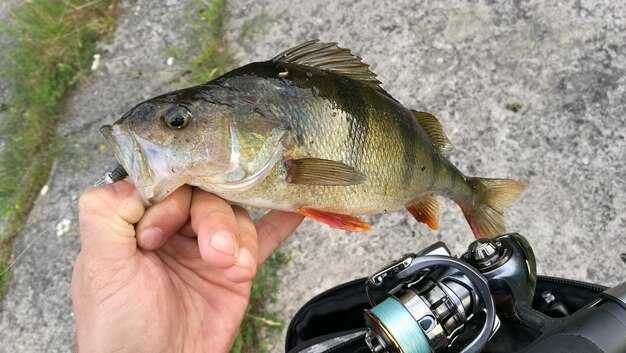 The Complete Guide to Crappie Fishing – Techniques, Gear, and Tips">

Choose a light, responsive graphite rod around 6’6″ to 7’0″ paired with a compact 1000–2000 size spinning reel and 6–8 lb test line, plus a 12–18 in fluorocarbon leader. This setup lets you still feel a subtle bite, keeps you in control near cover, and helps you land more fish. Ensure the reel has a smooth drag and the rod tip stays responsive, so you can arrive at the dock prepared for fast, accurate hooksets. Being consistent with this rig improves your strike detection even when the water is calm.
For crappie, use a variety of lures és rigs to keep your lure moving convincingly. Start with a 1/32″ to 1/16″ jig head paired with a 2″–3″ soft plastic or live minnows; for schooling fish, a sinking jig reaches the strike zone faster. The availability of colors matters less than matching water clarity and light conditions; carry plain white, chartreuse, and glow options, and keep a few size options to match the hatch. There are panfish out there near docks in the early morning, and theyre willing to bite if you present the lure to the lips with a steady retrieve.
Move along weed edges, docks, and sunken timber; crappie stack into shadows, and their spines along the dorsal fin give them away when you get a look. If a school moves, keep the lure sinking just enough to stay in the strike zone while you stay near cover. When you feel a thump, pause briefly to let the fish mouth the lure, then lift the rod tip to set the hook. Instead, maintain a steady, mozdulás retrieve to keep the lips on the lure and bring the fish to landing more quickly.
From a shoreline stance, keep a spare rigs ready to switch when mozdulás fish shift depth. For minimum gear headaches, carry a small tackle tray with 1/32″ to 1/16″ jig heads, two sets of hooks, and a couple of lures aimed at shallow water. If you fish from a dock, extend your line so you can reach beneath pilings; crappie hug dock shadows. Use a light leader so your line stays nearly invisible in clear water, and adjust the weight to a steady sinking rate in currents.
The Complete Crappie Fishing Guide: Techniques, Gear, and Practical Tips
Cast toward shore structure with a slow, tight motion to provoke takes right away; start with a light jig (1/16 oz or 1/32 oz) tipped with a soft plastic or live minnow to maximize bite response.
Gear setup matters: choose a 6’6″ to 7′ lightweight spinning rod paired with a smooth reel and 6–8 lb monofilament or fluorocarbon line. Use a short fluorocarbon leader (2–4 ft) to improve sensitivity and reduce line visibility around cover. If you fish heavy structure, consider 1/64 oz jigs for finesse work, but keep 1/16 oz as your workhorse for most days.
Color and presentation options: in clear water, white and chartreuse perform well; in stained water, glow, blue, and chartreuse patterns excite more reaction from wary fish. Maintain a steady cadence, pausing briefly after each lift to let the jig settle and then repeat the motion. This produces an natural motion that often leads to more aggressive takes.
Sizes and reports: most keeper crappie range from 9 to 12 inches, with occasional 12–14 inch fish in productive lakes. Reports from popular hubs show a mix of sizes depending on pressure and spawning cycles. In low-visibility lakes, larger jigs (1/16 oz to 1/8 oz) can draw bigger fish, while clear-water situations benefit from smaller baits that look like natural forage.
Location and plans: shorelines with standing timber, docks, and weedlines create ambush points. Fish tend to hold just off structure, so cast parallel to cover and work the jig along the edge. If you spot a school, keep your presentation consistent and move with the school, not away from it.
Spawn timing and sensitivity: crappie bite best near post-spawn windows and during the early fall feed; spawning activity concentrates fish around cover, so target brush piles and laydowns during warm afternoons. The sensitivity of your line and jig action matters most when water is near normal temperatures–tiny movement triggers bites even when the population is spread out.
Technique examples: use a lift-and-drop cadence with micro-tirps to mimic fleeing bait. A quick, short cast to a structure followed by a 2–3 second pause and a slow, steady retrieve increases your odds. If bites are light, switch to a jig with a slower fall rate and reduce line tension to heighten sensitivity.
Lead should be considered when choosing weights. Prefer non-lead options for safety and the environment; tungsten or brass jigs paired with a hydrophobic coating help maintain a natural fall and reduce snagging on spines and rough cover.
Practical tips for shore anglers: stay close to structure, never overlook shallow pockets near weed edges, and watch for subtle surface skimming or tiny taps. Try different depths with your cast: 2–6 feet is a typical working range, but adjust based on water depth and cover height. A light jigs-and-tines setup keeps you versatile across multiple shore features and weather changes.
Cooking and post-catch handling: fillet the fish promptly, removing the rib bones and dorsal spines to produce clean fillets. Rinse, pat dry, and refrigerate if not cooking immediately. For fresh flavor, a light lemon zest and a pinch of salt nicely finish pan-seared fillets. The food quality of crappie makes for excellent samples to share with family or talk about during gear reviews.
Availability and population notes: stock levels vary by lake and season; use local reports to gauge when numbers peak. In lakes with strong populations, you’ll see multiple spots producing steady catches across a season. Always check local restrictions and size limits before you harvest and adjust your plans based on current availability.
Example: on cool mornings at reelfoot, a slow-fall cadence with a 1/16 oz jig near tree lines regularly produces 9–11 inch fish, with occasional 12–13 inch slabs when schools push bait to the drop-offs. This pattern becomes a reliable backbone for day plans and helps you decide when to switch colors or jig styles.
Practical routine to follow: start by scouting one or two structure types on the shoreline, then switch to another area if numbers don’t improve within 20 minutes. Keep a log of sizes and takes to identify productive spots over time. This approach produces actionable data and builds a practical fishing rhythm.
Food-for-thought tips: keep a small kit of fillet knives, a cutting board, and a lemon wedge for quick prep after a solid limit. A fresh fillet with a light lemon dressing makes a simple, high-protein meal that showcases your success and keeps you motivated for the next outing.
Final reminder: adapt your cast and motion to the current water clarity and temperature, and stay flexible about color and jig size. The combination of shore access, structure diversity, and consistent presentation yields a reliable path to better catches, more accurate reports, and a smoother day on the water.
Seasonal Patterns and Depth Strategies for Crappie
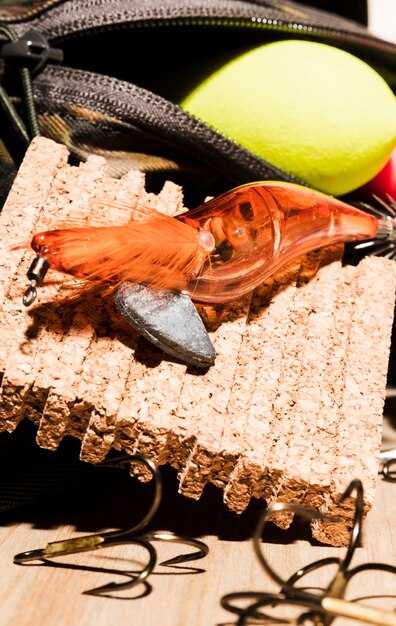
Target shallow, weeded areas in spring. Work 2–6 ft along dock edges, brush piles, and creek banks; cast small jigs on light line, and watch for a dorsal fin signaling a bite in the shade of overhanging cover.
As water warms into summer, crappie push into deeps along ledges and channel bends. Focus on 6–12 ft near breaks where an edge drops into deeper water. Use a skinny-profile jig in sizes 1/32–1/16 oz with a golden tint, and employ a consistent lift-and-drop casting cadence to provoke follows and catches. This approach works across many lakes and delivers relaxing bites when the fish cooperate.
Color and clarity guide your choice: in clear water, natural brown-green blends with a touch of gold work best; in stained water, brighter combos such as chartreuse with a gold spark attract bites. Name a few reliable areas like brush piles, stake beds, dock pilings, and weedlines where these patterns repeat each season.
When you feel a bite, keep tension in your line and a smooth retrieve, pausing briefly to let the jig sink and tempt fish in shade or along the edge of a drop. Presenting a weight that keeps the shape of a fleeing baitfish helps readers detect activity signals without overworking the lure.
Autumn can pull crappie back toward mid-depths as temperatures fall. Revisit 8–12 ft on channel bends and transition zones where warm water moves from shallow to deep. A combination of slightly faster casts and longer pauses often leads to successful catches as bait schools shift with the season.
Techniques: Jigging, Trolling, and Verticals
Start with vertical jigging as your default approach this season; it puts the lure right where crappie feed, making bites more likely and your day easier to manage. Use a light jig (1/16–1/8 oz) on 6–8 lb line, pair it with a 2–3 inch soft-plastic tail, and work from shallow cover to deeper holes, watching the line closely for subtle taps.
Jigging: optimal setup and cadence
- Rigs: tie a simple low-profile jig with a small plastic tail; try chartreuse, white, and pink as reliable options in murkier water. Keep the knot clean and the line straight for maximum feel.
- Cadence: lift the jig 8–12 inches, pause 2–3 seconds, then drop; repeat with micro-adjustments to match how the current or wind moves the lure. In winter, shorter lifts at a slower tempo often trigger bites.
- Structure to target: start under overhanging trees and brush, then sweep along channel edges and points that connect to deeper areas. Check multiple holes and pockets to locate active schools.
- Presentation tips: keep the lure just off the bottom and work it through mid-depth holds; crappie often sit just above the thermocline, so fringe bites come when you raise the lure slightly.
Trolling: controlled speed, broad coverage
- Speed targets: troll at 0.5–1.0 mph with compact crankbaits or slow-fall jigs on light line; plan to cover 3–4 areas per pass, especially near weed edges and along deeper shelves.
- Rigs and gear: use a small inline spinner or a tiny trolling jig on a light trolling motor setup; keep rods ready to react when you detect a bite signal on the sonar finder.
- Where to fish: run lines along long channel edges, along tree lines that extend from shore, and into pockets adjacent to deeper water. Areas with structure tend to hold more fish in winter, and you’ll likely see more bites when you separate lines by distance.
- Data-driven moves: periodically check the bottom composition and water column with your sonar to identify pockets where crappie congregate under cover; moving between holes and slow drifts increases your chances.
Verticals: precise positioning, snelle approach
- Technique: drop a jig vertically beside cover or along a weed edge, then bounce off the bottom with short lifts to draw reaction bites; use a longer pause after each lift to let the jig settle near structure.
- Edge focus: vertically fish around trees that drop into deeper water, around logs that break the current, and along channel bends where fish funnel between depths.
- Color and size: in cooler water, a brighter head paired with natural tails tends to be highly visible; adjust sizes between 1/32 and 1/8 oz depending on current and wind.
- Operational notes: keep a spare rig ready and set up a backup on a side bank so you can switch quickly if visibility changes or you find a hot bite window.
Tips for a productive day
- Plan your route: map likely holes and channel transitions on your phone or map, then check them in sequence to maximize turns and minimize backtracking.
- Use a finder to confirm fish holding areas; if you’re not seeing marked fish, switch to a different depth or angle to expose them.
- Winter bites are often subtle; stay patient and vary cadence, depth, and lure until you detect a pattern that repeats.
- Keep your cooler stocked with water and snacks; a well-organized setup prevents fatigue and helps you stay focused on fishing areas that produce results.
- Documentation helps: note which jig colors, depths, and speeds produce hits; it makes your next plan easier and increases the odds of catching more on future trips.
Quick checklist for success
- website resource: check local reports and maps for tree lines, holes, and channel changes
- tree cover: focus under overhangs and along woody debris
- depth targets: test both shallow and deeper holds; youre likely to find active schools near transition zones
- season note: winter setups favor slower presentations and more time on structure
- equipment: rigs ready, spare jigs racked, line fresh, and a dependable finder in use
- habit: making small adjustments quickly keeps you in the bite window
With this plan, you’ll detect bites faster, navigate diverse areas more easily, and improve your overall success rate on the water. A well-balanced mix of jigging, trolling, and vertical presentations gives you a stable channel to follow, helping you land that desired crappie hit even on tougher days. If you want to test new ideas, share the results on your website or swap tips in your next giveaway to keep the community engaged and learning.
Gear Setup for Crappie: Rods, Reels, Lines, and Tackle
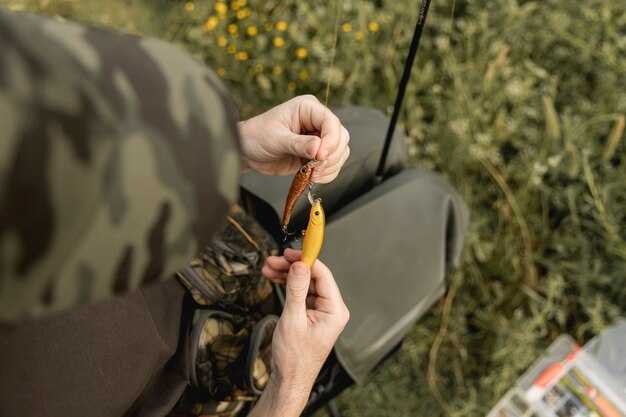
Begin with a 6’6″ to 7′ light-action rod, fast tip, ideal for delicate jigs and live minnows. Pair it with a pflueger President 1000- or 2000-series spinning reel and spool with 6 lb fluorocarbon for near-invisible line, or 6-8 lb monofilament for rough water. Attach a 1–2 ft fluorocarbon leader when using live baitfish, then tie on a 1/32 oz or 1/16 oz jig. Cast with a smooth wrist motion to place the lure where crappie feed; that simple approach works well from shore and in boats.
Rods for versatility: a second setup uses a 7′ rod with fast action for longer casts toward deeper pockets under docks. This lets you probe depths from 6 to 15 ft and reach hiding fish along structure while targeting cover along weed edges and shoreline structure. Maintain a light line to keep sensitivity and avoid spooking fish in clear water. Adjust to your desired depths so you can cover a variety of spots on one trip.
Line and leader strategy: Use 6 lb fluorocarbon as main line on clear water; for stained water or deeper work, switch to 8 lb fluorocarbon or 6-8 lb monofilament. A short leader helps hide the knot and reduces line visibility near baits. Knowing water clarity and forage helps you pick the right colors. Practice knot tying yourself to ensure secure connections. Have your reels loaded so you can switch to a jig or live minnows quickly.
Jigs, baits, and colors: carry a variety of jig shapes and types, including marabou-tipped tubes, curly-tail jigs, and simple plastics. For baitfish patterns, match the shape and hues with natural minnows; in northern waters, white, chartreuse, and orange combos often perform best. Use colors and hues that match what the fish are feeding on; thats why a mix of white, chartreuse, and pink baits usually yields. Use a small bobber for live minnows or run jig-and-bobber for precise depth control. Always have a spare jig in your tackle box for quick changes as you see minnows moving below the surface, and adjust to the shape and size of the forage you’re finding.
Presentation and target: When you target shallow shore pockets or weed edges, start with lighter jigs (1/32 oz) and work up to 1/16 oz if the water is a bit deeper. For vertical jigging over structure, drop to the bottom and lift in small increments to imitate feeding baitfish; know the depths and cast repeatedly to locate active schools, especially in northern lakes where fish may hold near cover early and late in the season. With the right mix of jig types and baits, you’ll improve your odds at producing excellent crappie fillets later in the day.
Maintenance and setup tips: after fishing, inspect knots, trim loose line, replace worn hooks, and store gear in dry conditions. Carry a compact tackle box with extra jigs, hooks, and bobbers; ensure that your line color matches water clarity, and keep track of what colors and baits produce bites so you can refine your approach next time. Knowing your own style and preferences helps you cast confidently and fish effectively by yourself.
Bait and Lures: Live Minnows, Jigs, and Spoons
Use live minnows as your primary bait and fish them with a light jig and a slip-bobber to keep them at the target depth. Hook minnows through the lips for natural motion and to increase strike chances. Tackle should be light–6–8 lb test line and a small 1/16–1/8 oz jig head fit most lakes; switch to a slightly heavier jig if the water is stained or the fish are deeper.
Jigs work best when paired with a soft-plastic trailer or live minnow as a tail. Start with 1/16–1/8 oz heads in colors that contrast with the water–chartreuse, pink, white, or blue-white combos. Present them with a series of quick hops and a long, neutral pause to draw them in. Include a tiny fillet scrap scent or a fish-oil attractant to boost bite, but keep it subtle so it doesn’t wash the action.
Spoons offer a different flash. Use 1/4–1/2 oz spoons in silver, gold, or copper hues. Retrieve with a deliberate motion–a quick pull then a drift; this creates motion that can provoke bites on suspended fish near timber and gravel edges. For crappie near the surface or around cover, switch to a slower, horizontal retrieve so the spoon prances just under the surface.
Focus on structure: fallen timber, brush piles, and gravel pockets where minnows congregate. Crappie hold in slightly deeper pockets during bright days and suspend near cover when the sun is high. Vary depth and timing to find them; in the mornings you’ll often find them shallower near timber, while afternoons push the bite deeper.
America’s lakes host generations of anglers who use these techniques to maximize catch. in america, anglers adapt these tactics to local lakes. Ways to deploy them include alternating between live minnows, soft-plastic jigs, and spoons, and never rely on a single method. Keep colors bright in stained water and natural in clear water, and adjust by motion and depth until you spot the bite. If a tactic works, try anything that keeps them biting.
Location Tactics: Structure, Cover, and Water Clarity
Target submerged structure at 8-12 feet with a slow, tight-retrieve using a shad-colored jig or a small minnow-imitating soft plastic; keep the lure near the bottom, and feel for the first bite as the lure is retrieved. Use your reels to control line speed and stay in touch with the bite as you move along the edge.
Structure tactics: focus along vertical edges of drop-offs, points, and timber piles; search the bottoms where relief creates funnels. Cast parallel to the edge and use short hops to keep the lure in the strike zone. This approach is generally proven to work, with feeding opportunities opening along the structure threshold. These techniques save time and improve accuracy when you target the right depths and cover.
Cover tactics: weedlines, brush, fallen trees, and rock piles in 6-15 feet offer shelter and feeding lanes. Check the tackle department for a light jig or soft plastic; present your lure through gaps with a light, tight reel, and pause as you reel to let the bait sink into pockets along the edge. If you see crappie moving tight to cover, adjust cadence to provoke a bite and stay patient as they gather in the pocket.
Water clarity governs color, depth, and retrieve. In clear water, stick with natural shad or minnow imitations and a slow, steady rhythm to keep the lure above the bottoms; in stained water, shift to brighter colors and a faster, short-pause reel to provoke a bite. Keep your lure within 8-12 feet of depth and move along structure edges where feeding occurs most days, especially during low light windows in spring and fall. This approach helps you stay consistent with feeding patterns and increases your success rate.
Across the country, guides and locals name spots by structure type; generations of anglers share feeding tips, allowing another generation to learn where to fish from any body of water. Part of this strategy is tracking results and refining your approach. However, stay flexible and switch spots if the bite stalls, using your reels from the tackle department or a spare reel to adapt quickly. The right blend of fishing techniques and structure-focused moves leads to successful days, no matter the name or country you fish in.
Final Crappie Fishing Tips: Quick Hacks and Common Mistakes
Start with a 1/8-ounce leadhead and a 2.5-inch paddle-tail; this setup provides immediate action and reliable hook exposure. Use a smooth, sweeping retrieve and a steady cadence to keep the bait in the strike zone while the jig ticks the bottom. Youll feel bites as the line tightens and the circle of cover around docks, fallen timber, or weed edges makes crappie ambush the lure.
Detecting a bite requires a sensitive line and a patient angler. Use a light rod and 6-8 lb test line; watch the rod tip and the line for micro-twitches. When you detect a nibble, lift gently or reel to set, avoiding a hard yank that can pull the bait free. This approach keeps action steady and increases your connection with subtle takes.
Shade matters, especially in hawaii or warm climates where midday glare can push crappie deeper. Seek shade pockets along structure–under docks, around overhanging limbs, or near weed edges–then work the sides of cover with a tight, loud yet controlled strip. In these spots, you’ll often find higher strike rates and shorter, more decisive bites.
Depth control comes from adjusting weight and line length. Switch to smaller heads (1/16- to 3/32-ounce) for shallower flats and bounce up to 1/8-ounce for deeper, slow-current zones. Adjusting the cadence–short pauses after a sweep and a slow, smooth reel–lets the bait settle in the target layer. Reels with a light, predictable drag help you maintain contact without spooking wary fish.
Avoid typical mistakes that cost bites: fishing without a plan for structure, overfishing one spot, or neglecting wind and current. Flip the lure to explore pockets on the far side of cover and then sweep back to the near side, keeping your line tight and your presentation natural. While you experiment, keep the lure inside the crappie’s comfort zone and avoid dragging it through heavy cover that wrecks hooks and spooks fish.
Consider the factors that drive success across generations of anglers. Which options fit your water, cover, and season? The ultimate method blends proven options with a steady rhythm and minimal gear fuss. As an angler, you work within a name you trust–the simple, effective leadhead-and-grub approach–while refining the presentation through environment, timing, and technique. Remember that crappie respond to calm, confident actions, not rushed, flashy moves, and you’ll find more bites when you balance sensitivity, cadence, and control.
| Hack | Why it helps | Cadence / Setup |
|---|---|---|
| 1/8-ounce leadhead with 2.5-inch grub | Provides fast action and solid hookups in shallow to mid-depth cover | Sweep with a smooth 1–2 second cadence; reel lightly to maintain contact |
| Sweeping, smooth retrieves | Keeps bait in the strike zone and reduces snag risk | Pause briefly after each sweep; vary pauses by cover density |
| Target shade edges | Crappie move to cooler, structure-rich zones during heat | Work along edges of docks, timber, and weed lines; switch to lighter heads as needed |
| Depth adjusting (head weight) | Controls depth to match active layers and current | Use 1/16–3/32 oz for shallow or slow current; 1/8 oz for deeper or windy days |
| Side and circle presentations | Explores pockets and backside cover where crappie hide | Flip lure to the far side, then sweep back along the edge |