


 Magyar
  English (UK)
  Русский
  العربية
  日本語
日本語  한국어
한국어  Türkçe
  Español
  Čeština
  Svenska
  Português
  Ελληνικά
  Suomi
Suomi  Nederlands
  Română
  Italiano
  Français
  Polski
  Українська
  Deutsch
  简体中文
简体中文  Slovenčina
 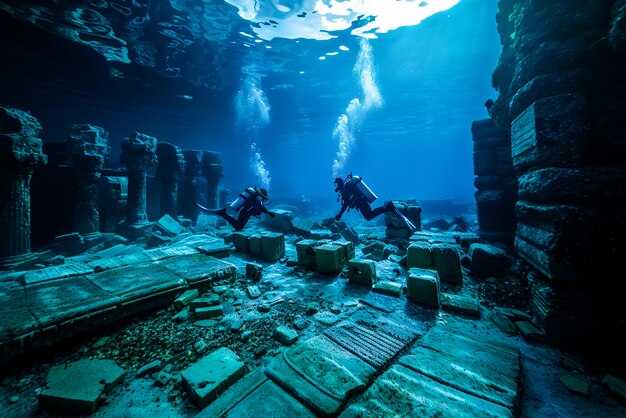 The Amazing History of Scuba Diving – From Ancient Roots to Modern Underwater Exploration">

Kezdjücsel. mastering buoyancy and essential equipment checks in a calm pool, then take your first steps toward open-water exploration with a qualified instructor for safety and comfort.
Nearly every ancient culture experimented with breath-hold methods, and the japanese ama divers laid a practical groundwork with simple masks and weights. Those early techniques, mentioned in maritime chronicles, that mark the beginning of organized underwater work.
By the mid-20th century, the frenchman Jacques Cousteau–with Emile Gagnan–invented the Aqua-Lung, a portable compressed-air system that let a wearer stay under longer and work with gear rather than relying on surface air. By 1946, it reached commercial use, and the diver role began to formalize around training and safety protocols.
freediving, with its emphasis on breath-hold efficiency and gliding strokes, has influenced modern training and inspired athletes to push minds toward lighter, leegyszerűsített setups that boost comfort and confidence.
From the 1960s onward, most agencies and manufacturers expanded, refining safety protocols and creating specializált gear for cold water, cave, and wreck work. Equipment evolved to a leegyszerűsített jacket, a buoyancy system, and precise regulators, enabling great stability and a steadier breath for the diver.
Today, curious minds join a structured path, with member communities, accessible courses, and hands-on practice that balances excitement with measured risk. The story continues as technology and training merge to extend safety margins and expand opportunities for underwater exploration.
Practical milestones and ways to get started
Enroll in a certified entry course within two weeks to begin your path in underwater exploration. A typical program combines 2-4 days of classroom and pool work with 1-2 days in open water under supervision, focusing on equalization, buoyancy control, equipment handling, and safety procedures. Expect to invest about $350–$600 for the course; gear rentals run $15–$40 per day, and a basic personal kit (mask, fins, snorkel) can be bought for $60–$120. If you own a scuba kit with a regulator, BCD, and computer, you’ll save on rentals and feel more confident in familiar gear. inventors and early designers contributed to safer gear over time with simple regulators and improved masks; today’s options are more reliable and accessible.
Let your desire for continued exploration guide you into learning the basics with a local association. These groups connect people interested in safety and ecology, provide mentorship, and expose you to different sites, equipment setups, and safety practices. Use known safety standards from major organizations and read one basic manual to build a solid foundation before your next session.
Choose your gear approach: rent the essentials for the first month or buy a compact starter kit now. A mask with a good seal, comfortable fins, a snorkel, and a regulator with a reliable octopus are core pieces; a basic BCD and a computer can come later. A sophisticated setup adds a console, transmitter, and backup air supply, but you can progress gradually to stay within budget. This plan keeps you safer and helps you learn the natural rhythms of buoyancy while you build familiarity with the environment and your own limits. Accessories such as spare o-rings or a spare battery are available from most shops, so you won’t get stuck on a field site.
After the initial certification, add specialty courses such as buoyancy, navigation, and safety rescues. These expand your skillset and keep you within safer boundaries while you gain confidence to explore new sites again with a partner. Most programs schedule a pool session and several open-water days, often over weekends, which fits a busy to-do list.
Respect for biodiversity anchors the culture of underwater exploration. Learn to assess sites, avoid touching wildlife, and maintain a stable stance to reduce contact with fragile organisms. In coastal regions, you’ll encounter a mix of natural habitats and human activity; guided experiences that emphasize conservation help you connect fascination with responsible behavior. The japanese tradition of coastal practitioners offers valuable perspectives on breath control and patience, enriching your adventure and keeping you curious.
If you crave adventure and have a natural curiosity, try a beginner freediving session to improve breath control and relaxation. This cross-training enhances safety awareness for scuba sessions again and supports better energy management during longer outings. You’ll find that freediving instructors often share tips that transfer to your scuba practice.
Practical availability matters. Look for accredited instructors or a recognized association with clear safety standards. Availability tends to rise in warmer months, but indoor pools provide year-round practice. Start with a single introductory session and then commit to a structured program to build a solid baseline. This is a great way to begin.
Ancient Breath-Hold Techniques and Primitive Gear
Begin with a practical rule: stay within your limits and build freedom through measured practice. Use simple systems: relaxed breathing, a short breath hold, then gliding with minimal movement to conserve energy, repeating in short cycles to reduce fatigue. These disciplined steps reflect sophisticated thinking across generations.
Across civilizations, practices varied, named approaches that were called for breath control and body position. In roman harbors, divers trained near the quay, dreamed of freedom under the surface, and adopted education routines that improved air use before negotiating hulls, which were long and shadowy there. Early lessons opened a path to safer experiments, shaping later training networks.
Primitive gear remained lean yet instructive. There were attempts to couple air supply with simple masks, and discussions about closed-circuit concepts and surface lines helped some explorers extend their time. In the soviet era, researchers studied how simple buoyancy aids and calm exhalations improved stability during longer holds. Manuals circulated, and some observers shared insights online, with rebikoff and prieur becoming shorthand for a tradition of education and careful experimentation that emphasized less risky steps for novices.
shipwrecks provided practical classrooms where divers learned by observing currents and hull shapes, applying calmness to keep the breath inside longer. The divers themselves refined posture and gliding efficiency to minimize air use, turning wreck outlines into geometry that informed later training drills.
There remain traces of these early practices in contemporary exploration, preserved in online archives, museum labels, and field notes. These materials illustrate a continuum from antiquity to modern undersea work, where the dream of discovery persists even as equipment evolves and knowledge grows.
The Rise of Diving Bells and Early Breathing Devices
Begin with a clear air-path map from surface pumps to the bell interior and log each connection. Bound the activity to 6 to 12 meters for early trials and track how long crews could stay inside as air was replenished from above.
Early devices were typically bell-shaped chambers, often wood or metal, lowered by rope. The little crew inside relied on surface pumps that pushed air through a tube into the bell, which opened access to shallow tasks, keeping water out and allowing a little time inside the bell.
The earliest accounts from greek sources and other peoples show how bells were sealed and how air flowed into the inside. These secrets of air management opened access to shipwrecks and the habitats of nearby creatures.
Developments included surface pumps, valves, and hoses, plus rudimentary rebreather concepts that tried to recycle exhausted air. Typical depths remained modest: 6 to 12 meters as standard, with occasional pushes to 20 or 30 meters as equipment improved. This progress allowed longer work periods and safer experiments, guiding how future devices would evolve.
Living experiments taught crews to coordinate outside support with inside breathing cycles and built awareness of underwater physics. These experiences helped the teams become more confident operating in constrained spaces and to plan safer procedures. whats ahead in this history includes deeper water work and more reliable air cycles as innovations matured.
womens participation appeared gradually, with womens curiosity pushing documentation of experiments and signaling between surface teams and the bell.
In summary, these early steps built a foundation for later breathing devices and more complex subaquatic work, guiding what future explorers needed to know to operate safely and effectively.
From Rebreathers to Open-Circuit Systems: An Evolution of Equipment
Start with open-circuit systems for most users; their gas supply is straightforward, maintenance is predictable, and service networks are widely available.
Originally designed for sustained operations, rebreathers drew on greek engineering heritage and a culture of compact life-support devices; hollywood productions helped popularize their dramatic potential and inspired many explorer minds to imagine longer stays in water environments.
Leaps in materials, efficient dioxide scrubbers, and smarter electronics changed the equipment landscape, turning a practical concept into reliable gear that teams could count on during complex tasks.
Data received from trials confirmed that rebreathers can extend bottom times under challenging conditions, with some tests reaching 94-meter depths. From these results, explorers know their limits and plan margins accordingly, because training and supervision remain non-negotiable.
From a practicality perspective, open-circuit rigs rely on cylinders, often described as barrels, supplied at the surface; weighted ballast and straightforward buoyancy control keep trim with lowered risk during ascent.
Restoration of older units occurs in dedicated shops, but spare parts and service networks vary by region; their availability shapes which setups operators choose for routine work and emergency readiness.
Water quality and gas cleanliness matter for both systems: open-circuit air must be trusted, while rebreathers depend on reliable carbon dioxide removal and well-maintained scrubber materials to protect comfort and safety. This is where minds behind gear design emphasize clear checklists, because predictable performance rests on disciplined maintenance and careful monitoring of gas composition. The concept of choosing between options rests on mission profile, environment, and the explorer’s experience–data, feedback, and field tests all inform that decision.
| Aspect | Rebreather | Open-Circuit |
|---|---|---|
| Gas supply | Gas is recycled, with scrubbers removing carbon dioxide and maintaining a chosen mixture | Gas stored in cylinders; supply is direct and predictable |
| Súly és felhajtóerő | A súroló modul növeli a súlyt; a súlyozott konfigurációk befolyásolják a trimmet | A hengerek növelik a súlyt, de egyszerűsítik az egyensúlyt és az emelkedés szabályozását |
| Karbantartás | A gyakori kalibrálás, a tisztítóberendezés ellenőrzése és a szivárgásvizsgálatok külön eljárásokat igényelnek. | Alacsonyabb karbantartási igény; a szokásos szervizek támogatják az alkatrészellátást és az ellenőrzéseket |
| Működési idő | Lehetőség a hosszabb merülési időre, ha a körülmények és a képzés lehetővé teszik | Hengeridő korlátozza; a gyors cserék folyamatosan tartják a munkameneteket |
| Képzés és szakértelem | Merészebb tanulási görbe; a biztonsági tartalékok a tapasztalattal nőnek | Szélesebb körű bevezetési útvonalak; felhasználóbarát a szélesebb közönség számára |
| Költség és helyreállítás | Magasabb kezdeti költség; folyamatos karbantartás; a helyreállítás meghosszabbíthatja az élettartamot | Alacsonyabb kezdeti költség; széles körben elérhető és könnyebben cserélhető alkatrészek |
Alapvető Felszerelésfejlesztések: Maszkok, Uszonyok, Légzőautomaták és Palackok
Kezdj egy konkrét fejlesztéssel: válassz egy kis légterű maszkot szilikon peremmel és edzett üveggel. Ez nem is lehetne egyszerűbb: csökkenti a felhajtóerő változásait az arcod közelében és minimálisra csökkenti a víz bejutását, ami kiszámíthatóbbá teszi a többi eszköz kezelését a víz alatti foglalkozások során. Az oktatók és tapasztalt búvárok által említett elképzelés az, hogy először megbízhatóan zárjon, így a meghajtásra és a levegő kezelésére összpontosíthatsz, és lehetővé teszi a fejlődést a szabadtüdős merülés és a szabadidős használat során.
A maszk kiválasztásánál az illeszkedés a legfontosabb. Próbáljon ki több modellt, hogy találjon egyet, amely tökéletesen zár, anélkül, hogy túlzottan nyomná az arcát, majd tesztelje sekély vízben úgy, hogy belélegez a maszkot az arcához szorítva (szíj nélkül). A jó zárás csökkenti a párásodást és javítja a látómezőt zavaros vízben, ami fontos csoportos kirándulásokon vagy törmelékkel teli roncsok felfedezésekor. Történelmi feljegyzések szerint a szovjet csapatok egyszerű, megbízható maszkokkal és felszerelésházakkal kísérleteztek, amelyek megvédték az arcot a nehéz körülmények között is. Fernez neve néha felbukkan a levéltári katalógusokban, mint a moduláris elemek korai tervezője; függetlenül attól, hogy minden állítás pontos-e, a tendencia egyértelmű volt: a jobb tömítések, a könnyebb hevederek és az egyszerűbb karbantartás számos utat nyitott meg a modern konfigurációk előtt.
- A kis térfogatú maszkok csökkentik a légzési erőfeszítést és stabilizálják a látómezőt; válassz szilikon peremmel és edzett üveglencsékkel rendelkezőket.
- Próbáld ki vízben, ellenőrizd, hogy kényelmesen illeszkedik-e pántfeszesség nélkül, és vizsgáld meg, hogy tisztítható és páramentes a felülete.
Auszonyok kulcsfontosságúak a sebesség és a manőverezőképesség szempontjából. A nyitott sarkú, állítható pántos uszonyok búvárcipőkhöz és hidegebb vizekhez alkalmasak, míg a zárt uszonyok meleg vízben, minimális felszereléssel jeleskednek. A lapát merevségének összhangban kell lennie a tapasztalatoddal: a kezdők számára a lágyabb lapátok előnyösek, amelyek megbocsátó gyorsulást kínálnak, míg a közép- és haladó szintű felhasználók hosszabb lapátokat használhatnak a nagyobb siklás érdekében. Próbálj ki mindkét stílust egy ellenőrzött medencei foglalkozáson, hogy érezd, hogyan alakulnak át a rúgásaid hajtóerővé az áramlatban és az akadályok körül, ami fontos, ha egy csoportos kiránduláson véded a csapattársaidat, vagy roncsban navigálsz törmelékkel.
- A nyitott sarkú uszonyok biztonságos pánttal jól működnek búvárruhával vagy csizmával; a zárt sarkú uszonyok könnyebbek, de mezítláb vagy vékony zokniban használhatók.
- Pengehossz és merevség: rövid, puha pengék a gyors induláshoz; hosszú, merevebb pengék a tartós meghajtáshoz nyílt vízen.
A légzésszabályozók megérdemlik a figyelmet a légzési komfort és a megbízhatóság miatt. A Gagnan-féle készülék mérföldkövet jelentett a levegőellátásban, a modern légzésszabályozók pedig tovább csökkentették a légzési erőkifejtést, és növelték a megbízhatóságot hideg vízben és mélyebben. Válasszon kiegyensúlyozott első fokozatot, hogy a palacknyomás csökkenésével is egyenletes maradjon a légzési munka, és párosítsa egy olyan második fokozattal, amely sima, kiszámítható légáramlást és felhasználóbarát venturit biztosít. Győződjön meg arról, hogy a tömlők úgy vannak elrendezve, hogy minimálisra csökkentsék az akadást, és tartson kéznél egy tartalék második fokozatot a víz alatti tevékenységek során. Nitrox használathoz válasszon olyan légzésszabályozót, amely kompatibilis a magasabb O2-keverékekkel, és ütemezzen be egy megfelelő oxigéntisztító szervizelést, ha rendszeresen 32%-nál magasabb keverékeket használ.
- A kiegyensúlyozott első fokozat csökkenti a légzési erőfeszítést a teljes tartományban; ellenőrizze a tanúsítványt és a szervizelőzményeket.
- A második lépcsőnek kényelmesnek kell lennie a szájban, állítható venturival és megbízható öblítőszeleppel, ha szükséges.
A tartályok alumíniumból és acélból készülnek, a leggyakoribb szabadidős méretek 12 literes (80 cu ft) és 15 literes (100 cu ft). Az alumínium könnyebb és könnyebben kezelhető a parton; az acél kisebb felhajtóerő-változást kínál, amikor tele van, és nagyobb tartósságot a zord környezetben. A töltési nyomás régiónként eltérő (gyakran 200 bar vagy 232 bar körül); ellenőrizze a helyi szabványokat, és győződjön meg arról, hogy a felhajtóerő és a súlyok egyensúlyban vannak a választott gázzal. Nitroxhoz szüksége lesz egy dedikált, a keverékkel felcímkézett palackra, és egy megbízható analizátorra a helyszínen, hogy használat előtt megerősítse az összetételt. A tipikus képzési keverékek 32–36% O2-tartalommal csökkentik a nitrogénfelvételt a rövidebb felszíni időszakok érdekében, de mindig tartsa be a tanúsítványát és a helyi szabályokat. A roncsmerülés tervezésekor fontolja meg a könnyebb felszerelés és kesztyűk által nyújtott további védelmet, hogy biztonságosan kezelhesse az éles törmeléket. A folyamatos fejlesztéseknek köszönhetően sok klub biztonságosabb, jobban felszerelt csapatokat tüntet ki, és ezek a díjak inkább a gondos karbantartást és az okos fejlesztéseket tükrözik, mint puszta számokat.
Tanúsítványok, képzések és biztonságos búvárgyakorlatok napjainkban
Kezdd el a tevékenységet elismert szervezetek tanúsítványával, és még minden vízi tevékenység előtt végezd el az elméleti, a védett vizes és a gyakorlati foglalkozásokat.
Általánosságban a képzés először általános készségeket épít, majd haladó modulokat, a felhajtóerő-szabályozásra, a levegőgazdálkodásra és a buddy rendszerre összpontosítva egy csoporton belül. Hidegvízi munkához szárazruhák kerülnek bevezetésre, és a sűrített levegős opció bemutatásra kerül a kiválasztott utakhoz., allowing easy progresszió és freedom a biztonságra már amúgy is odafigyelő tanulóknak.
Always végezzen munkamenet előtti ellenőrzéseket, és használjon védőszemüveget, ahol szükséges, a felszíni tevékenységek során; a víz alatti elemeknél támaszkodjon megfelelő maszkra és konzervatív tervre. Ez a biztonságra összpontosító megközelítés támogatja a természetvédelmi célokat és a tengerek gondozását, összehangolva a személyes tanulást a közösségi elvárásokkal.
A tervezés kiemeli a lépésenkénti fejlődést, ahol szakképzett oktatók célzott coachinggal segítik elérni a haladó szintű kompetenciákat, mindezt a biztonság és az élvezet fenntartása mellett.
Sok tanuló álmodtam a fejlett technikák elsajátítását; egy strukturált programmal fokozatosan kiterjesztik tudásukat a szabadidős tevékenységek határain túl. A szervezetek frissítik tanterveiket, hogy megfeleljenek a keresletnek és támogassák a tengeri élőhelyek védelmét, miközben a használt berendezések és rendszerek megbízhatóak és egyszerűek maradnak, ensuring szabadságot nekik és a csoportnak.