


 Magyar
  English (UK)
  Русский
  العربية
  日本語
日本語  한국어
한국어  Türkçe
  Español
  Čeština
  Svenska
  Português
  Ελληνικά
  Suomi
Suomi  Nederlands
  Română
  Italiano
  Français
  Polski
  Українська
  Deutsch
  简体中文
简体中文  Slovenčina
 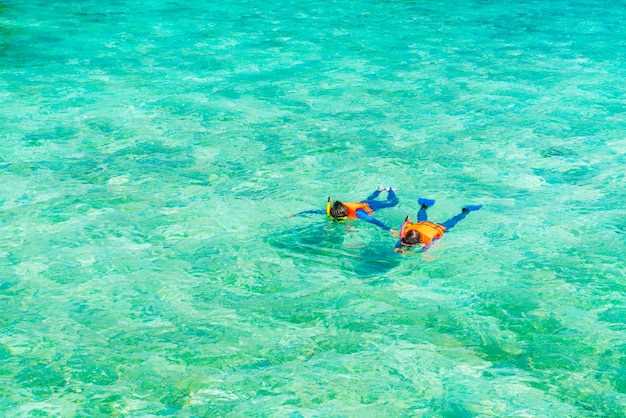 Snorkeling in Martinique – Best Spots, Tips, and Marine Life">

Begin with a morning session at a sheltered îlet off Martinique’s volcanic islands to maximize visibility, keep currents gentle, enjoy close encounters with living creatures. then follow a guided route focusing on sub-marine topography.
Exact routes toward nearby îlets and reef faces matter; such sites are called îlets. Boat transfer takes 10–15 minutes; visibility 12–20 m; water temperature 26–29°C; rough surface up to 1.5 m swell; yellow parrotfish in shoals.
Local knowledge, such as madame pierre, keeps a book with tide windows, currents, routes leaving from the pier. pierre marks certain exit points for safety; before leaving, aware such notes boost safety, reduce environmental impact.
Expect incredible sights: sub-marine ridges host living creatures such as yellow parrotfish, queen angelfish, nurse sharks gliding near reef sides; moray eels peek from crevices; observe above the bottom with distance; rough surface near ledges requires careful footing; keep distance from corals.
Equipment: mask with secure strap, sub-marine fins, snorkel with purge valve; sunscreen reef-safe; water bottle; trash bag; keep distance from corals; monitor current shifts; plan leaving after roughly 60 minutes per site; rough conditions possible in afternoons.
Practical snorkeling blueprint for Martinique
Start with a concrete plan: head to the pointe Bouillant on the west coast at first light; enter from a shallow edge where corals begin; drift along seagrass meadows into blue shallows; stay within 1 km of shore; duration 40–60 minutes; pair up with a buddy; attach a high-visibility buoy; check tides; select a calm day; leave the water if winds rise to a high level; rough water calls for postponement; a quick boat ride to the entry zone might be paid if you choose a guided option; this plan has been tested by local guides.
Two practical routes exist nearby: route one, from the pointe edge toward patches of corals; route two, toward Les Salines, where the coast broadens into salt flats, seagrass beds; a wreck site nearby called Old Hull offers occasional glimpses during slack tides; articles from local divers highlight varieties visible anywhere from blue ocean shallows to deeper ledges; watch fishing boats nearby; the opposite shore sometimes yields calmer water; a paid guided outing increases safety; theyd noted the drift opposite wind direction provides safer entry.
Gear checklist: mask, fins, a dry-topped breathing tube; buoy; surface marker buoy; whistle; water; sunscreen; spare battery; keep distances from corals; avoid entanglement with seagrass; respect boat traffic; paid trips require following guide directions; felt safer after briefing.
Sightings: blue tangs, parrotfish, surgeonfish; stars near seagrass; starfish; small rays glide above sandy patches; patches of corals display color varieties.
Seasonal clips: articles note visibility swings; morning window often calm; west winds can shift quickly; Les Salines coastal zone remains popular for shallow coves; from pointe to salines, this blueprint works anywhere along the coast; a licensed operator with a paid plan delivers consistent results.
Assess water clarity and currents at each site before entering
Enter only after confirming water clarity; current strength; visibility at each site.
Perform a quick reconnaissance from the open boat: observe turbidity; color changes; floating debris. If murky, switch to another îlets area or wait for calmer conditions; if strong surge remains, retreat to a safer wall or rocky shelf.
Southern exposures present varieties of clarity across months; though storms move currents, safety remains paramount.
Document measurements in a field book; include site name, date, time, visibility, current direction, depth; log conditions where entry begins. This data draws comparisons across conditions before entry.
These articles describe Trois zones for comparison: open shelf; drift channel; protected cove near îlets.
Booking a local expert is recommended; such guidance enhances safe access.
Pufferfish nearby signal reef structure; maintain distance; opposite approaches reduce risk.
Fans of underwater imagery enjoyed incredible visibility; photos from those sessions show the most striking textures, long exposures recording detail.
To maximize safety, stay within shallow zones near the randeau top; keep a lookout for turtles; plan a break near figuier shade. Having practice makes staying within limits easier.
These routines turn risk into managed exposure; most visitors walk away with calm experiences, lasting memories around îlets.
Beginner-friendly bays with calm, swimmable conditions
Recommendation: head to sheltered bays along the warm, humid coastline during early light; calm surface, shallow beds, minimal waves; clear view; start with a shallow entry to build confidence.
Choose spots with short access from coast paths; families benefit from nearby facilities; water remains mild when winds ease from the east; peak clarity occurs after sunrise; photos thrive in transparent water; vibrant life flourishes in shallow zones.
- Calm Cove grande: sheltered with warm, humid mornings; calm conditions; shallow beds; nearby reef; sea fans; wreck visible at shallow depth; church stands on the bluff; view across the coastline; ideal for families; wind shift to east enhances calm; pierre rock outcrop on the left; grande coastline within reach.
- Whispering Salines: sheltered pocket near old salt works; early light; warm water; gentle entry; corals, sea fans; beds with fish; figuier shade nearby; clear pictures possible; facilities included; rinse station; coast path access; suitable for beginners; when visibility improves, keep within shallow zones.
- Snake Reef Pocket: gentle waves; reef close; corals vivid; snake eels lurking in sand; warm visibility; small wreck nearby; views from sand; kids under supervision; coastline view; conditions stable with mild currents; when sea runs soft, prime for beginners.
- Grande View Point: rocky headland with pierre features; sheltered surface; warm, humid; shallow beds; stands of coral; sea fans; wreck remains within shallow range; church nearby; pictures possible; coast path access; families welcomed; weather conditions ease with easterly breeze.
- Other options: calm coves with steady conditions, smaller groups, shorter exits; others may require a short hike from parking; check tide tables early.
Iconic reefs and accessible routes: Le Diamant, Anses d’Arlet, Pointe du Bout
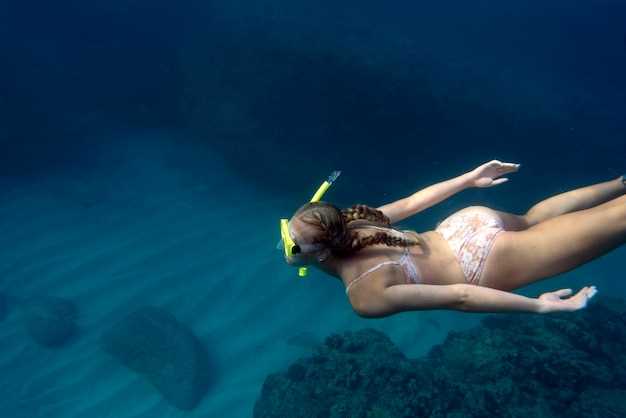
Start at Le Diamant at dawn: calm, clear water; easy entry; a three-section reef lies close to a sandy bottom.
Le Diamant offers a sheltered south coast with two shallow zones feeding a deeper crest. Coral, green patches, eels among crevices; turtle sightings possible; visibility improves during morning hours; staying within four to six meters near shore, then venturing deeper to nine to twelve meters common; conditions stay stable in summer months; currents drift lighter when winds shift north-east; keep a safe distance from the drop-off. If not here, else choose Anses d’Arlet or Pointe du Bout.
For travelers who tried different choices, these three routes stay reliable.
Anses d’Arlet maintains a quieter vibe; anses coast shelters from larger swells; entry from a small dock or beach; sandy patches mingle with coral heads; depths range roughly four to twelve meters; mornings provide crisp visibility; look for coral zones, parrotfish, eels, jack-knifefish; turtle sightings occur; conditions vary with tides; traveling here during the early dry season yields calmer seas.
Pointe du Bout forms a city-front coast with easy access; open bay plus protected pockets; pier area offers a straightforward launch; depths two to eight meters; life along manman reef sections is abundant; morning sessions maximize visibility; during months with light winds, currents stay mild; sandy channels along the shelf, green patches of coral, and several reef pockets provide variety.
| Site | Entry Point | Depth Range (m) | Conditions | Notable Residents |
|---|---|---|---|---|
| A gyémánt | homokos partszéles tengerparti elérés | 3–15 | nyugodt reggelek; enyhe áramlatok; tiszta víz | teknős; ázsiai keselyűráj; zöld késlepkeféligtorzhal |
| Anses d’Arlet (anses) | dokk vagy kis strand | 4–12 | tiszta látótávolság; lágy hullámzás | coral zonek; négy fajú korallhal; teknös |
| Pointe du Bout | mól terület; könnyõ méretülés | 2–8 | nyitott tengerpart; védett öbölök | manman zátony szakaszok; homokos csatornák |
A nap és az évszak optimális időpontjai a láthatóság és a vadas élővilág szempontjából
Tervezze meg a reggeli programokat 6:30 és 9:00 között a lehető legtisztább vízért, kedvező fényviszonyokért, valamint a part menti területeken aktív korallzátony élővilágot észlelhetőségének legmagasabb esélyéért.
- Korai reggeli ablak (6:30–9:00): keleti fényviszonyok; a víz tisztasága általában 15–25 m csendes napokon; ott a táplálék halmok a sekély polcokon, roncs zónákban találhatók; ezt a szakaszt a tapasztalt kalauzok a “százalékos ablaknak” nevezik, amit a sznorkelezők is ajánlanak a legnagyobb változatosság megtekintéséhez, mivel tökéletes a fényképezéshez.
- Késő délutáni időszak (15:30–17:30): a fény iránya javul a sziklás zátonyok közelében; amikor a szél elül, a láthatóság kedvező marad a tengeri helyszíneken; a heller áramlatok apró eltolódásokat okozhatnak a sekély területeken; fejezze be a befejezést a szürkület előtt, hogy elkerülje a zavaros, sekély vizet.
- Évszakok szerinti mintázatok: a száraz év novembertől áprilisig kínálja a legmegbízhatóbb, tisztább viszonyokat; a vizes évszak időnként iszapvíz leszállítását eredményezhet, de a part menti zátonyok előtt hosszú időn keresztül 20 m-es távolság is elérhető.
- Novemberi tipp: azoknak a látogatóknak, akik a tengerparti villában szállnak meg, rövidebb a menetidejük a fő nevezetességekhez; ez csökkenti az utazási időt, növeli az időt, amit az élet élvezésére fordíthatnak; ezért javasoljuk, hogy foglaljanak szakértővezetők által szervezett túrákat a legjobb helyek eléréséhez.
- A helyszínek sokfélesége és a vadvilág: zátonyok, roncsok, sziklás képződmények a sekély síkságokon vonzzák a fajok sokaságát; szép korallok, iskolázott halak, tengeri teknősök, papagájhalak, sebészhaltak, ráják; ezek a jelenetek csodálatosak fotók készítéséhez a kirándulás után is, néhány meglepetéssel a roncsok közelében.
- Tervünk: foglaljon szakértőt az útvonalak kiválasztása előtt; korlátozott a helyek száma, különösen novembertől áprilisig; a látogatók hosszú távú előnyöket tapasztaltak a vezetett programok választásakor; a snorkelezők hosszabb ideig tartózkodnak a vízben, hamar érkezés után több lehetőség adódik a viselkedés megfigyelésére.
Felszerelés, biztonság és etikett ellenőrzőlista egy zökkenőmentes búvárkodáshoz
Indulás előtt teszteld a maszk tömítését; győződj meg róla, hogy a búbánatszájvég kényelmesen illeszkedik; ellenőrizd a finomméretet; rögzítsd a lebegtető eszközt; vigyél magaddal törülközőt meleg kezekért a használat után; a te csoportod hatékonyan mozog.
Maradjon a sekély, meleg zónákban, ahol buja korall emelkedik a homok fölé; sohase lépjen a törékeny zátonyokra; lazítsa a lábát, hogy elkerülje a tengerfenéken pihenő csörgedarázsok zavarását; Martinique nyugati partján, legyen tisztában az áramlatokkal a Trois tengerpartok közelében; tartsa fenn a figyelmét a hajóforgalommal kapcsolatban; szükség esetén jelentsen sérüléseket a legénységnek.
Tartsd a lépést az emberekkel; engedj, ha a láthatóság csökken; a fényképezőgépek kattintása diszkrét; kerülj utakat a csónakos állomások közelében való elzárást; ne hagyj szemetet; a helyiek, látogatók értékelik a tiszteletben tartó viselkedést; ezek a szabályok segítik mindannyiunkat, hogy élvezzük a helyeket, területeket.
A tapasztalt kalauzok megjegyzései mély csatornákat, sekély partokat, a meleg lapokon telelő csörömpanguszákat emelik ki; a kenguru-halak a sziklás képződmények közelében járőröznek; Martinique nyugati területei vonzzák a tengeri élet kedvelőit; az ilyen észleléseket az explorationszerető emberek élvezik.
Az ülések utáni rutinszerű teendők: öblítés egy héler-bélyegzett állomáson a villa közelében; száradás meleg tartóállványon; értékes dolgok tárolása vízálló zsákban; Martinique nyugati zónáiban a hajózás a dokkok közelében körültekintést igényel; a közeli éttermek kikapcsolódást kínálnak.