


 Magyar
  English (UK)
  Русский
  العربية
  日本語
日本語  한국어
한국어  Türkçe
  Español
  Čeština
  Svenska
  Português
  Ελληνικά
  Suomi
Suomi  Nederlands
  Română
  Italiano
  Français
  Polski
  Українська
  Deutsch
  简体中文
简体中文  Slovenčina
 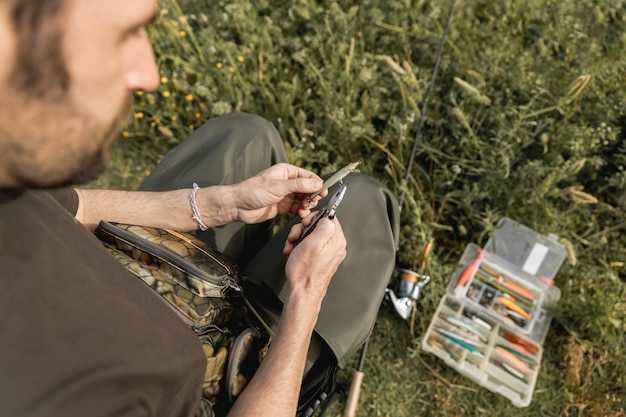 Saltwater Fishing – Five Essential Tips to Hook and Land More Fish">

Choose a versatile gear setup: a medium-action rod paired with 20–40 pounds braided line and a 20–30 feet fluorocarbon leader for inshore waters. This combo stays ready on a boat or from shore and improves bite detection and hook retention. If that setup doesnt fit your target, tweak the leader length or drag in small increments to keep you ready for quick changes.
Match your bait to the season and the local forage. Here, you’ll find the best results by talking with local captains and checking recent catches. If live bait is available, use shrimp or pinfish for redfish and trout; if not, a bright soft-plastic lure with a light jig head can work well. Bonus: a natural presentation reduces misses and keeps you positive. Be observant of current and depth to keep the lure at the right level.
Read current and structure for better strikes. Inshore waters often hold fish along drop-offs, channels, and grass lines, so scan tides, depth, and wind to predict where the fish are. Use a depth finder or local charts to identify ledges and weedlines; cast beyond the target and pull toward the edge with a steady, positive retrieve. Being observant about water color shifts and bait activity helps you adjust quickly; this matters for success, backed by research and local reports.
Manage the hook set and fight strategically. When a bite is detected, keep the rod tip up, count a beat, then sweep with a firm, controlled hookset. Let the fish take line gradually to avoid deep-hooking, then reel with a smooth cadence. Start with a drag at roughly one-third of your line test and adjust for target size. This approach works across species, from trout to giant game fish, and increases your land rate when timing matters.
Prepare for rapid changes and have a ready plan. Always carry spare leaders, pliers, and a net in the boat; keep a positive mindset and ready-to-switch lures. If you arent getting bites, switch targets, try a different color, or move 10–20 yards to drop into a new current seam. The internal discipline of staying observant, tracking results, and adjusting quickly often makes the difference between a quiet day and a productive session.
Saltwater Fishing: Five Tips to Hook and Land More Fish; Conservation Best Practices
Get a license and review the guidelines before you start; knowing the rules keeps life in balance and prevents needless losses.
-
Plan your target and gear first. Identify the species you are targeting, then match your rig to the basic guidelines for that fish. Use the right types of tackle and line, and select equipment that supports artificial or plastics baits as appropriate. Keep a simple step-by-step approach: know the season, the depth where the fish feed deep, and the structure you’ll fish. This preparation increases your hook-to-land ratio and reduces time wasted on ineffective setups.
- Choose hooks and leaders that suit the species; consider circle or other appropriate designs to reduce gut hookups.
- Carry a few basic lure options, including plastics and other artificial options, so you can adapt quickly to conditions.
-
Position and presentation matter. Target structure, troughs, and current edges where fish congregate. Toss your bait or lure to the deepest likely pockets, then work it through the current with steady retrieves. Keep the line tight to feel bites, and adjust your depth to keep the connection strong as the fish moves through the water column.
- Try a few techniques to find what works best that day, shifting between slow rolls and snap retrieves as needed.
- Watch for water clarity and tide changes; deep water often holds more activity after a turn in the current.
-
Set the drag and present the hook correctly. Begin with a conservative drag, then test it by reeling against a light pull. If a strike comes, allow the fish to take line briefly before you set, then firm the pull to drive the hook home. This step helps increase the chance of a solid hook-up while avoiding snap-offs in tough conditions.
- During a fight, maintain steady pressure and let the fish run briefly through the drag, then reel back to regain control.
- Keep the connection with steady hands and a smooth, controlled arc of your rod tip.
-
Fight, land, and release with care. When you bring a fish to you, minimize handling time and keep the life of the fish in mind. If you plan to release, use wet hands or a dehooking tool, avoid lifting heavy fish by the jaw, and limit air exposure. If you plan to keep, follow the guidelines on size and bag limits and reset your expectations for future trips.
- If a fish isn’t ready, gently release it back while still submerged to reduce stress.
- After a missed bite, reset your setup and try a different lure type or depth to maintain momentum.
-
Conservation-first guidelines ensure long-term fishing health. Always verify your license status, respect seasonal closures, and avoid targeting protected or vulnerable populations. Use responsible gear choices–prefer barbless or easily removable hooks when possible–and practice catch-and-release with minimal handling. Dispose of plastics and fishing line properly, and pack out everything you brought in. This thoughtful approach keeps life vibrant on fishable grounds and supports ongoing learning for you and future anglers.
- Respect the habitat; fish where your guidelines permit, and never chase fish in protected zones.
- Document yourofficiations and reflect on your learning so you can improve technique without increasing pressure on wildlife.
Targeted, practical tips for saltwater anglers
Plan a pre-trip gear check: inspect line for nicks, replace worn leaders, test the drag on your reel, and wipe salt from everything when you finish. This five-minute routine saves broken leaders and lost fish once you reach the waters.
Protect your skin and hands: sunscreen, long sleeves, and light gloves reduce sunburn and abrasion without adding bulk. If theyre new to saltwater, start with these basics, reapply sunscreen as you check gear after splashes, and keep your hands clean and dry before handling knots and leaders.
Choose leaders and knots that bite on saltwater fish: use fluorocarbon or abrasion-resistant mono, tie a strong knot cleanly, and test the knot by pulling the line to ensure it holds. Your rigging practices should favor abrasion resistance. Include a short back-up leader and keep spare line in a dry pouch on the seat or in a waterproof box.
Handle fish quickly to minimize stress: keep them in the water during unhooking or release, wet hands or use a wet rag, and avoid touching gills. This makes the life of the fish better and you more likely to enjoy a successful, humane release.
Plan after-action cleanup and storage: rinse gear with fresh water, avoid leaving salt on reels, dry everything before packing, and store lines and leaders in a clean, dry bag. This helps your gear last longer and keeps future trips smooth as you prepare for the next waters. The priority is safety and readiness for your next trip.
Select the right rig and tackle for your target species
Choose a Carolina rig for reef and bottom fish, using 20–40 lb braid with a 60–80 lb leader and a 2/0–4/0 hook. For giant pelagic targets, switch to a long‑cast trolling setup with 30–50 lb braid, a 60–80 lb leader, and a 5/0–7/0 hook. These two options cut complexity and keep you moving efficiently, especially when heading into deeper water.
Knowing your environment drives weight, leader length, and lure choice. In difficult current or around heavy structure, add weight and shorten the leader; in calm water with clear surroundings, extend the leader and use more subtle plastics or natural baitfish rigs. Although plans vary, start with gear you trust and adjust as needed. The attitude you bring on deck matters as much as the hardwear you choose, and these tips help your passengers stay calm while you guide the boat toward bites.
These guidelines incorporate both baitfish and artificial options, so you can adapt under changing surroundings. The key is to set up correctly, then familiarize yourself with the currents and bottom contours. Knowing when to switch rigs and how to connect lines keeps your hands free for the next bite, heading toward the next target, and going after the next opportunity with confidence, even if the conditions aren’t ideal.
The setup doesnt require guesswork and works with most species if you stay deliberate. Carefully inspect knots, tie correctly, and check for fray before each cast. Share these practices with your crew, guys, so everyone stays aligned and can help keep the line away from structure, down into the water column, and toward the bite. Your mindset and preparation influence every hookup, so keep your attitude steady and your movements deliberate for better results yourself.
| Target species | Recommended rig | Line/Leader | Horog méret | Megjegyzések |
|---|---|---|---|---|
| Snapper/Grouper (reef/bottom) | Carolina or bottom rig | 20–40 lb braid; 60–80 lb leader | 2/0–4/0 | Present baitfish or artificial baits close to structure; use a moderate sinker |
| King Mackerel (pelagic) | Long‑cast trolling rig or sliding‑sinker rig | 30–50 lb braid; 60–80 lb leader | 4/0–7/0 | Fontolóra veheted az acél előkét a fogak miatt; használj gyorsan mozgó wobblereket vagy élő csalit |
| Amberjack / Óriás fattyúmakréla | Nehéz fenéksúlyos szerelék vagy jiggelés | 60–100 lb fonatott zsinór; 80–120 lb előke | 5/0–7/0 | Készülj fel a kemény húzásokra, maradj szorosan és mozogj a hallal. |
| Barracuda | gyorskapocs vagy drótelőkés szerelék | 50–80 lb monofil zsinór; 60–100 lb előkezsinór | 4–5/0 | Éles horgok; kerüld a lazaságot a prezentációban |
Időzítsd a harapást az árhoz, az áramlathoz és a holdfázishoz igazítva
Időzítsd a dobásaidat az árapályforduló utáni 60–120 percre, amikor az áramlatok felerősödnek és a kapások megszaporodnak. Kövesd a helyi árapály-táblázatokat, és célozd meg a csatornákat, párkányokat és örvényeket a part mentén, ahol a víz a csalit és a ragadozókat tereli.
- Időzíts az árapály szerint: horgássz a beáramló árapály utolsó órájában és a kiáramló árapály első órájában, majd újra a következő árapály csúcsa közelében. Ez a csali a biztos kapási zónában tartja, ahol sok faj járőrözik a széleken.
- Áramlat és hely: keress varratokat vagy töréseket, ahol a mozgó víz koncentrálja a csalit. Dobd a szerkezet mögé, vezesd a csalikat a szélén keresztül, és tartsd feszesen a zsinórt, hogy gyorsan reagálhass a kapásra.
- Holdfázis: Újhold és telihold idején a dagály nagyobb, a kapási időszakok pedig hosszabbak. Maradj tovább egy ígéretes helyen, és célozd meg a mélyebb csatornákat vagy a meredek eséseket, ahol a legerősebb az áramlat. Negyedekkor rövidebb kapási időszakokra számíts, és ennek megfelelően hamarabb válts helyet.
- Csali és felszerelés megközelítés: válassz olyan csali típusokat, amelyek jól bírják az áramlást – tiszta, puha műcsalik, kanalak, wobblerek és jigek. Használj erős zsinórokat, sima orsót és olyan fogást, amely biztosan tart, miközben a csalit a határvonal mentén vezeted.
- Technika: Kezdd egy közepes sebességű bevontatással a mélyebb részek közeléből, majd változtasd a sebességet és tarts szüneteket, hogy kapásra ingereld a halakat. Ha a zsinórod a spicc mögött tekeredik, ellenőrizd a pergető szereléket és rövidítsd meg az előkét, hogy a műcsali horgai játékban maradjanak.
Bónusz: jegyezze fel a helyszínt, a körülményeket és hogy mitől harapnak; a siker nagy része a helyi vizeken követett egyszerű mintából adódott. Sajátítsa el az időzítést, kövesse a vizet, és a halak előtt fog járni, miközben az ő vizeikben horgászik.
Válassza ki a csalit, a színeket és a bevontatási stílust a mélységhez és az élőhelyhez
Kezdésnek egy 15 grammos jigfej egy 10-12 cm-es lapátfarkú gumihal-lal, 9-13 kg-os fonott zsinóron, 13-18 kg-os fluorocarbon előkével. Tartson feszes, tiszta zsinórt egy erős orsón, és használjon kétütemű bevontatást rövid szünettel, hogy a csali lesüllyedjen a kapási zónába. Ha harapnak, maradjon ennél a beállításnál néhány dobásig; ha nem, váltson egy kicsit nehezebb jigre vagy élénkebb színre, ugyanazt a szereléket használva, és néhány dobás után időzítsen újra. Ellenőrizze a felcsavarodott zsinórt, és javítsa ki dobás előtt.
A mélység meghatározza a vezetési stílust. 0-5 méteres nyílt vízben tartsd a csalit a fenék közelében lassú húzással, 2-3 másodperces szünetekkel. 5-12 méteren egyenletes, 1-2 húzás másodpercenként rövid emelésekkel; 12 méter felett hosszú, fenék menti söprések 3-4 másodperces szünetekkel, hogy kicsalogasd a kapásokat a fenékhez lapuló halakból.
A színeknek a víz tisztaságához kell igazodniuk. Tiszta vízben válassz természetes árnyalatokat – csontszínűt, zöld-ezüstöt és gyöngyházat. Zavaros vízben használj chartreuse színt, lime-ot vagy narancsot a láthatóság érdekében. Koszos vízben használj nagy kontrasztú kék/fekete kombinációkat, és fontold meg a világító változatokat a gyenge fényviszonyok közötti horgászatokhoz. Használj friss csalikat, és forgass néhány színt, hogy minden hatékony maradjon időtől és helyszíntől függetlenül.
A vízterület számít. Célpontok, letörések, hínárszélek és csatornaélek, ahol az élet koncentrálódik; vess a sodorvonalak elé, és tekerd a folyás irányába, hogy a csali a kapászónában maradjon. A struktúrák mögött rejtőzik a legtöbb kapás, ezért dolgozd meg a széleket, majd legyezőzz a közeli gödrök vagy zsebek felé a pont mentén, hogy több biztos akasztás legyen.
Csali taktikák. A hajó mögött húzott könnyű csalicsík fokozhatja az aktivitást és növelheti a sikert a terület mögött. Alkalmazza ezt a taktikát helyi, állandó áramlatokkal jellemezhető helyeken; tartsa frissen a csalit, és egyenletesen szórja szét, hogy elkerülje a figyelem elterelését a műcsaliról. Ez a megközelítés segít nekik abban, hogy a szerelékére fókuszáljanak, és ott is maradjanak hosszabb ideig, növelve a biztos fogás esélyeit.
A felszerelés karbantartása és élettartama. A só korrozív; minden horgásztúra után öblítse le az orsókat és a botokat, és tárolás előtt szárítson meg mindent. Ellenőrizze a horgokat, szükség szerint kösse újra, és azonnal cserélje ki az elhasználódott előkéket. Tartsa az orsókat kenve, és tárolja a felszerelést tiszta, száraz helyen, hogy minden készen álljon a következő bevetésre.
Jegyezze fel az eredményeket. Rögzítse a mélységet, a helyszíneket, a csalit és a színt, a bevontatási stílust és az eredményt; jegyezze fel a kapások időpontjait, és hogy mely kombinációk hozták a legnagyobb sikert. Használja ezeket az adatokat a taktika finomításához, és tartsa minden alkalommal eredményes a horgászatot, még akkor is, ha a körülmények változnak.
Tanuld meg a helyes fárasztást és a halakkal való bánásmódot a stressz és a veszteség csökkentése érdekében
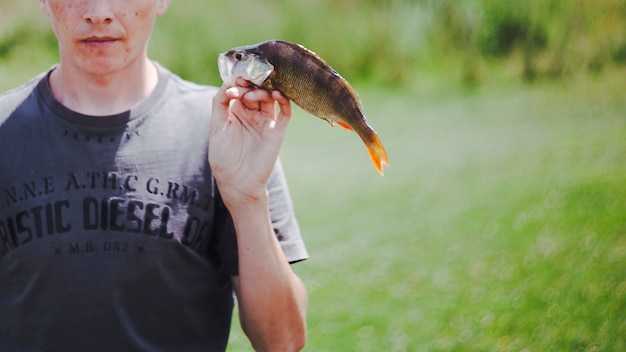
Tartsd a halat a vízben vagy egy nedves hálóban, és 20 másodpercen belül szabadítsd ki a horogból, hogy csökkentsd a stresszt és a veszteséget.
A halat két kézzel támaszd meg: az egyikkel a hasa alatt, a mellúszók mögött, a másikkal a farka közelében, inkább bölcsőként tartva a testét, minthogy az állkapcsát ragadnád meg, és ne szorítsd.
Bár a gyors szabadításra törekszel, használj csőrös fogót a horog eltávolításához; ha a horog szakállas, óvatosan csavard meg és húzd ki; ha nem megy, vágd el a zsinórt és haladj tovább. Ezután ellenőrizd a csomót, és készülj a következő dobásra.
A levegőnek való kitettséget korlátozza 20 másodperc alá; amikor emeli, tartsa a testet vízszintesen, és minimalizálja a pörgést és a rángatózást.
Használj gumírozott, csomómentes hálót, és lassan emeld be a halat a vízbe, hogy megóvd a nyálkarétegét és csökkentsd a traumát.
Lassan, sima mozdulatokkal éleszd újjá a halat az áramlatban 1-2 percig, amíg nem mutat olyan életjeleket, amelyek lehetővé teszik, hogy elússzon.
Horgászként tedd ezt az életmódod részévé; vond be a gyerekeket, sajátítsd el ezeket a gyakorlatokat, és minden egyes horgásztúrával erősíteni fogod a kapcsolatot a vízzel, és csökkenteni a veszteségeket.
Alkalmazkodj a különböző fajokhoz sokoldalú kezeléssel, szükség szerint változtass a fogáson, és igazítsd a megközelítésedet a vízviszonyokhoz; a részletekre való odafigyelés növeli a sikeres visszatéréseidet a vízen töltött idő alatt.