


 Magyar
  English (UK)
  Русский
  العربية
  日本語
日本語  한국어
한국어  Türkçe
  Español
  Čeština
  Svenska
  Português
  Ελληνικά
  Suomi
Suomi  Nederlands
  Română
  Italiano
  Français
  Polski
  Українська
  Deutsch
  简体中文
简体中文  Slovenčina
  Sailing in Thailand – The Ultimate Guide to Island Hopping and the Andaman Sea">

Begin with a sheltered anchorage in Ao Phang Nga Bay for your first night, then break the day with a steady, island-by-island hop along the coast. This route connects long passages with calm bays, which keeps you safe. For every stop, look for buoys for mooring and read the signs posted by marine parks to stay compliant.
The core routes center on the Similan and Surin marine parks, where uninhabited islets rise from the sand and long reef walls shelter marine life. If you plan to stop here, arrange permits in advance or book through a licensed operator who handles the process. For breaks between hops, overnight anchorages offer quiet time beneath starry skies, while tours from Phuket and Khao Lak provide guided routes that reduce risk and manage waste. For a detour, head toward phai, a cluster of islets that links to sheltered bays and steady windward legs. Every year, this region attracts many yacht crews who prefer a calm pace and a respect for park rules.
When planning, keep a flexible schedule: seasons vary by month, and weather shifts can alter safe options. In the dry season, routes stay within sheltered bays and near protected reefs, while in the monsoon you may need to shorten hops. Always monitor buoys, signs, and local regulations; paying attention helps avoid fines. Adjust overnight stays before a squall forms to avoid disruptions. A practical kit includes water, a sun shade, and a portable charger; keep the crew informed and ready to react.
Anchoring etiquette matters: drop the hook well away from coral and approach slowly to avoid disturbing life. In marine parks, use designated mooring buoys if available and avoid bottom-sitting on fragile reefs. Many coastal towns along the Andaman offer shore-based tours and services for repairs, while some operators provide overnight stays aboard with meals onboard. If you anchor near uninhabited islets, keep noise down, respect wildlife, and pack out all you brought in to minimize impact, being mindful of wildlife.
For your packing list, bring reef-safe sunscreen, lightweight clothing, a windproof layer, a waterproof bag, and a compact medical kit. Ensure your charts are current, and have a reliable GPS and compass as a backup. Update every chart and plan your days with a simple outline, keeping the crew informed with clear checks and goals, and set aside a few sunlit breaks to enjoy calm sand beaches along the way.
Practical, action-oriented plan for Koh Samui and the Andaman Sea
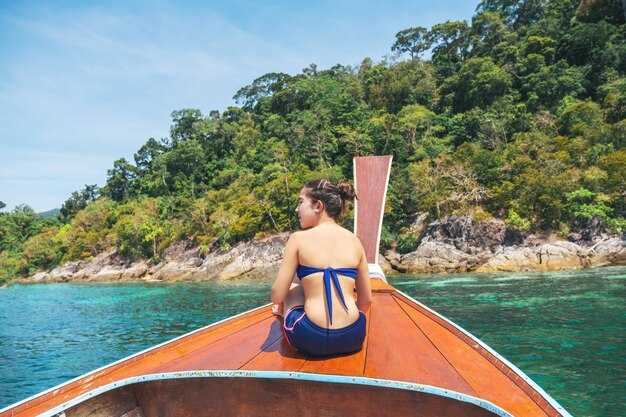
Base samui as your hub for the Gulf-to-Andaman arc. Drop anchor in Lipa Noi or Nathon to simplify provisioning, then set a simple system that keeps morning departures on track. From bangkok-supplied groceries to fresh market finds on samui, you will have many options. Use haad coves along the south coast for safe anchoring, and plan to sail west after a solid warm-up. This article offers a practical, action-ready framework that matches a range of speeds and weather.
Morning departures optimize wind and visibility, letting visiting samui’s villages such as Bophut and Choeng Mon before lunch. Drop anchor in sheltered haad coves for a quiet midday break, then resume sailing toward the next stop. Match pace with the crew to keep the schedule exciting without rushing. Onboard notes emphasize provisioning, water management, and keeping a clear mark on the chart for each port.
From samui, set your course west to the Andaman coast. The first leg targets Phang Nga Bay’s coves and sea stacks, where anchoring behind protected rocks works well in light winds. You will find numerous anchorages that match views toward limestone cliffs and caves. After Phang Nga, sail to Krabi Town and Ao Nang, then hop to Phi Phi and Phuket’s marinas for fuel, water, and fresh supplies. Ports along this stretch support occasional party nights on board, as well as quiet evenings onboard with views of sunset over karst formations.
Attention remains on safety. Maintain a daily log, update weather checks, and keep a checklist for anchoring gear and safety equipment. The plan remains flexible to weather windows and crew energy. For a true reader’s experience, file a quick article after each leg to track what works best and what to improve.
Region offers numerous opportunities to mix a traditional island vibe with modern comforts, from quiet haads to lively nights in samui’s neighbor ports. The plan provides exciting options, with a mix of anchoring, drop-offs, and shore visits that will make memories.
7-Day Koh Samui Sailing Itinerary: Day-by-Day Route, Distances, and Anchorages
Recommendation: Start Day 1 with a direct 22–24 nm hop from Koh Samui to Ang Thong National Marine Park, anchoring in a sheltered bay for a sunset you’ll remember.
Day 1 – Koh Samui to Ang Thong National Marine Park (22–24 nm). Set a steady course to the archipelago’s central bays, where hidden limestone formations rise from emerald water. Pick a protected cove on the lee of Mae Ko Island for an overnight, then wake to peaceful scenery and calm mornings. Keep a flexible plan to chase the best light and quieter spots, then head out for a closer look at sea caves or hidden lagoons when the seas cooperate. Official park rules require responsible behavior and gear stowage at anchor, so secure winches, fenders, and spare lines in the grounds of the cockpit. Look for world-class sunsets from the stern, and confirm a nearby marina option if weather shifts.
Day 2 – Ang Thong to Koh Phangan (12–18 nm). Slide along the western edge of the archipelago and set course for Koh Phangan’s quieter coves, such as Haad Salad or Thong Nai Pan Noi. Expect turquoise water, scenic cliffs, and fresh air at the helm. Use a shorter day to rest the crew and check gear after a night at Ang Thong. Nearby dive shops and snorkeling spots offer underwater life, while reefs stay in good form for safer snorkel sessions. Anchor at a sheltered beach and enjoy a chic, peaceful evening with a view of the pink horizon as sunsets bloom. If a berth opens at a small marina near Haad Rin, you’ll have an official option for shore amenities.
Day 3 – Koh Phangan to Koh Tao (25–28 nm). Set a steady pace to Chalok Bay on Koh Tao, a favorite for its calm lee and world-class snorkeling scenes just offshore. On the way, you’ll pass close to rocky islets where you can watch unique underwater formations from the surface. Stop for a mid‑day swim and fresh fruit, then anchor in Chalok Bay for a chic, quiet night. This shorter leg lets you stretch lines, refresh provisioning, and keep the crew content. Look longer at the map to pick a second option near Shark Bay or Ao Leuk if the wind shifts, then keep a flexible schedule to chase better light and calmer seas.
Day 4 – Koh Tao to Koh Samui (west coast) (18–24 nm). Return toward Koh Samui with a focus on Lipa Noi or Maenam as your overnight anchorages. Expect scenic coastline, sand‑top beaches, and a slower tempo after Koh Tao. Fresh air, smoother seas, and an easier dinghy ride to shore make this a good day for maintenance checks and gear inspection. Nearshore reefs provide near‑shore underwater color, while a quiet anchorage in Lipa Noi offers peace after three lively days. If conditions allow, enjoy an evening walk along a chic beachfront and a longer look at the lights on the water. A nearby marina option exists for official fuel and provisions if needed.
Day 5 – Koh Samui to Koh Taen (hidden spots and reefs) (6–12 nm). Slip into the calmer southern waters toward Koh Taen, a hidden gem with quieter coves and protected bays. Anchor off a sheltered coast near coral reefs and gentle snorkeling grounds. The day’s pace remains short, allowing you to savor fresh sea breeze and slower rhythms. Look for underwater life weaving around rock formations and sandy patches; you’ll find spots where the water stays clearer and the crowds fade. This is a great chance to review safety gear, top up drinking water, and enjoy a peaceful, near‑private evening in a quiet corner of the bay.
Day 6 – Koh Taen back to Koh Samui (Maenam or Bophut) (8–12 nm). Return to Koh Samui and pick a quieter anchorage in Maenam or Bophut for a breezy, peaceful night. This leg keeps the pace relaxed, so you can notice small details–the color shifts in the water, the scent of frangipani on the cockpit, and the look of the coastline at golden hour. Fresh provisions, a quick hull check, and a flexible plan mean you can switch to a marina for official services if needed, or linger at anchor and enjoy the islands’ slower tempo. Sunset views from the deck highlight the Pacific‑like palette and the Andaman‑styled charm that Thai waters offer in this region.
Day 7 – Koh Samui wind-down and return to base (10–14 nm). Cruise a circular route along Koh Samui’s western shore to a final anchorage near Nathon or Chaweng’s outskirts. This last day emphasizes comfort and gear checks, with a short hop that keeps the crew fresh for the final dock. Take a long look at the horizon as the lights come on, and plan a post‑cruise evening at a nearby marina or a quiet shorefront spot that matches the trip’s chic, peaceful vibe. If you want to extend, Leela‑style charters offer a flexible option for a longer stay or a tailored add-on to sample more spots, with official guides and fresh gear recommendations included. This route keeps a memorable balance of hidden bays, scenic coastlines, and world‑class sunsets, so countrys from around the pacific can share in the look and feel of a true Thai island hopped odyssey, andaman‑flavored still, within reach of Koh Samui’s grounds and easy land access.
Best Weather Window and Tidal Considerations for Andaman Sea Sailing
Attention: plan the core sailing window for November through April; this is the best period for stable days and crystal-clear seas across the Andaman coast. You’ll enjoy gentle to moderate winds, many sun-filled days, and smooth hops between Railay, Phi Phi, Phuket, and marina-dotted ports along the route. With proper planning, your crew can cover beautiful areas, stay in sheltered anchorages near villages, and offer chic experiences at every destination.
Within this window, tidal variation remains manageable: typical ranges 1–3 meters by moon phase, with spring tides around full and new moons and neap tides closer to 0.5–1 meter. Enter bays at slack water to minimize current and avoid shoal risks near Railay, Phang Nga, and Koh Phi Phi. When you drop anchor, use a scope of 5:1 in good holding mud so you don’t drift in gusts. Be mindful of needle-like coral heads near some reef drops that can surprise even an experienced crew.
During May–October, plan for monsoon season realities: more rain, stronger winds, bigger seas, and many days with rough conditions. Some areas become impossible to visit; Similan Islands typically close to boats, and you should adjust plans to sheltered bays such as Ao Nang, Phang Nga Bay, and coastal villages along the route. If you push beyond the core window, target short hops and stay near protected coastlines rather than venturing far from shore.
Practical tips for a smooth cruise: coordinate with fishermen in coastal villages to learn safe channels and sheltered drops; check local notices for protected areas and permits at major destinations–attention to regulations saves delays for your destination. Whether you sail a superyacht or a smaller craft, the means to safe navigation are the same. Reserve a calm night near Railay’s chic surroundings, consider anchoring near bambo huts on shore, and plan provisioning at Phuket or Krabi to keep the crew ready for multiple days of beautiful island hopping across many areas.
Boat Charter Options, Licenses, and Insurance for Thai Waters
Choose a licensed operator with full registration and comprehensive insurance for any Thai charter. This guarantees safety, compliance, and smooth handling of permits and emergencies across the region.
- Charter options
- Crewed charters with a skipper and crew for hopping between Krabi, Phi Phi, Hong Island, and other Andaman destinations, with on-board service and catering.
- Bareboat charters for experienced sailors who hold valid licenses and a proven track record, ideal for extended cruising and exploring more remote coves.
- Party or wedding charters that design a private itinerary along emerald waters and waterfront coves, with tailored food, decor, and entertainment.
- Family-friendly charters with relaxed pacing, sheltered anchorages near haad beaches, and short hops suitable for all ages.
- Vessels range from small motor yachts to modern catamarans and sailing yachts, suitable for destinations across Krabi region and the Andaman Sea.
- Licenses and registration
- Vessel registration must be current with the Thai Marine Department and shown on request.
- Captain and crew hold valid licenses appropriate to vessel size and type, with certificates clearly linked to the vessel.
- Operators must comply with countrys rules and Thai regulations for charter activities in the Andaman Sea, including Haad- and Hong Island routes.
- Ask for a formal safety plan and port-of-call permissions to avoid delays at coastal location hubs.
- Insurance and safety
- Hull and machinery insurance plus third-party liability coverage are standard for commercial charters.
- Protection and indemnity (P&I) is recommended for larger crews or event-focused charters (weddings, corporate parties).
- Medical evacuation and passenger accident protection should be included or available as add-ons.
- On-board safety gear includes life jackets for all guests, life rafts, fire extinguishers, a functioning VHF radio, EPIRB, and clear emergency procedures.
- Practical considerations
- Az áramlatok és a dagályok helyszínenként eltérőek; a Krabi partvidéke és a Phi Phi csatornái megnehezíthetik a navigációt – tervezzen rugalmas terveket és alternatív útvonalat.
- Nézz utána a látnivalóknak Emerald Coves és Haad strandjai körül, valamint egyéb úti célpontoknak, hogy hatékony ütemtervet állíthass össze, minimalizálva a hosszú utazásokat az egyes állomások között.
- Az ebéd és a fedélzeti étkezés megszervezhető – egyeztessen a szolgáltatóval a helyi thai fogásokról vagy a nemzetközi kínálatról, hogy megfeleljenek a csoport igényeinek.
- Állítson össze egy reális útitervet az egész éves utazáshoz, melyben időt szán a természeti élményekre és a szigetlátogatásra nyugodt horgonyzóhelyek között.
- Kérje el az üzemeltető helyét, a hazai kikötőjét és a regisztrációs adatait a hitelesség igazolásához és a bejelentkezés egyszerűsítéséhez a Krabi, Haad vagy Hong szigeti bázisokon; fontoljon meg másik lehetőséget, ha egy terv nem elég világos.
- Költségek és foglalási tippek
- Az árajánlat összetevői közé tartozik a hajó alapdíja, a személyzet költségei, az üzemanyag, a kikötői díjak és a felszerelés; keressen egy átlátható, mindenre kiterjedő ajánlatot.
- Hasonlítsa össze a csomagokat, amelyek fedezik a zátonyra való belépést, a szigetközi hajózást és a vezetett kirándulásokat olyan célpontokra, mint a Krabi vízparti városai és a Haad úticélok.
- Tekintse át a lemondási feltételeket, a felszerelések listáját és a parti transzfer lehetőségeket, hogy elkerülje a rejtett költségeket a főszezonban vagy az ünnepekkor.
- Tárgyaljon ki egy olyan csomagot, amely tartalmaz egy másik kényelmi szolgáltatást is, például reptéri transzfert vagy élelmiszer-feltöltést, hogy egyszerűbb legyen a tervezés.
Azoknak az utazóknak, akik alternatívát keresnek a zsúfolt útvonalakra, tervezzenek egy személyre szabott tervet, amely egyensúlyban tartja a természetet, a konyhát és a kultúrát azokon a helyeken, a smaragdparton és azon túl. Egy jól megválasztott üzemeltető az esküvőket, partikat vagy egyszerű szigetlátogatásokat is megvalósíthatóvá teszi évről évre a thaiföldi Andaman-tengeren.
Horgonyzóhelyek, kikötőbóják és tengerparti megállók Koh Samui körül és a közeli szigeteken
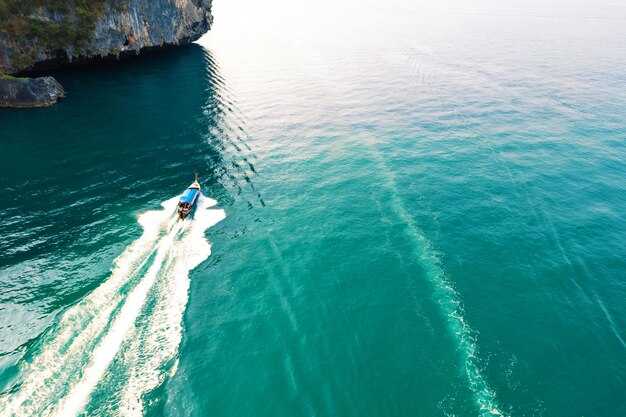
Tervezzen egy két éjszakás szigetközi körtúrát, amely a Koh Samui északkeleti partján fekvő Choeng Mon-öbölben kezdődik, majd ugorjon át Koh Taenre egy titkos búvárkodási megállóhoz, és fejezze be egy éjszakával az Ang Thong Nemzeti Tengeri Park közelében. Ezt az útvonalat védett területek, könnyű ellátás és rengeteg búvárkodási lehetőség miatt ajánljuk a lakatlan szigetecskék körül; számos hajóval osztozik majd a vízen, de mégis talál csendes horgonyzóhelyeket a pihenésre.
A Choeng Mon-öböl az északkeleti parton található, és még az uralkodó szelek erősödésekor is nyugodt védelmet nyújt. A helyi szolgáltatók által kínált kikötőhelyek bőségesek, és egy rövid tender elviszi Önt a tengerparti éttermekhez és néhány friss piaci standhoz. Az üzemanyag-vételezés és a feltöltés egyszerű Nathonból vagy Bangrakból, és Koh Phangan felé is hajózhat, ha változik a hangulat.
Koh Taen egy újabb titkos lehetőséget kínál: egy lakatlan szigetet védett öböllel, tiszta vízzel és a sznorkelezéshez ideális zátonyokkal. A parton egy egyszerű bódé található, ahol friss halat és khao-t szolgálnak fel, a hosszú, keskeny strand pedig tökéletes felszerelés csendes lerakodásához vagy egy rövid útra olyan homokos helyekre, amelyek igazán privátnak érződnek.
Az Ang Thong Tengeri Nemzeti Park szigetek, tengeri lagúnák és drámai mészkősziklák egyedülálló keverékét nyújtja a szigetek közötti ugráláshoz. Számos kikötőhely és horgonyzóhely található, a park szabályai pedig előzetes engedélyt írnak elő. Ha lehetséges, használja a kikötőhelyeket a területek és a zátonyok védelme érdekében; fantasztikus napfelkelte nézhető a lagúnákban, és érdemes ellátogatni a rejtett öblökbe, amelyek mérföldekre esnek a fő partvonaltól.
Szezonális tervezési tippek: a legjobb időjárás novembertől áprilisig tart; kövesse az előrejelzéseket, és tartson fenn egy rugalmas tervet arra az esetre, ha egy front eltolódik. Hozzon magával strapabíró felszerelést, extra köteleket, sárvédőket és egy tartalék horgonyt; érdemes egyeztetni a helyi szolgáltatókkal üzemanyag és friss élelmiszerek beszerzéséhez. Koh Samui partvidéke rengeteg lehetőséget kínál, a titkos strandoktól a lakatlan megállókig, a közeli éttermekkel és felszereléskölcsönzőkkel, hogy a szigetlátogatás zökkenőmentes és élvezetes legyen.
Készletek, biztonsági felszerelés és kényelem a szigetközi hajózáshoz
Csomagolj egy kompakt, vízálló orvosi készletet és egy tartalék száraz zsákot az utazásod minden egyes szigetközi szakaszára. Készíts be tengeribetegség elleni szereket, fertőtlenítő törlőkendőket, antibiotikumos kenőcsöt, ragtapaszt, ollót és egy alap elsősegély útmutatót. Vigyél magaddal egy kis hajószerszám készletet és egy újratölthető lámpást, plusz egy tartalék elemkészletet a fedélzeten lévő kritikus berendezésekhez.
Tervezzen élelmiszer-ellátást a hagyományos, eltartható termékek és a készételek ötvözésével, így könnyen feltöltheti készleteit a híres központok, például Ranong közelében lévő belépési pontokon, valamint Surin és Racha környéki piacokon. Tároljon konzervhalat, rizst, tésztát, olajat és fűszereket egy száraz szekrényben a konyha közelében, a zöldségeket és gyümölcsöket pedig tartsa egy kompakt hűtőtáskában, ha a hajóján van ilyen. Törekedjen személyenként 3-4 napos ellátmányra, és igazítsa a hőmérséklethez; ha korlátozott az előkészítési idő, támaszkodjon az előre csomagolt ételekre, hogy felgyorsítsa a szárazföldi látogatásokat. Vezessen egyszerű készletnyilvántartást, hogy nyomon követhesse, mit használt fel, és mire van szüksége a következő szakaszhoz, biztosítva, hogy elegendője legyen a következő parkig vagy tengerparti megállóig.
Szükséges biztonsági felszerelés: személyenként egy mentőmellény, egy dobható úszótest, hangjelző eszköz, vízálló zseblámpa, tartalék elemek és egy alapvető tűzoltó készülék. Tartalmazzon egy VHF kézi rádiót, és távoli utakhoz EPIRB-et vagy PLB-t. Ellenőrizze a mentőmellények méretét és állapotát, tesztelje a sípot, és minden szakasz előtt vizsgálja meg a köteleket és a sárvédőket. Tartson egy egyszerű javítókészletet és alkatrészeket egy könnyen hozzáférhető szekrényben.
A fedélzeti kényelem a árnyékoláson, a légáramláson és a rendezett tereken múlik. Szereljen fel egy biminit vagy fedélzeti árnyékolót, használjon hordozható ventilátorokat, és alvóhelyeken használjon lélegző anyagokat. Tartsa szárazon az ágyakat nedvességelnyelőkkel, és csomagoljon egy könnyű takarót a szellős éjszakákra. A főzőfelszerelést és a nem romlandó élelmiszereket tárolja jól láthatóan felcímkézett kosarakban, hogy felgyorsítsa a feltöltést és csökkentse a rendetlenséget a strand után.
A lehorgonyzási stratégia a nyugodt öblöket részesíti előnyben, ahol jó a horgonyfogás és biztonságos a bejutás a közeli mészkőpartokra. Rövid eresztéssel tesztelje röviden a fogást, majd állítsa be a kikötési távolságot és rögzítse a sárvédőket. Tartson magánál egy tartalék horgonyt és kötelet a különböző fenéktípusokhoz, és gyakorolja a kiemelést sekély vízben, biztonságos helyen, mielőtt nyílt vízre indulna. Legyen tisztában a Surin, Ranong és Racha közelében lévő áramlatokkal, és használja ezt a megközelítést, hogy élvezze a lenyűgöző tájat és az élénk, békés megállókat a zöld öblökben és parki strandokon, amelyek mészkőpartokkal rendelkeznek.
Miután megvan a készletezés, a biztonsági felszerelés és a megszokott kényelem, jelöljön ki egy egyszerű indulás előtti ellenőrzőlistát, amely lefedi a hajót, a legénységet és a felszerelést. Jegyezze fel, mit kell feltölteni, melyik berendezés igényel karbantartást, és milyen kényelmi elemekre vágyik a következő szakaszra, hogy a nyílt tengeri tervei zökkenőmentesek és élvezetesek maradjanak az Andaman-tengeren.