


 Magyar
  English (UK)
  Русский
  العربية
  日本語
日本語  한국어
한국어  Türkçe
  Español
  Čeština
  Svenska
  Português
  Ελληνικά
  Suomi
Suomi  Nederlands
  Română
  Italiano
  Français
  Polski
  Українська
  Deutsch
  简体中文
简体中文  Slovenčina
  Phuket, Thailand One-Week Sailing Itinerary – Best Route, Islands & Tips">

Kezdj egy rövid déli körrel: Phuket → Phi Phi Don → Koh Yao Noi → Phang Nga-öböl → Similan-szigetek, majd vissza Phuketre.
Ez a terv az Andamán-tengerpart legnépszerűbb látnivalóit öleli fel, védett horgonyzóhelyekkel, apró öblökkel és rugalmas tempóval a szél és a tenger függvényében. Az alap a biztonság, a naprakész időjárás-ellenőrzés és egy megbízható motoros-vitorlás felszerelés, amely kényelmesen kezeli a rövid távokat, miközben Ön a tájra, a strandokra és a vadon élő állatokra összpontosít.
Egy gazdaságosabb lehetőségként válassz egy kétmotoros jachtot, amelyet a Phuket déli partvidékén tett rövidebb utakra terveztek. Figyelembe veszi a vízben eltöltött időt, és a legtöbbet hozza ki a nyugodt reggelekből és a kiegyensúlyozottabb délutánokból.
1. nap – Phuketből Phi Phi Donra (25–30 tengeri mérföld). Indulás kb. 08:00-kor Phuket kikötőjéből, folyamatos déli széllel haladva, horgonyozás Phi Phi Don partjainál a Long Beach-en. Egy rövid séta a parányi partszakaszon szürkületkor feltárja a magasztos mészkőszirteket és a lágy horizontot.
2. nap – Phi Phi Don szigetről Koh Yao Noi szigetére (20–30 tmf). Rövid, védett ugrás sima tengerrel. Horgonyozzon Koh Yao Noi keleti partján, Ao Haad/Koh Yao Yai hívogató partja közelében, majd fedezzen fel néhány tengerparti ösvényt és helyi piacot, ahol apró ajándékokat és kagylóékszereket kínálnak a barátságos kereskedők a part mentén.
3. nap – Koh Yao Noitól a Phang Nga-öbölbe (20–35 tmf). Hajózzon Phang Nga mészkőkarstjai és védett öblei felé. Horgonyozzon le a Panak-sziget közelében vagy a Koh Panyi falu mellett, majd csónakázzon egy barlang bejáratához és egy csendes strandhoz egy apró, árapályos öbölben. Útközben elhaladhat egy apró szigetecske mellett, melynek neve tanga, és szusszanhat egy teára a homokján.
4. nap – Phang Nga-öböltől a Similan-szigetekig (40–60 tmf). Indulás korán, hogy elcsípjük a legjobb fényeket az Andaman-tengeren, beszerezzük a nemzeti parki engedélyt, és irány Koh Miang és a Donald Duck-öböl a csoport északi végén. A leglenyűgözőbb a gránittornyok és zátonyszélek körüli kristálytiszta víz, amely ideális egy sznorkelezéshez, ha az időjárás engedi.
5. nap – Similan-szigetek. Töltsön egy teljes napot Koh Miang, Koh Similan és a közeli öblök felfedezésével. Válasszon egy védett strandot egy csendes pihenőre, sétáljon egy rövid ösvényen a naplemente kilátópontjaihoz, és tartson egy horgonyt egy védett oldalban a nyugodt éjszakákért. Ez a szakasz a kagylók és kézműves termékek természetes ajándékboltját kínálja a sziget piacairól, néhány kereskedőhellyel a parton.
6. nap – Visszatérés Phuket felé, vagy hosszabbítás Kawthaungig (opcionális). Ha rövidebb hetet szeretne, hajózzon vissza Ao Chalongba vagy a Phuket Calm Bay-be egyetlen hosszú ugrással és egy utolsó strandolással. Határátlépés esetén a short A mianmari Kawthaungba való meghosszabbítás a hegység déli peremén lehetséges; tervezze meg előre a bevándorlási és kikötői látogatásokat.
7. nap – Érkezés Phuketre és összegzés. Visszatérés Phuket védett öbleibe, tankolás egy csendes mólónál Ao Chalong közelében, és jegyzetek készítése a jövőbeni utazásokhoz. A nap egy part menti látványosságsorral zárul Kata–Kata Noi és Nai Harn mentén, ami tökéletes egy utolsó naplementéhez a déli parton, mielőtt elkezdenéd a következő utazásodat.
Egyhetes Phuket – Ko Tarutao hajózási útvonalterv
Az első nap hajnalban induljon Phuketből, és hajózzon egyenesen Phi Phi Don felé, horgonyozzon le egy védett öbölben, mint például a Tonsai, egy nyugodt első éjszakára, majd délután ússzon egyet, hogy visszanyerje a ritmust.
Egy négyfős legénység számára egy négyágyas, hajóvezető nélküli charter jól működik; megfelelő rugalmasságot biztosít, miközben a kabinok kényelmesek, a konyha pedig könnyen elérhető. A napi tervek elsősorban a védett területekre, a tiszta vízre és a zegzugos partvonal mentén rejtett öblök felfedezésére összpontosítanak. Azok az utazók, akik szeretnék megünnepelni a kisebb sikereket, időzíthetik az úszásokat a naplementével, majd jól szellőző hálófülkékben alhatnak nyugodtan.
Nap mint nap törekedj arra, hogy a távolságok mérsékeltek maradjanak (körülbelül 20–40 tengeri mérföld szakaszonként), minden reggel ellenőrizd az időjárást, és lakmározz a fedélzeten vagy a vízparti tavernákban védett kikötőkben. Thaiföld nyugati partja mentén az észak-déli irányú ív kristálytiszta vizű, korallkerteket és étkezőket kínál friss opciókkal, beleértve a helyi curryket és a grillezett tenger gyümölcseit, hogy energiát adjanak a vízen töltött hetedhez.
Ahogy haladsz előre, látni fogod, hogy az útvonal nyugodt vizeket és dinamikus vitorlázást is kínál, titkos öblökkel és zátonyrendszerekkel, amelyek jutalmazzák a gondos tervezést. A védett öblökben való tartózkodás minimalizálja az éjszakai mozgást és maximalizálja az úszásra, sznorkelezésre és pihenésre fordítható időt a biztonság veszélyeztetése nélkül.
| Day | Route | Approx. Distance (nm) | Horgonyzóhelyek / Védett területek | Főbb látnivalók / Tevékenységek | Megjegyzések |
|---|---|---|---|---|---|
| 1. nap | Phuket – Phi Phi Don | 20–28 | Tonsai-öböl, Loh Dalum-öböl (védett) | Ússzon a korallzátonyok között, naplemente ünnepség a fedélzeten | Szállásoljátok el magatokat a hálókabinokban, vegyetek egy laza irányt Phi Phi szélvédett oldala felé. |
| Day 2 | Phi Phi Don szigetről Koh Lanta Yai szigetére | 25–30 | Klong Khong / Long Beach területek (védett) | Sznorizzon sziklák közelében, étkezzen a parton vagy a fedélzeten, nyújtóztassa ki a lábát a parton. | Időjárás ablak figyelése a kényelmes utazáshoz; étkezés a fedélzeten benne van az árban. |
| Day 3 | Koh Lanta Yai-ról Koh Mook-ra | 35–40 | Koh Mook védett öblei | Fedezd fel a Smaragd Barlang környékét, a barátságos zátony élővilágot, a nyugodt éjszakát | A titkos öblök csendes alvóhelyeket kínálnak egy hosszú vitorlázás után. |
| 4. nap | Koh Mook - Koh Kradan | 12–20 | Koh Kradan horgonyzóhely (szegélyezett strandok) | Kristálytiszta víz a sznorkelezéshez, hófehér homok | Tarts egy tartalék táskát a strandfelszerelésnek és a napvédelemnek. |
| Day 5 | Koh Kradanról Koh Lipére | 30–40 | Pattaya Beach / Sunrise Beach (védett öblök) | Hosszú úszás, sznorkelezés vibráló korallok között, könnyű étkezés a parton | Horgonyozzon le időben, jó helyen; a piacok a dokk közelében vannak. |
| Day 6 | Koh Lipéről Ko Tarutaóra | 20–25 | Tarutao északi partvidéki öblök (védett) | Fedezzen fel titkos öblöket és érintetlen makro-világot, evezzen vagy kajakozzon | Engedélyellenőrzések és parkolási zónák lehetnek érvényben; tartsa magánál az alapító okirat másolatát. |
| 7. nap | Ko Tarutao (felfedezés) – vége | – | A Tarutao-sziget körüli különböző védett öblök | Lazán vitorlázás, fürdés, egy utolsó ebéd a szigeten | Tervezze meg a visszautat vagy a szárazföldre való átszállást a Tarutao kikötőből. |
Napi útiterv: Phuketről Ko Tarutaora Phi Phi, Koh Lanta és Trang érintésével
Javaslat: béreljetek privát katamaránokat vagy egy pár hajót négyes elosztásban a költségek és a rugalmasság egyensúlyozása érdekében. Induljatok Phuketből hajnalban, hogy maximalizáljátok a nappali fényt, töltsétek az első éjszakát Phi Phi közelében, majd haladjatok dél felé Koh Lantára, Trangba és végül Ko Tarutaóba. Végtelen öblöket, homokos strandokat és vibráló helyi kultúrát élvezhettek, miközben a helyi forrásból származó készletekkel egyszerűen megoldhatjátok az élelmezést.
-
1. nap – Phuketről Phi Phire
- From Phuket, set sail in the southeast lanes toward Phi Phi Don; expect 4–6 hours depending on seas and wind.
- Anchorage options: Tonsai Bay or Loh Dalum on Phi Phi Don; both offer quick land access for provisions and a cultural stroll through the town.
- Highlights: snorkel along scattered corals near the island walls, spot rays cruising the shallows, and enjoy a sandy sunset along Long Beach.
- Tip: land can be busy; keep a backup plan to anchor near a quieter cove if needed.
-
Day 2 – Phi Phi to Koh Lanta
- Distance/time: 2–4 hours cruising south along the Phi Phi coast to Koh Lanta Yai; smoother seas help with a comfortable crossing.
- Anchorage: Klong Khong or Kantiang Bay, with easy access to local markets for fresh seafood.
- Highlights: explore three main beaches on Lanta’s long coastline, visit the old town at night, and enjoy a locally prepared dinner aboard.
- Tip: consider a quick detour to a small island detour (Naka Island) if seas are calm and you want an extra snorkel session.
-
Day 3 – Koh Lanta to Trang
- Distance/time: 3–5 hours heading southeast toward Trang Province, keeping an eye on sheltered bays near Pak Meng.
- Anchorage/provisions: anchor near Pak Meng Pier for easy land visits and market runs; Trang Town offers cultural markets and traditional Thai meals.
- Highlights: mangrove-lined channels, a coastal town atmosphere, and a chance to sample southern Thai cuisine that locals prefer.
- Tip: plan a land day for beach walks and a dinner ashore; some crews like to spend the evening in town to reset for the next leg.
-
Day 4 – Trang to Ko Tarutao
- Distance/time: 4–6 hours to Tarutao National Park’s outer bays; expect calmer mornings and better lighting mid-day.
- Anchorage: Tarutao proper features several protected bays; check the park status and permit requirements at Pak Meng or at Tarutao HQ before landing.
- Highlights: approach the island chain with pristine sands, explore sheltered coves, and snorkel among coral gardens with occasional reef rays.
- Tip: Tarutao’s park status means strict mooring etiquette and waste rules; plan to use reef-safe sunscreen and carry out all trash to maintain pristine conditions.
-
Day 5 – Ko Tarutao exploration
- On-water days: cruise along the southern coast to find pristine beaches and scattered reefs; target three signature anchorages for easy swimming and snorkelling.
- Highlights: inland trails, hidden coves, and cultural glimpses of island life; wildlife includes birds, monitor lizards, and reef fish schools.
- Tip: consider a private landing with a local guide for a cultural visit to a small coastal village; opt for a short land hike to overlook points for sweeping sea views.
-
Day 6 – Tarutao return leg to Trang or Phuket via Koh Lanta
- Option A: sail back north along a similar route to Trang and Koh Lanta, then transfer by road to Phuket for a comfortable end to the trip; this preserves a relaxed pace.
- Option B: extend the sea legs and loop back toward Phuket with overnight stops in familiar bays; this suits boats with higher fuel endurance and crew stamina.
- Highlights: reflect on the day’s scenery–endless coastlines, sandy pockets, and the world-class blue views that frame each passage.
- Tip: while returning, prefer stable conditions and keep a watchful eye for seasonal squalls; Langkawi can appear on the horizon if the route arcs toward the west in calm seas.
-
Day 7 – Final leg or optional extension
- Final stretch: if you started from Phuket, complete the loop with a final coastal sail back to Phuket Town or Chalong; otherwise, use this day to dock near a southern island for a last snorkel and a relaxed beach day.
- Highlights: revisit favorite spots, swap stories from three memorable passages, and toast with locals at a captain James-approved waterfront venue.
- Tip: use locally sourced fuel and provisions on the last leg; many boats will anchor near Naka Island for a quick swim before the finish.
Anchorages and Sheltered Moorings for an Overnight Sail
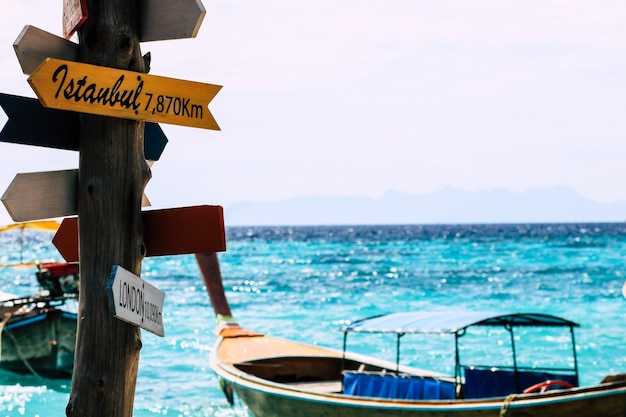
Anchor at Ao Chalong Bay for a calm, sheltered overnight. It offers reliable protection from prevailing winds and quick access to Phuket Town for provisioning. Arrive early to secure a comfortable position and make a quick call on VHF 16 to check guest buoy availability. You’ll sleep with minimal motion, then wake ready to options along the coast.
- Ao Chalong Bay, Phuket – Sheltered in all but the strongest SW fronts, with a sandy bottom and 4–10 m depths in the lee. Use 25–40 m of rode with 2:1 scope; if a buoy is available, consider tying to it for extra security. Call the harbor office before dark to confirm a buoy or a safe stern-to anchorage. Taxi rides into Phuket Town are fast and affordable, making early provisioning practical.
- Naka Island (naka) vicinity – A close, lee-protected area just north of Phuket. Anchor behind the fringing reef or join a resort mooring if offered to cruisers, which reduces risk of dragging in gusts. This spot keeps wind and chop low, and the coconut-fringed shore creates a relaxing morning wake-up call. If you want shore time, a short dinghy ride delivers easy access to a sandy beach for a quiet stroll.
- Koh Yao Yai / Koh Yao Noi – Two islands with multiple lee-side anchorages that stay sheltered as the wind shifts. Hold in 8–14 m over sand or mud; use a 2:1 scope for extra security. A local quad-share taxi can shuttle you to sleepy inland villages or a simple seaside cafe for a cultural break. This route lets you keep cruising toward Phang Nga or Krabi the next day, reaching your next destination comfortably.
- Racha Island (Racha Yai), Patok Bay – A favored overnight with solid protection and scenic shoreline. Hold in 5–15 m, best in sand. Approach from the north to minimize chop; a short walk to white-sand beaches is easy if you’re after a luxurious touch ashore. Sailfish are occasionally spotted offshore at first light, so set your dawn watch and enjoy a peaceful morning on deck.
- Phang Nga Bay (Panak and Hong Islands) – Sheltered lagoons behind limestone walls provide an unusually quiet night. Anchor in 6–12 m on sand or mud, steering clear of shallow patches near cave entrances. If marine park rules permit, consider a mooring buoy to keep the area pristine. Note the possibility of busy day-use boats; plan a late arrival to maintain separation from shore excursions.
Note how these options cluster around lee protections, sandy bottoms, and shore access to keep your overnight comfortable. Reach each stop with ease by planning short hops, then rest and reset before the next leg. For extended legs, kawthaung can be a cultural add-on if you extend your cruise beyond Thailand’s islands; plan early, and call ahead for border and vessel procedures. If you travel with a group, you can coordinate quad-share taxis between shores to maximize time on the water and minimize land transit overhead.
Ko Tarutao Access: Permits, Park Rules, and Island-Hopping Etiquette
Get your Tarutao National Park permit 2–3 weeks ahead; without it, these trips would be delayed at the gate. Bring passport copies, boat details, and a clear itinerary, and choose entry dates depending on season. Acknowledging limited daily quotas, last-minute requests are risky, so please plan well in advance with your operator or park office. If you arrive late, expect a thon of checks and paperwork at the gate.
Park rules center on coral protection, sheltered coves, and clean shores. Do not touch coral formations, remove shells, or feed fish; stay on marked trails and use reef-safe sunscreen. For snorkel trips, keep a respectful distance from wildlife and avoid trampling sands. Use designated moorings; if none exist, the operator should adjust plans to minimize impact and protect nesting areas. These practices safeguard the waters and ensure details seen by visitors stay intact for future generations.
Island-hopping etiquette emphasizes courtesy and safety. Kick off with a clear plan and coordinate with your crew to limit long motor runs; opt for short hops between sheltered bays when possible. Yachts and larger boats should use approved moorings and avoid anchoring on coral or seagrass beds. When snorkel is done, move slowly across reefs and keep gear tidy to reduce gear loss. Please greet rangers and local staff, celebrate a relaxed pace, and leave no trash behind. After each stop, rinse gear, respect quiet hours, and carry a small gift or gesture if offered, acknowledging the park’s history and the ancient stories shared by island communities.
Logistics for the Voyage: Provisions, Fuel, Water, and Emergency Gear
Stock up in Phuket before departure and top up fuel and water at Krabi or Railay to cover a seven-day loop along the andaman coast.
Provisions should cover four to six crew for seven days with a selection of meals that travel well: 4 kg rice, 3 kg pasta, 12–16 cans fish or beans, 2 jars peanut butter, 2 liters cooking oil, tomato sauce, coffee and tea, and a mix of fresh fruit and vegetables for 3–4 days. Pack snacks in resealable bags for quick access during swimming or long hops between destinations. For a single boat, plan 4–5 kg rice, 3–4 kg pasta, 12–15 cans fish/beans, 2 jars peanut butter, 2 liters oil, sauces, and 2–3 kg fresh fruit plus 1 kg greens. Use a small fridge to preserve dairy and perishables, and keep dry goods in a labeled bin. For mornings, oats or porridge with dried fruit make a fast start.
Water planning centers on reliable drinking supplies: bring 60–100 liters for drinking across seven days and 60–80 liters for cooking and cleaning. If there’s no onboard watermaker, refill at Krabi town, Ao Nang, Railay, or Tonsai when possible. Store water in clearly labeled jugs away from fuel and use a compact filtration method if you collect tap water on smaller islands. This keeps swimming breaks comfortable and protects the crew’s health for each destination.
Emergency gear covers safety for all boats and crew: life jackets for everyone; a throwable device; VHF radio; handheld GPS and compass; a first-aid kit with seasickness meds; whistle; flare kit; emergency beacon such as EPIRB or PLB; spare bilge pump; spare anchor and rope; several fenders and basic tools; spare propeller or impeller depending on engine type; waterproof bags; duct tape and tie-down straps. Run a quick man-overboard drill each morning to train the crew, and designate nala to log supplies and check equipment before each stop. This plan does not rely on luck; it uses these means to keep the tour safe and steady, even when the seas tilt toward the caves along Railay and Tonsai. Tie a square knot when securing lines to anchors and fenders for added security.
Fuel strategy centers on a full tank before leaving Phuket and a practical redundancy plan: carry two 20-liter jerry cans for safety, and maintain a reserve that covers roughly 20–30 miles of motoring. For a typical mid-size boat, plan 3–5 hours of motoring per travel day under light to moderate breeze. Distances between key stops run in miles: Phuket to racha (racha) about 12–15 miles, racha to Railay/Krabi vicinity around 10–15 miles, and Railay to Tonsai and Krabi town nearby as shorter hops. Slow cruising lets you enjoy the scenery, make calm swims, and pick a favourite bay for a morning break. If you prefer a single loop, you can pair these legs into either a northbound or southbound tour, always aligning with favourable dates and weather windows.
Planning tips for the route include balancing the selection of destinations with the crew’s energy and the forecast. Choose a few must-see destinations–krabi, railay, tonsai, and the nearby caves–then leave room for spontaneous stops to explore a havens surrounded by karst formations. This approach suits both a fast-paced schedule and a relaxed tempo, letting you swim, snorkel, and explore at a comfortable pace across miles of coastline. For a morning start, map out a route that minimizes long hops on rough seas, keeps you near sheltered coves, and preserves fuel for the longer legs back toward Phuket. Dates and logistics align best when you lock in the favourite anchorages early and keep a flexible plan in case a squall or calm spell alters the square of your intended course.
Best Weather Windows, Tides, and Seasonal Considerations for Southern Thailand
Choose November through February as your primary window for Southern Thailand sailing to maximize calm seas, clear mornings, and relaxed cruising.
The dry season on Phuket’s Andaman coast runs roughly November to April, with peak sunshine in December through February. Expect light to moderate winds, seas suitable for catamarans, and morning temperatures in the high 20s to low 30s Celsius. This period keeps coral reefs vibrant and provides long days for snorkeling and island hopping, then returning to a comfortable evening in port. There is a huge abundance of sheltered bays and reef edges to explore over several legs of your cruising plan.
Tidal variations are moderate, with larger spring tides around full and new moons. Plan anchorages in protected bays near reef edges to avoid strong surge, and favor slack-water windows for easier mooring at popular marinas or inshore anchors.
Morning snorkeling offers the best clarity; shelter reefs around Phi Phi, Similan Islands, and Phang Nga Bay host abundant coral and colorful fish. For families, choose calm bays near a marina or coastal coves with shallow, sandy bottoms to minimize discomfort and maximize safe, full days afloat. Looking to balance pace with rest, plan short hops and generous shore days to keep the hearts relaxed.
From May to October, the southwest monsoon brings heavier rain and rougher seas. If you sail during this period, plan shorter hops, shelter at protected bays, and reserve extra time in ports to rest between legs. This window can be ideal for land days, system checks, and building confidence before a winter sailing push.
Carry passport and copies, check visa rules, and review requirementsdietary and health precautions with your provider. Book anchorages and marina berths in advance where possible, especially around Phuket Town and other gateway ports with full-service facilities.
For a balanced itinerary, set a base near a marina, then cruise to small islands by catamarans to enjoy space and stability. Early morning departures let you ride favorable currents and return by midday to a relaxed shore day or family activities on the beach. Make the back-to-back legs comfortable by choosing short hops, shaded stops, and easy snorkeling sites.
Respect coral, keep a safe distance when snorkeling, and avoid stepping on reef heads to protect the abundant underwater foundation that makes Southern Thailand a magnet for marine enthusiasts.