


 Magyar
  English (UK)
  Русский
  العربية
  日本語
日本語  한국어
한국어  Türkçe
  Español
  Čeština
  Svenska
  Português
  Ελληνικά
  Suomi
Suomi  Nederlands
  Română
  Italiano
  Français
  Polski
  Українська
  Deutsch
  简体中文
简体中文  Slovenčina
 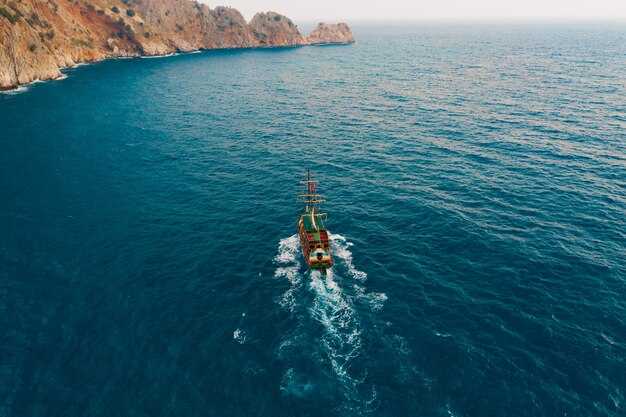 One Week Sailing the Aeolian Islands – Lipari, Vulcano &">

Kezdd a hetet azzal, hogy hajnalban horgonyt vetsz Lipari védett kikötőjében, állíts be egy egyenletes irányt Vulcano felé, és kezdd a napot egy nyugodt reggellel a vízen.
Lipariban, a falu a kikötőből a szűk utcák felé kapaszkodik, ahol a fehérre meszelt építészet tengeri kilátást keretez, a bólyák pedig biztonságos kikötési helyeket jelölnek a rakpart mentén.
Lipariból késő délelőtt hajózhatsz át Vulcanóra, elcsípve egy kaldera szelet; délután horgonyozhatsz a Cala Vulcanellónál, sétálhatsz a kráterhez, és áztathatod magad az ásványi medencékben, mielőtt visszatérsz a hajódra.
heres egy kompakt tippcsomag: naponta nézd meg a szél előrejelzéseket, vigyél magaddal egy plusz horgonyt, jegyezz meg hét bóját a vulkanikus part mentén, és indulás előtt ellenőrizd a Bottaro szikla pozícióit a kikötőmesternél.
Az esték nyugalmat hoznak, a falu főtere ragyog; norman boltoív keretezi a kikötői templomot, míg a Bottaro kávézó citrusos spriccet kínál, a tengerészek pedig eszmét cserélnek; a Bottaro felbukkan a helyiek fecsegésében, mint kedvelt esti helyszín, és ne feledkezz meg a csendes éjszakai horgonyzóhelyekről és a biztonságos indulásokról.
A filmszerű fény a föld és a tenger felett minden vitorlázott szakaszt döntőnek éreztet; nemde minden nap egyformán nyugodt, mégis miközben körbejárod a szigetvilágot, Szicília partvonalának hét fejezetét gyűjtöd be.
Rugalmas tervezéssel az útvonalakat a szélhez, árapályhoz és árnyékhoz igazíthatja; Szicíliai Lipari-szigetek csendes öblökkel, tiszta vízzel és frissen fogott tenger gyümölcseivel jutalmazza a figyelmes kapitányokat minden megállónál, ami egyértelműen kifizetődő kombináció.
Vitorlás útvonalterv az Éol-szigetekhez
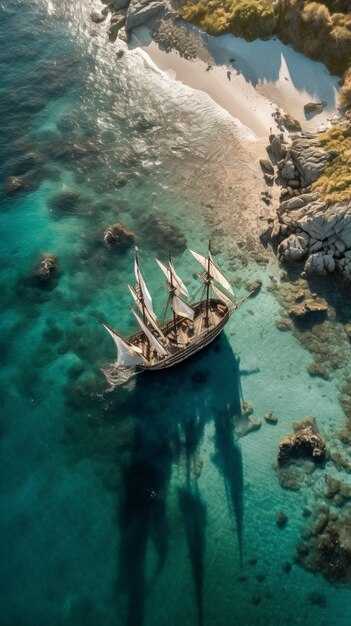
Biztosítsanak kikötőhelyet Lipariban az első éjszakára, és tervezzenek egy óramutató járásával megegyező irányú kört a Vulcano, Panarea, Stromboli, Salina, Filicudi és Alicudi szigetek érintésével, mielőtt visszatérnek. Ez a terv egy hétnapos útvonalon alapul, napi 4-6 óra vitorlázással, plusz idő a kikötők felfedezésére, úszásra és étkezésre. Kikötés díjak kikötőtől és évszaktól függően változnak, általában 30–60 EUR éjszakánként; legyen készpénz a rakpartra hours és hivatalos ellenőrzések. Használja farvonaliak a hajó rögzítéséhez, és annyi vizet csomagolj, hogy napokig el tudj hajózni. Kész vagy, hogy élvezd a csodálatos szakaszt sicily‘északi partja mentén.
1. nap – Lipari: Based Lipariban biztonságos horgonyzóhelyek a védett kikötőkben a Marina Corta vagy a Porto Pignataro közelében, és induljon farvonaliak nyugodt éjszakáért. A szárazföldi ellátmány egyszerű, és a restaurant könnyen elérhető. Egy rövid séta a zimmari területre csendes betekintést nyújt a szigeti életbe, amit egy naplemente követ a fedélzetről.
2. nap – Vulcano: Hajózás Vulcanóra, mely híres a következőről: vulkanikus tájakat és fekete homokos strandokat. Kezdje a reggelt kráter túrázz hűvösebb levegőért, majd ússz a meleg forrásokban, mielőtt visszatérsz a kikötőhelyedre. Délután látogass el egy kikötőbe restaurant ebédet és ellenőrizd a hours a vulkanikus park területén, hogy megtervezhesd a naplementés visszautat a nyugodt vizekre.
3. nap – Panarea: Rövid átugrás Panareába; a kikötés San Pietro kikötőjében egyszerű és farvonaliak biztonságos. Panarea fehér utcái és meghitt üzletei egy wonderful a Vulcanóval ellentétben. Ha a szél engedi, horgonyozzon a zimmari terület közelében, és élvezzen egy estét a parton egy könnyű vacsorával egy étteremben.
4. nap – Stromboli: A vulkanikus sziget uralja a látóhatárt. A belső kikötőben lévő horgonyzóhelyek védelmet nyújtanak a széllökések ellen; csatlakozzon egy engedéllyel rendelkező krátertúrához késő délután, hogy elcsípje a fényt az éjszakai égbolton. Visszatérés után vacsorázzon a kikötőben. restaurant. Monitor díjak és az utolsó pályázati órákban a késések elkerülése érdekében.
5. nap – Filicudi vagy Alicudi: A széltől függően irány Filicudi a tengeri barlangokhoz és tiszta vízhez, vagy Alicudi a csendesebb, hagyományosabb hangulatért. Filicudi kikötője megbízható horgonyzóhelyeket és gyalogos megközelíthetőséget kínál néhány étteremhez; díjak ugyanabban a tartományban érvényesek. A part hívogat a felfedezése gumicsónakkal és egy naplementével a víz felett.
6–7. nap – Visszautazás Lipari felé: megállás a Morto zátonynál, ha az időjárás engedi egy nyugodt úszáshoz, és hogy a hetet egy utolsó pillantással megkoronázzuk a sicily partvonaltól. Térjen vissza Lipariba egy teljesen megrakott hajóval és a Lipari-szigeteken töltött csodálatos hét emlékeivel.
Napi programterv: Lipari, Vulcano, Panarea
Horgonyozzon Lipari Marinájában, a Cortában egy megbízható bázishelyhez, majd sétáljon fel a Castellóhoz és az Aeoli Múzeumhoz, hogy tájékozódjon. Megtapasztaltuk, hogy egy kompakt városi körút – sikátorok, rakpart, kilátó – sietség nélkül is teljesnek érződik. Esténként a postás még mindig leveleket kézbesít a kikötőben, miközben friss pescével vacsorázik egy rakparti tavernán.
Lipariból hajózzon Vulkanóba, és horgonyozzon a Porto Levante közelében, hogy gyorsan elérje a La Fossa krátert. Túrázzon fel a kráter peremére a lenyűgöző kilátásért és az enyhe kénes gőzökért; tervezzen 60–90 percet oda-vissza. Utána ázzon a Vasche di Venere termálforrásaiban, és hűsöljön a tengerben. A Vulcano partja mentén a víz alatti látótávolság általában elég jó egy rövid sznorkelezéshez a láva által formált zátonyok közelében, ahol kis halak úszkálnak a nyugodtabb részeken.
Következő állomás Panarea: horgonyozzon le San Pietrónál, és kezdje el felfedezni Panarea apró kikötővárosát. Egy rövid kalandhoz béreljen egy kis hajót, hogy megnézze a közeli szigeteket, Basiluzzót, Dattilót és Spinazzolát, majd hajózzon a Cala Junco öbölbe egy rövid tengeri túrára a sziklás part mentén. Panarea három öblöt kínál, és egy nyugodt tempót, amit a turisták is kedvelnek, fehérre meszelt utcákkal és néhány pékséggel, amelyek autentikussá tették a megállót.
A negyedik napon irány Panarea: sznorkelezz a Cala Junco és a Diomedee szigetek körül, majd mássz fel a Punta del Corvo-ra, ahonnan lélegzetelállító kilátás nyílik a partra. Az éoliak a közeli szigeteket Diomedee-nek nevezik, és ha a szél engedi, egy második hajókirándulást is szervezhetsz Basiluzzo és Dattilo meglátogatására, amellyel Panarea partvonalának három oldala tárul eléd.
Az ötödik napon térjen vissza Lipariba, és rendezze be bázisát az északi kikötőben. Válasszon egy tengerparti túrát Quattro Strade felé, befelé indulva egy enyhén emelkedő ösvényen, amely a másik oldalon tengeri kilátással tér vissza. Az útvonal kiemeli Lipari földszínű lávaköveit, bozótosait és apró öbleit, ahol megállhat egy gyors fürdőzésre. A turistabarát egyensúly érdekében a túrát összekötheti egy ebéddel egy kikötői kávézóban és egy sétával az óvárosban.
A hatodik nap a víz alatti világra és a könnyed tengeri tempóra összpontosít. Délelőttre egy sznorkeltúrát szerveztünk Lipari védett öbleiben, majd áthajózunk egy közeli kikötőhelyre ebédelni a fedélzeten. A kikötőhelyek hálózata egyszerűvé teszi a bejelentkezést, a nyugodt tenger pedig lehetővé teszi, hogy teljes figyelmet szentelhessünk a tengerfenéknek – a színes halaknak, a tengeri sünöknek és a láva által formált hasadékoknak. Emellett hozz magaddal egy könnyű fényképezőgépet, hogy megörökíthesd a napot a vízen és a szigetek sziluettjeit.
A hetedik napon zárásként látogasson el újra Lipari múzeumába, és tegyen egy utolsó sétát a parton, mielőtt visszahajózik. A föld színei, a bazalttól a fehér habkőig, ismét élénknek tűnnek, miközben a kikötő mentén megtekinti a láva által formált sziklákat. Hét napon át élveztük a felfedezést, a szelet és a sót, és az útvonal könnyen emlékezetes lazítássá alakulhat a vízen töltött utolsó éjszaka előtt.
Kikötési lehetőségek és kikötési eljárások Liparin és Panareán
Foglaljon helyet a Marina di Lipariban, ahol teljes körű szolgáltatások állnak rendelkezésre, beleértve a vizet, az áramot és a parti létesítményeket; az alacsonyabb költségek és a nagyobb rugalmasság érdekében használja a külső kikötőkben található bója-kikötőhelyeket, amikor a szél kedvez a nyílt vizeknek.
- Lipari – Marina di Lipari: modern, személyzettel ellátott, és közel a városhoz. Víz-, áram-, üzemanyag-vételezési lehetőséget, zuhanyzókat és sürgősségi segítséget biztosít. A kikötőkben vendéghelyek és átmenő horgonyzóhelyek is találhatók; a szezon vége felé még akad néhány szabad hely, így népszerű választás a megbízhatóságot és a gyors partraszállást igénylő hajósok számára.
- Lipari – Lipari kikötő (külső/régi kikötői rész): vendégpontok és bója mezők szolgálják azokat, akik olcsóbb megoldást vagy gyors megállást keresnek. Használjon orrkötéllel bóját és far-kötéllel biztonságos gyűrűt; mindig helyezzen ki sárvédőket, és tartsa a legénységet készen a gyors beállításokra, ha a hullámzás emelkedik.
- Panarea – Porto di Panarea and nearby buoy field: a compact harbour with limited services and clear access to shore facilities in the village. Mooring buoys are common here; plan a short stay if the quay is crowded, and be prepared for basic toilet and fresh water provisions on land.
Procedures and practices to follow on both islands ensure smooth mooring and quick departures, especially during the peak season when seven-day charters rotate through harbours and bays.
- Prepare in advance: confirm vessel length, draft, and clearance. Check the seven-day forecast and observe crystal waters around the coast for smooth entries; the shore and vegetation along the island are particularly scenic in the afternoon light.
- Contact the Harbour Master on VHF channel 16 to request entry, confirm available buoy space or a slip, and obtain any local instructions. Those who appear at the quay with proper paperwork are released to a mooring promptly.
- Choose your mooring type: buoy or quay. Buoys typically offer lower fees and easier departures; quay berths provide direct shore access, but require precise line handling and longer preparations.
- Approach carefully: follow channel markers, keep a safe speed, and stay clear of fishing operations. Position the bow toward the buoy or dock as directed by shore staff; avoid repeating sharp turns that could damage hulls or fenders.
- Secure correctly: attach a bow line to a cleat or bollard, add a stern line to a secure point, and deploy two spring lines if space allows. Use durable lines and ample fenders; if surge increases, adjust tension steadily rather than jerk the lines.
- Pay and obtain receipts: finalize mooring fees at the marina office or through the harbor authority; keep the receipt until departure and note the required cancellation window for a later stop.
- Waste and discharge rules: use designated waste disposal points and never discharge bilge water or residues into the waters that surround the islands; crystal water conceals how close the coast is to magma below and highlights the volcanic scenery around volcanoes and stromboli in the distance.
- Departure plan: signal your release to the Harbour Master when ready; untie lines carefully, pull in fenders, and proceed outward with a short, controlled turn to avoid other vessels or moorings. Never leave a mooring unattached without proper authorization.
For a side trip, stromboli is a popular add-on; plan the excursion for the afternoon when the volcanoes appear dramatic against the sky and the waters become even more stunning. Lipari remains the largest hub and provides the most options, while Panarea offers a tiny, charming harbour with a dramatic backdrop–both harbours deliver beautiful access to the island’s coast, its crystal waters, and the unique atmosphere of this volcanic group.
Weather windows and wind patterns for inter-island hops
Target a dawn departure from Lipari to panarea to reach the next destinations within a light breeze and calm seas. This time window supports 8–15 knots, keeps seas beautiful, and the panoramic light as the sun rises over the volcanoes guides your first hops.
In the aeolian archipelago, wind patterns follow a diurnal rhythm: mornings bring light easterlies or northerlies, giving way to sea breezes by afternoon. If a forecast shows 12–18 knots in the morning, you can cruise Lipari → panarea comfortably; plan shorter legs to sheltered bays tucked along the coast when winds shift. If you sailed these waters before, you know how the wind can shift with the day. Watch for sirocco gusts from the south on hot days, which can bubble up quickly and slow you down. For reliable connections between destinations, keep the time of day in mind and use the quiet morning window to start a leg to Vulcano or Stromboli.
Seasonal guidance: The best season for inter-island hops is late spring through early autumn when the seas stay responsive and the air is clear to explore and film. From the birth of Aeolian navigation, these routes shaped coastal life; today you can visit panarea, Lipari, Vulcano, Stromboli, Filicudi, and Alicudi with a flexible plan. For planning, most legs run 1.5–3 hours Lipari → panarea, 2–5 hours panarea → Stromboli or Vulcano, and 1–2 hours for short hops around Lipari. If you prefer exploring the entire arc, set aside 5–7 days and allocate time to stop in sheltered coves, sample foods, and enjoy the viewpoints. The entire route rewards cruising with a mix of wind and sunshine, revealing a beautiful, panoramic coastline seen best at sunrise, when the sea remains calm and the bubbling vents around Vulcano provide a visual treat for your film crew or your own memories.
Practical takeaways: We suggest starting with Lipari → panarea to lock in the simplest window. Take the most stable window and avoid racing into a shift; have 2–3 alternate legs ready, so you can reach all your destinations even if a front arrives. From Lipari you can loop through panarea, Vulcano, Stromboli, Filicudi, and Alicudi, and still return to Lipari if weather holds. Your plan should reserve time for exploring anchorages tucked along coves, tasting foods in harbor tavernas, and recording your trip for a season film collection. If you lose a day, use it to linger in a beautiful bay and watch the volcanic activity, and adjust your itinerary accordingly. The aeolian winds rise and fall with the seasons, so staying flexible is the best strategy for cruising the entire week along the coast.
Anchoring spots, depth notes, and approach tips around Vulcano
Anchor just outside the Vulcano Porto moorings in 7–9 m, sandy bottom with patches of ash. Use 30–40 m of chain and a stern line to shore if winds push from NW; this keeps you clear of the ferry lane and makes the early evening more relaxing.
Spot A – West of the volcanic village: depth 8–12 m, bottom sand with lava gravel. Holding is solid in winds from the NE to SE; if gusts reach 20–25 knots, add a second anchor 40–50 m away to keep the swing within a sheltered arc. Approach from 045°, stay clear of the rock stacks, and keep at least 60 m from the shore where the streets and bars begin. From here you enjoy incredible sunsets and can stroll the village afterward, creating memories that last hours and days.
Spot B – Southeast shelf near the caldera rim: depth 12–18 m, bottom mud and sand with sporadic lava patches. Current is usually gentle, but set up with a 60–70 m Rode to limit swing. Drop anchor in 10–15 m during slack water for the easiest settle, then drift a few meters if you need to reposition. The coast here offers fantastic views of the volcanic coast from the boat, a great place to plan a short hike the next morning.
Approach tips: enter from the open water on a NE to E course to stay clear of lava outcrops and reef. Once you reach the outer shelf, ease to 8–12 m and drop the primary shot, testing holding by a soft reverse after set. Keep VHF Channel 16 in use to monitor traffic, ferries, and local guidance. Leave ample space for other boats and don’t rush the maneuver; a careful approach saves hours and reduces risk when conditions swell.
Moorings and logistics: there are a handful of buoys outside the harbor used by day charters; if you see active moorings, tie off for a quick reset or swap to a spare anchor when the wind shifts. In the village you’ll find relaxing shoreside options, where you can wander the coast, catch a drink at a bar, and explore the narrow streets. After a windy afternoon, a nighttime walk along the coast creates memories the entire crew will recall for days, and the volcanic village feels welcoming from the moment you step ashore until night falls, when the harbor lights theatrically frame the bay and the waves add a soundtrack to your stay.
Gear, provisioning, and budgeting for a week afloat
Start with a concrete plan: seven days afloat demand a compact provisioning kit for two, covering six breakfasts, seven lunches, seven dinners, plus snacks. For least disruption, rely on 60% long-life staples and 40% fresh produce, with a 2–3 day reserve in a cooler. If you are a first-time cruising pair, keep meals simple and use on-board cooking to stay flexible after nights at anchor on winding coastlines. When you shop, ashore trips on foot let you refill bread, fruit, and veg at named markets without slowing cruising progress.
Onboard gear and provisioning essentials: two PFDs per person, a sturdy anchor with 50 m of nylon line, 4 fenders, a 10 L potable water can, a compact stove with spare gas canisters, a first-aid kit, a waterproof dry bag for shore trips, and a reliable torch for nights. Pack a small tool kit, spare impeller, duct tape, and a bilge pump. Bring a navigation chart, a whistle, and a waterproof pouch for your phone plus a power bank. Carry a reusable bottle and a water filter bottle to keep crystal water onboard; a bubbling mud visit on Vulcano can become part of your memories ashore. For cruising Lipari and Vulcano, choose gear that stows quickly when a squall calls you back to the boat and you want to stay comfortable during long days of explore.
Budgeting for seven days below reflects two people, with options for anchored stays or marina nights: provisioning for dry goods and fresh items, fuel, mooring or anchorage, and a small reserve for extras. Plan at least a 10–15% buffer for price shifts in peak season and for spontaneous refills after long hikes along the coastlines.
| Category | Javasolt hatókör | Estimated cost (EUR) | Megjegyzések |
|---|---|---|---|
| Food and beverages | Dry staples for seven days; fresh produce for 3–4 days; coffee/tea | 200–260 | Two people, self-catering; include 2–3 on-board meals that are quick to prepare |
| Water and ice | Drinking and cooking water | 15–25 | Tap filters or bottled water as backup |
| Fuel and stove fuel | Propane/butane canisters; stove轴 | 16–25 | 1–2 canisters cover a week for two; check stove compatibility |
| Safety and spares | PFDs, flares, first-aid supplies, basic tools | 40–80 | Keep a spare impeller and tape for quick fixes |
| Mooring and port charges | Anchoring free; marina nights if chosen | 60–180 | Depends on nights in slips; some bays allow free anchorage |
| Miscellaneous | Charts, maps, guidebooks, small comforts | 20–40 | Lightweight items that improve routine and safety |
With this plan, you reach a balance between on-board meals and ashore refills, keeping costs predictable. The allure of the seven days lies in days spent cruising calm sea, nights under stars, and the chance to explore ruins and cliff-backed coves along coastlines. You’ll return back with memories of crystal water, black rock silhouettes, and first-time discoveries that appear almost theatrically vibrant against the earth-toned shore.