


 Magyar
  English (UK)
  Русский
  العربية
  日本語
日本語  한국어
한국어  Türkçe
  Español
  Čeština
  Svenska
  Português
  Ελληνικά
  Suomi
Suomi  Nederlands
  Română
  Italiano
  Français
  Polski
  Українська
  Deutsch
  简体中文
简体中文  Slovenčina
 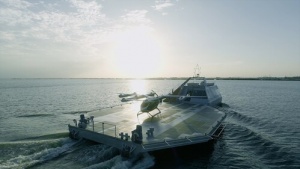 AutoFlight Introduces Zero-Carbon Floating Vertiport for eVTOL Aircraft">

The Future of Low-Altitude Air Mobility Meets Waterways
Innovation in electric vertical take-off and landing (eVTOL) technology has reached a new milestone with AutoFlight Aviation Technology unveiling a zero-carbon eVTOL water vertiport. This floating vertiport is designed to integrate sea and air transport seamlessly, opening up possibilities for sustainable, low-altitude mobility over rivers, lakes, and coastal regions. It represents a bold step toward expanding advanced air mobility infrastructures without reliance on conventional land-based development.
The water vertiport acts as a floating operations hub, featuring eVTOL landing platforms coupled with photovoltaic charging and storage capabilities. Intelligent dispatch and communication systems coordinate real-time operations with eVTOL aircraft, offering rapid deployment without the need for traditional construction. This integration supports a flexible land–sea–air mobility network essential for diverse mission profiles.
Versatile Applications Across Key Sectors
This innovative sea–air solution is purpose-built to enhance efficiency in five critical areas:
- Marine Energy Platform Maintenance: Ensures quicker transport of personnel and essential components to offshore energy sites.
- Emergency Rescue Operations: Combines expansive search capabilities with swift eVTOL deployment to minimize response times and broaden rescue coverage.
- High-Frequency Commuter Services: Facilitates ultra-fast travel across urban, coastal, and island routes, shrinking travel time dramatically.
- Sea-Air Tourism Experiences: Introduces an exclusive “flight+” option, elevating premium tourism with combined aquatic and aerial adventures.
- Networks of Mobile Water-Based Vertiports: Enables coordinated multi-aircraft operations via a network of floating vertiports to accommodate high traffic.
Sustainable Design at Its Core
Amid the accelerating global push for sustainable transportation, the AutoFlight water vertiport stands out by leveraging renewable energy and clean technologies. Its fully electric design supports zero-emission take-offs, landings, and charging cycles. The partnership with CATL ensures integration of safe, high-performance battery systems, making the entire ecosystem moving towards carbon neutrality.
This approach offers a low-impact alternative for urban and regional air mobility initiatives, especially in regions dense with waterways, where deploying infrastructure without extensive land development is a priority.
Compatible Fleet and Operational Highlights
AutoFlight’s water vertiport is designed to align with its existing eVTOL fleet including:
| Modell | Típus | Kapacitás | Use Case |
|---|---|---|---|
| White Shark | Industrial-grade eVTOL | Variable cargo/passengers | Heavy-duty transport, maintenance support |
| CarryAll | 2-ton-class cargo eVTOL | Cargo only | Logistics, supplies delivery |
| Prosperity | Six-seat passenger eVTOL | 6 passengers | Commuting and tourism |
Pioneering Demonstrations and Real-World Potential
AutoFlight publicly showcased the water vertiport technology in a demonstration at Dianshan Lake, Kunshan. Highlighted by a 2-ton-class eVTOL takeoff from the floating platform, the event featured formation flights and live airdrop missions. These showcased the system’s capability for rapid emergency response and efficient low-altitude logistics.
Historical Context and Emerging Trends in Aviation and Mobility
The concept of VTOL and eVTOL aircraft has been gradually evolving as part of a broader quest to revolutionize urban and regional mobility. Traditionally, vertiports have relied on land-based infrastructure, which limits deployment speed and often complicates integration with natural landscapes, especially in areas rich with waterways.
Historically, land and water transport systems have sought harmony, but air mobility has been largely separated, often focused on airports far from water bodies. This new integrated sea-air model echoes maritime traditions of using natural water expanses for transportation, merging them with cutting-edge electric aviation technology.
Electric propulsion and battery advancements, fueled by partnerships with energy technology companies, are rapidly advancing the viability of eVTOLs as green alternatives to traditional aircraft. The use of renewable energy to power vertiports aligns with global carbon reduction goals and promotes sustainable tourism and commuting.
Potential Impact on Tourism and Recreation
The creation of floating vertiports could open up previously difficult-to-access coastal and island areas to new waves of visitors. For sailing enthusiasts and marine tourists, this means enhanced mobility options that go beyond boats, providing fast and environmentally friendly access to otherwise remote destinations.
Yachting marinas and coastal resorts could benefit from increased visitor traffic brought by integrated land-sea-air travel, enriching the mix of activities from boating to sightseeing flights. The synergy of such innovative transport networks may also inspire new forms of eco-friendly adventures, inviting travelers to combine sailing with quick aerial hops.
Looking Ahead: The Role of Water Vertiports in Sustainable Mobility
As the travel landscape adapts to climate-conscious demands and technological breakthroughs, low-carbon mobility platforms like AutoFlight’s water vertiport are positioned to reshape how people and goods move in coastal and waterway-rich regions. This approach minimizes environmental impact while expanding connectivity and emergency response capabilities.
The integration of solar power, electric aircraft, and floating infrastructure symbolizes the next wave in aviation and marine transport—blurring traditional boundaries, supporting multimodal journeys, and enhancing the ease of access to natural and urban destinations.
Summary
AutoFlight Aviation Technology’s unveiling of the zero-carbon eVTOL water vertiport marks a transformative leap in sustainable, integrated mobility. This floating vertiport supports various missions from emergency rescue to high-frequency commuter travel and luxury sea-air tourism—all powered by clean energy and fully electric systems. The public demonstration at Dianshan Lake exemplifies its operational potential, promising faster deployment and greener travel options.
Historically, aviation and water-based transport have developed on parallel tracks; this innovation marries the two, opening up fresh pathways for tourism and logistics in marine-rich regions. As environmental concerns drive new technologies, the water vertiport model could become a cornerstone for future smart cities and coastal resorts looking to reduce carbon footprints without sacrificing accessibility.
For travelers and sailing aficionados seeking diverse experiences, the rise of such integrated infrastructures offers exciting new destinations and convenient access throughout coastal gulfs, lakes, and marinas. Combine your love for boating and sailing with these new aerial transit options to fully embrace the evolving landscape of yachting and marine activities.
Discover more about global sailing destinations, yacht charters, and boat rentals through GetBoat.com—the international marketplace that offers a wide choice of sailing boats and yachts tailored to every taste and budget. Whether you’re looking to rent a yacht for coastal exploration or find a superyacht for luxurious travel, GetBoat.com brings the ocean closer to you with seamless booking and expert service.