


 Magyar
  English (UK)
  Русский
  العربية
  日本語
日本語  한국어
한국어  Türkçe
  Español
  Čeština
  Svenska
  Português
  Ελληνικά
  Suomi
Suomi  Nederlands
  Română
  Italiano
  Français
  Polski
  Українська
  Deutsch
  简体中文
简体中文  Slovenčina
 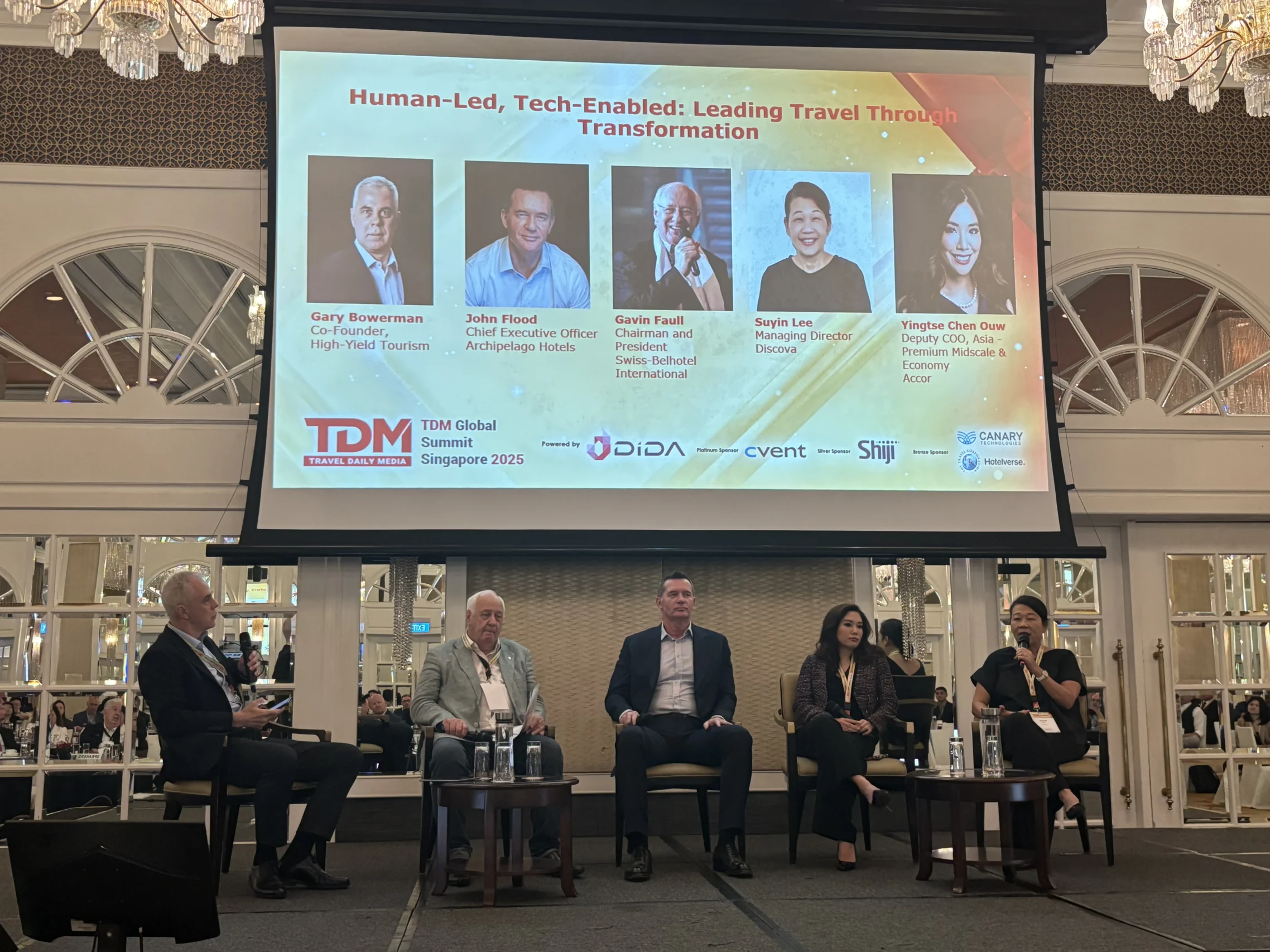 How Travel Leaders Are Shaping The Future with Talent and Technology">

Balancing Innovation and Human Touch in Travel Leadership
The travel industry is navigating through a time of swift technological change while striving to keep the human element at its heart. This piece delves into how executives are integrating cutting-edge technologies—like AI and CRM systems—to revolutionize their operations, all while fostering dynamic teams prepared for the challenges ahead.
Transformation in Leadership Roles Post-Pandemic
The dynamic landscape of travel, especially in the Asian market after the pandemic, reveals an industry both transforming and fragmenting. Leaders must adapt to this evolving puzzle, where technology adoption occurs at varying speeds across teams and ownership models.
One notable point raised is the surge in use of chat-based AI systems, exemplified by platforms like ChatGPT, which have hundreds of millions of users. This widespread adoption is both a challenge and an exciting opportunity, as it promises to unlock levels of efficiency and personalization previously unattainable.
The Challenge of Time Fragmentation and Agile Decision-Making
Time fragmentation affects how executives engage with various market segments, demanding constant relationship building and ongoing training. This environment pushes management to operate with incomplete information, heightening the need for technological tools that support rapid and informed decision-making.
Talent Management: Curiosity and Soft Skills as Leadership Pillars
The shift in workforce demographics, accelerated by the loss of experienced professionals during the pandemic, has compelled leaders to reconsider talent strategies. Emphasizing curiosity and adaptability, there is a growing consensus that hard skills can be taught, but soft skills—such as emotional intelligence, collaboration, and communication—are foundational to nurturing the next generation of travel professionals.
This approach is particularly important when engaging younger generations like Gen Z and millennials, whose expectations and ways of working differ from those before them.
Major Challenges Facing Travel Organizations
- AI Strategy and Automation: Understanding how emerging technologies fit within organizational goals.
- Talent Management: Recruiting, developing, and retaining a workforce aligned with evolving industry needs.
- Shifting Traveller Expectations: Adjusting service delivery to meet new modes of booking, consumption, and travel discovery.
Equipping, Growing, and Empowering Through AI
A recent study highlights how a significant majority of employees feel technology, especially AI, enhances the creativity and engagement in their roles. Employees also expect their employers to provide training in such technologies. Progressive companies respond with strategies tailored to different workforce “personas”—including AI enthusiasts, cautious adopters, and skeptics—ensuring inclusive growth.
Workforces are often segmented by service style—budget versus luxury operations—with training models designed to be modular, allowing staff to build skills incrementally and gain certifications that foster career progression across varied hotel sectors.
Maintaining Motivation and Embracing a Hybrid Workforce
Leadership is key in maintaining focus and commitment among diverse teams. Some organizations outsource segments like housekeeping and IT to specialized teams across various countries, creating flexible workflows. This hybrid approach between onsite work and external support improves productivity, focus, and profitability.
Connectivity and rapid technological integration enable companies to respond swiftly to changing customer demands and market nuances, particularly in fast-paced East Asian markets where both product innovation and unique guest experiences are becoming critical differentiators.
The Historical Context and Evolving Landscape of Travel Leadership
The travel industry has historically evolved through waves of technological innovation and shifts in consumer behaviour. From the rise of global distribution systems to the increasing role of online platforms, management today builds upon decades of integrating new tools while preserving the human touch essential to hospitality.
Key trends shaping the future of tourism include the rise of specialized market segments, growth in environmentally and socially conscious travel, and the globalization of services. Major players emphasize quality and consistency through global standards while respecting local culture and workforce contributions.
| Factor | Past Impact | Current Shift | Future Outlook |
|---|---|---|---|
| Technology Adoption | Slow integration, legacy models | AI-driven tools and CRM in widespread use | Personalized, predictive, and seamless customer journeys |
| Talent Dynamics | High turnover, skill shortages | Focus on soft skills and continuous learning | Agile, tech-savvy, and motivated workforce |
| Leadership Approach | Top-down management | Human-centered, curiosity-driven | Inclusive leadership nurturing innovation |
The Future of Travel Leadership in International Tourism
The travel sector faces an ongoing challenge to anticipate unpredictable events, adapt quickly to technology, and meet shifting consumer desires. The combination of skilled leadership and tech adoption will be key to thriving in this volatile environment.
Destinations that prioritize unique experiences, environmentally responsible tourism, and high-touch customer service will stand out in a global market that continues to expand and diversify.
Implications for Sailing and Boat Rental Experiences
As travel leadership evolves, these shifts will ripple through marine tourism and yacht charters. Enhanced technology enables charter companies to personalize guest journeys, streamline bookings, and manage fleets more efficiently. Meanwhile, talent development ensures that captains and crews are not only skilled but also attuned to the desires of modern travelers seeking unique sea experiences, whether on a serene lake or the vast ocean.
Key Takeaways for the Boating Community
- Technology Integration: AI and digital tools can transform yacht charters and boat rentals, providing smarter booking and customer engagement options.
- Talent Growth: Developing crews with both technical skills and emotional intelligence improves guest satisfaction and safety.
- Customer Expectations: Rapid changes in how travelers research and book demand that sailing experiences innovate continuously.
Through a combination of human expertise and innovative technology, the future of travel—and marine tourism in particular—promises richer, more memorable adventures on water.
GetBoat.com remains vigilant on emerging trends in the tourism world and provides a premier international marketplace for sailing boat and yacht rentals, offering options that satisfy diverse tastes and budgets. Whether seeking a luxury superyacht or a cozy boat for a day trip by the beach or lake, it’s an essential resource for those eager to embrace the spirit of boating and yachting amidst evolving global travel dynamics.