


 Magyar
  English (UK)
  Русский
  العربية
  日本語
日本語  한국어
한국어  Türkçe
  Español
  Čeština
  Svenska
  Português
  Ελληνικά
  Suomi
Suomi  Nederlands
  Română
  Italiano
  Français
  Polski
  Українська
  Deutsch
  简体中文
简体中文  Slovenčina
 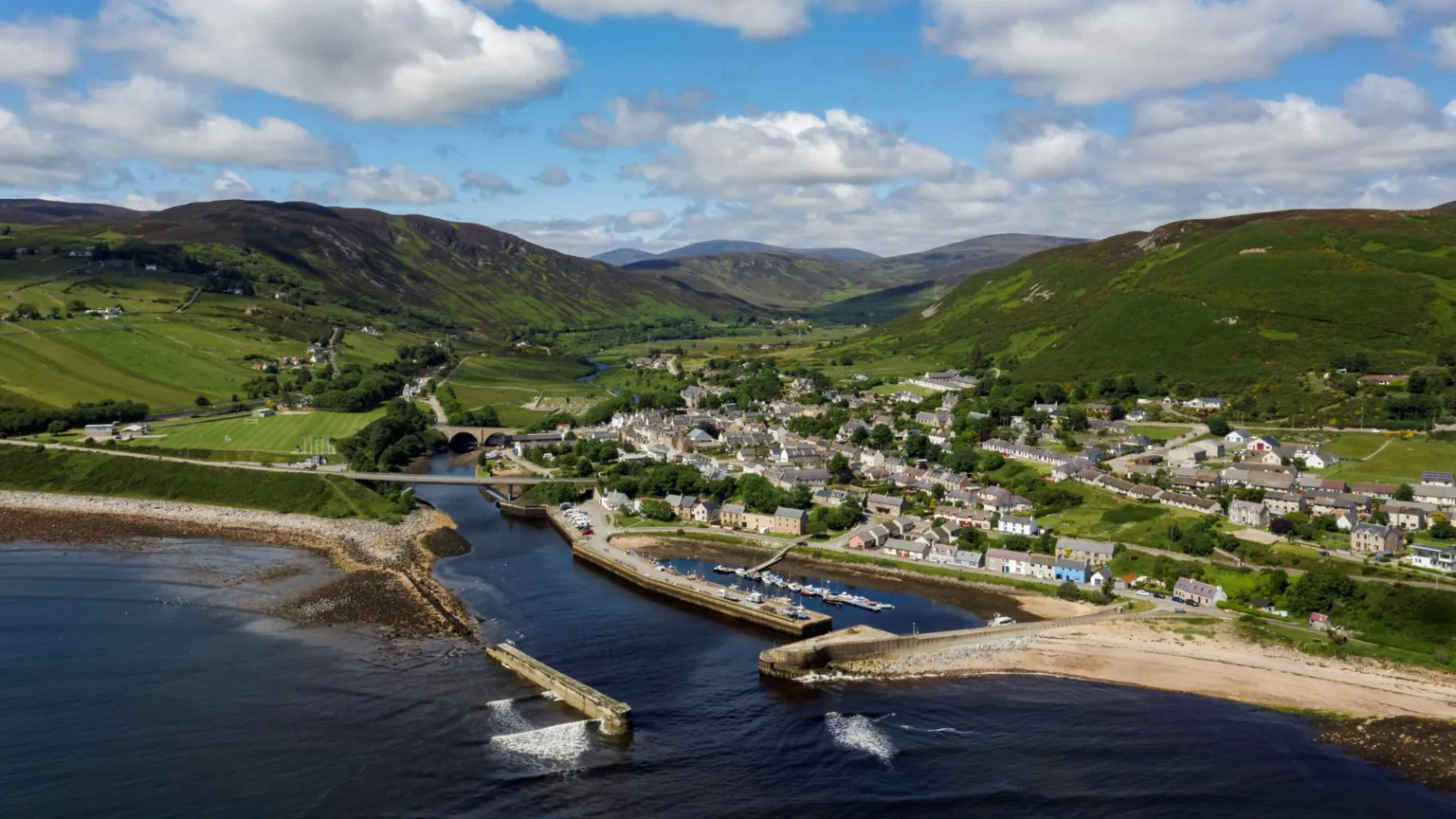 A Highland Tanács elhalasztja a Turisztikai Adó bevezetését a kormányzati felülvizsgálatot követően">

A Pause on the Proposed Tourist Tax in the Scottish Highlands
Recently, Highland Council has decided to put its plans for a new visitor levy – often referred to as a ‘tourist tax’ – on hold. This pause comes as the Scottish government considers granting local authorities more flexibility regarding how visitor levies could be structured and implemented.
The council had been exploring the potential introduction of a 5% tax on holiday accommodation, a move that was projected to generate around £10 million annually to support the region. However, significant concerns were raised by holiday accommodation providers about the percentage-based nature of this levy, highlighting possible negative impacts on both the local tourism industry and visitor numbers.
Following a comprehensive consultation that attracted over 4,000 responses, councillors unanimously agreed to defer any implementation decisions. They await further clarity from the government on whether new powers will allow for a single flat-rate fee or a selection of fixed charges tailored to different locations or purposes.
How Might This Affect Accommodation Providers and Visitors?
Under existing rules, local councils may impose a charge on overnight stays in hotels, bed and breakfasts, and holiday lets. Usually, accommodation businesses collect these levies from guests directly. But the uncertainty around the tax’s form and rate has stirred debate among many stakeholders.
Several chambers of commerce from key Highland areas such as Cairngorm, Caithness, Lochaber, and Inverness have voiced their worries. They suggest that adding extra costs to accommodation might deter visitors at a time when tourism is vital to the regional economy.
Conversely, some groups have praised the delay, seeing it as a thoughtful opportunity to refine the approach to the levy. Tenant unions, however, criticize the council for postponing, noting that the funds raised could have been crucial for essential community services, including homelessness initiatives.
Background and Historical Context of Visitor Levies
Visitor levies have been a topic of debate in many popular tourist destinations globally, partly as a tool to manage the economic and environmental impact of tourism. In Scotland, while some councils have considered or even introduced various forms of accommodation taxes, there has been no unified policy or rate mandated across the region.
The concept typically arises when local authorities seek ways to balance the benefits of having tourists with the challenges those visitors may bring, such as wear on infrastructure and demands on public services. Revenue from such taxes often aims to improve or maintain amenities that both visitors and residents use.
The Highland Council’s initial proposal reflected a broader trend in tourism governance. However, the size and complexity of tourist activity in the Highlands—with its diverse destinations, from bustling Inverness to serene rural retreats—make finding a one-size-fits-all model tricky.
Potential Formats for Visitor Levies
| Type of Levy | Description | Advantages | Concerns |
|---|---|---|---|
| Percentage-Based Tax | A fixed percentage (e.g., 5%) of the accommodation cost | Scales with price, potentially generating more revenue from higher-end stays | May discourage booking, higher impact on expensive accommodations |
| Flat-Rate Fee | A fixed amount charged per night regardless of price | Simple to administer, predictable fees for visitors | Could disproportionately affect budget accommodations |
| Variable Fixed Charges | Different fixed fees depending on location or type of accommodation | Flexibility to target areas with more tourism pressure | Can be complex to manage and explain to visitors |
The Wider Implications for Tourism and Local Communities
Tourism is an essential economic pillar for the Highlands, contributing significantly to employment and local businesses, including accommodations, tours, eateries, and retail establishments. The visitor levy’s intention would be to support infrastructure and services that help maintain a high-quality visitor experience and sustainable local life.
The debate around the levy touches on the delicate balance between promoting tourism and managing its pressures. This balance also holds importance for marine and boating tourism sectors, as the Highlands’ abundant coastlines, lochs, and islands attract yachting enthusiasts, anglers, and sailing adventurers alike.
In destinations where water-based activities dominate, any added costs related to visitor accommodation could influence decisions to charter a boat or rent beachside cottages, potentially redirecting demand to alternative locations without such levies.
Community and Business Perspectives
- Accommodation Providers are concerned the tax could reduce bookings, especially during shoulder seasons or among cost-conscious tourists.
- Local Businesses supporting tourism worry about the ripple effect on the economy if visitor numbers decline.
- Residents and Tenant Groups emphasize the need for additional funding to support essential community services, urging for thoughtful tax design.
Looking Ahead: The Future of Visitor Levies in Scotland’s Highlands
The Highland Council’s decision to hold off implementing a tourist tax is a cautious approach, awaiting more concrete details from the Scottish government. These forthcoming regulations could possibly introduce a harmonized framework, allowing flexibility and clarity for local authorities and businesses alike.
If implemented effectively, visitor levies can serve as an important tool to fund infrastructure upgrades, environmental protection, and community projects without placing unsustainable burdens on tourists or the hospitality sector.
Yet, careful design and stakeholder engagement will be critical. The tourism ecosystem thrives on a positive visitor experience that includes seamless accommodation bookings, vibrant local culture, pristine natural settings, and a wide range of activities—sailing, fishing, yachting, beach visits, and more.
Summary Table: Key Factors Influencing Visitor Levy Success
| Factor | Description |
|---|---|
| Stakeholder Engagement | Involving accommodation providers, local businesses, and community groups to design the tax. |
| Market Sensitivity | Understanding tourist price thresholds and willingness to pay, especially for budget-conscious visitors. |
| Flexible Implementation | Possibility of varying rates by location or accommodation type to meet local needs. |
| Clear Communication | Transparency with tourists on how revenues will be used to improve services and infrastructure. |
Connecting to the Broader Tourism Landscape
Historically, the concept of visitor levies responds to sustained pressures seen in popular destinations worldwide, aiming to adapt tourism development sustainably. Scotland, known for its spectacular landscapes, including the Highlands with extensive lochs, rivers, and coastlines, depends heavily on a diverse visitor economy.
Its tourism structure features a mix of classic land-based attractions and growing interest in marine tourism, such as yachting and sailing charters. Effective management of visitor flows and funding through mechanisms like levies can support the expansion and quality of marinas, refitting services, and boat rentals, which are part of comprehensive travel and leisure experiences.
Final Thoughts on Visitor Levies and Travel Experience
With continuing debates and forthcoming government guidance, Highland Council’s careful reevaluation of the visitor levy highlights the complexity of managing tourism growth responsibly. Such financial tools, while sensitive, can help secure resources needed to maintain the region’s outstanding natural beauty and vibrant communities.
Highland’s unique relationship to the sea and inland waters also means policies must consider the impact on marine activities, including boating, chartering, and fishing, treasured by both locals and tourists.
For those interested in exploring the Scottish Highlands by water, including yachts and sailing boats, GetBoat.com offers an international marketplace for renting a wide range of yachts and sailing vessels catering to every taste and budget. Whether seeking serene lochs or ocean adventures along the coast, boating enthusiasts can find the perfect charter to enhance their travel experience.