


 Magyar
  English (UK)
  Русский
  العربية
  日本語
日本語  한국어
한국어  Türkçe
  Español
  Čeština
  Svenska
  Português
  Ελληνικά
  Suomi
Suomi  Nederlands
  Română
  Italiano
  Français
  Polski
  Українська
  Deutsch
  简体中文
简体中文  Slovenčina
 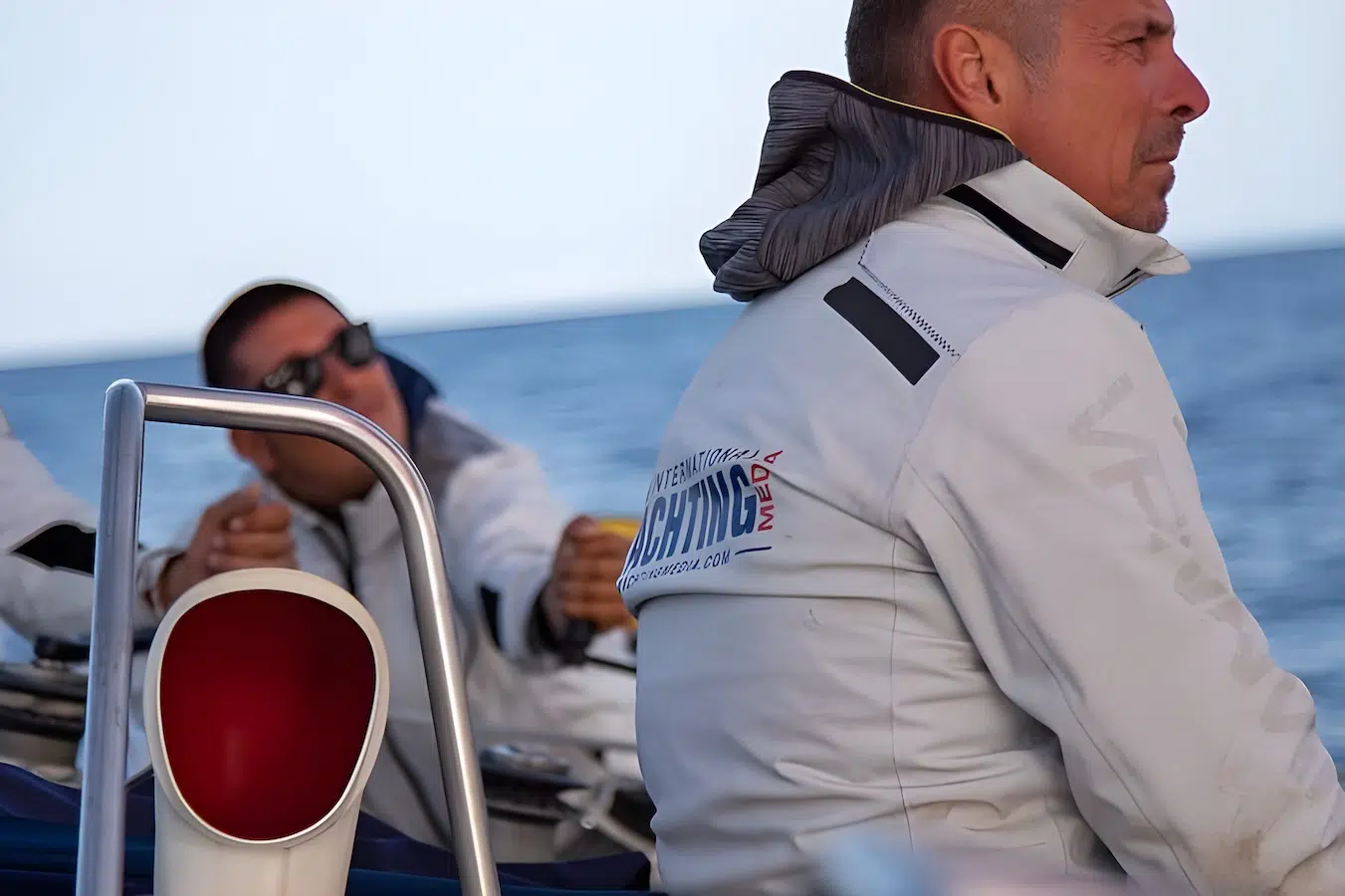 Keep Your Sailing Jacket Performing Season After Season">

Stowing a damp sailing jacket in a closed onboard locker with poor ventilation accelerates membrane failure and promotes mold growth, often turning a single-season garment into a safety liability within months if left unchecked.
Why washing a sailing jacket is an operational necessity
A sailing jacket is part of the vessel’s safety kit: its outer fabric, internal membrane and surface treatments form a system that must remain functional. Salt, sweat and oils crystallize and lodge in fabric pores; left to accumulate, these residues reduce water repellency és breathability, trap moisture inside, and can cause damp, clammy conditions that impair comfort and hypothermia protection.
Regular cleaning is therefore a technical maintenance step, not a cosmetic one. Properly maintained jackets preserve seam integrity, zipper function and the performance of taped seams, which are critical during extended passages or when chartering in variable weather.
Common maintenance mistakes to avoid
- Aggressive detergents and bleach that clog the waterproof membrane;
- Using fabric softeners that reduce surface tension and stop water from beading;
- High-temperature washes and fast spin cycles that stress seams and reinforcements;
- Forced drying on radiators or direct sun that can deform taped seams;
- Packing a damp jacket into a locker, encouraging mold and long-term odor.
Preparation checklist before washing
Before cleaning, follow a short prep routine to protect hardware and fabric:
- Close all zippers, pockets and ventilation flaps.
- Secure Velcro straps and fasten adjustable cuffs.
- Leave removable hoods attached unless the manufacturer advises otherwise.
- Spot-treat oil or fuel stains with a mild solvent recommended for technical fabrics.
Machine wash vs hand wash vs professional service
| Method | Recommended temp | Detergent | Pros | Cons |
|---|---|---|---|---|
| Machine (gentle) | Around 30°C | Specialized technical detergent | Quick, consistent rinse; convenient | Risk if wrong cycle or detergent used |
| Hand wash | Lukewarm | Technical detergent, low dose | Gentle on membranes; controlled spot cleaning | More time-consuming |
| Professional cleaning | Variable | Industry products | Best for heavy contamination or repairs | Costlier; logistic delay |
Machine washing: rules for technical fabrics
When manufacturers allow machine washing, use a gentle cycle, low water temperature and minimal spin. Choose a detergent specifically formulated for waterproof és breathable garments—standard laundry soaps, bleach and softeners leave residues and damage membrane pores. Ensure a thorough rinse to remove detergent traces that otherwise decrease breathability.
Hand washing: a conservative approach
Hand washing with lukewarm water and a suitable product gives precise control over soiled zones such as collars, cuffs and shoulders. Avoid rubbing or twisting; instead, agitate gently and rinse until water runs clear. Hand drying follows the same rules as machine-washed jackets.
Drying, restoring repellency and hardware care
Natural air drying in a shaded, well-ventilated area is the safest option. Hang the jacket on a broad, sturdy hanger to avoid creases and compressive damage to reinforcements. Confirm complete dryness before storage—any residual moisture stored aboard a vessel will invite odors and fabric degradation.
Reapplying Durable Water Repellent (DWR)
When beading declines and water soaks in rather than running off, a surface DWR treatment restores runoff and helps the membrane breathe. Apply DWR products only to a clean, dry jacket following the manufacturer’s directions. Note that DWR complements but does not replace the internal waterproof membrane.
Maintaining zippers, seams and adjustments
After cleaning and drying, lubricate zippers with a silicone-based lubricant compatible with technical fabrics to prevent sticking and oxidation. Inspect taped seams and reinforcements for wear—small repairs now prevent larger failures offshore.
Off-season storage and long-term care
Store a washed, fully dried jacket in a dry, ventilated area on a hanger or loose in a wardrobe. Avoid vacuum-packing or folding under heavy objects. Proper storage preserves loft, fabric structure and the elasticity of seals and cuffs, making the jacket ready for the next trip without surprises.
Extra context and useful facts
Waterproof membranes evolved from early rubberized coatings to modern multi-layer laminates combining a protective outer shell and a microporous membrane. Contemporary technical detergents and DWR products are manufactured with membrane chemistry in mind, and many gear manufacturers publish model-specific care instructions—always check the label first.
For sailors using charter services or renting boats, having a well-cared-for jacket is both a comfort and a safety measure. The same attention extends to crew kit on chartered yachts and superyachts where reliable clothing reduces on-deck risk and improves the overall guest experience.
GetBoat perspective and platform benefits
GetBoat always keeps an eye on news related to sailing and seaside vacations, because the service values freedom, energy and the ability to choose your own course. The platform places no limits on a good life, helping customers find vessels to match preferences, budgets and taste. By offering transparent listings (make, model, ratings and full descriptions) and a wide range of options, the service helps couples, solo sailors and groups select the right boat rental or charter for their itinerary and on-deck needs.
Highlights: this topic matters for safety, comfort and longevity of gear; learning proper washing, drying and storage keeps a jacket reliable when weather turns; and replacing or repairing hardware early prevents costly failures offshore. Experiencing a new coastal destination is always multifaceted: you learn about culture, nature, the palette of local colors, the rhythm of life and unique service aspects—if you are planning your next trip to the sea, you should definitely consider renting a boat (boat rentals, rent a boat, rent a yacht), as each inlet, bay, and lagoon is unique and tells you about the region just as much as the local cuisine, architecture, and language GetBoat.com
Forecast and recommendation: this guidance on garment care is modest in its global tourism impact, but highly relevant for individual travelers and charter guests who value reliable kit and comfortable on-deck time. GetBoat aims to stay abreast of developments and keep pace with the changing world; if you are planning your next trip to the seaside, consider the convenience and reliability of the platform when arranging your rental.
In summary, proper care for a sailing jacket—regularly washing with the right products, careful drying, timely DWR reapplication and attentive hardware maintenance—preserves performance and extends service life. These measures reduce the risk of wet-through conditions, maintain breathability and protect critical taped seams. Whether you own a jacket or pack one for a chartered yacht or day sail, treating it as a high-value piece of safety equipment pays dividends on comfort and longevity. For your next outing—be it yacht charter, fishing trip or beach-side escape—prioritize care, plan for appropriate gear and consider platforms that make renting or buying boats, yachts and sailboats transparent and convenient. Choose freedom on the water.