


 Magyar
  English (UK)
  Русский
  العربية
  日本語
日本語  한국어
한국어  Türkçe
  Español
  Čeština
  Svenska
  Português
  Ελληνικά
  Suomi
Suomi  Nederlands
  Română
  Italiano
  Français
  Polski
  Українська
  Deutsch
  简体中文
简体中文  Slovenčina
 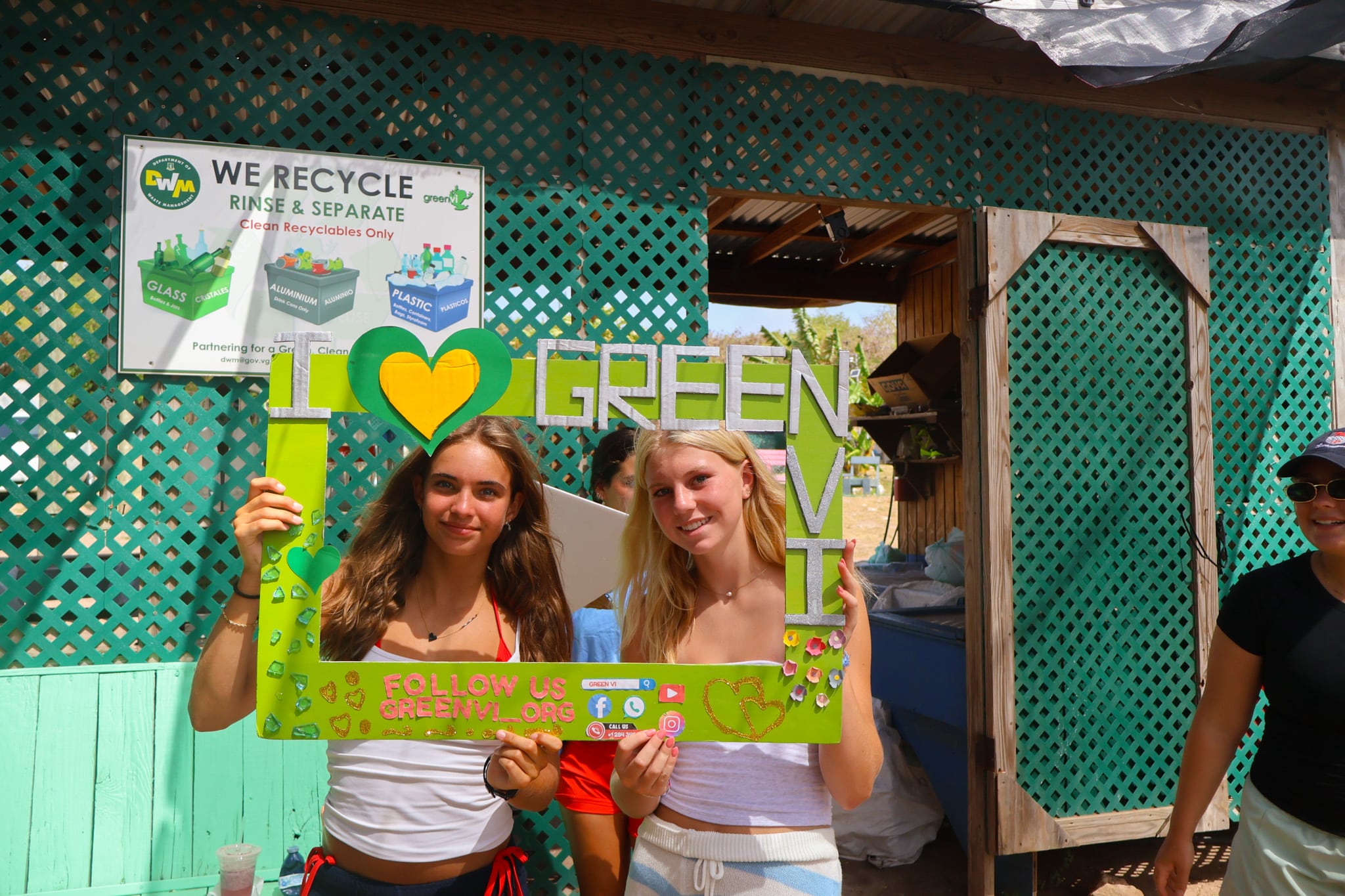 Summer Service and Sailing Adventures with Sail Caribbean">

A flotilla of four yachts and two motorboats operated by Sail Caribbean shuttles students on a rotating weekly route between Tortola, Virgin Gorda, and Jost Van Dyke marinas, covering an average of 60 nautical miles per week while coordinating diving, monitoring, and coastal restoration shifts to maximize service-hour accreditation.
Service Learning Logistics and Onboard Flow
Programs are scheduled in modular blocks: morning conservation dives, midday cultural exchanges in local villages, and afternoon sailing legs that reposition the fleet. Each shift is logged against a verified timesheet and cross-checked by local partners and on-board staff. That means students don’t just collect hours — they follow a documented chain of activity from check-in to completion, useful when schools require strict verification procedures.
How hours are tracked and verified
- Daily logs signed by team leaders and local coordinators
- Digital dive and task records uploaded nightly to program servers
- Official Sail Caribbean Community Service Certificate issued upon completion
Core Activities: Marine Science Meets Hands-On Work
Service modules mix scientific protocol with practical labor. Typical excursions include tenger turtle monitoring, coral reef restoration, underwater transects, and coastal cleanups. The aim is for students to learn ecological methods and complete measurable remediation tasks rather than perform anonymous chores.
| Activity | Typical Hours Earned | Logistics Notes |
|---|---|---|
| Sea turtle monitoring | 6–10 hours/week | Night and dawn shifts; boat transfer required |
| Coral reef restoration | 8–12 hours/week | SCUBA or snorkel access; tools and training provided |
| Coastal cleanups & outreach | 4–6 hours/week | Shore teams; collaboration with community NGOs |
| Cultural exchange & workshops | 3–5 hours/week | School visits, craft projects, language sessions |
| Sailing & seamanship lessons | Varies | Practical navigation, watch schedules, captain duties |
Participant Experience: Learning the Ropes
Students live aboard, split watch duties, and rotate through roles — from deckhand to data recorder. This structure means participants pick up leadership and technical skills: reading charts, logging scientific data, and operating small tenders under supervision. One shy teen, for example, quickly became the de facto helm-watch leader after leading a night-time beach survey — proof that throwing someone in at the deep end can pay off when support is tight.
Cultural Exchange and Community Partnerships
Local partnerships are central. Workshops with village schools, collaborative beach-restoration projects with NGOs, and market visits are built into the schedule so volunteers contribute meaningfully rather than acting as temporary bystanders. These exchanges are also documented for school transcripts and admissions essays, showing tangible community impact.
Typical cultural activities
- School visits and English tutoring sessions
- Traditional craft exchanges and culinary demos
- Community-led conservation briefings with local naturalists
Why Adventure-Based Service Resonates on Applications
College admissions teams value programs that demonstrate initiative, sustained engagement, and leadership. Adventure service combines environmental stewardship and cross-cultural immersion with tangible outputs: restored reef plots, documented turtle nests, and verifiable volunteer hours. These make for richer personal statements than a generic local cleanup checkbox.
The “fun” factor — sailing, diving, and balance
Service days are balanced with sailing legs, snorkeling at coral gardens, and downtime at anchor on white-sand beaches. The schedule is deliberately varied to avoid burnout: a morning reef transplant followed by an afternoon sail and an evening cultural night. In short, participants get to earn, learn, and play — two birds with one stone: meaningful service and real adventure.
Practical Notes for Families and Trip Planners
- Bring proof of required certifications for diving shifts; rental gear available through program partners.
- Health and safety briefings occur daily; medics and oxygen kits are standard on board.
- Capacity is limited by berth space and tender logistics; early booking secures preferred rotations and roles.
All participants receive a Sail Caribbean Community Service Certificate and staff are available to verify hours directly for school systems requiring specific documentation. The operational setup—fleet rotation, shore-side NGO partners, and structured logs—makes these hours transferrable and defensible for formal recognition.
Summary: Structured logistics, verified hours, and a curriculum that blends tengeri science, cultural exchange, and seamanship make this form of service learning both rigorous and enjoyable. For teens interested in yacht life or future careers in marine fields, the program offers real-world experience aboard yachts and motorboats, exposure to marinas and charter operations, and opportunities in diving, fishing, and beach restoration. Whether planning to charter a boat, rent equipment, or later pursue sale or captaincy in yachting, participants return with certified hours, stronger leadership skills, and stories from the sea, ocean, and gulf that resonate on college applications and beyond.