


 Magyar
  English (UK)
  Русский
  العربية
  日本語
日本語  한국어
한국어  Türkçe
  Español
  Čeština
  Svenska
  Português
  Ελληνικά
  Suomi
Suomi  Nederlands
  Română
  Italiano
  Français
  Polski
  Українська
  Deutsch
  简体中文
简体中文  Slovenčina
 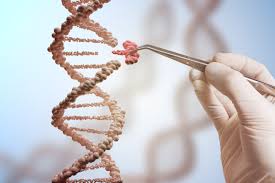 Új távlatok a génterápiában: egyetlen eszköz, amellyel számos DNS-hiba kijavítható">

Precision Gene Editing: A Game Changer for Genetic Diseases
The quest to precisely correct faulty DNA sequences that cause genetic diseases has long been a painstaking challenge. Traditionally, each harmful mutation requires its own tailored therapy, making the process complex, costly, and slow. However, emerging breakthroughs suggest that one versatile gene-editing approach could broadly address many genetic disorders caused by single-letter errors in the DNA code.
In 2012, the gene-editing world was transformed by the development of CRISPR-Cas9, a technology inspired by bacterial defenses against viruses, which can snip DNA in a targeted manner. But CRISPR-Cas9 acts more like molecular scissors—it cuts DNA but does not directly fix errors, limiting its applicability to diseases requiring exact gene correction rather than disruption.
To overcome this, researchers at the Broad Institute, including Prof David Liu, innovated an editing system akin to a “find-and-replace” tool for the genome. This method uses refined CRISPR-based tools called base editors and prime editors, which can chemically convert one DNA base into another without cutting the strand entirely. The precision of this approach holds promise to potentially treat thousands of genetic diseases by correcting the DNA “spelling mistakes” responsible for them.
Historic Milestone: First Successful Personalized Base Editing Therapy
A landmark case demonstrated this innovation’s potential: a baby known as KJ, with a rare and life-threatening genetic liver condition causing toxic ammonia buildup, was the first patient to undergo personalized base editing therapy. Scientists crafted a tailored base editor to correct the mutation in KJ’s liver cells, resulting in effective stabilization and a thriving patient. This successful intervention highlighted the possible future of precise genetic treatments.
Challenges: Scaling From Individual Mutations to Many Diseases
Despite such triumphs, the practical challenge remains daunting. More than 200,000 harmful mutations have been identified in humans, each traditionally demanding a specially designed treatment. Developing, validating, manufacturing, and gaining regulatory approval for such a vast array of bespoke therapies is both prohibitively expensive and time-consuming.
Professor Liu emphasizes the scale of the problem: approximately 8,000 genetic diseases affect 400 million people worldwide, many of which are rare and fragment into isolated patient groups. This fragmentation lowers global funding compared to more common illnesses, like cancer, further complicating research and treatment efforts.
Prime-Editing-Installed Suppressor tRNAs (PERT): Targeting a Common Genetic Error
In a promising advance, Prof Liu’s team introduced prime-editing-installed suppressor tRNAs (abbreviated as PERT). This technique targets “nonsense mutations,” a common type of genetic error where a DNA sequence mistakenly signals an early stop to protein production. Such early stop signals truncate proteins, rendering them ineffective or harmful. These mistakes account for 10–25% of all disease-causing variants, impacting conditions ranging from cystic fibrosis and Duchenne muscular dystrophy to rare metabolic diseases.
PERT works by embedding an engineered molecule inside cells that can “read through” erroneous stop signals and restore full-length proteins. This clever strategy revives the function of proteins vital for health and could be applied to treat many diseases with nonsense mutations.
The Molecular Mechanics Behind PERT
The innovation builds on decades-old knowledge of suppressor tRNAs—a type of transfer RNA that helps cells assemble proteins by matching genetic codes to amino acid building blocks. Normally, suppressor tRNAs could bypass stop signals but were limited in their therapeutic use due to challenges like toxicity and interference with normal protein synthesis.
Using prime editing, a high-precision form of CRISPR technology, researchers permanently installed suppressor tRNA genes directly into the genome to act only where faulty stop signals occur without disturbing normal cellular functions. This approach is likened to a genetic word processor, carefully rewriting the DNA script.
Of the thousands of tRNA variants explored, an engineered version of tRNA Leu-TAA-1-1 emerged as particularly effective, restoring over 35% of normal protein function in cells—a promising therapeutic threshold for many genetic diseases.
From Cell Models to Living Organisms
Testing in cellular and animal models showed that PERT could reinstate protein function across several diseases that affect diverse tissues, including Batten disease, Tay–Sachs, and cystic fibrosis. In mouse studies of Hurler syndrome, a severe genetic disorder, a single treatment dose restored protein levels near normal and markedly reduced disease symptoms.
Importantly, safety studies revealed no significant off-target effects or disruption of natural stop signals critical for healthy protein production. This precision sets PERT apart, as it minimizes risks associated with correcting genetic code errors.
A Glimpse Into the Future: The Impact on Patients and Medicine
If PERT or related prime editing therapies reach clinical use, they could revolutionize treatment for thousands of patients by addressing common mechanisms behind many genetic diseases. Diseases like cystic fibrosis, Duchenne muscular dystrophy, Stargardt disease, and a host of metabolic conditions could benefit from a therapy that is not mutation-specific but mutation-class specific.
This paradigm shift moves from treating each genetic error individually toward a “disease-agnostic” strategy—targeting the underlying cellular processes mishandled by genetic mutations.
Hope Amid Ethical and Technical Challenges
Gene editing technologies raise important ethical considerations, balanced by the urgent need for treatments in severe cases. Early human applications, like Baby KJ’s, demonstrate life-saving potential. Concerns about unintended effects are weighed against the profound suffering and short lifespans faced by patients without effective therapies.
Challenges remain in delivering the sophisticated editing machinery safely and efficiently to the right cells, ensuring correct dosing, avoiding immune reactions, and meeting stringent regulatory standards. However, ongoing advances and planned clinical trials offer optimism that these hurdles will be overcome within a decade.
Understanding Genetic Diseases: A Brief Historical Context
The understanding of genetic diseases has evolved tremendously. From the foundational work on heredity by Gregor Mendel to the discovery of the DNA double helix structure by Watson and Crick, each scientific leap opened pathways to decoding genetic disorders at a molecular level.
Genetic diseases arise from mutations—small or large changes in DNA sequences—that disrupt the production or function of vital proteins. These mutations can be inherited or arise spontaneously and are classified into types such as point mutations, insertions, deletions, and chromosomal abnormalities.
Modern molecular biology tools, including recombinant DNA technology and genomic sequencing, have enabled precise identification of genetic causes behind diseases. Gene therapy and editing are now poised to move from experimental to clinical stages, signaling a new era in personalized medicine.
Looking Ahead: The Promise for International Tourism Regions with Sailing Opportunities
Advances like gene-editing therapies promise to improve lifespans and quality of life globally, including regions known for marine activities and yachting. Healthy, longer-living populations boost the demand for leisure activities such as sailing, boating, and yacht charters. Regions with popular marinas and clear blue waters stand to benefit from increased tourism and boating industries as wellness and vitality permeate society.
The intersection of cutting-edge science and recreational lifestyles offers exciting potential for deeper engagement with nature, sea, and water sports, all enjoyed on board a sailing yacht or motorboat.
Summary and Final Thoughts
The development of gene-editing strategies like prime-editing-installed suppressor tRNAs marks a groundbreaking step toward treating a wide range of genetic diseases with a single therapeutic tool. By precisely rewriting DNA instructions, this approach addresses common error types responsible for disorders affecting millions worldwide.
With successful demonstrations in cell and animal models, and early clinical use in personalized treatment, the future holds promise for genetic medicine to become more accessible, efficient, and broadly applicable.
This new class of “disease-agnostic” therapies could ultimately reduce suffering, extend healthy years, and positively influence global communities, including those thriving near oceans, lakes, and coastal destinations known for yachting and boating activities.
For enthusiasts seeking unforgettable experiences on the water, the evolution in medical science mirrors our ability to explore new horizons—whether navigating the complexities of genetic code or charting courses through crystal-clear waters aboard a yacht or sailboat.
To discover destinations, rent a beautiful sailing yacht, or plan boating adventures in some of the world’s most stunning marinas, visit GetBoat.com — an international marketplace for renting sailing boats and yachts tailored to every taste and budget.