


 Magyar
  English (UK)
  Русский
  العربية
  日本語
日本語  한국어
한국어  Türkçe
  Español
  Čeština
  Svenska
  Português
  Ελληνικά
  Suomi
Suomi  Nederlands
  Română
  Italiano
  Français
  Polski
  Українська
  Deutsch
  简体中文
简体中文  Slovenčina
 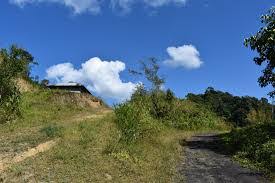 Pangsau hágó – A hagyomány és a kultúra kapuja">

This article reveals the highlights of a recent official visit to Pangsau Pass and examines the site’s potential as a cultural and tourism hub on the India–Myanmar frontier.
Ministerial visit and immediate takeaways
During an official visit to Pangsau Pass in Changlang district, Pasang Dorjee Sona, Minister of Education of Arunachal Pradesh, emphasized the pass’s historical and strategic significance and its prospects for border tourism and cultural exchange. The minister described the pass as a living symbol of connection between nations and communities, and he underscored its appeal for visitors drawn to frontier heritage and panoramic landscapes.
His visit coincided with the Pangsau Pass International Festival at Nampong, an annual event staged to celebrate cross‑border ties and indigenous traditions. The minister praised the festival for its vibrant cultural displays, saying it showcased local identities and reinforced bonds between diverse communities along the border.
Immediate implications for regional tourism
The visit and the festival together send a clear signal that local authorities are keen to position Pangsau Pass as more than a historical waypoint: they intend to cultivate it as an experiential destination where history, culture, and nature meet. This emphasis could accelerate investments in infrastructure, interpretive programming, and cross‑border initiatives designed to attract domestic and international travelers interested in frontier culture, trekking, and community‑based tourism.
Historical context: Stillwell Road and WWII legacy
Pangsau Pass is intimately connected to the history of the Stillwell Road, a World War II–era supply route that linked India and China via Myanmar. The road and the pass embodied wartime cooperation and postwar exchange, and the landscape still carries traces of that era’s strategic logistics and human stories.
Over the decades the pass has stood as a symbol of resilience and frontier heritage. Its significance goes beyond military history; it has long been a corridor for cultural contact, trade, and seasonal movement among ethnic communities straddling the border.
Why the history matters for modern tourism
- Interpretation potential: Battlefield and road history provide material for museums, guided walks, and storytelling festivals.
- Cultural continuity: Living traditions of border communities can be presented as part of immersive cultural itineraries.
- Educational tourism: Historical trails and archives appeal to students, researchers, and heritage travellers.
Festival dynamics and community participation
The Pangsau Pass International Festival functions as a focal point for cultural performance, craft markets, and local foodways. It brings together troupes from different communities to present music, dance, and craft traditions, offering a concentrated, seasonal window into the region’s intangible heritage.
Festival features commonly include:
- Traditional dance and musical performances
- Local handicraft and artisanal stalls
- Culinary showcases of regional specialties
- Interactive workshops and storytelling sessions
Benefits for livelihoods and identity
Festivals like this create visible platforms for artisans and performers to reach wider audiences, strengthening local livelihoods while reinforcing cultural pride. They also act as anchors for small‑scale tourism enterprises—guesthouses, homestays, guides—that can grow sustainably if supported by sound infrastructure and marketing.
Practical snapshot: Pangsau Pass at a glance
| Feature | Details |
|---|---|
| Location | Changlang district, Arunachal Pradesh, India (near India–Myanmar border) |
| Historical link | Eastern gateway of the World War II Stillwell Road |
| Key event | Pangsau Pass International Festival (annual) |
| Tourism potential | Border tourism, cultural exchange, heritage trails, trekking |
| Access considerations | Remote location; requires coordination with district authorities and local guides |
Challenges and considerations for development
Realizing the pass’s tourism potential will require careful planning. Key challenges include maintaining ecological balance, upgrading basic infrastructure, ensuring sensitive cross‑border protocols, and building capacity among local stakeholders to manage tourism sustainably.
Recommended priorities:
- Invest in low‑impact visitor facilities and clear signage
- Develop community‑based homestays and trained local guides
- Create interpretive trails and small museums to contextualize WWII and local narratives
- Coordinate with national and regional authorities on border management and safety
Sustainable approaches to encourage visitation
Emphasis on low‑volume, high‑value tourism—targeting cultural travellers, history enthusiasts, and responsible adventure seekers—will help preserve local culture and environment. Piloting controlled visitor circuits during festival periods can demonstrate benefits while minimizing social or environmental stress.
Outlook: regional significance and tourism trends
Pangsau Pass embodies a convergence of history, culture, and frontier landscapes that could broaden Arunachal Pradesh’s tourism profile. If developed sensitively, the site can diversify regional destinations beyond conventional nature tourism, inviting visitors who seek authentic cultural encounters and historical narratives.
As attention grows, Pangsau Pass may catalyze complementary offerings in nearby areas—community stays, guided treks, and interpretive centers—helping disperse economic benefits and energize local entrepreneurship. Cross‑border cultural programming could further enhance people‑to‑people ties and position the pass as a living corridor rather than a static monument.
How travelers and operators can engage
- Plan visits with local authorities and certified guides to ensure safety and cultural sensitivity.
- Support community enterprises—homestays, craft vendors, and local guides—so tourism revenues remain local.
- Keep itineraries seasonal and flexible to align with festivals and respectful access protocols.
In summary, Pangsau Pass holds meaningful promise as a cultural and heritage destination rooted in the legacy of the Stillwell Road and the living traditions of border communities. Policy attention, festival vitality, and targeted infrastructure can turn this gateway into a sustainable attraction that supports local livelihoods and strengthens cross‑border bonds. GetBoat is always keeping an eye on the latest tourism news and developments — tracking how destinations evolve and influence broader travel sectors. This update highlights connections that matter to diverse destinations and activities, from heritage trails and community tourism to coastal and inland pursuits, and it will be useful for those following trends across yacht, charter, boat, beach, lake, sailing, captain, sale, Destinations, superyacht, activities, yachting, sea, ocean, boating, gulf, water, sunseeker, marinas, clearwater, and fishing scenes. GetBoat.com is monitoring these shifts closely.