


 Magyar
  English (UK)
  Русский
  العربية
  日本語
日本語  한국어
한국어  Türkçe
  Español
  Čeština
  Svenska
  Português
  Ελληνικά
  Suomi
Suomi  Nederlands
  Română
  Italiano
  Français
  Polski
  Українська
  Deutsch
  简体中文
简体中文  Slovenčina
 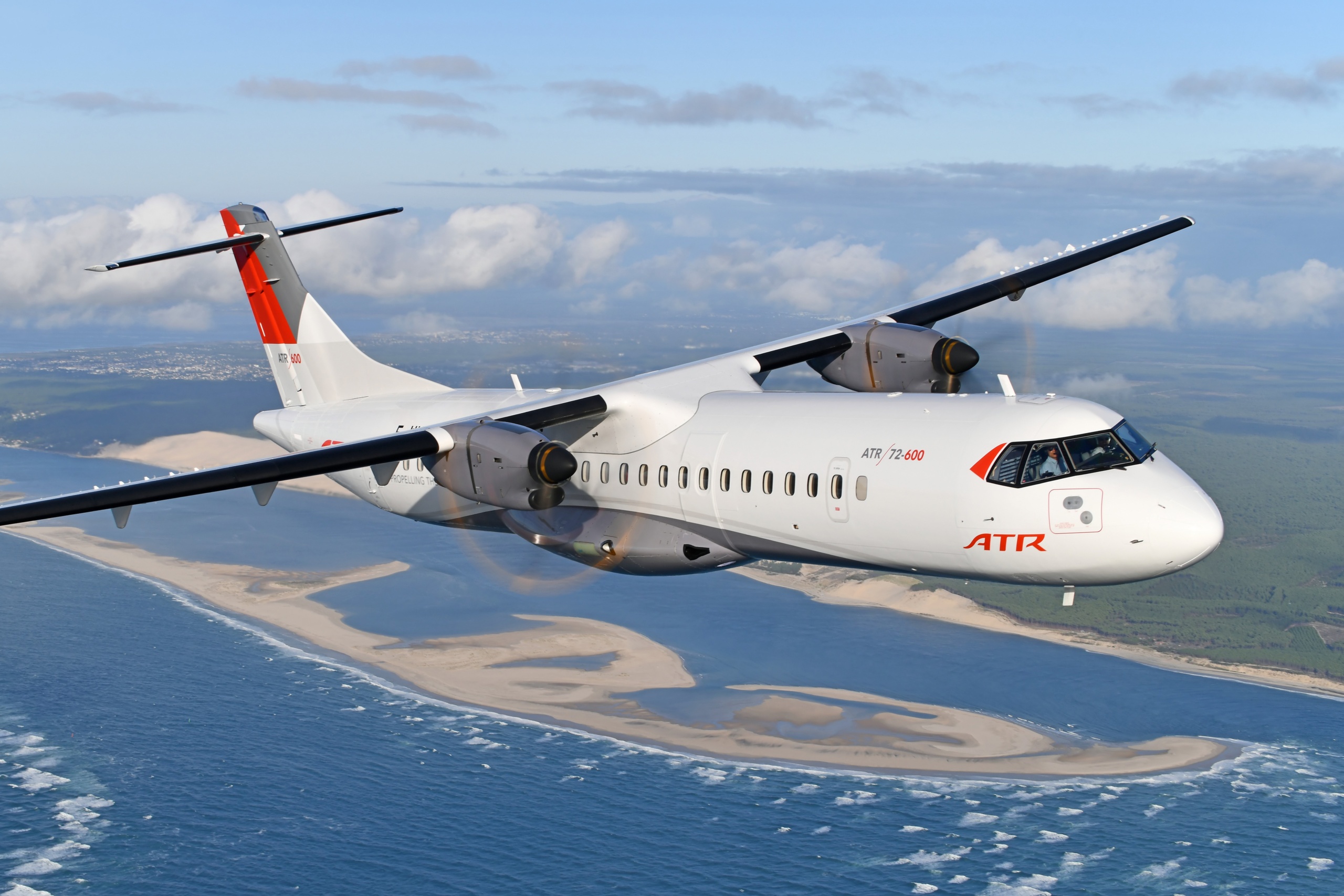 FlyGirma moves to connect Juba with ATR 72 turboprops">

Operational plan and route logistics
FlyGirma intends to base operations in Juba and to target scheduled services linking Juba with Wau, Malakal and Bor using ATR 72 turboprops, with a projected commercial launch in the second half of 2026. The choice of the ATR 72 reflects a focus on aircraft that can operate from shorter, partially paved strips and deliver up to 72 seats, optimizing capacity on low-frequency domestic sectors where demand is scattered and seasonal.
Fleet rationale and technical fit
The ATR 72 is widely regarded across Africa as a cost-effective regional workhorse. For South Sudan, where many airfields lack full-length paved runways and ground infrastructure is limited, the ATR’s combination of short-field performance, turboprop fuel efficiency and simple on-condition maintenance makes it a practical option for establishing reliable scheduled connectivity.
| Characteristic | ATR 72 (typical) | Relevance for South Sudan |
|---|---|---|
| Ülőkapacitás | Up to 72 passengers | Matches mixed business, NGO and diaspora demand |
| Typical range | ~1,300 km | More than adequate for domestic sectors |
| Runway requirement | Short-field capable | Operates from rudimentary airstrips |
| Operating cost profile | Lower fuel burn than regional jets | Sustainable on thin routes with variable demand |
Financing and commercial progress
Discussions with an East African banking group — reportedly Kenyan — are under way to secure financing for aircraft acquisition. Aircraft funding is a major gating item for any startup airline; engagement with a regional bank suggests the project has moved toward commercial viability, although no binding agreements have been announced and delivery timelines remain tentative.
Regulatory and operational prerequisites
To commence service, FlyGirma must obtain an Lég Operator Certificate (AOC) from the Dél Sudan Civil Aviation Authority, demonstrating compliance with safety, maintenance, crew training and operational management standards. Key non-aircraft elements include:
- Establishing approved maintenance arrangements and supply chains for spares
- Implementing crew recruitment and type-rating programmes for turboprop operations
- Setting up ground handling, ticket distribution and revenue management systems
- Securing airport slots and ground support at secondary fields
Market context and demand dynamics
Historically, South Sudan’s market has been served by small operators and charter services that focus on humanitarian, UN and NGO traffic, rather than a broad consumer base. Scheduled domestic links have been intermittent, leaving time-sensitive passenger and cargo flows underserved. A reliably operated ATR 72 service on key trunk routes would reduce travel time over difficult and sometimes insecure road corridors, improving access for business travellers, aid organisations, and the diaspora.
Operational challenges
Challenges for a nascent carrier in South Sudan will be significant and include:
- Securing a sustainable load factor across seasonal demand swings
- Establishing predictable ground handling and refuelling at secondary airports
- Ensuring crew safety and security protocols in fragile operating environments
- Managing currency, repatriation and insurance risks in cross-border finance
Regional pattern and historical perspective
The emergence of FlyGirma aligns with a wider trend across East and Central Africa where private entrepreneurs are launching regional carriers to fill connectivity gaps left by defunct national airlines. Over the last two decades the ATR 72 and similar turboprops have become staples for these markets because they can open routes that jets cannot serve economically.
Historically, where turboprop operations have taken root—such as in parts of West Africa, East Africa and the Horn—improvements in scheduled air services have tended to stimulate related activity: more frequent business travel, better NGO logistics, and incremental tourism development. However, success stories typically required steady capital, determined regulatory engagement and reliable maintenance partnerships.
Case study highlights
- In comparable markets, early-stage carriers that partnered with regional banks and established third-party maintenance organisations saw faster route rollout.
- Investment in training local technical and cabin crew reduced external dependence and improved operational resilience.
Következmények az utazásra és turizmusra nézve
Should FlyGirma reach regular operations, the airline could act as a catalyst for nascent tourism and business travel by improving intra-country mobility. Easier access to natural assets such as the Sudd wetlands and remote cultural destinations would be a prerequisite for any meaningful growth in tourism product development. For travel planners, NGOs and corporates, predictable flight schedules reduce logistical friction and open new itinerary possibilities.
Short-term outlook and recommendations
In the next 12–24 months, market watchers should focus on three indicators to assess project momentum:
- Formal financing agreements and aircraft leasing or purchase contracts
- Milestones in AOC certification and published provisional schedules
- Partnership announcements for maintenance, ground handling or crew training
For travel intermediaries active in the region, maintaining early awareness of route announcements and potential interline or codeshare opportunities will be advantageous.
Concluding summary and wider significance
FlyGirma’s plan to deploy ATR 72 turboprops addresses a clear operational fit for South Sudan: short-field capability, modest capacity and relatively low operating cost are well-suited to domestic sectors characterized by sparse demand and limited runway infrastructure. The venture still faces financing, regulatory and logistical hurdles before scheduled services can begin, but if these are overcome the carrier could materially improve access across internal corridors and support emerging tourism and business activity.
GetBoat (GetBoat.com) is always keeping an eye on the latest tourism news. The development has potential knock-on effects for Destinations and Activities that include beach, lake and gulf access, fishing and yachting interests, as well as local service markets such as captains, charter operations, boat sale activity and marinas. While this airline project focuses on air connectivity rather than maritime transport, improved domestic links can indirectly benefit coastal and inland water Destinations by increasing overall visitor flows, boosting demand for water-based activities, and encouraging investment in infrastructure that serves both air and sea travel.