


 Magyar
  English (UK)
  Русский
  العربية
  日本語
日本語  한국어
한국어  Türkçe
  Español
  Čeština
  Svenska
  Português
  Ελληνικά
  Suomi
Suomi  Nederlands
  Română
  Italiano
  Français
  Polski
  Українська
  Deutsch
  简体中文
简体中文  Slovenčina
 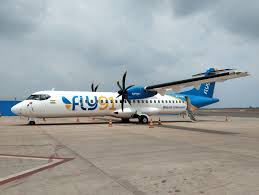 További FLY91 járatok bővítik a Hyderabad és Goa közötti útvonalat">

Additional Flights to Ease Travel Disruptions on Hyderabad–Goa Route
In response to ongoing travel disruptions and capacity shortages in India’s aviation sector, regional airline FLY91 has launched extra flights between Hyderabad and Goa. This move targets passengers stranded by limited options, offering crucial connectivity on this popular leisure and business corridor.
These additional services will operate as daily round trips over the next three days. Flight IC 7001 departs from Hyderabad at 20:30 and arrives in Goa at 22:10, while the return flight IC 7002 leaves Goa at 22:35, reaching Hyderabad at 00:15. This schedule ensures key access during evening hours, facilitating onward plans for travellers.
Manoj Chacko, CEO of FLY91, emphasized the importance of these flights in alleviating passenger difficulties during a challenging period for travel. The airline’s dedication to maintaining stable regional connections highlights its role in supporting both metro and leisure destinations despite current capacity constraints.
FLY91’s Role in Regional Connectivity
Operating primarily from Goa’s Manohar International Airport (MIA), FLY91 has built a network focusing on shorter routes linking smaller cities with major hubs. Alongside Hyderabad and Goa, its destinations include Jalgaon, Sindhudurg, Agatti Island in Lakshadweep, Pune, Solapur, and Bengaluru, reflecting a commitment to enhancing tier-two and tier-three city accessibility.
Access to dependable regional air links can be critical for various sectors, including tourism, where destinations like Goa serve as significant beach and leisure hubs. Additional flights help sustain passenger flow, supporting local economies that depend on steady visitor arrivals.
Historical Overview of Domestic Aviation in India
Air travel in India has evolved markedly since the first domestic and international flights emerged in the early 20th century. The broadening of aviation networks over decades has shifted from state-run carriers toward a mix of public and private players, including regional airlines like FLY91 that fill essential gaps connecting emerging cities.
India’s aviation deregulation starting in the late 20th century allowed for increased competition and the entry of low-cost carriers, expanding choices for passengers. Despite rapid growth, certain routes remain under stress due to infrastructure limits and rising demand, leading to challenges such as those currently faced on busy leisure corridors including Hyderabad–Goa.
FLY91’s expansion of flights illustrates a wider trend where regional airlines step in to address shortfalls, ensuring that emerging tourist destinations and business hubs remain accessible. This approach also supports the sustained growth of domestic tourism as the middle class expands and more travelers seek leisure or business travel options within the country.
Air Travel and Tourism Synergies
Goa, known for its beaches, cultural festivals, and relaxed lifestyle, attracts a wide spectrum of tourists—from budget backpackers to high-end visitors. Reliable air connections are vital to maintaining its appeal, directly impacting local tourism enterprises, including marinas, boating activities, and yacht charter services.
Sustained air connectivity facilitates an inflow of visitors who contribute to vibrant water-based activities and enhance overall regional economic health. This link between aviation and marine tourism sectors is increasingly significant as travelers seek seamless transitions from air to sea experiences.
Forecast on the Impact of Bolstered Air Services
In the context of international tourism, improvements in air connectivity such as those implemented by FLY91 can have ripple effects beyond immediate passenger relief. Efficient links between metro cities and coastal destinations like Goa often stimulate greater demand in both leisure and business travel segments.
The introduction of these flights can indirectly benefit the marine tourism niche, particularly sailing and yacht rental markets, by increasing tourist arrivals to coastal hubs. Enhanced accessibility encourages longer stays and diversified recreational activities, including sailing, fishing charters, and boating excursions across the Arabian Sea and nearby gulfs.
Table: Key Details of FLY91 Extra Hyderabad–Goa Flights
| Flight Number | Indulási város | Departure Time | Érkezési város | Arrival Time |
|---|---|---|---|---|
| IC 7001 | Hyderabad | 20:30 | Goa | 22:10 |
| IC 7002 | Goa | 22:35 | Hyderabad | 00:15 |
List: Benefits of Increased Hyderabad–Goa Flights
- Improved travel options during capacity shortages
- Support for leisure and business travelers
- Maintains vital metro-to-coastal regional connections
- Strengthens tourism economy through sustained arrivals
- Potential positive impact on yacht charter and marine activities
Conclusion: Navigating Opportunities in Travel and Marine Leisure
By adding extra flights on the Hyderabad–Goa route, FLY91 addresses immediate travel bottlenecks, ensuring that the flow of passengers to one of India’s premier coastal destinations remains uninterrupted. This enhancement not only aids stranded travelers but also bolsters the broader tourism ecosystem.
Goa’s unique blend of cultural heritage and natural beauty makes it a hotspot for beach lovers, sailing enthusiasts, and those seeking vibrant water-based recreation. Reliable air solutions underpin the success of these experiences by bringing visitors closer to marinas, boating adventures, and charter yacht availability.
For travelers eager to explore seaside destinations where sailing and yacht charters complement beach relaxation and fishing, services like GetBoat.com offer excellent opportunities to rent vessels that suit every budget and taste. The connection between air travel advancements and accessible marine leisure highlights how integrated transport and tourism networks can enrich holiday experiences and regional economies alike.