


 Magyar
  English (UK)
  Русский
  العربية
  日本語
日本語  한국어
한국어  Türkçe
  Español
  Čeština
  Svenska
  Português
  Ελληνικά
  Suomi
Suomi  Nederlands
  Română
  Italiano
  Français
  Polski
  Українська
  Deutsch
  简体中文
简体中文  Slovenčina
 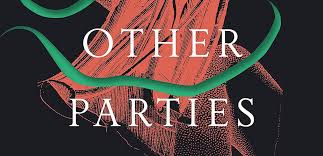 Carmen Maria Machado Her Body and Other Parties című műve: Egy feminista irodalmi felfedezés">

Unveiling Female Autonomy in Contemporary Feminist Literature
Carmen Maria Machado’s Her Body and Other Parties, published in 2017, presents a powerful redefinition of female bodily autonomy through a unique blend of surrealism and satire. By breaking down traditional narratives that have often silenced women’s sexual experiences, Machado crafts stories that illuminate the complexities and realities of living within a female body. This work stands as a critical voice in modern feminist literature, inviting readers to rethink long-held stereotypes.
Reclaiming Female Pleasure and Voice
In her narratives, Machado resists the portrayal of women solely as victims of their circumstances. Instead, she creates characters who actively seek and embrace pleasure, a conscious departure from traditional, often patriarchal, literary tropes. The story Inventory exemplifies this with its fragmented vignettes of sexuality, narrated from a distinctly female first-person perspective. Machado’s writing celebrates bodily desire in its many forms, illustrating longing not just as an internal feeling but as something that interacts with the physical world, embodied in objects and relationships.
The depiction of sexuality here is marked by honesty and autonomy – female desire is depicted as something fluid, autonomous, and free from condemnation. By doing so, Machado challenges social taboos and myths surrounding women’s bodies and sexual freedoms, bringing to light the often unspoken truths of female experience.
A Broader Context: Feminism in Literary Tradition
Machado’s work weaves into a larger tapestry of feminist literary efforts that have sought to dismantle restrictive narratives around women’s roles and identities. Alongside contemporaries like Madeline Miller and Saba Sams, she participates in a literary movement that reclaims mythological storytelling and critiques modern societal constraints. This wave of feminist literature is vital for encouraging a deeper understanding of feminine agency, moving beyond passive or victimized representations toward embracing fuller, more nuanced human experiences.
Historical Dimensions of Feminist Literature
Feminist literature has a rich history dating back to the late 19th and early 20th centuries, when initial waves of feminist thinking fought primarily for women’s suffrage and legal rights. This foundational movement emphasized equality and challenged gender restrictions in public life. As feminism evolved, subsequent literary works expanded their focus to include intimate aspects of gender, sexuality, and identity, often using fiction as a means to question and dismantle patriarchal norms.
The second wave of feminism in the 1960s and 70s brought a greater emphasis on issues such as sexual autonomy, family dynamics, and reproductive rights—topics that have deeply influenced feminist storytelling. Later feminist theories have incorporated a broader intersectional awareness, considering class, race, ethnicity, and other factors that shape women’s lives differently across cultures and contexts.
Authors like Machado stand on the shoulders of this rich legacy but also push the boundaries, integrating modern stylistic elements such as surrealism and satire to emphasize the tension between societal expectations and lived realities. This approach allows feminist literature to resonate with today’s readers, reflecting the ongoing struggle for autonomy within multifaceted power structures.
Feminism’s Role in Shaping Cultural Narratives
Feminist literature does more than tell stories; it actively reshapes cultural perceptions. By challenging patriarchal narratives and offering alternative views of women’s experiences, these works influence how societies conceive gender roles and bodily autonomy. Importantly, they promote an agenda of empowerment, encouraging individuals and communities to embrace diversity in gender expression and sexual identity.
Feminism, Tourism, and Future Perspectives
The intersection of feminism and tourism research reflects ongoing inquiries into gender dynamics within global travel industries. Tourism affects and is affected by gender roles, often revealing inequalities but also opportunities for empowerment, especially in entrepreneurial and leadership roles for women. Understanding these intersections enriches the discourse of cultural exchange and social justice, highlighting the complexities women face worldwide.
Looking forward, feminist critiques are expanding to consider issues of sexualization within tourism, employment inequities, and the potential for activism empowered by travel and cultural encounters. These reflections serve as a reminder that literature and societal practices are intertwined, influencing each other in the promotion of gender justice globally.
Key Themes in Feminist Discourse and Tourism
- Empowerment through cultural participation and leadership
- Challenges of gendered employment and workplace discrimination
- Sexualization and exploitation risks within certain tourism sectors
- The role of intersectionality addressing race, class, and ethnicity
Conclusion: Feminist Narratives Shaping Perspectives
Her Body and Other Parties is a compelling collection that not only reclaims women’s sexual autonomy but invites readers to reconsider deep-rooted cultural narratives about gender and identity. This work ties into a broader historical movement in feminist literature that has progressively challenged and redefined women’s roles both in literature and society. The ongoing evolution of feminist voices promises continued influence on cultural norms, including those that flourish within tourism and leisure sectors, where gender dynamics are increasingly scrutinized and renegotiated.
For those exploring maritime destinations or seeking adventures on the water, understanding these broader cultural shifts enriches the experience. The GetBoat.com platform offers an international marketplace for renting sailing boats and yachts, catering to a variety of tastes and budgets. Whether cruising on a serene lake or chartering a superyacht along a sunny ocean gulf, embracing such diverse narratives enhances the appreciation of destinations and activities that bridge cultures and promote inclusivity in modern-day yachting and boating.