


 Magyar
  English (UK)
  Русский
  العربية
  日本語
日本語  한국어
한국어  Türkçe
  Español
  Čeština
  Svenska
  Português
  Ελληνικά
  Suomi
Suomi  Nederlands
  Română
  Italiano
  Français
  Polski
  Українська
  Deutsch
  简体中文
简体中文  Slovenčina
 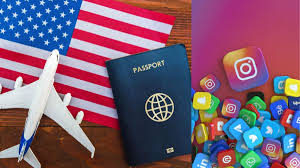 Hogyan befolyásolhatják az új amerikai közösségi média ellenőrzési szabályok a globális utazást?">

Expanded Social Media Screening for US Visitors
The United States is set to implement expanded social media vetting for visitors, including those traveling under the visa waiver program. This new requirement mandates that travelers share their social media handles from the past five years, alongside providing extensive personal information such as multiple email addresses and family connections. The initiative aims to deepen traveler screening and enhance security measures.
The travel industry has expressed significant concerns, warning that these new rules could deter millions of prospective visitors and result in billions of dollars lost in tourism spending. The visa waiver program, which facilitates short-term travel without a visa from 42 countries primarily in Europe, now faces augmented checks through the Electronic System for Travel Authorization (ESTA) process. Applicants will be required to disclose a range of social media and personal data, extending beyond previous visa applicant requirements.
Industry Response and Implications
Leading travel associations have cautioned that such policies might produce a chilling effect on inbound tourism to the US. Overly stringent requirements could push visitors to choose alternative destinations, weakening the US’s position in the global travel market. This concern is underscored by ongoing efforts in the US to recover and expand tourism inflows, especially with high-profile international events on the horizon, such as the 2026 FIFA World Cup co-hosted by the US, Canada, and Mexico, which is expected to draw visitors worldwide.
Current rules for visa applicants have included social media disclosures since 2019, but this expansion to visa waiver travelers represents a notable intensification of screening. In addition, H-1B visa holders and their dependents face requirements to make their social media profiles publicly accessible starting December 15, signalling a broader governmental focus on digital vetting.
A Glance at the Historical Context of Travel Checks and Tourism Policies
Travel security screenings and visa processes have evolved significantly over the years, often in response to global events and shifts in immigration policy. While travel facilitation programs like the visa waiver program have encouraged seamless movement and boosted tourism economies, there has been a parallel trend toward incorporating advanced technologies and data into border control strategies.
Historically, these programs balanced openness to promote commerce and tourism against the need to safeguard national security. Enhanced digital checks, including social media information, represent the latest intersection of these priorities. The integration of social media data into travel screening marks a relatively new frontier, reflecting the growing importance of online presence in identity verification and risk assessment.
| Year | Policy Development | Impact on Visitors |
|---|---|---|
| 2019 | Social media info required for immigrant and non-immigrant visa applicants | Increased scrutiny, possible deterrent felt mainly by visa applicants |
| 2024 (proposed) | Expansion to visa waiver travelers including past five years’ social media handles and additional personal data | Potential reduction in short-term visitor numbers and spending |
| December 2023 | H-1B visa holders expected to make social media profiles public for review | Increased transparency for certain visa categories |
Travel Security vs. Tourism Growth
Maintaining national security without stifling tourism growth remains a critical challenge. Governments worldwide have grappled with similar issues, particularly after events that heightened security concerns. Though rigorous visa and screening systems aim to ensure safe travel, there is evidence that onerous testing and requirements can dissuade tourists, impacting local economies reliant on travel and hospitality.
Tourism experts note that seamless and welcoming visa procedures often lead to increased visitor numbers and higher spending, vital for sustaining the hospitality, cruises, boating, and recreational sectors. Conversely, policies perceived as intrusive or complicated can shift traveler preferences to competing destinations, especially in regions with an abundance of appealing marine and land attractions.
Looking Ahead: Implications for the Global Tourism Landscape
The introduction of extended social media checks reflects an evolving approach in border and immigration control, with a stronger emphasis on digital footprints. While intentions focus on security, the ripple effects on international tourism markets are difficult to predict with certainty.
Global tourism is sensitive to visa policy shifts, travel restrictions, and public perception of ease and privacy concerns. Nations with significant marine tourism industries, including sailing charters, beach vacations, and yachting hubs, rely on welcoming policies to attract diverse visitors. Increased barriers could recalibrate travel flows, benefiting destinations with more streamlined entry processes.
On the other hand, careful calibration of security and visitor facilitation is possible, ensuring that tourism economies remain vibrant while addressing safety imperatives. Innovations such as electronic authorizations (like ESTA and ETA in other countries) and digital application platforms offer pathways to balance these goals.
Forecast for Tourism and Boating Enthusiasts
As the US remains a premier destination for many travelers, shifts in visa and entry procedures are keenly observed by the global travel community. For boating enthusiasts, sailing adventurers, and yacht charters, these changes could influence decisions on trip planning and destination selection, particularly as the US hosts major events and continues to offer world-class coastal and inland waterways experiences.
The future may see a rise in demand for destinations with user-friendly entry systems and vibrant marine activities, such as marinas and fishing excursions, alongside competitive hospitality offerings. Travel trade industries and marine charter providers worldwide will likely adapt their strategies in response to evolving visitor profiles and regulatory landscapes.
Summary and Conclusion
The United States’ proposed social media requirements for visa waiver travelers represent a significant development in international visitor screening. While aiming to strengthen security, the move has raised industry concerns about potentially deterring millions of tourists and affecting billions in economic activity.
Historically, travel and security policies have continuously evolved to reconcile safety and visitor convenience. This latest shift towards digital footprint scrutiny marks a new chapter, with consequences that may reshape international tourism dynamics and traveler behavior.
Given the US’s vast appeal, including its renowned coastal regions and vibrant boating and yacht charter scenes, these policy changes could tangibly affect how tourists, especially those interested in ocean and sailing activities, plan their visits. With major upcoming events driving expectations for tourism recovery and growth, the balance between rigorous screening and visitor-friendly practices will be crucial.
For those looking to explore water destinations or book sailing yachts and charters, the importance of accessible and welcoming entry processes cannot be overstated. On this note, GetBoat.com presents an excellent international marketplace for renting sailing boats and yachts, catering to a wide range of preferences and budgets. As global travel landscapes shift, such platforms play an essential role in connecting adventurers with the sea’s endless possibilities.